About Yamunotri Temple: The Ultimate Budget Travel Guide, Powerful History & Spiritual Significance

- Estimated Travel Budget
- Estimated Student Budget
- 1. Why is Yamunotri Temple famous?
- 2. Where is the temple located?
- 3. How can visitors reach the temple?
- 4. Is there an entry fee?
- 5. What is Surya Kund?
- 6. When is the temple open?
- 7. Is Yamunotri suitable for students?
- 8. What is the best time to visit?
- Overall Rating: ⭐⭐⭐⭐⭐ (4.8/5)


Yamunotri Temple, located in the breathtaking Garhwal Himalayas of Uttarakhand, is one of the holiest Hindu pilgrimage sites in India. Dedicated to Goddess Yamuna, the temple is the first destination of the Char Dham Yatra in Uttarakhand, followed by Gangotri, Kedarnath, and Badrinath.
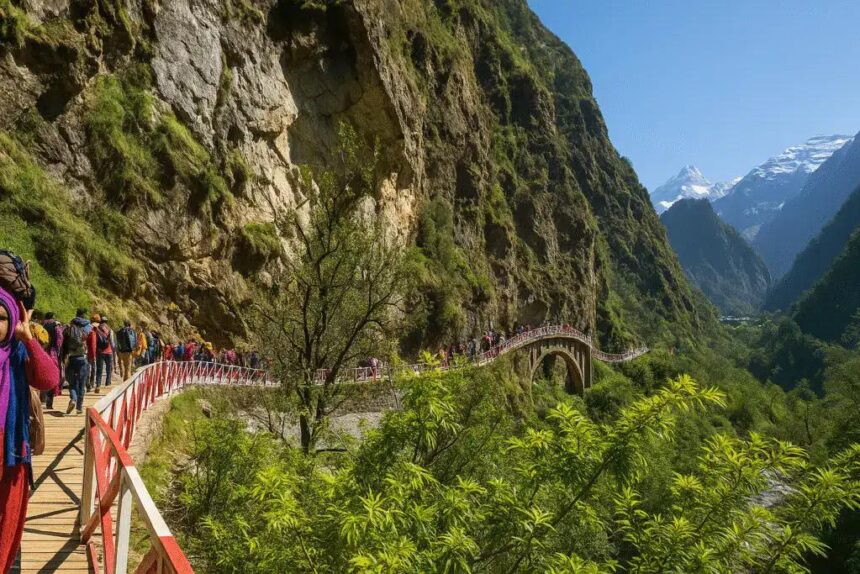
Surrounded by majestic snow-covered peaks, glaciers, rivers, forests, and natural hot springs, Yamunotri Temple offers visitors a unique combination of spirituality, adventure, and natural beauty. Every year, thousands of pilgrims, trekkers, students, photographers, and nature lovers visit this sacred destination.
For students, Yamunotri Temple is much more than a pilgrimage site. It is an excellent place to learn about Indian history, geography, ecology, Himalayan culture, religious traditions, tourism management, and environmental conservation. This comprehensive guide explains everything in simple and human-friendly language.
Overview of Yamunotri Temple
| Feature | Details |
|---|---|
| Location | Uttarkashi District, Uttarakhand |
| Main Deity | Goddess Yamuna |
| Religion | Hinduism |
| Pilgrimage | Char Dham Yatra |
| Elevation | About 3,293 meters (10,804 feet) |
| Built By | Maharaja Pratap Shah of Tehri Garhwal (original temple) |
| Rebuilt By | Maharani Guleria of Jaipur (19th century) |
| Best Time to Visit | May to June and September to October |
History of Yamunotri Temple


The Yamunotri Temple has a long and sacred history connected with the worship of Goddess Yamuna, who is regarded in Hindu tradition as the daughter of Surya (the Sun God) and sister of Yama, the god associated with justice and mortality.
The original temple is believed to have been built by Maharaja Pratap Shah of Tehri Garhwal. Over time, the temple suffered damage due to earthquakes and harsh Himalayan weather. It was later rebuilt and renovated by Maharani Guleria of Jaipur in the 19th century.
According to tradition, taking a dip in the holy waters of the Yamuna River and offering prayers at Yamunotri is believed to inspire purity, devotion, and gratitude. Nearby natural hot springs, especially Surya Kund, are an important part of the pilgrimage, where devotees cook rice or potatoes in cloth pouches as an offering before receiving them as prasadam.
Timeline of Yamunotri Temple
| Period | Event |
|---|---|
| Ancient Times | Worship of Goddess Yamuna begins |
| Early Temple Period | Temple established by Maharaja Pratap Shah |
| 19th Century | Rebuilt by Maharani Guleria |
| Modern Era | Improved roads and trekking facilities |
| Present Day | First stop of the Char Dham Yatra, attracting thousands each year |
Architecture of Yamunotri Temple
The temple reflects traditional Himalayan architecture designed to withstand mountain conditions.
Architectural highlights include:
- Brightly colored temple structure.
- Wooden and stone construction.
- Sacred sanctum housing Goddess Yamuna.
- Beautiful mountain backdrop.
- Nearby Divya Shila, a sacred rock worshipped before entering the temple.
- Close proximity to natural hot springs such as Surya Kund.
The temple’s simple yet elegant design blends harmoniously with the surrounding Himalayan landscape.
23 Amazing Facts About Yamunotri Temple
- First destination of the Char Dham Yatra in Uttarakhand.
- Dedicated to Goddess Yamuna.
- Located at over 3,200 meters above sea level.
- Surrounded by the Garhwal Himalayas.
- Near the source region of the Yamuna River.
- Accessible by a scenic mountain trek from Janki Chatti.
- Famous for Surya Kund hot spring.
- Devotees cook prasadam in the hot spring.
- Divya Shila is worshipped before entering the temple.
- Original temple built by Maharaja Pratap Shah.
- Rebuilt by Maharani Guleria.
- Open only during the pilgrimage season.
- Closed during heavy winter snowfall.
- Idol moved to Kharsali village during winter.
- One of India’s most important Himalayan temples.
- Popular among trekkers and photographers.
- Excellent destination for nature lovers.
- Offers spectacular mountain scenery.
- Supports local tourism and livelihoods.
- Promotes environmental awareness.
- Rich in mythology and tradition.
- Encourages physical fitness through trekking.
- Symbolizes purity, devotion, and resilience.
Religious Significance
Yamunotri Temple holds immense importance because it is dedicated to Goddess Yamuna, who is revered as a life-giving river goddess.
Its spiritual significance includes:
- Beginning point of the Char Dham pilgrimage.
- Worship of Goddess Yamuna for blessings and well-being.
- Respect for rivers as sources of life.
- Symbol of purity and devotion.
- Sacred traditions associated with Surya Kund and Divya Shila.
The temple reminds visitors of the close relationship between nature, spirituality, and human life.
Importance for Students
Students can learn about:
- Himalayan Geography
- River Systems of India
- Environmental Conservation
- Hindu Mythology
- Temple Architecture
- Trekking and Adventure Tourism
- Disaster Management in Mountain Regions
- Local Culture and Traditions
- Sustainable Tourism
- Ecology of the Himalayas
Educational visits offer valuable real-world learning experiences.
Budget Travel Guide for Students
Estimated Travel Budget
| Expense | Approximate Cost |
|---|---|
| Train/Bus to Uttarakhand | ₹500–₹1,500 |
| Shared Taxi | ₹300–₹800 |
| Local Transport | ₹100–₹300 |
| Budget Hotel | ₹800–₹2,000 |
| Dharamshala | ₹300–₹800 |
| Meals | ₹200–₹600 |
| Trek Essentials | ₹200–₹500 |
| Souvenirs | ₹100–₹500 |
Estimated Student Budget
- One-day trip (excluding long-distance travel): ₹1,200–₹2,000
- Two-day trip: ₹3,000–₹5,000
- Three-day educational tour: ₹5,000–₹8,000
Traveling in groups and staying in budget accommodations can reduce costs.
Trekking Information
The final stretch to the temple involves a trek of approximately 5–6 km from Janki Chatti. Visitors can walk or choose options such as ponies or palanquins (at additional cost) if needed.
Students should:
- Wear comfortable trekking shoes.
- Carry water and light snacks.
- Dress in layers due to changing weather.
- Avoid littering.
- Follow safety instructions.
Entry Fees and Other Costs
| Item | Approximate Cost |
|---|---|
| Temple Entry | Free |
| Pony/Palanquin | Charges vary |
| Guide | Optional |
| Donations | Voluntary |
| Locker Facilities | May be available for a fee |
Best Time to Visit
The ideal months are:
- May
- June
- September
- October
The temple generally opens around Akshaya Tritiya (April/May) and closes around Bhai Dooj (October/November), depending on the Hindu calendar.
Observance and Temple Etiquette
Visitors should:
- Wear modest clothing suitable for mountain weather.
- Remove footwear before entering the temple.
- Respect local customs and rituals.
- Avoid plastic waste.
- Maintain cleanliness and silence in sacred areas.
- Be mindful of high-altitude conditions.
- Follow instructions from temple authorities.
Importance in Our Life
The pilgrimage to Yamunotri teaches us:
- Gratitude for nature.
- Respect for rivers and water resources.
- Patience and perseverance.
- Faith during challenges.
- Physical endurance.
- Simplicity.
- Humility.
- Environmental responsibility.
These lessons remain valuable in everyday life.
Daily Life Impacts
The values associated with Yamunotri Temple encourage us to:
- Protect rivers and forests.
- Stay physically active.
- Help fellow travelers.
- Practice patience.
- Live with gratitude.
- Conserve water.
- Respect cultural traditions.
- Appreciate nature’s beauty.
Such habits contribute to healthier individuals and stronger communities.
Importance to Society
Yamunotri Temple benefits society by:
- Preserving India’s spiritual heritage.
- Supporting livelihoods through pilgrimage tourism.
- Encouraging environmental conservation.
- Promoting responsible mountain tourism.
- Strengthening local economies.
- Preserving Himalayan traditions.
- Inspiring volunteer service during pilgrimage seasons.
- Raising awareness about river conservation.
Important Points for Students
- Located in Uttarkashi District, Uttarakhand.
- Dedicated to Goddess Yamuna.
- First stop of the Char Dham Yatra.
- Situated at about 3,293 meters above sea level.
- Accessible via a trek from Janki Chatti.
- Famous for Surya Kund and Divya Shila.
- Open only during the pilgrimage season.
- Excellent destination for geography and ecology studies.
- Ideal for educational tours.
- Symbol of nature, devotion, and resilience.
Frequently Asked Questions (FAQs)
1. Why is Yamunotri Temple famous?
It is famous as the first destination of the Char Dham Yatra and for its association with Goddess Yamuna.
2. Where is the temple located?
In Uttarkashi District, Uttarakhand.
3. How can visitors reach the temple?
The last stretch involves a trek of approximately 5–6 km from Janki Chatti. Ponies and palanquins are also available.
4. Is there an entry fee?
No, general temple entry is free.
5. What is Surya Kund?
Surya Kund is a natural hot spring where devotees prepare offerings (prasadam) by cooking rice or potatoes in cloth pouches.
6. When is the temple open?
It is generally open from April/May to October/November, depending on the pilgrimage season.
7. Is Yamunotri suitable for students?
Yes. It provides valuable learning opportunities in geography, ecology, history, religion, and tourism.
8. What is the best time to visit?
May–June and September–October offer the most favorable weather.
Visitor Review
Overall Rating: ⭐⭐⭐⭐⭐ (4.8/5)
| Category | Rating |
|---|---|
| Spiritual Experience | ⭐⭐⭐⭐⭐ |
| Natural Beauty | ⭐⭐⭐⭐⭐ |
| Educational Value | ⭐⭐⭐⭐⭐ |
| Trekking Experience | ⭐⭐⭐⭐☆ |
| Budget Friendliness | ⭐⭐⭐⭐☆ |
| Accessibility | ⭐⭐⭐⭐☆ |
| Scenic Views | ⭐⭐⭐⭐⭐ |
Honest Review
Yamunotri Temple offers a memorable combination of spirituality, adventure, and Himalayan beauty. The trek to the temple rewards visitors with breathtaking mountain scenery and a sense of accomplishment. Students will particularly enjoy learning about river systems, mountain ecosystems, and sustainable tourism while experiencing one of India’s most important pilgrimage routes. Proper planning, comfortable footwear, and awareness of weather conditions will make the journey more enjoyable.
Wishing Messages
- May Goddess Yamuna bless you with health, happiness, and inner peace.
- Wishing you a safe journey filled with faith, courage, and joyful memories.
- May the sacred waters of the Yamuna inspire purity, compassion, and wisdom in your life.
- May your path always be guided by hope, gratitude, and strength.
Why Students Should Visit Yamunotri Temple
A visit to Yamunotri Temple allows students to:
- Experience one of India’s most important pilgrimage destinations.
- Learn about Himalayan geography and river origins.
- Understand sustainable tourism and environmental conservation.
- Appreciate the cultural traditions of Uttarakhand.
- Build physical endurance through trekking.
- Connect classroom knowledge with real-world experiences.
Conclusion
Yamunotri Temple is much more than a sacred shrine—it is a remarkable destination where spirituality, nature, history, and adventure come together. As the starting point of the Char Dham Yatra, it holds deep religious importance while also offering valuable lessons in environmental stewardship, perseverance, and respect for nature.
For students, the temple serves as a living classroom where geography, ecology, history, mythology, tourism, and cultural studies can be explored firsthand. Budget-friendly travel options, breathtaking Himalayan landscapes, and meaningful spiritual traditions make Yamunotri an outstanding destination for educational tours.
Whether you visit for pilgrimage, trekking, photography, or learning, Yamunotri Temple leaves visitors with lasting memories and timeless lessons about faith, resilience, gratitude, and the importance of protecting our natural and cultural heritage.