About Golden Temple Amritsar: The Ultimate Budget Travel Guide & Powerful History

- Estimated Travel Budget
- Estimated Student Budget
- 1. Why is the Golden Temple famous?
- 2. Where is the Golden Temple located?
- 3. Is there an entry fee?
- 4. Can people of all religions visit?
- 5. Why do visitors cover their heads?
- 6. What is Langar?
- 7. What is the best time to visit?
- 8. Is the Golden Temple suitable for students?
- Overall Rating: ⭐⭐⭐⭐⭐ (5.0/5)


The Golden Temple, officially known as Harmandir Sahib, is the holiest shrine in Sikhism and one of the most visited spiritual destinations in the world. Located in Amritsar, Punjab, the temple welcomes millions of visitors every year, regardless of religion, nationality, caste, or background. It is admired not only for its stunning golden architecture but also for its powerful message of equality, humility, and selfless service.
For students, the Golden Temple is much more than a place of worship. It is a living example of history, architecture, social harmony, community service, and cultural heritage. Whether you are preparing for school projects, competitive exams, or planning an educational tour, this guide explains everything in a simple, human-friendly way.
Overview of Golden Temple
| Feature | Details |
|---|---|
| Official Name | Harmandir Sahib (Golden Temple) |
| Location | Amritsar, Punjab |
| Religion | Sikhism |
| Founded By | Guru Arjan |
| Foundation Stone | Traditionally associated with Mian Mir |
| Completed | Early 17th century |
| Famous For | Golden shrine, Langar, Sarovar |
| Best Time to Visit | October to March |
History of the Golden Temple


The history of the Golden Temple dates back to the late 16th century. The fourth Sikh Guru, Guru Ram Das, founded the city of Amritsar and initiated the excavation of the sacred Amrit Sarovar (Pool of Nectar). His successor, Guru Arjan Dev Ji, oversaw the construction of the Harmandir Sahib, which was completed in the early 1600s.
Unlike many religious buildings of its time, the Golden Temple was designed with four entrances, symbolizing that people from every direction, religion, caste, and community are welcome.
During the early 19th century, Maharaja Ranjit Singh sponsored the gilding of the upper structure with gold, giving the temple the appearance that earned it the name “Golden Temple.”
Today, the shrine remains a symbol of peace, equality, devotion, and service.
Timeline of the Golden Temple
| Year/Period | Event |
|---|---|
| 1577 | Amrit Sarovar excavation begins under Guru Ram Das |
| Late 1500s | Construction of Harmandir Sahib begins |
| Early 1600s | Temple completed under Guru Arjan |
| 1604 | Guru Granth Sahib installed in the temple |
| Early 1800s | Gold plating sponsored by Maharaja Ranjit Singh |
| Present Day | One of the world’s most visited spiritual sites |
Architecture of the Golden Temple
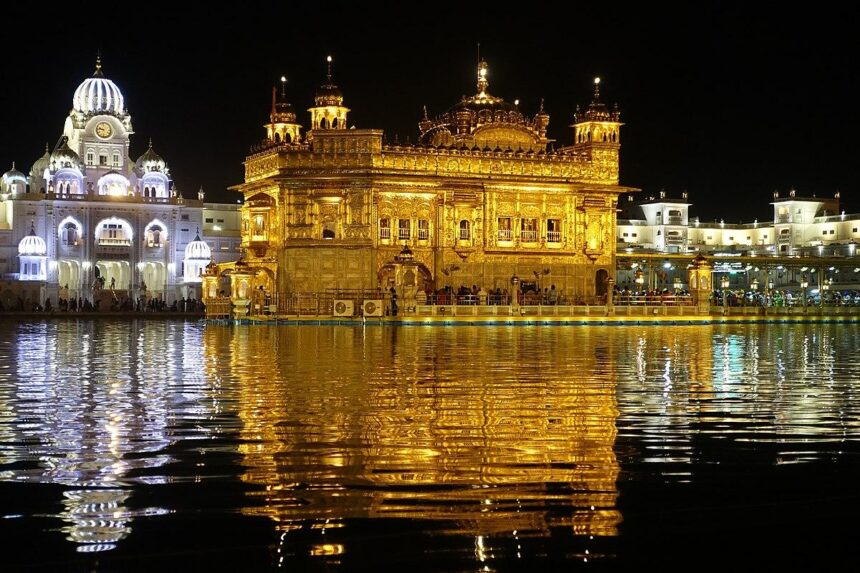
The Golden Temple is an outstanding example of Sikh architecture blended with Mughal and Rajput influences.
Key architectural highlights include:
- Gold-covered upper sanctum.
- Marble lower structure with intricate inlay work.
- Four entrances representing openness to all.
- Sacred Amrit Sarovar surrounding the shrine.
- Causeway connecting the sanctum to the complex.
- Beautiful domes and decorative artwork.
- The magnificent Akal Takht, an important seat of Sikh authority.
- Elegant illumination during festivals.
The reflection of the golden shrine in the sacred pool creates one of the most iconic views in India.
27 Amazing Facts About the Golden Temple
- Holiest shrine of Sikhism.
- Officially called Harmandir Sahib.
- Located in Amritsar, Punjab.
- Founded under Guru Arjan.
- Has four entrances welcoming everyone.
- Surrounded by the sacred Amrit Sarovar.
- Covered with gold during Maharaja Ranjit Singh’s reign.
- Home to one of the world’s largest free community kitchens (Langar).
- Serves free meals to tens of thousands of people daily, and often many more during festivals.
- Open to people of every religion.
- Entry is free.
- Famous for its peaceful atmosphere.
- Beautifully illuminated at night.
- Features exquisite marble craftsmanship.
- Houses the Guru Granth Sahib with great reverence.
- Symbolizes equality and humility.
- Visitors cover their heads before entering.
- Shoes are removed before entering the complex.
- Volunteers perform seva (selfless service).
- One of India’s top tourist destinations.
- Promotes community service.
- Rich in Sikh history and culture.
- Inspires millions worldwide.
- Excellent destination for educational tours.
- Represents unity in diversity.
- Maintains high standards of cleanliness.
- Encourages compassion and respect for all.
Religious and Cultural Significance
The Golden Temple is the spiritual heart of Sikhism.
Its significance includes:
- Central place of Sikh worship.
- Home to the Guru Granth Sahib.
- Symbol of equality and universal brotherhood.
- Promotion of seva (selfless service).
- Demonstration of religious tolerance and inclusiveness.
The temple’s traditions inspire people to live with humility, honesty, and compassion.
Importance for Students
Students can learn about:
- Sikh History
- Indian Freedom Movement
- Religious Harmony
- Community Service
- Architecture
- Heritage Conservation
- Tourism Management
- Punjabi Culture
- Social Equality
- Leadership through service
Educational visits provide practical lessons in values as well as history.
Budget Travel Guide for Students
Estimated Travel Budget
| Expense | Approximate Cost |
|---|---|
| Train Fare | ₹300–₹1,000 |
| Bus Fare | ₹300–₹800 |
| Local Auto/E-rickshaw | ₹50–₹300 |
| Budget Hotel | ₹700–₹2,000 |
| Hostel | ₹500–₹1,000 |
| Meals (outside Langar) | ₹150–₹500 |
| Local Sightseeing | ₹300–₹800 |
| Souvenirs | ₹100–₹600 |
Estimated Student Budget
- One-day trip: ₹800–₹1,800
- Two-day educational tour: ₹2,500–₹4,500
- Three-day trip: ₹4,500–₹7,000
Students can save money by eating at the free Langar and choosing budget accommodation.
Entry Fees and Other Costs
| Item | Approximate Cost |
|---|---|
| Temple Entry | Free |
| Langar | Free (voluntary donations welcomed) |
| Shoe Deposit | Free |
| Cloakroom | Free |
| Guide | Optional (₹300–₹700) |
| Donations | Voluntary |
Best Time to Visit
The ideal months are:
- October
- November
- December
- January
- February
- March
Major Sikh festivals such as Gurpurab, Baisakhi, and Diwali (Bandi Chhor Divas) bring vibrant celebrations but also larger crowds.
Observance and Visitor Etiquette
Visitors should:
- Cover their head with a scarf or cloth.
- Remove footwear before entering.
- Wash feet at the entrance.
- Dress modestly.
- Avoid alcohol, tobacco, and smoking.
- Maintain silence and respect.
- Follow photography rules in designated areas.
- Participate respectfully in Langar if they wish.
Importance in Our Life
The Golden Temple teaches timeless values:
- Equality
- Humility
- Service
- Compassion
- Gratitude
- Honesty
- Respect
- Unity
These principles can strengthen character and relationships.
Daily Life Impacts
The lessons of the Golden Temple encourage us to:
- Help people without expecting rewards.
- Treat everyone equally.
- Share food with those in need.
- Respect different religions and cultures.
- Volunteer in community service.
- Stay humble during success.
- Practice honesty.
- Build peaceful communities.
These values make a positive difference in everyday life.
Importance to Society
The Golden Temple contributes to society by:
- Promoting equality and social inclusion.
- Serving free meals through Langar.
- Supporting tourism and local employment.
- Preserving Sikh heritage.
- Inspiring volunteerism.
- Encouraging interfaith respect.
- Promoting cleanliness and discipline.
- Strengthening community bonds.
Important Points for Students
- Located in Amritsar, Punjab.
- Holiest shrine of Sikhism.
- Official name: Harmandir Sahib.
- Built under Guru Arjan.
- Gold-plated during Maharaja Ranjit Singh’s reign.
- Four entrances symbolize openness.
- Famous for Langar.
- Entry is free.
- Excellent educational destination.
- Symbol of equality and service.
Frequently Asked Questions (FAQs)
1. Why is the Golden Temple famous?
It is famous as the holiest shrine of Sikhism, its golden architecture, free community kitchen (Langar), and message of equality.
2. Where is the Golden Temple located?
In Amritsar, Punjab.
3. Is there an entry fee?
No. Entry is completely free.
4. Can people of all religions visit?
Yes. The Golden Temple welcomes visitors of every religion, nationality, and background.
5. Why do visitors cover their heads?
Covering the head is a sign of respect within the temple complex.
6. What is Langar?
Langar is the free community meal served to everyone without discrimination.
7. What is the best time to visit?
October to March offers pleasant weather.
8. Is the Golden Temple suitable for students?
Yes. It is an outstanding destination for learning about history, architecture, equality, and community service.
Visitor Review
Overall Rating: ⭐⭐⭐⭐⭐ (5.0/5)
| Category | Rating |
|---|---|
| Spiritual Experience | ⭐⭐⭐⭐⭐ |
| Architecture | ⭐⭐⭐⭐⭐ |
| Educational Value | ⭐⭐⭐⭐⭐ |
| Cleanliness | ⭐⭐⭐⭐⭐ |
| Hospitality | ⭐⭐⭐⭐⭐ |
| Budget Friendliness | ⭐⭐⭐⭐⭐ |
| Cultural Experience | ⭐⭐⭐⭐⭐ |
Honest Review
The Golden Temple offers an unforgettable experience that combines spirituality, history, architecture, and humanity. The shimmering golden shrine, peaceful atmosphere, sacred hymns, and welcoming spirit leave a lasting impression on visitors. The Langar demonstrates the power of selfless service, while the beautifully maintained complex reflects discipline and care. For students, it is one of the best places in India to learn about Sikh history, social equality, and community values in a real-world setting.
Wishing Messages
- May Waheguru bless you with peace, happiness, and good health.
- Wishing you success, wisdom, and strength in every journey of life.
- May your heart always be filled with kindness, humility, and compassion.
- May your life shine with hope, service, and joy.
Why Students Should Visit the Golden Temple
A visit to the Golden Temple helps students:
- Learn about Sikh history and traditions.
- Experience the values of equality and selfless service.
- Understand heritage conservation and architecture.
- Witness one of the world’s largest free community kitchens.
- Develop empathy, respect, and appreciation for cultural diversity.
Conclusion
The Golden Temple in Amritsar is far more than a magnificent monument—it is a living symbol of faith, equality, compassion, and service. Its inspiring history, breathtaking architecture, and enduring traditions continue to attract millions of visitors from around the world.
For students, the temple serves as a unique learning destination where history, religion, architecture, social service, and cultural studies come together. Affordable travel, free entry, and the opportunity to participate in the Langar make it an ideal educational trip.
Whether you visit for spiritual reflection, historical exploration, photography, or academic learning, the Golden Temple leaves every visitor with timeless lessons about humility, generosity, unity, and the importance of serving humanity. Its message reminds us that a compassionate society is built when people treat one another with dignity, respect, and kindness.