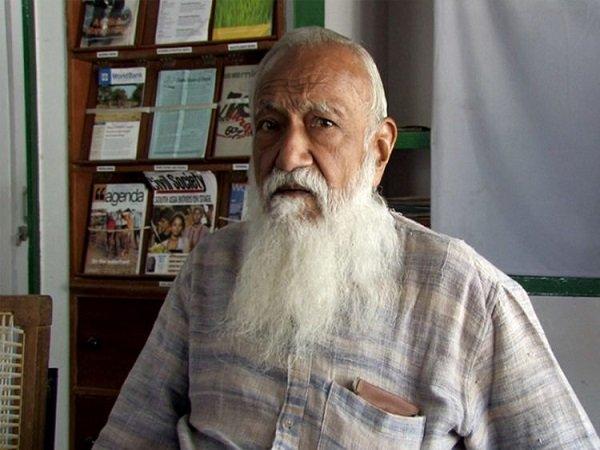
Professor G. D. Agrawal (Swami Gyan Swaroop Sanand)
- Introduction
- 1. He Was a Brilliant Scientist
- 2. IIT Professor
- 3. Founder of Environmental Policies
- 4. First Member Secretary of CPCB
- 5. Lifelong Environmentalist
- 6. Became a Monk
- 7. Loved the Ganga Deeply
- 8. Peaceful Protester
- 9. Multiple Hunger Strikes
- 10. Inspired Millions
- 11. National Environmental Icon
- 12. Promoted Sustainable Development
- 13. Scientific and Spiritual Balance
- 14. Sacrificed His Life
- 15. His Legacy Lives On
- Environmental Significance
- Educational Significance
- Spiritual Significance
- 1. Who was Professor G. D. Agrawal?
- 2. What was his monk name?
- 3. Why is he famous?
- 4. What was his profession?
- 5. Which organization did he help establish?
- 6. Why did he undertake hunger strikes?
- 7. What lessons can students learn from him?
- 8. Why is protecting rivers important?
- 9. How can individuals contribute to river conservation?
- 10. Why is his legacy still relevant today?


Introduction
Professor G. D. Agrawal: India has produced many great scientists, environmentalists, and spiritual leaders who devoted their lives to the welfare of society. Among them, Professor G. D. Agrawal, later known as Swami Gyan Swaroop Sanand, holds a unique place. He was not only a distinguished environmental engineer but also a fearless activist who sacrificed his comfort—and ultimately his life—to protect the sacred River Ganga.
His journey from an accomplished professor and environmental expert to a monk fighting for nature inspires millions across India and the world. His unwavering commitment reminds us that one determined individual can raise awareness about protecting our environment.
Whether you are a student preparing for school projects, competitive exams, or simply someone who wishes to learn about India’s environmental heroes, this comprehensive guide will help you understand every important aspect of Professor G. D. Agrawal’s remarkable life.
Who Was Professor G. D. Agrawal?
G. D. Agrawal, later known as Swami Gyan Swaroop Sanand, was one of India’s most respected environmental engineers and a passionate defender of the Ganga River.
He was widely recognized for:
- Environmental engineering expertise
- River conservation efforts
- Water pollution control
- Academic excellence
- Peaceful environmental activism
- Spiritual commitment toward nature
His life’s mission became protecting the Ganga from pollution, excessive dam construction, and ecological destruction.
History of Professor G. D. Agrawal
Professor G. D. Agrawal was born on 20 July 1932 in Uttar Pradesh. From an early age, he displayed exceptional intelligence and dedication to education.
He studied civil and environmental engineering and later became one of India’s leading experts in environmental science.
His distinguished career included:
- Teaching at IIT Kanpur
- Contributing to environmental engineering research
- Serving as the first Member Secretary of the Central Pollution Control Board (CPCB)
- Advising governments on environmental protection
Later in life, he embraced spirituality and became a monk under the name Swami Gyan Swaroop Sanand.
After taking monastic vows, he devoted every moment of his life to protecting the Ganga River.
15 Inspiring Facts About Professor G. D. Agrawal
1. He Was a Brilliant Scientist
Professor Agrawal was among India’s most respected environmental engineers.
2. IIT Professor
He taught at IIT Kanpur and educated thousands of engineering students.
3. Founder of Environmental Policies
He helped establish scientific standards for pollution control in India.
4. First Member Secretary of CPCB
He became the first Member Secretary of India’s Central Pollution Control Board.
5. Lifelong Environmentalist
He dedicated decades to protecting rivers, forests, and ecosystems.
6. Became a Monk
He chose a spiritual path and accepted the name Swami Gyan Swaroop Sanand.
7. Loved the Ganga Deeply
He believed the Ganga was not merely a river but India’s spiritual and ecological lifeline.
8. Peaceful Protester
Instead of violence, he used fasting and peaceful demonstrations.
9. Multiple Hunger Strikes
He undertook several fasts demanding stronger measures to protect the river.
10. Inspired Millions
Environmentalists continue to draw inspiration from his courage.
11. National Environmental Icon
His dedication earned widespread respect among scientists, saints, and citizens alike.
12. Promoted Sustainable Development
He advocated development that protects nature for future generations.
13. Scientific and Spiritual Balance
He showed that science and spirituality can work together.
14. Sacrificed His Life
He continued his peaceful movement until his final days in 2018.
15. His Legacy Lives On
Students, researchers, and environmental organizations continue to honor his vision.
Timeline
| Year | Event |
|---|---|
| 1932 | Born in Uttar Pradesh |
| 1950s | Engineering education |
| 1960s | Joined IIT Kanpur |
| 1974 | Became first Member Secretary of CPCB |
| Later Years | Took monastic vows |
| 2008 onwards | Began major campaigns for Ganga protection |
| 2018 | Passed away during a fast advocating Ganga conservation |
Why Is Professor G. D. Agrawal Important?
His importance goes far beyond environmental science.
He taught India that:
- Rivers are living ecosystems.
- Clean water is essential for life.
- Nature deserves respect.
- Science should guide public policy.
- Every citizen has environmental responsibilities.
Significance of His Work
His contributions remain highly relevant today.
Environmental Significance
- Protection of river ecosystems
- Pollution prevention
- Sustainable water management
- Ecological awareness
Educational Significance
Students learn:
- Environmental responsibility
- Scientific thinking
- Civic duty
- Ethical leadership
Spiritual Significance
He viewed nature as sacred and believed that protecting rivers was both a scientific and moral obligation.
Importance in Our Daily Life
His message influences our everyday actions.
We can honor his legacy by:
- Saving water
- Avoiding plastic pollution
- Keeping rivers clean
- Planting trees
- Recycling waste
- Respecting nature
- Conserving biodiversity
- Supporting environmental initiatives
Small habits create lasting positive impacts.
Daily Life Impacts
His teachings encourage us to:
- Turn off taps when not in use.
- Avoid littering.
- Use reusable bags and bottles.
- Reduce chemical pollution.
- Participate in community clean-up drives.
- Educate younger generations about conservation.
These simple actions contribute to a healthier environment.
Lessons Students Can Learn
Professor G. D. Agrawal’s life offers valuable lessons:
- Never give up on a noble cause.
- Education should benefit society.
- Science and ethics go hand in hand.
- Protecting nature is everyone’s duty.
- Peaceful action can inspire change.
- Courage often means standing firm despite challenges.
Important Points for Students
- Full Name: Professor Ganga Datt Agrawal
- Monk Name: Swami Gyan Swaroop Sanand
- Profession: Environmental Engineer
- Famous For: Ganga conservation
- IIT Professor
- First Member Secretary of CPCB
- Environmental activist
- Spiritual leader
- Advocate of sustainable development
- Inspiration for future environmentalists
How Society Benefits from His Vision
Society gains by embracing his principles:
- Cleaner rivers
- Better public health
- Sustainable development
- Improved biodiversity
- Responsible citizenship
- Long-term water security
- Environmental education
- Stronger community participation
Observance and Ways to Honor His Legacy
Although there is no nationwide observance dedicated solely to him, individuals and institutions can honor his contributions by:
- Organizing river clean-up campaigns
- Conducting environmental awareness programs
- Planting trees
- Reducing plastic use
- Holding seminars on water conservation
- Encouraging students to participate in eco-clubs
Inspiring Quotes Inspired by His Philosophy
“Protecting nature means protecting our future.”
“A clean river reflects a responsible society.”
“Science and spirituality together can heal the Earth.”
Wishes and Messages
Here are some thoughtful wishes inspired by his ideals:
- “Let us honor Professor G. D. Agrawal by keeping our rivers clean and our environment healthy.”
- “May we all become responsible guardians of nature, just as Swami Gyan Swaroop Sanand inspired us to be.”
- “Together, let’s work toward a cleaner, greener, and more sustainable future.”
Frequently Asked Questions (FAQs)
1. Who was Professor G. D. Agrawal?
He was an environmental engineer, IIT professor, and activist who dedicated his life to protecting the Ganga River.
2. What was his monk name?
Swami Gyan Swaroop Sanand.
3. Why is he famous?
For his lifelong campaign to conserve the Ganga and promote environmental protection.
4. What was his profession?
He was a professor of environmental engineering and a respected scientist.
5. Which organization did he help establish?
He served as the first Member Secretary of the Central Pollution Control Board (CPCB).
6. Why did he undertake hunger strikes?
To draw attention to the need for stronger measures to protect the Ganga from pollution and unplanned development.
7. What lessons can students learn from him?
Dedication, honesty, courage, scientific thinking, and responsibility toward the environment.
8. Why is protecting rivers important?
Healthy rivers provide drinking water, support agriculture, sustain biodiversity, and are essential for ecosystems and communities.
9. How can individuals contribute to river conservation?
By reducing pollution, conserving water, avoiding plastic waste, and participating in environmental initiatives.
10. Why is his legacy still relevant today?
Because issues such as water pollution, climate change, and sustainable development continue to affect societies worldwide.
Review: Why This Inspirational Story Matters
Overall Rating: ⭐⭐⭐⭐⭐ (5/5)
Professor G. D. Agrawal’s life is a remarkable example of how knowledge, courage, and compassion can be combined to serve society. His transition from a renowned scientist to a monk dedicated to environmental protection demonstrates that true leadership is measured by selfless action rather than personal achievement.
For students, his story encourages curiosity, perseverance, and a commitment to preserving nature. For citizens, it serves as a reminder that protecting rivers and ecosystems is a shared responsibility. His legacy remains an enduring source of inspiration for anyone who believes that one person’s dedication can spark meaningful change.
Conclusion
Professor G. D. Agrawal, lovingly remembered as Swami Gyan Swaroop Sanand, devoted his entire life to protecting one of India’s greatest natural treasures—the Ganga River. His journey from an accomplished environmental engineer and educator to a spiritual leader and peaceful activist reflects extraordinary commitment to both science and society.
His life teaches us that environmental conservation is not solely the responsibility of governments or organizations; it begins with the everyday choices each of us makes. By saving water, reducing pollution, respecting nature, and encouraging sustainable practices, we can carry forward his mission in our own communities.
For students, he is an inspiring role model whose courage, knowledge, and selfless service show that education can be a powerful force for positive change. His legacy continues to remind us that protecting the environment is an investment in the health, prosperity, and future of generations to come.