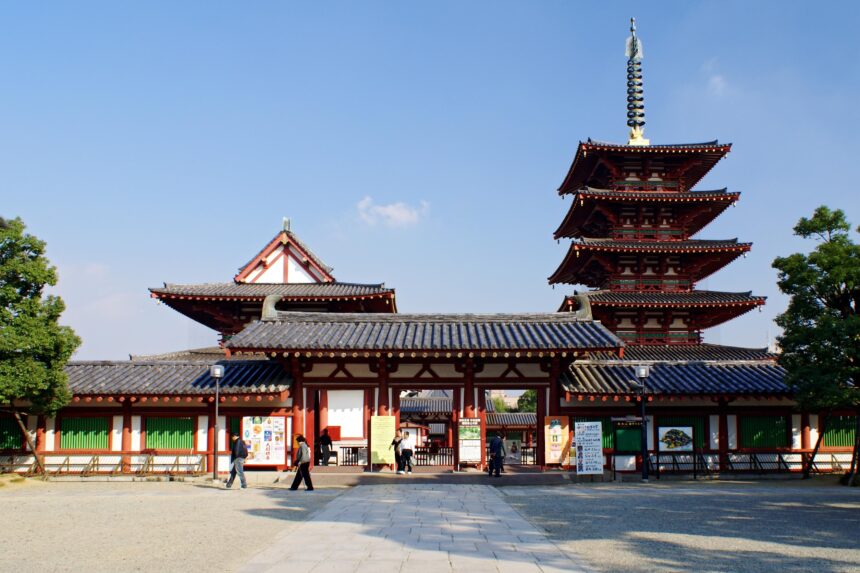
Hinduism in Japan: Complete Guide to History, Significance, Facts, Timeline, Daily Life, and Modern Influence
- Introduction
- Important Hindu Deities Worshipped in Japan
- 1. Benzaiten (Saraswati)
- 2. Kangiten (Ganesha)
- 3. Daikokuten
- 4. Kishijoten
- Strengths
- Challenges
- 1. Is Hinduism popular in Japan?
- 2. How did Hinduism reach Japan?
- 3. Are there Hindu temples in Japan?
- 4. Which Hindu gods are worshipped in Japan?
- 5. Do Japanese people celebrate Diwali?
- 6. Is yoga popular in Japan?
- 7. What is the significance of Hinduism in Japan?
- 8. Does Hinduism influence Japanese culture today?


Introduction
Hinduism in Japan: Japan is widely recognized for its rich traditions of Shintoism and Buddhism. However, many people are surprised to learn that Hinduism in Japan has a fascinating history that stretches back more than a thousand years. While Hinduism is not one of Japan’s major religions, its influence can be found in Japanese mythology, art, temples, festivals, and even everyday culture.
Today, Hinduism continues to grow in Japan due to the increasing Indian and Nepali communities, international businesses, cultural exchanges, yoga, meditation, and interest in Indian spirituality.
This guide explores everything you need to know about Hinduism in Japan, including its history, timeline, significance, facts, observance, daily life, important points, FAQs, wishing messages, and its contribution to Japanese society.
History of Hinduism in Japan
The history of Hinduism in Japan is both ancient and unique.
Unlike many religions that spread through missionaries, Hindu ideas reached Japan indirectly through China and Korea. Around the 6th to 8th centuries, Buddhism carried several Hindu deities, stories, and philosophical ideas into Japan.
Many Hindu gods were adapted into Japanese Buddhism and became respected as protectors or guardians.
Some famous examples include:
- Saraswati became Benzaiten.
- Ganesha became Kangiten.
- Lakshmi influenced Kishijoten.
- Shiva’s guardian role influenced Daikokuten traditions through Buddhist interpretations.
Over time, these deities became integrated into Japanese religious practices while developing their own Japanese identities.
During the late 19th and early 20th centuries, Indian scholars, monks, and cultural ambassadors strengthened connections between India and Japan.
In recent decades, immigration from India and Nepal has led to the construction of Hindu temples across Japan.
Timeline of Hinduism in Japan
| Year | Event |
|---|---|
| 6th Century | Buddhism enters Japan carrying Hindu influences. |
| 7th Century | Hindu deities begin appearing in Japanese temples. |
| 8th Century | Benzaiten worship becomes popular. |
| Medieval Japan | Hindu gods become integrated into Japanese Buddhism. |
| Late 1800s | Increased cultural exchange between India and Japan. |
| 1900s | Indian communities begin settling in Japan. |
| 2000s | Hindu temples established in major Japanese cities. |
| Present Day | Hindu festivals such as Diwali are celebrated by Indian communities across Japan. |
Important Hindu Deities Worshipped in Japan


Several Hindu gods are respected in Japan under Japanese names.
1. Benzaiten (Saraswati)
- Goddess of knowledge
- Music
- Wisdom
- Arts
She is one of Japan’s Seven Lucky Gods.
2. Kangiten (Ganesha)
Known as the remover of obstacles and the deity of prosperity.
3. Daikokuten
Associated with wealth, agriculture, and good fortune.
4. Kishijoten
Inspired by Lakshmi and worshipped for beauty and prosperity.
Significance of Hinduism in Japan
Hinduism has contributed greatly to Japanese culture.
Its significance includes:
- Encouraging harmony between religions.
- Promoting peace and spirituality.
- Influencing Japanese art and sculpture.
- Supporting yoga and meditation culture.
- Strengthening India–Japan friendship.
- Preserving ancient Asian traditions.
Even though only a small percentage of Japan’s population practices Hinduism directly, its cultural influence remains visible.
Observance of Hinduism in Japan
Hindu communities celebrate various festivals including:
- Diwali
- Holi
- Navratri
- Janmashtami
- Ganesh Chaturthi
- Maha Shivaratri
Celebrations usually include:
- Temple prayers
- Traditional Indian food
- Music
- Dance performances
- Charity
- Community gatherings
Interesting Facts About Hinduism in Japan
Here are some fascinating facts:
- Hinduism reached Japan through Buddhism.
- Benzaiten is originally the Hindu goddess Saraswati.
- Japan has several Hindu temples.
- Yoga has become increasingly popular in Japan.
- Many Japanese people practice meditation inspired by Indian traditions.
- Hindu festivals attract both Indians and Japanese visitors.
- Hindu mythology influenced Japanese folklore.
- Hindu symbols appear in some Buddhist temples.
- India and Japan share centuries of spiritual connections.
- Hindu philosophy continues to inspire cultural exchanges.
Importance of Hinduism in Daily Life
Although Hinduism is a minority religion in Japan, it impacts daily life in meaningful ways.
People benefit through:
- Meditation
- Yoga
- Stress reduction
- Respect for nature
- Family values
- Spiritual discipline
- Charity
- Community service
- Cultural understanding
Many Japanese people appreciate Hindu philosophy because it promotes balance, compassion, and peaceful living.
Importance to Society
Hinduism contributes positively to Japanese society by encouraging:
- Religious tolerance
- Cultural diversity
- International friendship
- Peaceful coexistence
- Volunteer work
- Respect for education
- Family unity
- Environmental awareness
Its teachings inspire many people regardless of their religious background.
Important Points About Hinduism in Japan
- Hinduism is a minority religion.
- Most followers are Indian and Nepali residents.
- Hindu influence entered Japan over 1,300 years ago.
- Several Hindu gods are worshipped under Japanese names.
- Hindu festivals are celebrated in major cities.
- Yoga and meditation continue to grow in popularity.
- India and Japan maintain strong cultural connections.
- Hindu philosophy promotes peace and harmony.
Hindu Temples in Japan


Several Hindu temples serve the growing Indian and Nepali communities. These temples are not only places of worship but also centers for language classes, cultural programs, music, dance, and festival celebrations. During major festivals such as Diwali and Holi, families gather to pray, share traditional meals, and introduce Japanese visitors to Indian customs, strengthening cultural understanding and friendship.
Wishing Messages
Here are some thoughtful wishes suitable for Hindu celebrations in Japan:
- May peace, happiness, and prosperity always brighten your life.
- Wishing you and your family good health, wisdom, and success.
- May Lord Ganesha remove every obstacle from your path.
- Happy Diwali! May your life be filled with light and joy.
- May Goddess Saraswati bless you with knowledge and creativity.
- Wishing everyone harmony, kindness, and endless happiness.
Review of Hinduism in Japan
⭐⭐⭐⭐⭐ Overall Rating: 4.8/5
Strengths
- Rich historical connection with Buddhism.
- Promotes peace and spirituality.
- Encourages multicultural understanding.
- Strong family and community values.
- Growing cultural influence through yoga and festivals.
Challenges
- Hinduism remains a small minority religion.
- Limited public awareness compared to Shintoism and Buddhism.
- Hindu temples are mainly located in larger cities.
Final Review: Hinduism has made a meaningful contribution to Japan’s cultural and spiritual landscape. Its emphasis on knowledge, compassion, respect, and harmony continues to inspire both residents and visitors.
Frequently Asked Questions (FAQs)
1. Is Hinduism popular in Japan?
Hinduism is a minority religion, but its cultural influence is significant through Buddhist traditions, yoga, meditation, and Indian communities.
2. How did Hinduism reach Japan?
It arrived mainly through Buddhism, which carried Hindu deities, stories, and philosophical ideas from India through China and Korea.
3. Are there Hindu temples in Japan?
Yes. Hindu temples can be found in major cities such as Tokyo, Yokohama, and Kobe, serving local Indian and Nepali communities.
4. Which Hindu gods are worshipped in Japan?
Benzaiten (derived from Saraswati), Kangiten (derived from Ganesha), Daikokuten, and Kishijoten are among the best-known examples.
5. Do Japanese people celebrate Diwali?
Diwali is primarily celebrated by Indian and Nepali communities, though many Japanese people participate in cultural events and festivities.
6. Is yoga popular in Japan?
Yes. Yoga has become increasingly popular as a practice for physical fitness, relaxation, and mental well-being.
7. What is the significance of Hinduism in Japan?
It promotes cultural exchange, spiritual understanding, religious harmony, and strengthens the friendship between India and Japan.
8. Does Hinduism influence Japanese culture today?
Yes. Its influence can be seen in temple traditions, art, mythology, meditation practices, and multicultural festivals.
Conclusion
Hinduism in Japan is a remarkable example of how cultures and spiritual traditions can travel across borders and evolve over time. Although it is practiced by a relatively small community, its influence extends far beyond religious boundaries. Through the adaptation of Hindu deities into Japanese Buddhist traditions, the growing popularity of yoga and meditation, and the vibrant celebrations organized by Indian and Nepali communities, Hinduism continues to enrich Japan’s multicultural society.
Its teachings encourage compassion, wisdom, respect for nature, family values, and peaceful coexistence—principles that resonate with people from all backgrounds. As cultural exchanges between India and Japan continue to grow, Hinduism remains an important bridge connecting two ancient civilizations. Understanding its history and significance not only deepens our appreciation of Japan’s diverse heritage but also reminds us that mutual respect and shared values can bring communities closer together across generations and cultures.