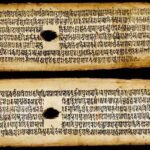
Padma Purana: Complete Guide for Students

- 1. One of the Eighteen Mahapuranas
- 2. Named After the Lotus
- 3. Devotion to Lord Vishnu
- 4. Mentions Sacred Pilgrimage Sites
- 5. Teaches Moral Values
- 6. Encourages Environmental Respect
- 7. Explains Festivals
- 8. Ancient Knowledge
- 9. Inspires Spiritual Growth
- 10. Continues to Influence Society
- Practice Honesty
- Help Others
- Respect Nature
- Stay Humble
- Value Family
- Be Compassionate
- Live with Discipline
- 1. What is the Padma Purana?
- 2. Who wrote the Padma Purana?
- 3. Why is it called Padma Purana?
- 4. Which deity is mainly praised?
- 5. How many chapters does it contain?
- 6. Why is it important?
- 7. Can students read it?
- 8. Is it still relevant today?


Introduction
The Padma Purana is one of the eighteen Mahapuranas in Hinduism and is considered among the most respected sacred texts in Indian literature. It is filled with inspiring stories, spiritual teachings, moral values, historical traditions, and guidance for leading a meaningful life.
Named after the lotus (Padma), the scripture symbolizes purity, wisdom, and divine creation. It contains thousands of verses covering topics like devotion to Lord Vishnu, creation of the universe, pilgrimage sites, righteous living, festivals, charity, and ethical conduct.
For students, the Padma Purana is not just a religious book—it is a treasure of culture, philosophy, history, and timeless wisdom that continues to inspire millions around the world.
History of the Padma Purana
The Padma Purana is believed to have been composed over several centuries between approximately the 4th and 15th centuries CE, with different sections added over time.
Traditionally, it is believed that the great sage Vedavyasa compiled the Puranas, including the Padma Purana. Like many ancient Hindu scriptures, it was first transmitted orally before being written down.
The text primarily glorifies Lord Vishnu while also respecting Lord Shiva, Goddess Lakshmi, and many other deities. It explains the importance of devotion (Bhakti), good conduct, truthfulness, compassion, and service to humanity.
Today, the Padma Purana remains one of the most studied Hindu scriptures in temples, universities, and spiritual organizations.
Timeline of the Padma Purana
| Period | Event |
|---|---|
| Ancient Tradition | Oral transmission begins |
| Around 4th Century CE | Early composition starts |
| 7th–10th Century CE | Additional chapters added |
| 11th–15th Century CE | Major revisions and expansions |
| Modern Era | Printed, translated, and digitized worldwide |
Structure of the Padma Purana
The Padma Purana is traditionally divided into several major sections (Khandas):
- Srishti Khanda
- Bhumi Khanda
- Svarga Khanda
- Patala Khanda
- Uttara Khanda
- Kriya Yoga Sara (in some versions)
Together, these sections contain approximately 50,000–55,000 verses, depending on the manuscript tradition.
Interesting Facts About the Padma Purana
1. One of the Eighteen Mahapuranas
The Padma Purana is one of Hinduism’s eighteen major Puranas.
2. Named After the Lotus
“Padma” means lotus, representing purity, wisdom, and divine beauty.
3. Devotion to Lord Vishnu
It strongly emphasizes devotion (Bhakti) toward Lord Vishnu.
4. Mentions Sacred Pilgrimage Sites
The Purana describes famous pilgrimage destinations across India.
5. Teaches Moral Values
It promotes kindness, charity, truthfulness, forgiveness, and respect.
6. Encourages Environmental Respect
Many passages encourage protecting rivers, forests, plants, and animals.
7. Explains Festivals
It discusses the significance of Ekadashi, Kartik month, and other Hindu festivals.
8. Ancient Knowledge
It preserves cultural, geographical, and religious traditions from ancient India.
9. Inspires Spiritual Growth
Readers learn self-discipline, devotion, and inner peace.
10. Continues to Influence Society
Its teachings remain relevant in modern spiritual life.
Significance of the Padma Purana
The Padma Purana holds immense spiritual and cultural significance because it:
- Encourages devotion to God.
- Promotes compassion and honesty.
- Inspires charity and helping others.
- Preserves ancient Indian heritage.
- Explains sacred places and traditions.
- Encourages peaceful living.
- Strengthens family values.
- Teaches respect for nature.
- Inspires self-improvement.
- Guides ethical decision-making.
Observance and Reading Tradition
Although the Padma Purana is not associated with one specific annual festival, many devotees read or recite it:
- During the holy month of Kartik
- On Ekadashi
- During temple gatherings
- At spiritual discourses
- During religious study sessions
- In family prayer meetings
Reading the scripture is believed to inspire spiritual reflection and moral living.
Importance in Daily Life
The Padma Purana teaches lessons that are useful in everyday life.
Practice Honesty
Truth builds trust and respect.
Help Others
Acts of kindness strengthen society.
Respect Nature
Protecting rivers, forests, and animals benefits everyone.
Stay Humble
Humility leads to stronger relationships.
Value Family
Respecting parents and elders creates harmony.
Be Compassionate
Kindness makes communities better.
Live with Discipline
Self-control helps achieve success.
Importance for Students
Students can learn valuable life skills such as:
- Respect
- Discipline
- Time management
- Positive thinking
- Moral values
- Responsibility
- Patience
- Wisdom
- Leadership
- Compassion
These lessons help students grow into responsible citizens.
Important Points
- One of the 18 Mahapuranas
- Dedicated mainly to Lord Vishnu
- Contains over 50,000 verses (varies by manuscript)
- Rich source of Indian culture
- Encourages ethical living
- Promotes charity
- Supports environmental awareness
- Describes pilgrimage traditions
- Highlights devotion and spirituality
- Remains relevant today
Wishing Message
“May the divine wisdom of the Padma Purana inspire your life with peace, knowledge, kindness, and devotion. May its timeless teachings guide you toward happiness, success, and a meaningful future.”
Importance to Society
The Padma Purana contributes to society by encouraging:
- Peace
- Harmony
- Charity
- Environmental conservation
- Cultural preservation
- Family values
- Religious tolerance
- Social responsibility
- Education
- Compassion
Its teachings remind people that a strong society is built on honesty, kindness, and mutual respect.
Daily Life Impacts
The teachings of the Padma Purana positively influence daily life by:
- Encouraging ethical decisions.
- Promoting respect for elders.
- Teaching gratitude.
- Inspiring volunteer service.
- Reducing anger through patience.
- Improving relationships.
- Encouraging spiritual growth.
- Promoting healthy habits of self-discipline.
- Inspiring environmental care.
- Building stronger communities.
Frequently Asked Questions (FAQs)
1. What is the Padma Purana?
The Padma Purana is one of the eighteen Mahapuranas of Hinduism containing stories, philosophy, devotion, and moral teachings.
2. Who wrote the Padma Purana?
Traditionally, it is attributed to Sage Vedavyasa, though scholars believe it developed over several centuries.
3. Why is it called Padma Purana?
It is named after the lotus (Padma), which symbolizes purity and divine creation.
4. Which deity is mainly praised?
The scripture mainly glorifies Lord Vishnu while also honoring other Hindu deities.
5. How many chapters does it contain?
The number varies depending on the manuscript tradition, but it contains approximately 50,000–55,000 verses.
6. Why is it important?
It teaches morality, devotion, charity, ethics, and cultural heritage.
7. Can students read it?
Yes. Students can learn valuable moral lessons, discipline, and cultural knowledge.
8. Is it still relevant today?
Yes. Its teachings on kindness, honesty, compassion, and responsibility remain meaningful in modern life.
Review of the Padma Purana
⭐⭐⭐⭐⭐ Rating: 4.9/5
Content Quality
Excellent coverage of spirituality, ethics, history, and philosophy.
Readability
Easy to understand when using modern translations and commentaries.
Educational Value
Highly valuable for students, researchers, and anyone interested in Indian culture and Hindu philosophy.
Best For
- Students
- Spiritual seekers
- History enthusiasts
- Researchers
- Readers interested in Indian traditions
Overall Review: The Padma Purana is a timeless scripture that blends spiritual wisdom with practical life lessons. Its stories, teachings, and cultural insights continue to educate and inspire readers across generations.
Key Takeaways
- The Padma Purana is one of Hinduism’s most important scriptures.
- It preserves ancient Indian culture, traditions, and philosophy.
- It teaches honesty, compassion, charity, and devotion.
- It highlights the importance of protecting nature and respecting all forms of life.
- Its lessons remain valuable for students, families, and society as a whole.
Conclusion
The Padma Purana is much more than an ancient religious text. It is a rich source of knowledge, moral guidance, and cultural heritage that has influenced generations for centuries. Through stories of devotion, teachings on ethical conduct, and descriptions of sacred traditions, it encourages people to lead lives rooted in compassion, truth, humility, and service.
For students, the Padma Purana offers lessons that go beyond academics, helping develop character, responsibility, and respect for others. For society, it promotes harmony, charity, environmental awareness, and the preservation of cultural values. Whether read for spiritual growth, historical understanding, or personal inspiration, its timeless wisdom continues to remain relevant in today’s world, reminding us that lasting happiness comes from good deeds, strong values, and a caring heart.