About Annamalaiyar Temple: The Ultimate Budget Travel Guide, Powerful History & Spiritual Significance
- Estimated Travel Budget
- Total Estimated Budget
- 1. Why is Annamalaiyar Temple famous?
- 2. Where is the temple located?
- 3. Which deity is worshipped here?
- 4. Is temple entry free?
- 5. What is Girivalam?
- 6. What is the best time to visit?
- 7. Is the temple suitable for students?
- 8. Can visitors take photographs?
- Overall Rating: ⭐⭐⭐⭐⭐ (4.9/5)


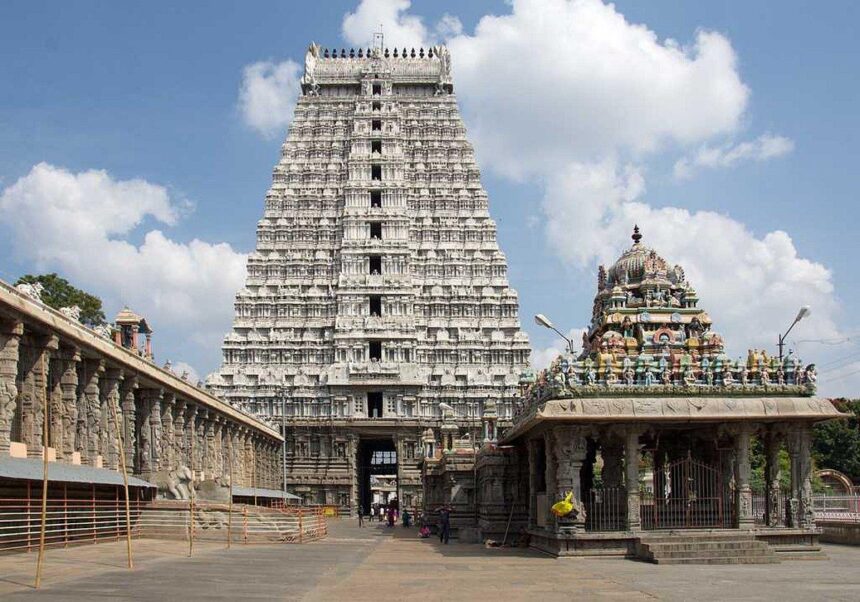
Annamalaiyar Temple, also known as the Arunachaleswarar Temple, is one of the most sacred Hindu temples dedicated to Lord Shiva. Located in Tiruvannamalai, Tamil Nadu, the temple is famous for its majestic Dravidian architecture, towering gopurams (gateway towers), rich history, and deep spiritual significance. It is also one of the Pancha Bhoota Sthalams, representing the Fire (Agni) element.
For students, this temple is much more than a religious destination. It is an open-air museum of South Indian history, architecture, engineering, literature, and culture. Whether you are preparing for school assignments, competitive exams, or planning an educational tour, this comprehensive guide explains everything in a simple and human-friendly manner.
Overview of Annamalaiyar Temple
| Feature | Details |
|---|---|
| Location | Tiruvannamalai, Tamil Nadu |
| Main Deity | Lord Annamalaiyar (Lord Shiva) |
| Goddess | Unnamulai Amman (Parvati) |
| Religion | Hinduism |
| Temple Style | Dravidian Architecture |
| Famous For | Karthigai Deepam Festival |
| Spiritual Importance | Pancha Bhoota Sthalam (Fire Element) |
| Best Time to Visit | October to March |
History of Annamalaiyar Temple


The history of Annamalaiyar Temple stretches back over a thousand years. While references to the sacred Arunachala Hill appear in ancient Hindu scriptures, the temple was expanded significantly under the Chola dynasty between the 9th and 13th centuries. Later, rulers from the Pandya, Hoysala, and Vijayanagara Empires contributed to its growth by constructing magnificent halls, towers, and temple walls.
According to Hindu tradition, Lord Shiva appeared as an endless pillar of fire to demonstrate that the Supreme Being is beyond human understanding. This divine event is believed to have taken place at Arunachala Hill, making the temple one of the holiest Shaivite pilgrimage sites in India.
The temple has survived centuries of political change while remaining an important center of worship, culture, music, and education.
Timeline of Annamalaiyar Temple
| Period | Event |
|---|---|
| Ancient Era | Arunachala Hill mentioned in sacred texts |
| 9th Century CE | Chola kings expand the temple |
| 11th–13th Century | Major construction and inscriptions |
| 14th Century | Further additions by Pandya rulers |
| 15th–16th Century | Vijayanagara Empire builds grand gopurams |
| Modern Era | Temple becomes a major pilgrimage and tourism center |
| Today | Millions visit annually for worship and festivals |
Architecture of Annamalaiyar Temple
Annamalaiyar Temple is one of the finest examples of Dravidian temple architecture.
Some architectural highlights include:
- Massive temple complex spread over approximately 25 acres.
- Four grand gateway towers (Rajagopurams).
- The eastern Rajagopuram stands about 66 meters (217 feet) tall.
- Beautiful stone mandapas (halls).
- Thousand-pillared hall.
- Intricate sculptures depicting Hindu mythology.
- Sacred temple tanks.
- Large courtyards for festivals and processions.
The temple showcases the remarkable engineering skills of ancient South Indian builders.
21 Incredible Facts About Annamalaiyar Temple
- Dedicated to Lord Shiva as Annamalaiyar.
- One of the Pancha Bhoota Sthalams.
- Represents the Fire (Agni) element.
- Located at the foot of Arunachala Hill.
- Over 1,000 years old.
- Expanded by the Chola kings.
- Later supported by Vijayanagara rulers.
- Features one of India’s tallest temple towers.
- Covers nearly 25 acres.
- Famous for the Karthigai Deepam festival.
- Millions participate in Girivalam (circumambulation).
- The temple has thousands of ancient inscriptions.
- Built mainly from granite.
- Rich collection of sculptures and carvings.
- Important Shaivite pilgrimage destination.
- Mentioned in Tamil devotional literature.
- Daily rituals have continued for centuries.
- Attracts architecture students worldwide.
- Surrounded by the scenic Arunachala Hill.
- Symbolizes divine light and spiritual awakening.
- Promotes devotion, discipline, and inner peace.
Religious Significance
Annamalaiyar Temple is among the most sacred temples dedicated to Lord Shiva.
Its spiritual importance includes:
- Representation of the Fire element.
- Symbol of divine wisdom.
- Center for Shaivism.
- Place for meditation and prayer.
- Sacred destination for Girivalam.
- Celebration of the victory of truth over ego.
Many devotees believe that worshipping here brings spiritual strength, peace, and blessings.
Importance for Students
Students can learn about:
- South Indian History
- Chola Dynasty
- Vijayanagara Empire
- Hindu Philosophy
- Temple Architecture
- Ancient Engineering
- Sculpture
- Tamil Literature
- Cultural Heritage
- Tourism Management
Educational visits help students connect textbook knowledge with real-life heritage.
Budget Travel Guide for Students
Estimated Travel Budget
| Expense | Approximate Cost |
|---|---|
| Train Fare | ₹250–₹800 |
| Bus Fare | ₹200–₹600 |
| Local Auto/Taxi | ₹100–₹400 |
| Budget Hotel | ₹700–₹1,500 |
| Hostel | ₹400–₹900 |
| Food | ₹200–₹500 |
| Local Sightseeing | ₹200–₹600 |
| Souvenirs | ₹100–₹500 |
Total Estimated Budget
- One-day trip: ₹1,000–₹1,800
- Two-day educational tour: ₹2,500–₹4,500
- Three-day trip: ₹4,000–₹6,500
Students traveling in groups can often reduce transportation and accommodation costs.
Entry Fees and Other Costs
| Item | Approximate Cost |
|---|---|
| Temple Entry | Free |
| Special Darshan | Optional charges may apply |
| Camera Charges | May vary |
| Guide | ₹300–₹800 |
| Parking | Depends on vehicle |
| Donations | Optional |
Best Time to Visit
The most comfortable months are:
- October
- November
- December
- January
- February
- March
The Karthigai Deepam Festival (usually November–December) is the most famous time to visit, though it is also the busiest.
Observance and Temple Etiquette
Visitors are encouraged to respect temple traditions by:
- Wearing modest clothing.
- Removing footwear before entering.
- Maintaining silence in prayer areas.
- Following queue systems.
- Respecting ongoing rituals.
- Avoiding photography where prohibited.
- Keeping the temple clean.
Importance in Our Life
The temple teaches values that remain meaningful today:
- Faith
- Patience
- Humility
- Self-discipline
- Compassion
- Gratitude
- Respect for traditions
- Inner peace
These principles help build stronger character and healthier relationships.
Daily Life Impacts
The teachings associated with Annamalaiyar Temple can inspire daily living:
- Practice honesty.
- Stay calm during challenges.
- Respect parents, teachers, and elders.
- Help those in need.
- Protect nature.
- Maintain self-discipline.
- Develop gratitude.
- Seek knowledge with humility.
These habits support both personal success and social harmony.
Importance to Society
Annamalaiyar Temple contributes to society by:
- Preserving India’s cultural heritage.
- Supporting local employment through tourism.
- Encouraging traditional arts and music.
- Promoting religious harmony.
- Inspiring heritage conservation.
- Boosting the local economy.
- Preserving ancient inscriptions and architecture.
- Encouraging volunteer service during festivals.
Important Points for Students
- Located in Tiruvannamalai, Tamil Nadu.
- Dedicated to Lord Shiva.
- Represents the Fire element.
- One of the Pancha Bhoota Sthalams.
- Famous for Karthigai Deepam.
- Expanded by Chola kings.
- Features one of India’s tallest temple towers.
- Important pilgrimage destination.
- Rich in history and architecture.
- Ideal for educational tours.
Frequently Asked Questions (FAQs)
1. Why is Annamalaiyar Temple famous?
It is famous for its association with Lord Shiva, the Fire element, magnificent Dravidian architecture, and the Karthigai Deepam festival.
2. Where is the temple located?
In Tiruvannamalai, Tamil Nadu.
3. Which deity is worshipped here?
Lord Annamalaiyar (Lord Shiva) and Goddess Unnamulai Amman.
4. Is temple entry free?
Yes, general entry is free.
5. What is Girivalam?
Girivalam is the sacred practice of walking around Arunachala Hill, especially during the full moon.
6. What is the best time to visit?
October to March.
7. Is the temple suitable for students?
Yes. It offers valuable learning in history, architecture, religion, and culture.
8. Can visitors take photographs?
Photography policies vary depending on the area of the temple.
Visitor Review
Overall Rating: ⭐⭐⭐⭐⭐ (4.9/5)
| Category | Rating |
|---|---|
| Spiritual Experience | ⭐⭐⭐⭐⭐ |
| Architecture | ⭐⭐⭐⭐⭐ |
| Historical Value | ⭐⭐⭐⭐⭐ |
| Educational Value | ⭐⭐⭐⭐⭐ |
| Cleanliness | ⭐⭐⭐⭐☆ |
| Budget Friendliness | ⭐⭐⭐⭐☆ |
| Accessibility | ⭐⭐⭐⭐☆ |
Honest Review
Annamalaiyar Temple offers an unforgettable blend of spirituality, history, and architecture. The towering gopurams, beautifully carved halls, and the backdrop of Arunachala Hill create a peaceful and inspiring atmosphere. Students will especially appreciate the opportunity to learn about South Indian dynasties, temple engineering, and cultural traditions. Visiting during Karthigai Deepam provides a unique experience, though travelers should be prepared for large crowds.
Wishing Messages
- May Lord Annamalaiyar bless you with peace, wisdom, and success.
- Wishing you strength, happiness, and spiritual growth.
- May the divine light of Arunachala guide your path toward knowledge and compassion.
- May your family be blessed with health, prosperity, and harmony.
Why Students Should Visit Annamalaiyar Temple
A visit to Annamalaiyar Temple allows students to:
- Explore one of India’s greatest temple complexes.
- Understand Dravidian architecture firsthand.
- Learn about the Chola and Vijayanagara dynasties.
- Experience living cultural traditions.
- Develop appreciation for India’s rich heritage.
- Gain inspiration from values of discipline, humility, and devotion.
Conclusion
Annamalaiyar Temple is not only one of the most sacred temples dedicated to Lord Shiva but also a remarkable symbol of India’s architectural brilliance and spiritual heritage. Its centuries-old history, magnificent Dravidian design, and vibrant festivals make it an exceptional destination for pilgrims, tourists, researchers, and students alike.
For students, the temple serves as a living classroom where history, engineering, art, literature, religion, and culture come together. Affordable travel options make it suitable for educational tours, while its timeless teachings of humility, patience, compassion, and self-discipline remain valuable in everyday life.
Whether you visit for worship, learning, photography, or cultural exploration, Annamalaiyar Temple offers an enriching experience that deepens appreciation for India’s traditions and encourages values that positively influence both individuals and society.