Diwali 2026: 11 Powerful and Inspiring Reasons Why the Festival of Lights Brings Happiness, Hope and Prosperity into Our Lives
Introduction: What Is Diwali and Why Is It Celebrated?
India is a land of festivals, traditions, colours and celebrations. Every festival carries a unique message, connects people with their cultural roots and creates beautiful memories with family and friends. Among all these celebrations, Diwali, also known as Deepavali, is one of the most popular and widely celebrated festivals in India.
- Introduction: What Is Diwali and Why Is It Celebrated?
- 1. What Is Diwali? Meaning and Definition
- 2. History of Diwali: Where Did the Festival of Lights Begin?
- 2.1 Lord Rama’s Return to Ayodhya
- 2.2 Goddess Lakshmi and Diwali
- 2.3 Lord Krishna and the Defeat of Narakasura
- 2.4 Diwali in Jainism
- 2.5 Diwali in Sikhism
- 3. When Is Diwali Celebrated in 2026?
- 4. Five-Day Diwali Timeline: Complete Festival Observance
- Day 1: Dhanteras – 6 November 2026
- Day 2: Naraka Chaturdashi (Chhoti Diwali) – 7 November 2026
- Day 3: Main Diwali and Lakshmi Puja – 8 November 2026
- Day 4: Govardhan Puja – 9 or 10 November 2026
- Day 5: Bhai Dooj – 11 November 2026
- 5. Major Traditions and Rituals of Diwali
- Lighting Diyas
- Rangoli Decoration
- Lakshmi and Ganesha Puja
- Exchanging Gifts and Sweets
- Wearing New Clothes
- Cleaning and Decorating Homes
- 6. Interesting Facts About Diwali
- 7. Why Is Diwali Important in Our Daily Lives?
- 8. Diwali and Its Importance in Indian Society
- A. Strengthening Family Bonds
- B. Promoting Social Harmony
- C. Supporting Small Businesses
- D. Preserving Indian Heritage
- E. Encouraging Charity and Generosity
- F. Promoting Tourism
- 9. Environmental Impact of Diwali: Celebrate Responsibly
- 10. Diwali Wishes, Greetings and Messages for 2026
- 15 Best Diwali Wishes in English
- 15 Beautiful Diwali Wishes in Hindi
- Short Diwali Captions for Instagram and Facebook
- 11. Frequently Asked Questions (FAQs) About Diwali
- 12. Diwali Review: Why Is the Festival of Lights So Special?
- 13. Important Lessons We Can Learn from Diwali
- 14. Conclusion: Diwali Is More Than a Festival; It Is a Message of Hope and Humanity
- 15. References and Further Reading
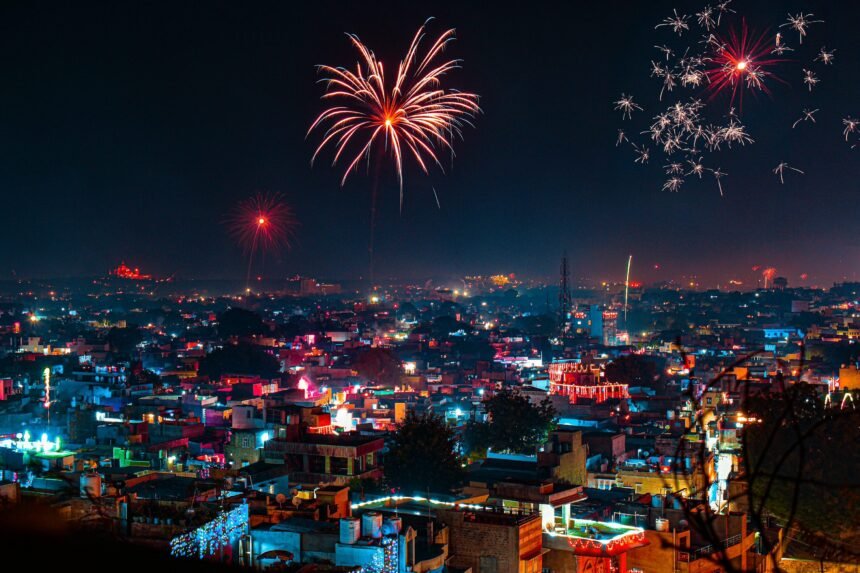
Known as the Festival of Lights, Diwali represents the victory of good over evil, light over darkness and knowledge over ignorance. It is a time when homes, streets, temples, markets and public places glow with beautiful decorations, colourful lights and traditional earthen lamps called diyas.
But Diwali is much more than lighting lamps, buying new clothes, exchanging gifts and enjoying sweets. It carries a deeper spiritual, cultural and social meaning.
For millions of Hindus, Diwali commemorates the return of Lord Rama, Goddess Sita and Lakshmana to Ayodhya after fourteen years of exile and Lord Rama’s victory over Ravana. In many traditions, people also worship Goddess Lakshmi, the deity associated with wealth, prosperity and good fortune, along with Lord Ganesha.
Diwali is also significant in Jainism, Sikhism and other Indian religious and cultural traditions, although the stories and reasons for celebration differ.
For children, Diwali means happiness, sweets, holidays and new clothes. For parents, it is an opportunity to bring the family together. For business owners, it represents an important festive season. For society, it is a reminder to spread kindness, unity, generosity and positivity.
In this article, we will explore everything about Diwali, including its history, religious significance, five-day timeline, traditions, interesting facts, wishes, FAQs and its importance in our daily lives.
1. What Is Diwali? Meaning and Definition
The word Diwali comes from the Sanskrit word Deepavali, which means a row or series of lamps.
Deepa means lamp or light.
Avali means a row or series.
Therefore, Deepavali literally means a row of lights.
Diwali is traditionally celebrated during the Hindu lunar month of Kartika, usually in October or November. Its central celebration takes place on Amavasya, the new moon day.
During the festival, people decorate their homes with diyas, candles, electric lights, flowers and rangoli. Families perform prayers, prepare traditional dishes, exchange gifts and visit relatives.
The festival teaches us some important life lessons:
Goodness should always be stronger than evil.
Knowledge can overcome ignorance.
Hope can help us overcome difficult situations.
Family relationships should be respected and strengthened.
Wealth should be used responsibly.
Happiness becomes more meaningful when shared with others.
Diwali is ultimately a celebration of light, hope, love, prosperity and humanity.
2. History of Diwali: Where Did the Festival of Lights Begin?
Diwali has a long and diverse history rooted in ancient Indian religious, literary and cultural traditions. Its exact historical origin is not associated with one single event or one universally accepted explanation.
Different communities celebrate Diwali for different religious and historical reasons.
2.1 Lord Rama’s Return to Ayodhya
One of the most popular stories associated with Diwali comes from the Hindu epic Ramayana.
According to the traditional Ramayana narrative, Lord Rama, Goddess Sita and Lakshmana returned to Ayodhya after completing fourteen years of exile.
During this period, Lord Rama defeated Ravana, the king of Lanka, who had abducted Goddess Sita.
The people of Ayodhya were extremely happy when their beloved prince returned home. According to the popular tradition, they illuminated their homes and streets with rows of oil lamps to welcome Rama, Sita and Lakshmana.
This story is one of the major reasons Diwali is associated with the victory of good over evil.
It also gives us an important message: no matter how difficult life becomes, truth, courage and righteousness should never be abandoned.
2.2 Goddess Lakshmi and Diwali
Another important tradition connects Diwali with Goddess Lakshmi, who represents wealth, prosperity, abundance and good fortune.
According to Hindu mythology, Goddess Lakshmi emerged during the Samudra Manthan, the churning of the cosmic ocean.
On Diwali night, many Hindu families perform Lakshmi Puja and worship Lord Ganesha.
People pray for financial stability, wisdom, success, peace and prosperity.
The deeper lesson is that prosperity should be accompanied by wisdom, honesty, responsibility and generosity.
2.3 Lord Krishna and the Defeat of Narakasura
In several Hindu traditions, the day before Diwali, known as Naraka Chaturdashi, is associated with Lord Krishna’s victory over the demon Narakasura.
According to the popular story, Krishna defeated Narakasura and freed those who had been held captive.
The event symbolises the destruction of evil, injustice and oppression.
This story is especially important in parts of southern and western India.
2.4 Diwali in Jainism
Diwali also holds special importance in Jainism.
Jain traditions associate the festival with the nirvana or liberation of Lord Mahavira, the twenty-fourth Tirthankara.
His attainment of liberation is traditionally commemorated on the night of Diwali.
For Jain followers, the festival is an occasion to remember his teachings about non-violence, truth, self-discipline and spiritual liberation.
2.5 Diwali in Sikhism
In Sikh history, Diwali coincides with the observance of Bandi Chhor Divas.
This occasion commemorates the release of Guru Hargobind Sahib Ji from imprisonment at Gwalior Fort, along with other political prisoners, according to Sikh tradition.
The occasion represents freedom, justice and compassion.
These different traditions demonstrate how Diwali has developed into a festival with multiple religious, historical and cultural meanings.
3. When Is Diwali Celebrated in 2026?
Diwali is celebrated on the Amavasya Tithi of the Hindu month of Kartika.
The festival generally falls in October or November according to the Gregorian calendar.
Diwali 2026 – Important Date
8 November 2026
Sunday · Lakshmi Puja / Main Diwali celebration
The five-day Diwali festival is traditionally observed from Dhanteras to Bhai Dooj.
Confirm local Panchang tithi and Lakshmi Puja Muhurat for your city before performing the rituals.
4. Five-Day Diwali Timeline: Complete Festival Observance
Diwali is traditionally celebrated through five major festival observances. Each day has its own religious importance, rituals and message.
Day 1: Dhanteras – 6 November 2026
Dhanteras marks the beginning of the main Diwali celebrations.
The name is associated with wealth and prosperity. It is also known as Dhantrayodashi.
On this day, families clean and decorate their homes. Many people purchase gold, silver, utensils or useful household items as symbols of good fortune.
Dhanteras is also associated with Lord Dhanvantari, who is traditionally regarded as the divine physician and connected with Ayurveda.
Significance: Dhanteras reminds us that wealth and prosperity are valuable, but good health is equally important.
Day 2: Naraka Chaturdashi (Chhoti Diwali) – 7 November 2026
Naraka Chaturdashi is also known as Chhoti Diwali.
According to Hindu mythology, this day commemorates Lord Krishna’s victory over Narakasura.
People traditionally take an early morning bath, clean their homes and light lamps.
In some regions, the observance is closely connected with Kali Chaudas and other local traditions.
Significance: This day symbolises the destruction of evil, negativity, arrogance and injustice.
Day 3: Main Diwali and Lakshmi Puja – 8 November 2026
This is the main Diwali celebration.
Families decorate their homes with diyas, candles, flowers, rangoli and colourful lights.
In the evening, people perform Lakshmi Puja and worship Lord Ganesha. Devotees pray for wisdom, financial stability, happiness and prosperity.
After the prayers, families exchange sweets and gifts, visit friends and relatives, and enjoy festive meals.
Significance: Main Diwali represents the victory of light over darkness and good over evil.
Day 4: Govardhan Puja – 9 or 10 November 2026
Govardhan Puja is associated with Lord Krishna and the story of Govardhan Hill.
According to the Bhagavata Purana tradition, Lord Krishna lifted Govardhan Hill to protect the people of Vrindavan from heavy rainfall.
The festival reminds us of the importance of nature, humility, gratitude and devotion.
Many temples organise Annakut, meaning a mountain of food offerings, which is later distributed as prasad.
Significance: Govardhan Puja teaches us to respect nature and appreciate the resources that support our lives.
Date note: Govardhan Puja is listed as 9 November in the Government of India’s holiday calendar, while some 2026 Panchang calendars place it on 10 November because of tithi-based observance. Follow your local Panchang and family tradition.
Day 5: Bhai Dooj – 11 November 2026
Bhai Dooj celebrates the beautiful relationship between brothers and sisters.
On this day, sisters apply tilak to their brothers, pray for their long and happy lives, and often prepare special meals.
Brothers express their love and affection by giving gifts and promising to support their sisters.
The festival is also known by different regional names, including Bhai Phonta in Bengal and Bhau Beej in parts of western India.
Significance: Bhai Dooj celebrates sibling love, mutual respect, family relationships and lifelong emotional support.
5. Major Traditions and Rituals of Diwali
Diwali is a festival of beautiful customs. Although traditions differ from one region to another, several practices are widely followed.
Lighting Diyas
Lighting diyas is one of the most recognisable Diwali traditions.
People place earthen lamps near doors, windows, balconies, temples and courtyards.
The light symbolises hope, wisdom, goodness and the removal of darkness.
Rangoli Decoration
Rangoli is a traditional decorative art created using coloured powders, flowers, rice and other materials.
Families create beautiful designs at their entrances to welcome guests and symbolise auspiciousness.
Lakshmi and Ganesha Puja
Lakshmi Puja is one of the central rituals of Diwali.
Goddess Lakshmi is worshipped for prosperity and good fortune, while Lord Ganesha is worshipped for wisdom and the removal of obstacles.
Families offer flowers, sweets, fruits and prayers.
Exchanging Gifts and Sweets
Diwali is a wonderful time to express affection.
People exchange sweets, dry fruits, clothes, decorative items and thoughtful gifts.
Sharing food and gifts strengthens relationships and spreads happiness.
Wearing New Clothes
Many families follow the tradition of wearing new or special clothes during Diwali.
It represents celebration, freshness and a new beginning.
Cleaning and Decorating Homes
Before Diwali, families clean their homes, organise belongings and decorate their surroundings.
This tradition also provides an opportunity to donate unused items and help people in need.
6. Interesting Facts About Diwali
Here are 15 interesting facts about Diwali that students, children and general readers should know.
Festival of Lights: Diwali is popularly known as the Festival of Lights.
Sanskrit origin: Deepavali means a row of lamps.
Lunar calendar: The main Hindu Diwali celebration takes place on Kartika Amavasya.
Five-day festival: Its major observances traditionally extend from Dhanteras to Bhai Dooj.
Lord Rama: The return of Lord Rama to Ayodhya is one of its most popular stories.
Goddess Lakshmi: Lakshmi Puja is an important Diwali ritual.
Jain significance: Jains commemorate the nirvana of Lord Mahavira on Diwali.
Sikh significance: Sikhs observe Bandi Chhor Divas around the same time.
Global celebration: Diwali is celebrated by Indian communities across the world.
Traditional sweets: Laddoo, barfi, kaju katli and other sweets are popular festive foods.
Rangoli: Colourful rangoli designs are used to decorate homes.
Business traditions: Many business communities perform account-book worship and begin new financial records around Diwali.
Regional diversity: Different Indian states have their own customs and religious interpretations.
New beginnings: The festival is associated with hope, prosperity and renewal.
Environmental awareness: Eco-friendly lamps and low-pollution celebrations can help make Diwali more sustainable.
7. Why Is Diwali Important in Our Daily Lives?
Diwali is celebrated for a few days, but its lessons can influence our behaviour throughout the year.
Here are some important ways in which the festival connects with everyday life.
1. Positive thinking: Just as a small diya removes darkness from a room, positive thoughts can help us face challenging situations.
2. Family relationships: Diwali encourages us to spend quality time with parents, grandparents, children and relatives.
3. Financial responsibility: The festival reminds us to manage money wisely, save responsibly and share with people who need support.
4. Cleanliness and organisation: Cleaning homes before Diwali inspires us to maintain a healthy and organised environment.
5. Forgiveness: Festivals provide an opportunity to resolve misunderstandings and rebuild relationships.
6. Kindness: Sharing sweets, food and gifts teaches us the value of generosity.
7. Self-improvement: Diwali can inspire us to leave behind harmful habits and begin positive changes.
8. Respect for culture: Celebrating traditions helps younger generations understand their history and heritage.
For students, Diwali also offers lessons about discipline, cultural diversity, history, creativity and social responsibility.
8. Diwali and Its Importance in Indian Society
Diwali has a significant influence on Indian society. It is not just a religious celebration; it is also a major cultural, social and economic occasion.
A. Strengthening Family Bonds
During Diwali, many people travel to their hometowns to celebrate with their families.
It creates opportunities for family gatherings, shared meals and emotional connections.
B. Promoting Social Harmony
People exchange sweets, visit neighbours and participate in community celebrations.
These activities encourage friendship and cooperation among different communities.
C. Supporting Small Businesses
Diwali is one of India’s most important shopping seasons.
It creates business opportunities for:
Local sweet shops.
Potters and diya makers.
Flower sellers.
Clothing businesses.
Gift shops.
Artisans and handicraft makers.
Electronic and decoration retailers.
Small manufacturers and traders.
Buying locally made products can help support small businesses and traditional artisans.
D. Preserving Indian Heritage
Traditional diyas, rangoli, folk songs, sweets, regional customs and religious stories are passed from one generation to another.
E. Encouraging Charity and Generosity
Many families donate clothes, food, money and essential supplies during the festival.
Helping disadvantaged people makes the celebration more meaningful.
F. Promoting Tourism
Diwali attracts visitors to many Indian destinations, including Ayodhya, Varanasi, Jaipur and other culturally significant cities.
The illuminated temples, traditional markets and festive events create important tourism opportunities.
9. Environmental Impact of Diwali: Celebrate Responsibly
Diwali is a celebration of light and happiness, but some modern celebrations create environmental challenges.
Firecrackers can contribute to air pollution, noise pollution and waste. They may also affect children, older adults, animals and people with respiratory sensitivities.
We can celebrate Diwali more responsibly by following these practices:
Prefer traditional clay diyas and reusable decorations.
Avoid excessive firecrackers.
Do not burn waste or plastic.
Use flowers and natural materials for rangoli.
Keep public spaces and streets clean.
Support local artisans and small businesses.
Be considerate of pets, elderly people and young children.
Avoid unnecessary electricity consumption.
Remember: The true purpose of Diwali is to spread light and happiness, not pollution and suffering.
10. Diwali Wishes, Greetings and Messages for 2026
Diwali is an ideal occasion to express love, respect, gratitude and good wishes. Sending greetings to family members, friends, colleagues and relatives makes the festival even more special.
Here are some beautiful Diwali wishes that you can share on WhatsApp, Facebook, Instagram and other social media platforms.
15 Best Diwali Wishes in English
1. May this Diwali bring happiness, prosperity, good health and endless success into your life. Happy Diwali 2026!
2. May the beautiful light of Diwali remove darkness from your life and fill your heart with hope and positivity.
3. Wishing you and your family a joyful Diwali filled with love, peace, prosperity and unforgettable memories.
4. May Goddess Lakshmi bless your home with abundance and Lord Ganesha guide you towards success.
5. Let every diya you light bring a new reason to smile. Happy Deepavali!
6. May your dreams shine brighter than the stars and your future be filled with endless opportunities.
7. This Diwali, spread kindness, share happiness and make someone’s life brighter.
8. May the festival of lights bring new beginnings, stronger relationships and beautiful memories.
9. Wishing you a wonderful Diwali filled with sweet moments and positive energy.
10. May your home always remain filled with laughter, love and prosperity.
11. Let us celebrate the victory of goodness and truth over negativity and injustice.
12. May this Diwali inspire you to achieve your goals and become a better version of yourself.
13. May every day of your life shine with happiness, just like the lights of Diwali.
14. Wishing you success in your career, happiness in your family and peace in your heart.
15. Happy Diwali! May the blessings of this beautiful festival remain with you throughout the year.
15 Beautiful Diwali Wishes in Hindi
1. दीपावली के इस पावन पर्व पर आपके जीवन में सुख, शांति, समृद्धि और खुशियों का आगमन हो। शुभ दीपावली!
2. माँ लक्ष्मी और भगवान गणेश की कृपा आप सभी पर सदैव बनी रहे।
3. दीपों की रोशनी आपके जीवन से हर अंधकार दूर करे। दीपावली की हार्दिक शुभकामनाएँ!
4. यह दीपावली आपके जीवन में नई उम्मीदें, नए सपने और नई सफलताएँ लेकर आए।
5. आपका घर खुशियों से भरा रहे और परिवार में हमेशा प्रेम और एकता बनी रहे।
6. हर दीपक आपके जीवन में सफलता और सकारात्मकता का नया प्रकाश लेकर आए।
7. बुराई पर अच्छाई और अंधकार पर प्रकाश की विजय का यह पर्व आपके जीवन को सुंदर बनाए।
8. इस दीपावली पर आपके सभी सपने पूरे हों और हर कदम पर सफलता मिले।
9. माँ लक्ष्मी आपके घर में सुख-समृद्धि और भगवान गणेश बुद्धि एवं विवेक प्रदान करें।
10. प्रेम, विश्वास और खुशियों के साथ मनाएँ दीपावली का यह पावन त्योहार।
11. दीपावली का प्रकाश आपके जीवन को नई दिशा और नई पहचान दे।
12. आपके जीवन में खुशियों के दीप हमेशा जलते रहें। शुभ दीपावली!
13. आइए, इस दीपावली पर जरूरतमंदों की मदद करके सच्ची खुशियाँ बाँटें।
14. हर सुबह नई उम्मीद और हर शाम नई खुशियाँ लेकर आए।
15. आप सभी को दीपावली और दीपोत्सव की हार्दिक मंगलकामनाएँ!
Short Diwali Captions for Instagram and Facebook
Light up your life with happiness. Happy Diwali!
Festival of Lights, Festival of Hope.
Let goodness shine brighter.
Celebrate happiness, spread kindness.
शुभ दीपावली! जय श्री राम!
May your life shine like a thousand diyas.
Choose happiness, spread positivity.
A festival of love, light and togetherness.
11. Frequently Asked Questions (FAQs) About Diwali
Q1. What is Diwali?
Diwali, also called Deepavali, is a major Indian festival known as the Festival of Lights. It celebrates the victory of good over evil, light over darkness and knowledge over ignorance.
Q2. When is Diwali in 2026?
Diwali 2026 will be celebrated on Sunday, 8 November 2026, according to the main Lakshmi Puja observance.
Q3. Why is Diwali celebrated?
Diwali is celebrated for several religious and cultural reasons. One of the most popular Hindu traditions commemorates Lord Rama’s return to Ayodhya after fourteen years of exile and his victory over Ravana.
Q4. What is the meaning of Deepavali?
Deepavali is a Sanskrit-derived word meaning a row or series of lamps.
Q5. Who is worshipped on Diwali?
Goddess Lakshmi and Lord Ganesha are traditionally worshipped during the main Diwali evening in many Hindu households.
Q6. How many days is Diwali celebrated?
Diwali is traditionally celebrated through five major observances: Dhanteras, Naraka Chaturdashi, Diwali, Govardhan Puja and Bhai Dooj. Their calendar dates can vary according to regional Panchang traditions.
Q7. Why do people light diyas on Diwali?
Diyas symbolise light, knowledge, hope, purity and the victory of goodness over darkness.
Q8. What is the religious significance of Diwali in Jainism?
Jains commemorate the nirvana of Lord Mahavira, the twenty-fourth Tirthankara, which is traditionally associated with Diwali.
Q9. What is Bandi Chhor Divas?
Bandi Chhor Divas is a Sikh observance commemorating Guru Hargobind Sahib Ji’s release from imprisonment along with other prisoners.
Q10. Why is Diwali important for businesses?
Diwali is an important commercial season in India. It encourages shopping, gifting, business activities and support for local markets.
Q11. What foods are popular during Diwali?
Popular festive foods include laddoo, kaju katli, gulab jamun, barfi, chakli, namak para and various regional sweets and savoury snacks.
Q12. What is the importance of rangoli during Diwali?
Rangoli is a traditional decorative art associated with auspiciousness, creativity and welcoming guests.
Q13. Is Diwali celebrated outside India?
Yes. Diwali is celebrated by Indian communities and other followers of its religious traditions in many countries, including Nepal, Singapore, Malaysia, Mauritius, the United Kingdom and the United States.
Q14. What is the difference between Diwali and Deepavali?
Both names refer to the same festival. Deepavali is the traditional Sanskrit-derived form, while Diwali is the commonly used shortened name.
Q15. What is the main message of Diwali?
The main message is that goodness, truth, knowledge, kindness and hope can overcome darkness, ignorance and negativity.
12. Diwali Review: Why Is the Festival of Lights So Special?
Festival: Diwali / Deepavali
Main religious observance: Lakshmi Puja
Main date in 2026: 8 November 2026
Duration: Five major festival observances
Major religious associations: Hinduism, Jainism and Sikhism, with different traditions and meanings.
Main symbols: Diyas, rangoli, flowers, lights and traditional decorations.
Popular foods: Laddoo, barfi, kaju katli, chakli and other regional delicacies.
Cultural importance: Extremely high across India and among Indian communities worldwide.
Our Review
Diwali is one of the most beautiful and meaningful festivals in Indian culture. Its importance goes beyond decorations, shopping, sweets and fireworks.
The festival provides an opportunity for people to reconnect with their families, remember their traditions, support small businesses and share happiness with others.
Its different religious narratives also make Diwali an interesting example of India’s cultural and spiritual diversity.
The most powerful lesson is its universal message: darkness cannot defeat light, negativity should not overcome goodness, and difficult situations should never destroy hope.
A more meaningful Diwali is one in which we celebrate responsibly, help disadvantaged people and protect the environment.
Overall verdict: Diwali is a beautiful celebration of faith, family, prosperity, culture and humanity. It deserves to be celebrated with joy, kindness and responsibility.
13. Important Lessons We Can Learn from Diwali
Diwali gives us several lessons that are useful for children, students, parents, professionals and society.
| Diwali value | Lesson for everyday life |
|---|---|
| Light | Choose knowledge over ignorance |
| Goodness | Always support truth and justice |
| Hope | Never give up during difficult times |
| Lakshmi Puja | Value prosperity and financial responsibility |
| Ganesha Puja | Develop wisdom before taking decisions |
| Family gatherings | Respect relationships |
| Charity | Help people who need support |
| Cleanliness | Maintain a healthy environment |
| Celebration | Share happiness with everyone |
| Tradition | Preserve cultural heritage |
These values remind us that the real celebration of Diwali begins when we bring positive changes into our own behaviour.
14. Conclusion: Diwali Is More Than a Festival; It Is a Message of Hope and Humanity
Diwali is one of India’s most cherished festivals, bringing together religion, culture, family relationships, economic activities and social celebrations.
From the traditional story of Lord Rama’s return to Ayodhya to the worship of Goddess Lakshmi, from the Jain commemoration of Lord Mahavira’s nirvana to Sikh celebrations of Bandi Chhor Divas, Diwali carries different meanings for different communities.
Its five-day observances encourage people to celebrate prosperity, overcome negativity, strengthen family bonds and appreciate the blessings of life.
However, the true meaning of Diwali should not be limited to lighting lamps for one evening. We should try to keep the light of kindness, honesty, knowledge and humanity alive throughout the year.
Let us celebrate Diwali by helping those in need, respecting our elders, supporting local artisans, protecting nature and spreading happiness in society.
May this Diwali bring new hope to students, new opportunities to entrepreneurs, good health to families, peace to society and prosperity to every home.
May the light of goodness always shine brighter than the darkness of negativity.
Happy Diwali 2026! शुभ दीपावली!
15. References and Further Reading
For readers interested in exploring Diwali’s history, religious traditions and festival dates:
Incredible India – Diwali: A Festival of Lights and Joy – Cultural traditions and religious significance.
Press Information Bureau – Popular Legends of Deepavali – Stories and traditional associations of Diwali.
National Geographic – Explaining the History of Diwali – Historical background and cultural diversity.
India Meteorological Department – Rashtriya Panchanga – Official festival calendar.
Economic Times – Diwali 2026 Festival Calendar – Five-day observance and date information.