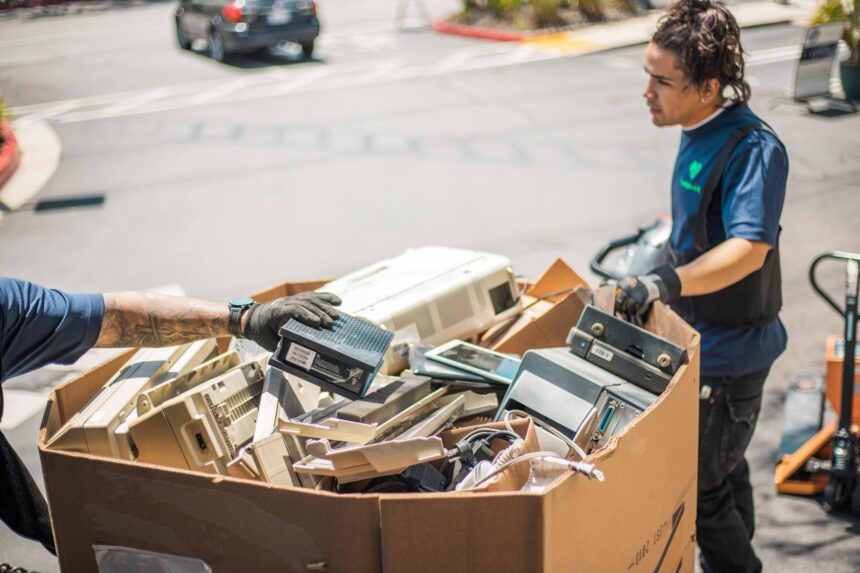
7 Urgent Truths About E-Waste Day – The Alarming & Empowering Reality
Introduction: Understanding E-Waste Day
In today’s digital world, electronic devices have become an inseparable part of human life. Smartphones, computers, televisions, refrigerators, and countless other electronic products make our lives easier, faster, and more connected. However, behind this technological progress lies a serious environmental challenge — electronic waste or e-waste.
- Introduction: Understanding E-Waste Day
- Before 2000 – Beginning of the Digital Revolution
- 2000–2010 – Rising E-Waste Concerns
- 2012–2017 – Development of Recycling Policies
- 2018 – First International E-Waste Day
- 2020–Present – Growing Global Movement
- 1. E-Waste Is Growing Rapidly
- 2. Valuable Materials Exist Inside Electronics
- 3. E-Waste Can Harm Human Health
- 4. Recycling Saves Natural Resources
- 5. Consumer Behaviour Plays a Major Role
- 1. Environmental Protection
- 2. Promoting Recycling Culture
- 3. Creating Sustainable Development
- 4. Protecting Future Generations
- 5. Encouraging Responsible Technology Use
- 1. Recycling Campaigns
- 2. Educational Programs
- 3. Social Media Awareness
- 4. Repair and Reuse Activities
- 5. Government and Industry Initiatives
- Q1. When is E-Waste Day celebrated?
- Q2. Why is E-Waste Day important?
- Q3. What is considered e-waste?
- Q4. Can electronic waste be recycled?
- Q5. How can individuals help reduce e-waste?
- Q6. Is e-waste dangerous?
- Q7. What is the main message of E-Waste Day?
- Developing Environmental Awareness
- Encouraging Responsible Consumption
- Improving Personal Responsibility
- Building Sustainable Habits
- Cleaner Environment
- Better Resource Management
- Healthier Communities
- Economic Opportunities
- Sustainable Future
E-Waste Day is an important global awareness initiative that reminds humanity about the growing problem of discarded electronic devices. It encourages people, communities, businesses, and governments to understand the importance of recycling, reusing, and responsibly managing electronic waste.
Every broken phone, outdated laptop, unused charger, or damaged electronic product has an environmental story. If these items are thrown away carelessly, they can release harmful substances into soil, water, and air. But when handled properly, e-waste can become a valuable resource containing recyclable materials like gold, copper, aluminum, and rare metals.
E-Waste Day teaches us that technology should not only improve our lives but also respect the health of our planet.
History of E-Waste Day
E-Waste Day was established to create global awareness about the increasing amount of electronic waste generated worldwide.
The day was initiated by the WEEE Forum, an international organization that works toward improving electrical and electronic waste management. The first International E-Waste Day was observed on October 14, 2018.
The main objective behind this initiative was to educate people about:
- The importance of recycling electronic products
- The environmental dangers of improper disposal
- The value of recovering useful materials from old devices
- The responsibility of consumers, manufacturers, and governments
Since its beginning, E-Waste Day has become a global movement involving environmental organizations, recycling companies, schools, industries, and communities.
Timeline of E-Waste Awareness
Before 2000 – Beginning of the Digital Revolution
The rapid growth of computers, mobile phones, and electronic devices started increasing electronic waste worldwide.
2000–2010 – Rising E-Waste Concerns
Governments and environmental organizations began recognizing e-waste as a major environmental issue.
2012–2017 – Development of Recycling Policies
Many countries introduced electronic waste management rules and recycling programs.
2018 – First International E-Waste Day
The first International E-Waste Day was celebrated on October 14 to create worldwide awareness.
2020–Present – Growing Global Movement
With increasing smartphone usage, online work, and digital transformation, awareness about responsible e-waste disposal has become more important than ever.

What Is E-Waste?
E-waste refers to discarded electrical and electronic equipment that is no longer wanted, useful, or functional.
Examples include:
- Mobile phones
- Computers and laptops
- Tablets
- Televisions
- Printers
- Batteries
- Chargers
- Kitchen appliances
- Electronic toys
- Medical electronic equipment
E-waste is one of the fastest-growing waste streams in the world because technology changes quickly and people frequently replace old devices with newer models.
Important Facts About E-Waste
1. E-Waste Is Growing Rapidly
The world produces millions of tons of electronic waste every year. The increasing demand for modern technology has accelerated this growth.
2. Valuable Materials Exist Inside Electronics
Old electronic devices contain valuable materials such as:
- Gold
- Silver
- Copper
- Aluminum
- Rare earth metals
Proper recycling allows these materials to be recovered and reused.
3. E-Waste Can Harm Human Health
Improper disposal may release toxic substances including:
- Lead
- Mercury
- Cadmium
- Chemical pollutants
These materials can affect human health and ecosystems.
4. Recycling Saves Natural Resources
Recycling electronics reduces the need for mining new raw materials and helps conserve Earth’s resources.
5. Consumer Behaviour Plays a Major Role
Individual choices, such as repairing devices instead of replacing them and donating old electronics, can make a significant difference.
Significance of E-Waste Day
E-Waste Day is significant because it connects technology with environmental responsibility.
1. Environmental Protection
The day spreads awareness about reducing pollution caused by electronic waste.
2. Promoting Recycling Culture
It encourages people to recycle electronics rather than throwing them into regular garbage.
3. Creating Sustainable Development
Responsible e-waste management supports a circular economy where materials are reused instead of wasted.
4. Protecting Future Generations
By reducing electronic pollution today, we create a cleaner and healthier world for future generations.
5. Encouraging Responsible Technology Use
E-Waste Day reminds people that technological progress must be balanced with environmental care.
How E-Waste Day Is Observed
Different communities observe E-Waste Day through various activities:
1. Recycling Campaigns
Organizations arrange collection drives where people can submit old electronic items.
2. Educational Programs
Schools and colleges conduct awareness programs about responsible electronic waste management.
3. Social Media Awareness
People share messages, facts, and environmental campaigns to educate others.
4. Repair and Reuse Activities
Communities encourage repairing old devices instead of immediately replacing them.
5. Government and Industry Initiatives
Companies and governments promote responsible recycling systems and sustainable manufacturing.
Important Points to Remember on E-Waste Day
- Do not throw electronic devices in normal household waste.
- Repair devices whenever possible.
- Donate working electronics.
- Remove personal data before recycling devices.
- Use certified recycling centers.
- Buy durable and energy-efficient products.
- Reduce unnecessary electronic consumption.
Frequently Asked Questions (FAQs) About E-Waste Day
Q1. When is E-Waste Day celebrated?
E-Waste Day is observed every year on October 14.
Q2. Why is E-Waste Day important?
It creates awareness about electronic waste pollution and encourages responsible recycling practices.
Q3. What is considered e-waste?
Any unwanted electrical or electronic equipment, such as phones, computers, appliances, and batteries, is considered e-waste.
Q4. Can electronic waste be recycled?
Yes, many components of electronic devices can be recovered and reused through proper recycling processes.
Q5. How can individuals help reduce e-waste?
People can help by repairing devices, recycling old electronics, donating usable products, and avoiding unnecessary upgrades.
Q6. Is e-waste dangerous?
Yes, improper disposal can release harmful chemicals that affect the environment and human health.
Q7. What is the main message of E-Waste Day?
The main message is: Use technology responsibly and protect the planet through proper e-waste management.
E-Waste Day Wishes and Messages
Here are some meaningful wishes:
“Happy E-Waste Day! Let us recycle responsibly today for a cleaner and greener tomorrow.”
“Every electronic device has a second life. Recycle wisely and protect our beautiful planet.”
“Technology connects humanity, but responsibility protects nature. Let us celebrate E-Waste Day by making sustainable choices.”
“Small actions like recycling one old device can create a big environmental impact.”
Importance of E-Waste Day in Our Life
E-Waste Day teaches valuable lessons about responsible living.
Developing Environmental Awareness
It helps individuals understand that everyday choices affect nature.
Encouraging Responsible Consumption
The day inspires people to purchase wisely and avoid unnecessary electronic waste.
Improving Personal Responsibility
It reminds us that environmental protection is not only the duty of governments but also individuals.
Building Sustainable Habits
Recycling, repairing, and reusing electronics can become lifelong habits.
Daily Life Impacts of E-Waste Management
Cleaner Environment
Proper disposal prevents harmful chemicals from entering nature.
Better Resource Management
Recycling helps recover valuable materials and reduces resource exploitation.
Healthier Communities
Safe recycling practices protect workers and communities from toxic exposure.
Economic Opportunities
The recycling industry creates employment opportunities and supports green businesses.
Sustainable Future
Responsible e-waste management helps create a balanced relationship between technology and nature.
Impact of E-Waste Day on Society
E-Waste Day has a powerful social impact because it encourages collective responsibility.
Environmental Responsibility
Society becomes more aware of protecting natural resources.
Better Public Awareness
People learn about the hidden dangers of electronic waste.
Support for Circular Economy
Recycling creates a system where products and materials continue to provide value.
Community Participation
Local communities become active partners in environmental protection.
Future Innovation
Awareness encourages companies to design more sustainable electronic products.
Review Section: E-Waste Day Awareness Campaign
★★★★★ (5/5)
E-Waste Day is a powerful environmental awareness initiative that highlights one of the biggest challenges of modern technology. It successfully connects human behaviour with environmental responsibility.
The strongest message of this day is that every person has a role in protecting the planet. Simple actions like recycling an old phone, repairing a device, or educating others can create meaningful change.
The campaign is especially important in today’s digital age because electronic consumption continues to grow rapidly. E-Waste Day transforms awareness into action and encourages society to adopt sustainable habits.
Conclusion
E-Waste Day is more than an awareness event; it is a reminder of humanity’s responsibility toward the Earth. Technology has improved our lives in countless ways, but it also creates challenges that require thoughtful solutions.
The future of our planet depends on how responsibly we manage our resources today. By recycling electronics, reducing unnecessary consumption, and supporting sustainable practices, we can protect the environment and create a healthier world.
Every device we recycle represents a small but meaningful step toward a cleaner future. E-Waste Day inspires us to remember that progress and environmental protection must move forward together.
“Responsible technology use today creates a sustainable tomorrow.”