

Shri Ganesh Chaturthi That Will Inspire Devotion and Fill Your Heart With Joy
Shri Ganesh Chaturthi is one of the most beloved Hindu festivals, celebrated with immense devotion, happiness, and enthusiasm across India and in many parts of the world. Dedicated to Lord Ganesha, the Hindu deity worshipped as the remover of obstacles, the god of wisdom, and the symbol of new beginnings, this festival brings families, communities, and devotees together.
Every year, millions of people welcome Lord Ganesha into their homes and public pandals with beautiful decorations, devotional songs, traditional sweets, prayers, and cultural celebrations. The festival is not simply about worshipping an idol; it is also about understanding the deeper values of wisdom, kindness, humility, discipline, and unity.
For children, students, working professionals, business owners, and families, Ganesh Chaturthi offers an opportunity to reflect on life and seek inspiration from Lord Ganesha’s teachings.
The festival reminds us that every new beginning requires courage, every challenge requires wisdom, and every success becomes meaningful when accompanied by humility.
In this detailed guide by Minorstudy, we will explore the history, significance, nine incredible facts, traditions, celebrations, timeline, wishes, frequently asked questions, and the importance of Shri Ganesh Chaturthi in our daily lives and society.
1. All About Shri Ganesh Chaturthi
Shri Ganesh Chaturthi, also known as Vinayaka Chaturthi or Ganesh Utsav, is a Hindu festival celebrating the birth of Lord Ganesha.
It is observed on the Chaturthi Tithi (fourth lunar day) of Shukla Paksha in the Hindu month of Bhadrapada, generally falling in August or September.
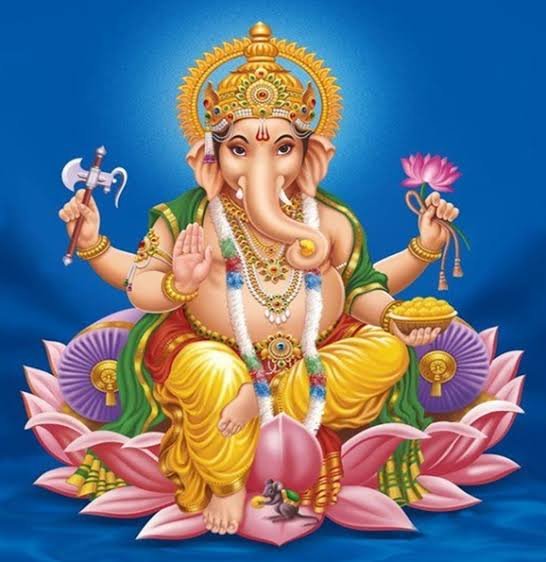
Lord Ganesha is widely recognized by his elephant head, large ears, curved trunk, and four arms. He is also known by several names, including:
Ganpati: The lord of groups and divine attendants.
Vinayaka: The supreme leader and guide.
Vighnaharta: The remover of obstacles.
Gajanan: The one with an elephant face.
Lambodara: The one with a large belly.
Ekadanta: The one with a single tusk.
Siddhivinayak: The giver of spiritual accomplishments.
Devotees believe that worshipping Lord Ganesha before beginning important activities brings blessings, wisdom, and prosperity.
The festival is celebrated with particular enthusiasm in Maharashtra, Goa, Karnataka, Gujarat, Andhra Pradesh, Telangana, Tamil Nadu, and many other regions.
2. History of Shri Ganesh Chaturthi
The history of Shri Ganesh Chaturthi is connected with ancient Hindu scriptures, religious traditions, and centuries of cultural development.
Religious and mythological history
According to popular Hindu mythology, Goddess Parvati created Ganesha from the turmeric paste or sandalwood paste used on her body. She gave him life and instructed him to guard the entrance while she bathed.
When Lord Shiva returned, Ganesha did not recognize him and prevented him from entering. This resulted in a conflict between them.
In the traditional story, Lord Shiva eventually severed Ganesha’s head. When Goddess Parvati became deeply distressed, Shiva promised to restore her son’s life.
He instructed his attendants to bring the head of the first suitable living being they encountered. They returned with an elephant’s head, which was placed on Ganesha’s body.
Lord Shiva revived him and blessed him with divine status. He also declared that Ganesha would be worshipped before other deities during important religious ceremonies.
This story explains why Lord Ganesha is associated with new beginnings, protection, and the removal of obstacles.
Historical development of public celebrations
Ganesh worship has ancient roots in Hindu religious traditions. However, the large-scale public celebration of Ganesh Utsav became particularly prominent in Maharashtra during the late nineteenth century.
Social reformer and freedom movement leader Bal Gangadhar Tilak played a major role in popularizing public Ganesh celebrations in 1893.
He encouraged people to celebrate the festival collectively rather than limiting it to private household worship.
These public celebrations became important spaces for cultural activities, social interaction, community participation, and discussions about India’s freedom movement.
Over time, Ganesh Chaturthi developed into one of India’s most recognizable cultural and religious festivals.
3. Nine Incredible Facts About Shri Ganesh Chaturthi
Here are nine fascinating facts that reveal the religious, cultural, and social importance of this beautiful festival.
Fact 1: Lord Ganesha Is Worshipped Before Beginning Important Work
Lord Ganesha is traditionally worshipped before starting important activities, including weddings, business ventures, educational journeys, and religious ceremonies.
This tradition reflects the belief that wisdom and careful preparation should come before action.
For students, it represents the importance of beginning examinations and learning journeys with confidence. For entrepreneurs, it symbolizes thoughtful planning and determination.
Fact 2: Ganesh Chaturthi Celebrates the Birth of Lord Ganesha
The festival commemorates the birth of Lord Ganesha, who is regarded as the son of Lord Shiva and Goddess Parvati.
According to traditional Hindu beliefs, Ganesha represents intelligence, knowledge, prosperity, and good fortune.
His birth celebration reminds devotees that divine wisdom can guide human beings through difficult situations.
Fact 3: Modak Is Lord Ganesha’s Favourite Sweet
Modak is one of the most popular sweets associated with Ganesh Chaturthi.
It is traditionally prepared using rice flour or wheat flour, coconut, and jaggery. Steamed modaks, particularly popular in Maharashtra, are offered to Lord Ganesha during worship.
The sweet is associated with happiness, devotion, and the sweetness of spiritual knowledge.
Many households prepare 21 modaks as part of their traditional offerings, although customs differ between families and regions.
Fact 4: Public Ganesh Utsav Became a Symbol of Unity
Public Ganesh celebrations became especially popular through the efforts of Bal Gangadhar Tilak in the nineteenth century.
People from different communities and backgrounds gathered to participate in celebrations, cultural programmes, devotional activities, and social events.
Today, Ganesh Utsav continues to encourage community participation and collective responsibility.
Fact 5: The Festival Usually Continues for Ten Days
Ganesh Chaturthi celebrations traditionally begin on Bhadrapada Shukla Chaturthi.
Many devotees keep Lord Ganesha’s idol at home for one and a half, three, five, seven, or ten days, depending on their family traditions.
The celebrations commonly conclude on Anant Chaturdashi, when many devotees perform Ganesh Visarjan.
Fact 6: Ganesh Visarjan Represents the Cycle of Life
Ganesh Visarjan is one of the most emotional moments of the festival.
After days of devotion, devotees ceremonially bid farewell to Lord Ganesha and immerse the idol in water according to their traditions.
The ritual symbolizes the temporary nature of material existence, the cycle of creation and dissolution, and the belief that the divine remains beyond physical forms.
The popular farewell expression is:
“Ganpati Bappa Morya, Pudhchya Varshi Lavkar Ya!”
It means, “O beloved Lord Ganesha, please return soon next year!”
Fact 7: Lord Ganesha Has Many Symbolic Features
Every part of Lord Ganesha’s appearance carries a traditional symbolic interpretation.
Large head: Think big and develop wisdom.
Large ears: Listen carefully before making decisions.
Small eyes: Focus on your goals.
Long trunk: Develop adaptability and strength.
Large belly: Learn to accept life’s experiences.
One broken tusk: Represents sacrifice and determination.
Mouse vehicle: Symbolizes the ability to control desires and restless thoughts.
These symbols offer valuable lessons for everyday life.
Fact 8: Ganesh Chaturthi Is Celebrated Across the World
Ganesh Chaturthi is not limited to India.
Indian communities in countries such as the United States, United Kingdom, Canada, Australia, Singapore, and other parts of the world celebrate the festival through temple prayers, cultural programmes, family gatherings, and community events.
This international celebration helps preserve Indian traditions and introduces younger generations to their cultural heritage.
Fact 9: Eco-Friendly Ganesh Celebrations Are Increasingly Important
Traditional Ganesh idols are increasingly being made using natural clay and environmentally responsible materials.
Eco-friendly celebrations encourage people to avoid harmful paints, excessive plastic decorations, and materials that can pollute water bodies.
Devotees can also choose symbolic or household immersion practices permitted by local traditions and regulations.
This teaches an important lesson: devotion to nature should accompany devotion to God.
4. Significance of Shri Ganesh Chaturthi
Ganesh Chaturthi has deep religious, spiritual, cultural, and social significance.
Religious significance: Devotees worship Lord Ganesha as Vighnaharta, the remover of obstacles, and seek his blessings for prosperity and success.
Spiritual significance: The festival encourages self-discipline, patience, faith, and the development of inner wisdom.
Educational significance: Lord Ganesha is associated with knowledge and intelligence. Students often seek his blessings before beginning their studies or examinations.
Cultural significance: Traditional music, dance, decorations, devotional songs, and community celebrations preserve India’s rich cultural heritage.
Social significance: The festival encourages people to come together, help one another, and develop stronger relationships.
Most importantly, Ganesh Chaturthi reminds us that true devotion should be reflected in our behaviour, decisions, and treatment of others.
5. How Is Ganesh Chaturthi Celebrated?
Celebrations vary according to regional and family traditions, but several practices are commonly observed.
1. Bringing Lord Ganesha Home
Families bring a Ganesh idol into their homes and prepare a beautiful place for worship.
The idol is decorated with flowers, clothes, lights, and traditional ornaments.
2. Ganesh Sthapana
The installation of the idol is known as Ganesh Sthapana or Pranapratishtha, depending on the ritual tradition.
Devotees perform prayers and invite divine blessings.
3. Daily Puja and Aarti
Families perform daily worship, offer flowers, light lamps, chant mantras, and sing devotional songs.
A popular prayer is:
“Vakratunda Mahakaya Suryakoti Samaprabha,
Nirvighnam Kuru Me Deva Sarva-Karyeshu Sarvada.”
It is a prayer seeking freedom from obstacles in all activities.
4. Offering Prasad
Devotees offer modak, ladoo, fruits, coconut, and other traditional foods.
The offerings are later distributed as prasad among family members and visitors.
5. Cultural and Community Programmes
Public pandals organize devotional singing, cultural performances, educational activities, charitable initiatives, and community gatherings.
6. Ganesh Visarjan
At the conclusion of the celebrations, devotees perform farewell prayers and ceremonially immerse the idol, following local environmental regulations and traditional practices.
6. Shri Ganesh Chaturthi Timeline
The following timeline explains the traditional sequence of Ganesh Chaturthi celebrations.
The exact duration and rituals vary by family, region, and community.
Before Ganesh Chaturthi – Preparation
Homes and pandals are cleaned and decorated. Devotees purchase or prepare Ganesh idols, flowers, sweets, and puja materials.
Day 1 – Ganesh Chaturthi
Lord Ganesha is welcomed through Sthapana and traditional worship. Devotees offer modaks, flowers, and prayers.
Days 2–4 – Daily Worship
Families continue puja, aarti, devotional singing, and prasad distribution.
Days 5–7 – Community Celebrations
Many communities organize cultural events, devotional programmes, and charitable activities. Some households perform Visarjan on these days.
Days 8–9 – Continued Devotion
Devotees continue their traditional worship and prepare for the farewell ceremony.
Day 10 – Anant Chaturdashi
Many public celebrations conclude with Ganesh Visarjan, processions, devotional songs, and farewell prayers.
7. Importance of Ganesh Chaturthi in Our Daily Life
Ganesh Chaturthi is not only a religious occasion. It also provides meaningful lessons that can improve our everyday behaviour.
Here are some important ways Lord Ganesha’s teachings can inspire our lives.
1. Importance of Education and Knowledge
Lord Ganesha represents intelligence and wisdom. His worship reminds students that education is one of the most valuable resources in life.
Students should develop curiosity, read regularly, ask questions, and continue learning even when subjects seem difficult.
2. Learning to Overcome Obstacles
Life is full of challenges. Sometimes we experience failure in examinations, business, relationships, or professional careers.
The idea of Vighnaharta inspires us to face difficulties with courage, patience, and determination rather than giving up.
3. Developing Patience and Understanding
Lord Ganesha’s large ears symbolically remind us to listen carefully.
In everyday life, listening to parents, teachers, friends, colleagues, and other people can help us understand situations more clearly.
4. Practising Humility
Despite being worshipped as a powerful deity, Ganesha’s traditional imagery and stories teach humility.
Success should never make us disrespect others. We should remain grounded, kind, and grateful.
5. Building Positive Relationships
Ganesh Chaturthi brings families, friends, and neighbours together.
Sharing food, helping with preparations, participating in celebrations, and supporting one another can strengthen relationships.
6. Respecting Nature
Eco-friendly celebrations remind us that our religious and cultural activities should not harm the environment.
Using natural decorations, avoiding single-use plastic, and choosing environmentally responsible immersion practices are meaningful ways to express care for nature.
8. Why Is Ganesh Chaturthi Important to Society?
The importance of Ganesh Chaturthi extends beyond individual religious devotion.
It contributes to society in several ways.
Promotes social unity: Public celebrations encourage people to work together and participate in community activities.
Preserves Indian culture: Traditional music, dance, art, prayers, and food help younger generations understand India’s cultural heritage.
Supports local businesses: Idol makers, flower sellers, sweet shops, decorators, artisans, transport workers, and small vendors often receive additional business during the festival.
Encourages charitable activities: Many community organizations arrange food distribution, educational assistance, medical camps, and other social welfare initiatives.
Promotes environmental awareness: Responsible celebrations encourage discussions about pollution, water conservation, and sustainable living.
Creates happiness and belonging: Festivals provide opportunities for people to meet, share experiences, and build friendships.
Ganesh Chaturthi teaches society that celebrations become more meaningful when happiness is shared with everyone.
9. Important Points to Remember About Shri Ganesh Chaturthi
Here are some important points for students, readers, and anyone preparing educational content about the festival.
Ganesh Chaturthi celebrates the birth of Lord Ganesha.
It is observed on Bhadrapada Shukla Chaturthi.
It is also called Vinayaka Chaturthi.
Lord Ganesha is worshipped as Vighnaharta.
He represents wisdom, knowledge, and new beginnings.
Modak is one of his most popular traditional offerings.
Public Ganesh Utsav was popularized by Bal Gangadhar Tilak in 1893.
Ganesh Visarjan marks the ceremonial farewell to the deity.
Anant Chaturdashi is an important concluding day for many celebrations.
Eco-friendly idols and responsible immersion help protect the environment.
10. How to Celebrate an Eco-Friendly Ganesh Chaturthi
Modern celebrations should combine devotion with environmental responsibility.
Consider these simple practices:
Choose natural clay idols instead of idols made from materials that may pollute water.
Prefer natural and non-toxic colours.
Avoid plastic decorations and disposable materials.
Use reusable flowers and cloth decorations.
Reduce unnecessary noise and follow local sound regulations.
Avoid throwing flowers, plastic, and puja waste into rivers and lakes.
Follow local guidelines for immersion, including designated artificial immersion tanks where available.
Participate in cleanliness and tree-plantation initiatives.
The purpose is not to reduce the joy of celebration but to make it safer and more responsible for future generations.
11. Shri Ganesh Chaturthi Wishes, Messages and Blessings
Ganesh Chaturthi is a beautiful opportunity to share happiness, love, positivity, and blessings with family members, friends, teachers, colleagues, and loved ones.
Here are some wishes that you can share through WhatsApp, Facebook, Instagram, or other social media platforms.
1. Traditional Ganesh Chaturthi Wish
May Lord Ganesha remove every obstacle from your life and bless you with happiness, prosperity, wisdom, and good health. Happy Ganesh Chaturthi!
2. Devotional Message
May the divine blessings of Ganpati Bappa bring peace to your home, strength to your heart, and success to your every effort.
3. For Students
May Lord Ganesha bless every student with knowledge, concentration, confidence, and the courage to achieve their dreams. Happy Ganesh Chaturthi!
4. For Family and Friends
May this beautiful festival fill your family with love, your home with laughter, and your life with countless blessings. Ganpati Bappa Morya!
5. Inspirational Wish
May Lord Ganesha teach us to think wisely, act kindly, remain humble, and never lose hope during difficult times.
6. Short Social Media Wish
Celebrate wisdom, welcome positivity, and spread happiness. Wishing everyone a joyful and blessed Ganesh Chaturthi!
Popular Ganesh Chaturthi Greetings
Ganpati Bappa Morya!
Mangal Murti Morya!
Happy Ganesh Chaturthi!
Shubh Ganesh Chaturthi!
Ganpati Bappa Morya, Pudhchya Varshi Lavkar Ya!
12. Frequently Asked Questions (FAQs) About Shri Ganesh Chaturthi
Q1. What is Shri Ganesh Chaturthi?
Shri Ganesh Chaturthi is a Hindu festival celebrating the birth of Lord Ganesha, the deity associated with wisdom, prosperity, good fortune, and the removal of obstacles.
Q2. When is Ganesh Chaturthi celebrated?
It is celebrated on the fourth day of Shukla Paksha in the Hindu month of Bhadrapada, usually during August or September.
Q3. Why is Lord Ganesha called Vighnaharta?
Vighnaharta means the remover of obstacles. Devotees worship Lord Ganesha and seek his blessings to overcome difficulties and begin important activities successfully.
Q4. What is another name for Ganesh Chaturthi?
It is also known as Vinayaka Chaturthi, Vinayaka Chavithi, and Ganesh Utsav.
Q5. Which sweet is traditionally offered to Lord Ganesha?
Modak is one of the most popular sweets offered to Lord Ganesha. Ladoo, coconut, fruits, and other traditional foods are also offered.
Q6. Who popularized public Ganesh Chaturthi celebrations?
Bal Gangadhar Tilak popularized large-scale public Ganesh Utsav celebrations in Maharashtra in 1893, helping transform the festival into a major community event.
Q7. Why is Ganesh Visarjan performed?
Ganesh Visarjan symbolizes farewell, the temporary nature of material existence, and the cycle of creation and dissolution. It marks the conclusion of the idol’s ceremonial worship.
Q8. How many days is Ganesh Chaturthi celebrated?
The festival is commonly observed for one and a half, three, five, seven, or ten days, depending on regional and family traditions.
Q9. Why should we celebrate an eco-friendly Ganesh Chaturthi?
Eco-friendly celebrations help reduce water pollution, protect aquatic life, reduce plastic waste, and encourage sustainable traditions.
Q10. What is the main message of Ganesh Chaturthi?
The festival teaches wisdom, humility, patience, kindness, determination, unity, and the importance of beginning every task with positive intentions.
Q11. Why is Lord Ganesha worshipped first?
According to Hindu religious traditions, Lord Ganesha received the blessing of being worshipped before other deities during important ceremonies and auspicious beginnings.
Q12. What is the famous Ganesh Chaturthi farewell slogan?
“Ganpati Bappa Morya, Pudhchya Varshi Lavkar Ya!” is a popular Marathi expression used by devotees during Ganesh Visarjan.
13. Review of Shri Ganesh Chaturthi
Excellent
Shri Ganesh Chaturthi is a meaningful festival that combines devotion, tradition, family relationships, cultural identity, and social responsibility.
| Review Category | Our Assessment |
|---|---|
| Religious significance | Very high |
| Cultural importance | Very high |
| Family bonding | Excellent |
| Community participation | Excellent |
| Educational value | Excellent |
| Environmental awareness | Important |
| Social contribution | Very positive |
Minorstudy Editorial Review:
Ganesh Chaturthi is more than a celebration of religious faith. It is an opportunity to learn valuable lessons about overcoming difficulties, respecting others, developing wisdom, and contributing positively to society.
The festival deserves appreciation for its ability to bring people together and preserve traditional values. However, communities should give equal importance to environmentally responsible celebrations.
Editorial note: This is Minorstudy’s qualitative assessment, not a survey or verified public rating.
14. Conclusion: Let Lord Ganesha Inspire a Better Life
Shri Ganesh Chaturthi is a festival of devotion, happiness, wisdom, and new beginnings. It reminds us that life is not always easy, but with patience, determination, knowledge, and positive thinking, we can overcome many challenges.
Lord Ganesha’s elephant head inspires us to think wisely. His large ears remind us to listen carefully. His small eyes encourage concentration, while his symbolic broken tusk represents sacrifice and determination.
For students, the festival is a reminder to value education and knowledge. For parents, it is an opportunity to teach children kindness, respect, and cultural values. For entrepreneurs and professionals, it symbolizes the importance of planning, courage, and perseverance.
For society, Ganesh Chaturthi represents unity, cooperation, generosity, and shared happiness.
Let us celebrate this beautiful festival with devotion while remembering our responsibilities towards people, animals, and nature.
May Ganpati Bappa bless every home with peace, every student with knowledge, every family with happiness, and every person with the strength to overcome life’s obstacles.
Ganpati Bappa Morya! Mangal Murti Morya!
References and Further Reading
For historical and cultural accuracy, these resources can help readers explore the festival further:
Incredible India – Ganesh Chaturthi – Festival traditions and celebrations.
Maharashtra Tourism – Ganesh Chaturthi – Cultural significance and eco-friendly celebrations.
UCLA – Ganpati Festival – Historical background and public celebrations.
The Indian Express – How Bal Gangadhar Tilak popularized Ganesh Utsav – Historical context.
Ganpati Bappa Morya! 🙏
- 1. All About Shri Ganesh Chaturthi
- 2. History of Shri Ganesh Chaturthi
- 3. Nine Incredible Facts About Shri Ganesh Chaturthi
- Fact 1: Lord Ganesha Is Worshipped Before Beginning Important Work
- Fact 2: Ganesh Chaturthi Celebrates the Birth of Lord Ganesha
- Fact 3: Modak Is Lord Ganesha’s Favourite Sweet
- Fact 4: Public Ganesh Utsav Became a Symbol of Unity
- Fact 5: The Festival Usually Continues for Ten Days
- Fact 6: Ganesh Visarjan Represents the Cycle of Life
- Fact 7: Lord Ganesha Has Many Symbolic Features
- Fact 8: Ganesh Chaturthi Is Celebrated Across the World
- Fact 9: Eco-Friendly Ganesh Celebrations Are Increasingly Important
- 4. Significance of Shri Ganesh Chaturthi
- 5. How Is Ganesh Chaturthi Celebrated?
- 1. Bringing Lord Ganesha Home
- 2. Ganesh Sthapana
- 3. Daily Puja and Aarti
- 4. Offering Prasad
- 5. Cultural and Community Programmes
- 6. Ganesh Visarjan
- 6. Shri Ganesh Chaturthi Timeline
- 7. Importance of Ganesh Chaturthi in Our Daily Life
- 1. Importance of Education and Knowledge
- 2. Learning to Overcome Obstacles
- 3. Developing Patience and Understanding
- 4. Practising Humility
- 5. Building Positive Relationships
- 6. Respecting Nature
- 8. Why Is Ganesh Chaturthi Important to Society?
- 9. Important Points to Remember About Shri Ganesh Chaturthi
- 10. How to Celebrate an Eco-Friendly Ganesh Chaturthi
- 11. Shri Ganesh Chaturthi Wishes, Messages and Blessings
- 12. Frequently Asked Questions (FAQs) About Shri Ganesh Chaturthi
- Q1. What is Shri Ganesh Chaturthi?
- Q2. When is Ganesh Chaturthi celebrated?
- Q3. Why is Lord Ganesha called Vighnaharta?
- Q4. What is another name for Ganesh Chaturthi?
- Q5. Which sweet is traditionally offered to Lord Ganesha?
- Q6. Who popularized public Ganesh Chaturthi celebrations?
- Q7. Why is Ganesh Visarjan performed?
- Q8. How many days is Ganesh Chaturthi celebrated?
- Q9. Why should we celebrate an eco-friendly Ganesh Chaturthi?
- Q10. What is the main message of Ganesh Chaturthi?
- Q11. Why is Lord Ganesha worshipped first?
- Q12. What is the famous Ganesh Chaturthi farewell slogan?
- 13. Review of Shri Ganesh Chaturthi
- 14. Conclusion: Let Lord Ganesha Inspire a Better Life
- References and Further Reading









Thanks for sharing. I read many of your blog posts, cool, your blog is very good.
Thanks for sharing. I read many of your blog posts, cool, your blog is very good.
I don’t think the title of your article matches the content lol. Just kidding, mainly because I had some doubts after reading the article.
At this time it looks like BlogEngine is the top blogging platform out there right now. (from what I’ve read) Is that what you’re using on your blog?
Can I simply just say what a relief to discover an individual who actually understands what they are talking about on the internet. You definitely realize how to bring a problem to light and make it important. More people must check this out and understand this side of your story. It’s surprising you are not more popular since you definitely possess the gift.
Aw, this was an incredibly good post. Taking a few minutes and actual effort to generate a really good article… but what can I say… I hesitate a lot and never manage to get nearly anything done.
Right now it seems like WordPress is the top blogging platform out there right now. (from what I’ve read) Is that what you’re using on your blog?
May I just say what a comfort to find someone who truly knows what they are discussing on the net. You actually know how to bring an issue to light and make it important. More and more people need to read this and understand this side of your story. I was surprised you’re not more popular because you definitely have the gift.
Hey there, You’ve performed an excellent job. I’ll certainly digg it and individually suggest to my friends. I’m sure they’ll be benefited from this web site.
Hello there, You have performed a great job. I will certainly digg it and individually recommend to my friends. I’m confident they will be benefited from this web site.
May I just say what a comfort to discover an individual who really knows what they are discussing on the internet. You actually know how to bring a problem to light and make it important. A lot more people need to check this out and understand this side of your story. I was surprised that you are not more popular given that you certainly possess the gift.
Hey I know this is off topic but I was wondering if you knew of any widgets I could add to my blog that automatically tweet my newest twitter updates. I’ve been looking for a plug-in like this for quite some time and was hoping maybe you would have some experience with something like this. Please let me know if you run into anything. I truly enjoy reading your blog and I look forward to your new updates.