

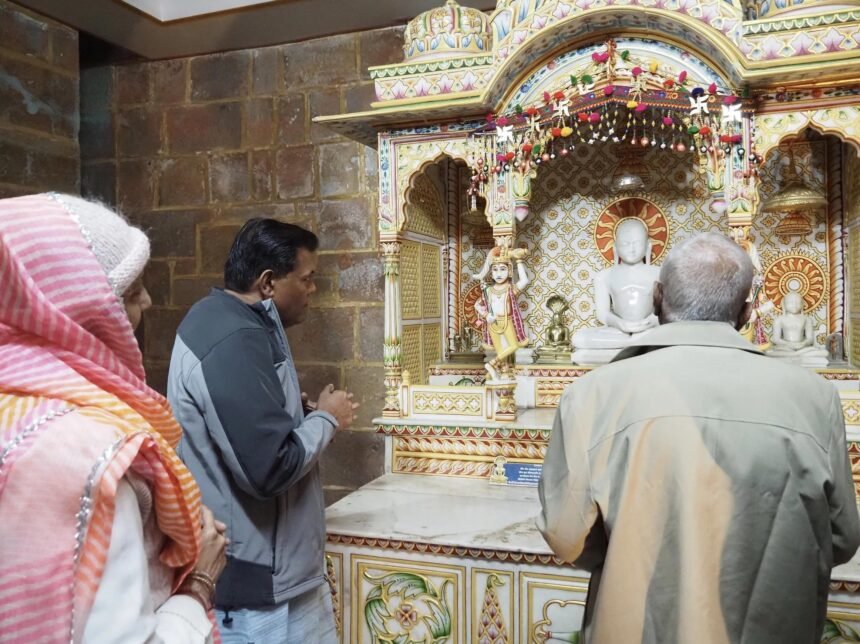
🌿Powerful Reasons Why Paryushan Festival Is a Transformative Journey of Forgiveness & Peace
The central message of Paryushan is simple yet powerful: forgive others, seek forgiveness, and become a better human being.
For Jain followers, this festival is not merely a religious observance; it is an opportunity to renew their thoughts, actions, relationships, and commitment to non-violence.
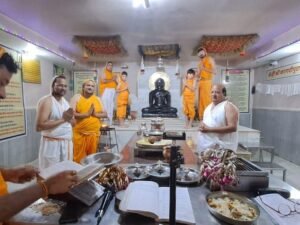
1. What Is Paryushan Festival? – All About Paryushan Parv
Paryushan Parv is an important annual religious observance in Jainism. It is a period of spiritual awakening during which followers concentrate on improving their inner character through prayer, fasting, meditation, self-study, and forgiveness.
The word Paryushan is commonly understood in connection with spiritual discipline, introspection, and coming closer to one’s soul. It encourages people to move away from unnecessary worldly distractions and focus on their spiritual responsibilities.
During this festival, Jain devotees try to:
Practise Ahimsa (non-violence) towards all living beings.
Follow Satya (truthfulness) in their thoughts and actions.
Control anger, greed, pride, and attachment.
Observe fasting according to their capacity and tradition.
Read and understand Jain religious scriptures.
Participate in Pratikraman, a practice of reviewing one’s actions.
Ask forgiveness from people they may have hurt.
Develop compassion, kindness, and humility.
Paryushan teaches that true happiness does not come only from wealth, possessions, or social recognition. It comes from a peaceful mind, a pure heart, and responsible behaviour.
Paryushan and Das Lakshan: Understanding the Two Traditions
It is important to understand that Paryushan and Das Lakshan are related but distinct observances within Jainism.
| Tradition | Festival | Duration | Main emphasis |
|---|---|---|---|
| Shvetambara | Paryushan Parva | 8 days | Fasting, scriptures, reflection, forgiveness |
| Digambara | Das Lakshan Parva | 10 days | Ten supreme virtues and spiritual development |
Shvetambara Jains traditionally conclude Paryushan with Samvatsari, while Digambara Jains observe Kshamavani as their forgiveness day after Das Lakshan.
Both traditions place great importance on forgiveness and self-purification.
2. History of Paryushan Festival
The history of Paryushan is deeply connected with the ancient teachings and spiritual practices of Jainism.
Jainism is one of India’s ancient religious and philosophical traditions. Its teachings emphasise non-violence, truth, self-discipline, non-attachment, and liberation of the soul.
Paryushan developed as an important period for Jain communities to strengthen these principles through collective and individual religious practices.
Ancient roots of Paryushan
One important historical connection is the traditional monsoon retreat of Jain monks and nuns.
During the rainy season, many small living organisms become more active on the ground. Walking long distances could unintentionally harm them. Jain monastic traditions therefore developed the practice of remaining in one place during the monsoon period.
This practice also provided an opportunity for monks and nuns to teach spiritual principles, guide householders, study scriptures, and encourage self-reflection.
Connection with Jain teachings
The teachings of Lord Mahavira, the 24th Tirthankara of the present Jain time cycle, are closely associated with the values celebrated during Paryushan.
His teachings encourage individuals to understand the consequences of their actions and take responsibility for their behaviour.
Paryushan provides a special opportunity to practise these values more consciously.
Samvatsari and forgiveness
The concluding day of Shvetambara Paryushan is known as Samvatsari. It is especially significant because devotees reflect on their mistakes and seek forgiveness.
The traditional expression Michhami Dukkadam communicates a humble request for forgiveness for harm caused through thoughts, words, or actions.
This tradition reminds people that relationships should not remain trapped in ego, anger, and resentment.
3. Nine Powerful Reasons Why Paryushan Festival Is a Transformative Journey of Forgiveness and Peace
Paryushan is more than a religious celebration. It is a practical guide to becoming a kinder, more responsible, and more peaceful human being.
Here are nine powerful reasons why this festival has such a meaningful place in society.
1. It Teaches the True Meaning of Forgiveness
Forgiveness is one of the most important messages of Paryushan.
In everyday life, people sometimes hurt one another through careless words, misunderstandings, anger, jealousy, or selfish behaviour. Even small arguments can damage relationships when nobody is willing to apologise.
Paryushan encourages people to overcome their ego and accept their mistakes.
The message of Michhami Dukkadam is a reminder that forgiveness is not a weakness. It takes courage to accept responsibility and rebuild a relationship.
Life lesson: Do not allow yesterday’s anger to destroy today’s happiness.
2. It Promotes Non-Violence Towards Every Living Being
Ahimsa is a fundamental principle of Jain philosophy.
It teaches that every living being deserves consideration and that unnecessary harm should be avoided.
During Paryushan, devotees make special efforts to follow non-violence through their food choices, behaviour, speech, and everyday activities.
The lesson is also relevant to modern society, where cruelty, environmental destruction, and irresponsible consumption affect countless living beings.
Life lesson: Respect life, whether it belongs to a human being, an animal, or another living organism.
3. It Encourages Self-Discipline and Control
Modern life often encourages people to seek instant satisfaction. Social media, shopping, entertainment, and unnecessary consumption can make it difficult to control our habits.
Paryushan encourages self-discipline.
Through fasting, meditation, restricted consumption, and prayer, devotees learn to distinguish between their needs and desires.
The festival reminds us that controlling ourselves is often more important than controlling other people.
Life lesson: A disciplined person can make better decisions even during difficult situations.
4. It Helps People Develop Inner Peace
Many people experience stress because of competition, financial pressure, relationship problems, and expectations.
Paryushan encourages individuals to pause and reflect rather than constantly chase external achievements.
Prayer, meditation, silence, and spiritual discussions provide opportunities to understand personal emotions and improve mental calmness.
Life lesson: Peace begins when we learn to manage our own thoughts and reactions.
5. It Encourages Truthfulness and Honest Behaviour
Satya, or truthfulness, is an important Jain principle.
During Paryushan, devotees are encouraged to examine whether their words and actions are honest.
People sometimes tell lies to protect their image, gain advantages, or avoid responsibility. However, dishonesty can weaken trust and create long-term problems.
Paryushan reminds us that honesty is essential for healthy relationships and a trustworthy society.
Life lesson: Speak the truth with kindness and take responsibility for your decisions.
6. It Strengthens Family and Social Relationships
Forgiveness can bring people closer.
During Paryushan, family members, friends, relatives, and community members seek forgiveness from one another.
The practice can help resolve misunderstandings and encourage people to communicate respectfully.
Imagine a family where everyone is willing to apologise after making a mistake. Such a family has a better opportunity to maintain love, respect, and understanding.
Life lesson: A peaceful relationship is more valuable than winning every argument.
7. It Encourages Charity and Compassion
Paryushan reminds people to think beyond their personal interests.
Helping someone in need, supporting education, caring for animals, donating food, and treating others with dignity are practical expressions of compassion.
The festival encourages people to make kindness a regular part of their lives rather than limiting it to special occasions.
Life lesson: Real spirituality becomes meaningful when it improves someone else’s life.
8. It Teaches the Importance of Simplicity and Non-Attachment
A major teaching of Jainism is Aparigraha, which means non-possessiveness or limiting attachment to material possessions.
People often measure success through money, property, expensive products, and social status.
Paryushan invites devotees to reconsider these priorities.
It teaches that possessions can provide comfort, but excessive attachment can create dissatisfaction, greed, and unnecessary competition.
Life lesson: Enjoy what you have, but do not allow material possessions to control your happiness.
9. It Inspires People to Become Better Human Beings
Perhaps the greatest message of Paryushan is personal transformation.
The festival encourages individuals to examine their behaviour and ask meaningful questions:
Have I hurt someone through my words?
Have I treated others unfairly?
Do I become angry too quickly?
Am I honest in my personal and professional life?
Do I respect animals and nature?
Can I forgive someone who has made a mistake?
What can I change to become a better person?
These questions can inspire positive changes long after the festival ends.
Life lesson: Spiritual growth is not about appearing perfect. It is about becoming better through continuous effort.
4. Important Facts About Paryushan Festival
Here are some important facts about Paryushan:
Paryushan is one of the most significant annual religious observances for Shvetambara Jains.
Traditionally, Shvetambara Paryushan lasts eight days.
Digambara Jains observe the related ten-day festival called Das Lakshan Parva.
Paryushan is generally observed during the monsoon season, commonly in August or September.
Samvatsari is the concluding day of Shvetambara Paryushan.
Michhami Dukkadam is a traditional expression of seeking forgiveness.
Fasting is an important practice, but its form and duration vary among devotees.
Pratikraman encourages reflection on mistakes and renewal of ethical commitments.
Ahimsa, Satya, self-restraint, and non-attachment are important Jain values associated with the festival.
The festival focuses more on spiritual development than external entertainment.
5. Paryushan Festival Timeline and Important Days
Paryushan follows the Jain lunar calendar, so its dates change every year.
The following table explains the general structure of the two traditions.
| Period | Observance | Importance |
|---|---|---|
| Before Paryushan | Preparation | Mental and spiritual preparation |
| Days 1–7 | Shvetambara Paryushan | Prayer, fasting, scripture study, reflection |
| Day 8 | Samvatsari | Forgiveness and annual Pratikraman |
| Days 1–10 of Das Lakshan | Digambara observance | Ten supreme virtues |
| After Das Lakshan | Kshamavani | Seeking and granting forgiveness |
The ten virtues of Das Lakshan
The ten virtues provide a useful framework for understanding the spiritual lessons of the Digambara observance.
Uttam Kshama – Supreme Forgiveness: Let go of anger and develop patience.
Uttam Mardav – Supreme Humility: Avoid arrogance and pride.
Uttam Arjav – Supreme Straightforwardness: Be honest and sincere.
Uttam Shauch – Supreme Purity: Develop purity of thoughts and intentions.
Uttam Satya – Supreme Truth: Speak and practise the truth.
Uttam Sanyam – Supreme Self-Restraint: Control your senses and actions.
Uttam Tap – Supreme Austerity: Practise discipline and spiritual effort.
Uttam Tyag – Supreme Renunciation: Learn to give up unnecessary attachments.
Uttam Akinchanya – Supreme Non-Possessiveness: Reduce attachment to worldly possessions.
Uttam Brahmacharya – Supreme Chastity: Practise purity and disciplined conduct.
These virtues are intended to guide everyday behaviour, not simply to be remembered during religious ceremonies.
6. How Is Paryushan Festival Celebrated?
Fasting and Tapasya
Fasting is an important part of Paryushan. Some devotees observe complete fasts, while others follow partial fasting or simpler dietary practices.
The purpose is to develop self-control and spiritual awareness, not to compete with others.
People should follow fasting practices according to their health and individual circumstances.
Pratikraman
Pratikraman is a religious practice involving reflection, repentance, and the review of one’s actions.
Devotees consider whether they have caused harm through their thoughts, speech, or behaviour and renew their commitment to avoid such actions.
Religious Scripture Reading
The study of Jain scriptures helps devotees understand the teachings of Tirthankaras and the importance of spiritual discipline.
In the Shvetambara tradition, the Kalpa Sutra has a particularly important place during Paryushan.
Meditation and Prayer
Devotees participate in meditation, prayers, religious discussions, and temple activities.
These practices encourage calmness, awareness, and a deeper understanding of the self.
Forgiveness and Michhami Dukkadam
On the occasion of forgiveness, devotees contact friends, relatives, and acquaintances to seek forgiveness for any hurt they may have caused.
This is one of the most beautiful and widely recognised messages of the festival.
7. Paryushan Festival 2026: Important Dates
For readers looking for the 2026 calendar, the following dates were published for the major observances:
| Occasion | 2026 date |
|---|---|
| Shvetambara Paryushan begins | 8 September 2026 |
| Samvatsari | 15 September 2026 |
| Digambara Das Lakshan begins | 16 September 2026 |
| Das Lakshan concludes | 25 September 2026 |
| Kshamavani | 26–27 September, depending on calendar tradition |
Calendar calculations and local Sangh practices may differ, particularly for forgiveness observances. Readers should confirm the relevant date with their local Jain temple or community.
8. Importance of Paryushan Festival in Our Daily Life
The teachings of Paryushan are not limited to temples or religious gatherings. They can help people improve their everyday lives.
Here are some practical ways to follow its teachings.
In family life: Respect your parents, listen to your family members, and apologise when you make mistakes.
In student life: Practise discipline, avoid cheating, respect teachers, and develop patience while learning.
In professional life: Be honest with colleagues, respect your responsibilities, and avoid jealousy and unnecessary competition.
In friendships: Do not allow small misunderstandings to destroy meaningful relationships. Communicate openly and forgive sincerely.
In social media: Avoid spreading hatred, insulting people, sharing misinformation, or making hurtful comments.
In environmental protection: Respect animals, avoid unnecessary waste, and develop responsible consumption habits.
In personal development: Spend time understanding your emotions, controlling anger, and improving your behaviour.
Paryushan teaches that a better society begins with individuals who are willing to improve themselves.
9. Significance of Paryushan Festival in Society
Paryushan has an important role in promoting ethical values and social harmony.
Its teachings are especially relevant in a world where people frequently experience conflict, discrimination, environmental problems, and relationship difficulties.
Promoting Peace and Harmony
Forgiveness encourages people to resolve conflicts peacefully instead of allowing anger and hatred to grow.
Encouraging Respect for All Living Beings
The principle of Ahimsa encourages compassion towards animals, humans, and other forms of life.
Building Strong Communities
Religious gatherings, collective prayers, and shared spiritual activities strengthen relationships within Jain communities.
Inspiring Responsible Consumption
The principles of simplicity and non-possessiveness encourage people to reduce waste and avoid excessive consumption.
Promoting Ethical Leadership
Truthfulness, humility, and self-restraint are valuable qualities for students, teachers, business owners, political leaders, and public servants.
Supporting a Culture of Forgiveness
The tradition of asking forgiveness encourages people to accept their responsibilities instead of blaming others.
These values can benefit society regardless of a person’s religious background.
10. How Can Students Learn From Paryushan?
Paryushan offers several meaningful lessons for students and young people.
Education is not only about obtaining marks, degrees, or professional qualifications. It is also about developing character and understanding how to treat other people.
Students can apply the teachings of Paryushan in the following ways:
Respect teachers, parents, and classmates.
Avoid bullying and insulting others.
Speak honestly and take responsibility for mistakes.
Control anger during disagreements.
Avoid unnecessary competition and jealousy.
Develop discipline in studies and personal habits.
Help classmates who are struggling.
Respect animals and the environment.
Learn to forgive and apologise sincerely.
A successful person is not simply someone who earns money or achieves a high position. A truly successful person also understands kindness, honesty, responsibility, and humanity.
11. Paryushan Festival Wishes, Messages and Greetings
Paryushan is a beautiful occasion to share messages of forgiveness, peace, compassion, and spiritual growth.
Here are some meaningful wishes that readers can share with family, friends, and loved ones.
10 Best Paryushan Wishes
1. May Paryushan Parv bring peace, happiness, forgiveness, and positivity into your life.
2. May the teachings of Lord Mahavira inspire you to follow truth, non-violence, and compassion.
3. Wishing you a blessed Paryushan filled with spiritual growth, self-discipline, and inner peace.
4. May you find the courage to forgive others and the humility to accept your mistakes.
5. Let us remove hatred from our hearts and welcome love, kindness, and understanding.
6. May this sacred festival bring harmony to your family and happiness to your relationships.
7. May your thoughts become pure, your actions become kind, and your heart become peaceful.
8. Let us celebrate Paryushan by respecting every living being and spreading goodness throughout society.
9. May the spirit of forgiveness make your relationships stronger and your life more meaningful.
10. Wishing everyone a peaceful and spiritually uplifting Paryushan Parv!
Special Michhami Dukkadam Message
Micchami Dukkadam!
If I have hurt you knowingly or unknowingly through my thoughts, words, or actions, I sincerely ask for your forgiveness.
I also forgive everyone who may have hurt me.
Let us leave behind anger, misunderstandings, and negativity and move forward with love, compassion, and peace.
Short Paryushan Captions for Social Media
Forgiveness is the beginning of peace.
Let kindness become our greatest strength.
A pure heart is the greatest achievement.
Choose forgiveness over anger.
Respect every living being.
Spread goodness, happiness, and humanity.
Michhami Dukkadam – Let us forgive and grow together.
12. Important Points About Paryushan Festival
For a quick understanding, here are the most important points:
Paryushan is an important Jain religious festival.
It focuses on spiritual purification and self-improvement.
Shvetambara Jains observe eight days of Paryushan.
Digambara Jains observe the ten-day Das Lakshan Parva.
Forgiveness is one of its central teachings.
Samvatsari concludes Shvetambara Paryushan.
Kshamavani is the Digambara forgiveness observance.
Michhami Dukkadam is a traditional expression of seeking forgiveness.
Ahimsa and self-discipline are essential values.
Fasting, prayer, meditation, and scripture study are important practices.
The festival inspires people to become more compassionate and responsible.
13. Paryushan Festival Review – Our Perspective
Paryushan is one of the most meaningful spiritual observances because it encourages people to focus on something that is often neglected in everyday life: their own behaviour.
In a world where people are constantly trying to become more successful, wealthy, and influential, this festival reminds us that personal character is equally important.
Its greatest strength is the message of forgiveness.
Saying sorry, accepting mistakes, and forgiving others may sound simple, but these actions can transform families, friendships, workplaces, and communities.
The festival also provides an important opportunity to understand non-violence, simplicity, self-control, and compassion.
Our review: Paryushan deserves recognition not only as a religious festival but also as an occasion for personal development and ethical education.
It offers valuable lessons for students, parents, teachers, professionals, and people from every walk of life.
Editorial review by Minorstudy | Spirituality, Jainism and Social Values
14. Frequently Asked Questions (FAQs) About Paryushan Festival
Q1. What is Paryushan Festival?
Paryushan is an important annual Jain religious festival dedicated to fasting, prayer, self-discipline, spiritual reflection, non-violence, and forgiveness.
Q2. Why is Paryushan celebrated?
Paryushan is celebrated to encourage spiritual purification, self-improvement, repentance, and a deeper understanding of Jain principles.
Q3. How many days does Paryushan last?
Shvetambara Jains traditionally observe Paryushan for eight days, while Digambara Jains observe the related ten-day festival called Das Lakshan Parva.
Q4. What is the meaning of Michhami Dukkadam?
Michhami Dukkadam is a traditional Jain expression requesting forgiveness for harm caused knowingly or unknowingly through thoughts, words, or actions.
Q5. Who celebrates Paryushan?
Paryushan is primarily observed by Shvetambara Jain communities. Digambara Jains celebrate the related Das Lakshan Parva.
Q6. What is Samvatsari?
Samvatsari is the concluding and especially significant day of Shvetambara Paryushan, dedicated to reflection, Pratikraman, and forgiveness.
Q7. What is Das Lakshan Parva?
Das Lakshan is a ten-day Digambara Jain observance dedicated to ten supreme virtues, including forgiveness, humility, truthfulness, self-restraint, and non-attachment.
Q8. Is fasting compulsory during Paryushan?
Fasting is an important religious practice, but its form and duration vary. Devotees participate according to their capacity, health, and tradition.
Q9. What is the main teaching of Paryushan?
The main teachings include forgiveness, non-violence, truthfulness, self-discipline, compassion, and spiritual development.
Q10. When is Paryushan celebrated?
Paryushan generally falls during August or September according to the Jain lunar calendar. Its exact dates change every year.
Q11. What is Pratikraman?
Pratikraman is a Jain spiritual practice of reviewing one’s actions, acknowledging mistakes, expressing repentance, and renewing ethical commitments.
Q12. How can non-Jains learn from Paryushan?
Anyone can learn from its universal values, including forgiveness, kindness, honesty, respect for living beings, simplicity, and peaceful relationships.
15. Conclusion – Paryushan Is a Journey Towards Forgiveness, Peace and Humanity
Paryushan Festival is much more than a religious observance. It is a beautiful reminder that human beings have the ability to change their thoughts, improve their behaviour, and create a more peaceful world.
Its teachings encourage us to forgive people who have hurt us, accept responsibility for our mistakes, respect every living being, and reduce unnecessary attachment to material possessions.
The most important lesson is that spirituality should not remain limited to prayers, fasting, or religious ceremonies. It should become visible through our everyday actions.
When we speak kindly, help someone in need, respect animals, protect nature, and apologise sincerely, we bring the spirit of Paryushan into our daily lives.
In today’s world, where misunderstandings and conflicts can easily damage relationships, the message of forgiveness is more valuable than ever.
Let us make a promise to ourselves: to become more understanding, more compassionate, more honest, and more responsible human beings.
Because the greatest victory is not winning against another person; it is overcoming the anger, ego, and negativity within ourselves.
Michhami Dukkadam! May peace, forgiveness, compassion, and happiness prevail in everyone’s life.
16. References and Further Reading
For readers who want to understand Jain traditions and the history of Paryushan in greater detail:
Recommended internal linking Minorstudy Articles
Read to related Minorstudy articles:
Lord Mahavira: Life, Teachings and Philosophy.
Jainism: History, Principles and Religious Traditions.
Ahimsa: The Importance of Non-Violence.
Indian Festivals: History and Cultural Significance.
Forgiveness: Importance in Human Relationships.
Spirituality and Meditation in Daily Life.
Publishing note: The article is written as an evergreen guide. The 2026 dates are included as historical calendar information and should be updated for future editions.









It’s a pity you don’t have a donate button! I’d without a doubt donate to this excellent blog! I suppose for now i’ll settle for bookmarking and adding your RSS feed to my Google account. I look forward to new updates and will share this blog with my Facebook group. Talk soon!
Thanks for sharing. I read many of your blog posts, cool, your blog is very good.
Your article helped me a lot, is there any more related content? Thanks!
**mitolyn official**
Mitolyn is a carefully developed, plant-based formula created to help support metabolic efficiency and encourage healthy, lasting weight management.
Thanks for sharing. I read many of your blog posts, cool, your blog is very good. https://www.binance.com/hu/register?ref=IQY5TET4
Thanks for sharing. I read many of your blog posts, cool, your blog is very good.
Your article helped me a lot, is there any more related content? Thanks! https://www.binance.com/es/register?ref=RQUR4BEO
I don’t think the title of your article matches the content lol. Just kidding, mainly because I had some doubts after reading the article. https://www.binance.com/es-AR/register?ref=UT2YTZSU
Your article helped me a lot, is there any more related content? Thanks! https://accounts.binance.bh/en/register-person?ref=WKAGBF7Y
Thank you for your sharing. I am worried that I lack creative ideas. It is your article that makes me full of hope. Thank you. But, I have a question, can you help me?
Thank you for your sharing. I am worried that I lack creative ideas. It is your article that makes me full of hope. Thank you. But, I have a question, can you help me?