About Kamakhya Temple: A Powerful and Positive Review of Its History & Significance

- History of Kamakhya Temple
- Mythological Background
- Historical Development
- Kamakhya Temple Timeline
- Chronological Timeline
- 15 Amazing Facts About Kamakhya Temple
- Significance of Kamakhya Temple
- Spiritual Significance
- Educational Significance
- Social Significance
- Importance in Human Life
- Observance and Rituals
- Major Observances
- Ambubachi Mela
- Costs for Students and Visitors
- Approximate Budget (Indian Rupees)
- Important Points for Students
- Quick Revision Notes
- Frequently Asked Questions (FAQs)
- Review Section
- Visitor Review
- Human-Friendly Review
- Wishing Messages for Devotees
- Blessings & Wishes
- Importance to Society
- Daily Life Impacts
- Practical Daily Life Lessons
- Why Kamakhya Temple Matters in Our Lives
- Conclusion


The Kamakhya Temple is one of the most revered and mysterious temples in India. Located on Nilachal Hill, near Guwahati, this ancient temple is dedicated to Goddess Kamakhya. Unlike many temples that worship an idol, Kamakhya Temple worships a natural rock formation symbolizing the divine feminine power.
For students, researchers, spiritual seekers, and tourists, Kamakhya Temple offers a fascinating blend of history, mythology, architecture, culture, spirituality, and social significance. This article explains everything in a human-friendly manner, including history, facts, timeline, costs, FAQs, observance, importance in life and society, and a detailed review.
History of Kamakhya Temple
The origins of Kamakhya Temple go back thousands of years. According to Hindu mythology, it is one of the 51 Shakti Peethas—sacred sites associated with Goddess Sati.
Mythological Background
- Goddess Sati sacrificed herself during a conflict involving her father Daksha.
- Lord Shiva carried her body across the universe.
- To calm Shiva’s grief, Lord Vishnu used his Sudarshan Chakra.
- Sati’s body parts fell at different places, creating the Shakti Peethas.
- It is believed that Sati’s womb and reproductive organ fell at the site of Kamakhya Temple, making it a powerful symbol of creation, fertility, and feminine energy.
Historical Development
| Period | Event |
|---|---|
| Ancient era | Early worship of Mother Goddess |
| 7th–8th century CE | Temple gained regional prominence |
| 16th century | Destroyed during invasions |
| 1565 CE | Rebuilt by the Koch kings |
| Modern era | Became a major pilgrimage and tourist destination |
Kamakhya Temple Timeline
Chronological Timeline
Quick Revision
Mythological age
Earliest
The site became associated with the fall of Goddess Sati’s body part.
7th century CE
Growth
Kamakhya emerged as an important Tantric center.
10th–12th century CE
Expansion
Temple structures expanded under local rulers.
1565 CE
Reconstruction
Reconstructed by King Nara Narayan of the Koch dynasty.
19th century
Renovation
Further repairs and renovations were undertaken.
21st century
Today
Millions of pilgrims visit every year.
15 Amazing Facts About Kamakhya Temple
- One of the 51 Shakti Peethas in India.
- No idol of the goddess is worshipped here.
- The sanctum contains a natural rock crevice.
- The temple is a major center of Tantra worship.
- The famous Ambubachi Mela is celebrated annually.
- The temple remains closed for three days during Ambubachi.
- The closure symbolizes the goddess’s menstruation period.
- The temple architecture combines Hindu and regional Assamese styles.
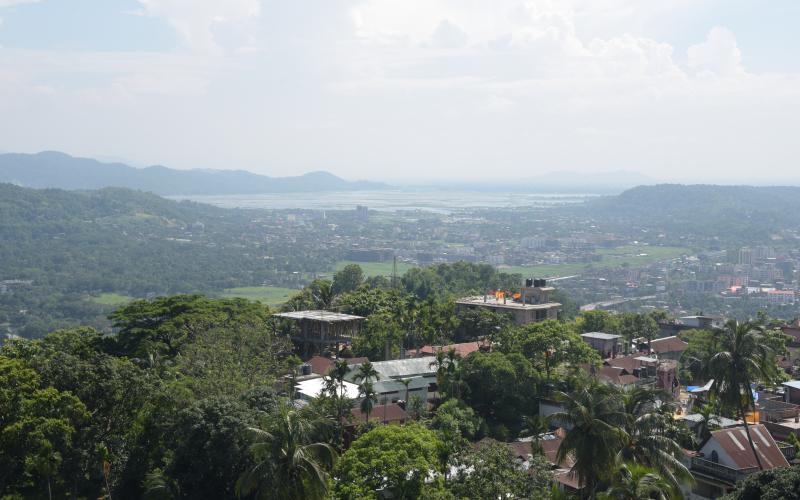
- Nilachal Hill offers panoramic views of Guwahati.
- The temple attracts both pilgrims and historians.
- Ancient Tantric texts mention Kamakhya as a sacred power center.
- The temple complex contains several smaller shrines.
- Animal sacrifice is still practiced by some devotees.
- The temple represents fertility, creation, and motherhood.
- It is among the most important pilgrimage sites in Northeast India.
Significance of Kamakhya Temple
Spiritual Significance
Kamakhya represents Shakti (divine feminine energy). It teaches that creation, nurturing, and transformation are sacred aspects of life.
Educational Significance
For students, the temple provides insight into Indian mythology, medieval history, architecture, religion, anthropology, and cultural studies.
Social Significance
The temple brings together people from different regions, languages, and backgrounds, promoting cultural unity and social interaction.
Importance in Human Life
Many devotees believe that worship at Kamakhya helps in mental peace, spiritual growth, family well-being, and personal confidence.
Observance and Rituals


6
Major Observances
| Festival / Ritual | Meaning |
|---|---|
| Ambubachi Mela | Celebrates the fertility of the goddess |
| Durga Puja | Worship of divine feminine power |
| Manasa Puja | Associated with serpent goddess worship |
| Daily Aarti | Morning and evening worship rituals |
Ambubachi Mela
This is the temple’s most famous festival. The temple remains closed for three days, symbolizing the annual menstruation cycle of the goddess. On reopening, devotees receive blessed cloth pieces considered highly sacred.
Costs for Students and Visitors
Approximate Budget (Indian Rupees)
Budget Friendly
| Expense | Approximate Cost |
|---|---|
| Temple entry | Free |
| Special darshan | ₹100–₹500 |
| Local transport | ₹50–₹300 |
| Budget meal | ₹80–₹200 |
| Budget stay | ₹500–₹1500 |
| Mid-range hotel | ₹2000–₹5000 |
Student budget (1 day)
₹800–₹1500
Pilgrim budget (2 days)
₹2000–₹4000
A student can comfortably visit Kamakhya Temple in one day with a budget of ₹800–₹1500.
Important Points for Students
Quick Revision Notes
- Location: Nilachal Hill, Guwahati, Assam
- State: Assam
- Type: Shakti Peetha
- Main deity: Goddess Kamakhya
- Famous festival: Ambubachi Mela
- Rebuilt by: Koch dynasty rulers
- Special feature: Worship of a natural rock formation
- Exam relevance: History, culture, religion, architecture, tourism
Frequently Asked Questions (FAQs)
1. Why is Kamakhya Temple famous?
It is famous as one of the 51 Shakti Peethas and a major center of Tantra worship.
2. Is there an idol inside the temple?
No. A natural rock crevice representing the goddess is worshipped.
3. What is Ambubachi Mela?
It is an annual festival celebrating the fertility and creative power of the goddess.
4. Is temple entry free?
Yes, general entry is free.
5. What is the best time to visit?
October to March offers pleasant weather.
6. How can students reach the temple?
The nearest railway station and airport are both in Guwahati.
7. Is photography allowed?
Photography rules vary; inside the sanctum it is generally restricted.
8. What does Kamakhya symbolize?
It symbolizes fertility, motherhood, creation, and feminine energy.
Review Section
Visitor Review
4.8/5
Spiritual Experience: ★★★★★
Historical Importance: ★★★★★
Architecture: ★★★★☆
Student Learning Value: ★★★★★
Accessibility: ★★★★☆
Human-Friendly Review
Visiting Kamakhya Temple is not just a religious journey—it is an emotional and cultural experience. The peaceful atmosphere, ancient stone structures, chanting of prayers, and panoramic view of Guwahati create a memorable feeling. Students often find the temple fascinating because it connects mythology with real history. The climb up Nilachal Hill may require some effort, but the spiritual and educational value of the visit makes it worthwhile.
Wishing Messages for Devotees
Blessings & Wishes
May Goddess Kamakhya bless you with wisdom, peace, and prosperity.
Wishing you strength, happiness, and spiritual growth.
May your family remain healthy, united, and joyful.
May the divine energy of Kamakhya guide you toward success.
Importance to Society
Kamakhya Temple contributes to society in many ways:
- Preserves ancient traditions and cultural heritage.
- Generates employment through tourism and pilgrimage.
- Supports local businesses such as hotels, transport, and handicrafts.
- Promotes respect for feminine power and motherhood.
- Encourages community gatherings and social harmony.
Daily Life Impacts
Many devotees believe that the teachings associated with Kamakhya Temple can influence everyday life.
Practical Daily Life Lessons
- Respect for women and motherhood.
- Patience and emotional balance.
- Faith during difficult times.
- Connection with nature and spiritual values.
- Gratitude for life’s blessings.
Even people who are not deeply religious often appreciate the temple as a symbol of inner strength, resilience, and positive energy.
Why Kamakhya Temple Matters in Our Lives
In today’s fast-paced world, people frequently experience stress, competition, and uncertainty. Kamakhya Temple reminds us that life is not only about material success. It emphasizes:
- Balance between mind and spirit
- Respect for creation and nature
- Value of cultural roots
- Importance of family and community
- Hope and positivity during challenges
For students especially, the temple demonstrates how history, mythology, geography, sociology, and religion can all connect in one place.
Conclusion
The Kamakhya Temple is far more than an ancient shrine. It is a living symbol of feminine energy, cultural heritage, spiritual wisdom, and social unity. From its mythological origins as a Shakti Peetha to its modern role as a major pilgrimage center, the temple continues to inspire millions of people.
Students can learn valuable lessons about Indian history, architecture, religious traditions, and social values. Visitors gain not only knowledge but also a sense of peace and connection with something greater than themselves.
Whether you visit for worship, education, tourism, or personal reflection, Kamakhya Temple leaves a lasting impression. Its message is simple yet powerful: creation, compassion, respect, and inner strength are essential for a meaningful life and a harmonious society.