Powerful Reasons Why Diwali Is a Beautiful Festival of Light, Hope, and Happiness
Introduction: What Is Diwali?
Diwali, also known as Deepavali, is one of India’s most cherished festivals. Popularly called the Festival of Lights, it brings families, friends, neighbours, and communities together through prayers, colourful decorations, traditional sweets, gifts, and acts of kindness.
- Introduction: What Is Diwali?
- History of Diwali: How Did the Festival Begin?
- 1. Lord Rama’s Return to Ayodhya
- 2. Lord Krishna and Narakasura
- 3. Goddess Lakshmi and Lord Ganesha
- 4. Diwali in Jainism and Sikhism
- 9 Powerful Reasons Why Diwali Is a Beautiful Festival
- 1. Diwali Symbolises the Victory of Good Over Evil
- 2. It Spreads Hope and Positivity
- 3. It Strengthens Family Relationships
- 4. It Encourages Gratitude and Generosity
- 5. It Supports Small Businesses and Artisans
- 6. It Preserves Indian Culture and Traditions
- 7. It Encourages a Fresh Start
- 8. It Teaches the Importance of Knowledge
- 9. It Promotes Unity and Social Harmony
- Diwali 2026: Important Date and Festival Timeline
- Important Facts About Diwali
- How Is Diwali Celebrated in India?
- Significance of Diwali in Our Daily Lives
- Diwali and the Environment: Celebrate Responsibly
- Diwali Wishes, Greetings, and Messages
- Review Section: Diwali — Festival of Light, Hope, and Togetherness
- Frequently Asked Questions About Diwali
- 1. What is Diwali?
- 2. When is Diwali in 2026?
- 3. Why do people celebrate Diwali?
- 4. Why are diyas lit during Diwali?
- 5. Which gods are worshipped on Diwali?
- 6. How long does Diwali last?
- 7. What is the significance of Diwali for Jains?
- 8. What is Bandi Chhor Divas?
- 9. How can students celebrate Diwali meaningfully?
- 10. How can we celebrate an eco-friendly Diwali?
- 11. Does everyone celebrate Diwali in the same way?
- 12. What is the main message of Diwali?
- Conclusion: Let the Light of Diwali Live in Our Hearts
The festival carries a beautiful message: no matter how difficult life becomes, hope can guide us towards a brighter tomorrow. The lighting of a small diya reminds us that even a little light can make a dark room shine.
Diwali is celebrated by millions of people in India and around the world. While it is deeply rooted in Hindu traditions, it also holds great significance for Jain and Sikh communities, with different religious and historical meanings. The festival is associated with the victory of good over evil, knowledge over ignorance, and light over darkness. Source: Incredible India
In 2026, the main Diwali festival falls on Sunday, 8 November, according to India’s official tourism information. Regional calendars and local traditions may affect the observance of individual festival days. Source: India Post
But Diwali is more than a date on the calendar. It is an opportunity to forgive, reconnect with loved ones, appreciate what we have, and bring happiness into someone else’s life.
History of Diwali: How Did the Festival Begin?
Diwali has ancient roots in the Indian subcontinent. Its history is connected with religious texts, cultural traditions, seasonal celebrations, and stories that have been passed from generation to generation. There is no single historical account that explains every aspect of the festival, because its meaning varies across regions and religions.
1. Lord Rama’s Return to Ayodhya
One of the most widely known stories comes from the Hindu epic, the Ramayana.
According to this tradition, Lord Rama returned to Ayodhya with Goddess Sita and Lakshmana after completing fourteen years of exile and defeating Ravana. The people of Ayodhya welcomed them by lighting rows of lamps.
This story is a powerful reminder that truth, courage, patience, and righteousness can overcome injustice. It also explains why lamps play such an important role in many Diwali celebrations.
2. Lord Krishna and Narakasura
Another popular tradition connects Naraka Chaturdashi, which occurs during the Diwali festival period, with Lord Krishna’s victory over the demon Narakasura.
The story represents the defeat of cruelty and oppression. It encourages people to stand against wrongdoing and protect the dignity and freedom of others.
3. Goddess Lakshmi and Lord Ganesha
On the main Diwali evening, many Hindu families worship Goddess Lakshmi, associated with wealth and prosperity, and Lord Ganesha, associated with wisdom and the removal of obstacles.
The prayers express hopes for financial stability, good fortune, knowledge, and peaceful family life. They also remind people that prosperity should be accompanied by responsibility, honesty, and gratitude.
4. Diwali in Jainism and Sikhism
Diwali has important meanings beyond Hindu traditions.
For many Jains, the festival commemorates the nirvana, or liberation, of Lord Mahavira. For Sikhs, Diwali coincides with the celebration of Bandi Chhor Divas, which honours Guru Hargobind Ji’s release from imprisonment and his return to Amritsar.
These traditions demonstrate how one festive period can carry different spiritual meanings while bringing communities together. Source: Press Information Bureau
9 Powerful Reasons Why Diwali Is a Beautiful Festival
1. Diwali Symbolises the Victory of Good Over Evil
The most important message of Diwali is that goodness, truth, and righteousness deserve to prevail.
In everyday life, this message encourages us to be honest, refuse unfair practices, help vulnerable people, and make choices that respect others. We may not face the challenges described in ancient stories, but we encounter many smaller moral decisions every day.
2. It Spreads Hope and Positivity
A diya does not remove every problem from life, but it gives us a symbol of hope.
For students facing examinations, workers experiencing difficulties, or families dealing with financial challenges, Diwali can be a reminder that difficult circumstances do not define the whole future.
Celebrating responsibly with loved ones can help people pause, reflect, and approach the next chapter with renewed optimism.
3. It Strengthens Family Relationships
Modern life can keep family members busy with work, education, and digital distractions. Diwali offers an opportunity to spend meaningful time together.
Families clean their homes, prepare festive meals, decorate rooms, perform prayers, and exchange gifts. These simple activities create memories that may remain meaningful long after the lights are taken down.
The true value of a family celebration is not the amount of money spent but the love and attention people give one another.
4. It Encourages Gratitude and Generosity
Diwali encourages people to appreciate their homes, health, relationships, education, and opportunities.
It is also a suitable time to help people who may struggle to afford festive essentials. Donating food, distributing sweets, supporting a local charity, or assisting an elderly neighbour can make the celebration more meaningful.
Generosity turns the spirit of the festival into practical action.
5. It Supports Small Businesses and Artisans
Diwali creates demand for traditional products such as clay diyas, decorative items, flowers, textiles, sweets, gifts, and handmade crafts.
Purchasing from local shops, potters, artisans, and small businesses can help support livelihoods. Choosing locally made products also helps preserve traditional skills.
Consumers can contribute by setting a realistic budget, comparing prices, avoiding unnecessary debt, and buying items they genuinely need.
6. It Preserves Indian Culture and Traditions
Rangoli, diyas, festive clothing, traditional recipes, devotional songs, and family rituals form an important part of Diwali celebrations.
These customs allow children to learn about their cultural heritage from parents and grandparents. They also create opportunities to understand the diversity of Indian languages, foods, and regional traditions.
Culture remains alive when people understand its meaning rather than simply repeat its practices.
7. It Encourages a Fresh Start
Cleaning and decorating homes before Diwali often symbolise renewal and the welcoming of new beginnings.
People may use this period to organise their surroundings, settle pending tasks, review personal goals, or let go of old disagreements.
A fresh start does not require a perfect life. It begins with one constructive decision, such as improving a daily routine, learning a new skill, or apologising for a mistake.
8. It Teaches the Importance of Knowledge
The symbolic victory of light over darkness can also be understood as the victory of knowledge over ignorance.
For students and lifelong learners, this message is especially relevant. Education can help people question misinformation, understand different perspectives, develop practical skills, and make informed decisions.
A meaningful Diwali can include reading with children, sharing useful knowledge, or encouraging a young person to continue their education.
9. It Promotes Unity and Social Harmony
Diwali celebrations often bring together people of different ages and backgrounds. Neighbours exchange sweets, friends share greetings, and communities organise cultural activities.
When celebrated respectfully, the festival provides an opportunity to build friendships and reduce social distance.
Its message is simple: happiness becomes more meaningful when it is shared, and a society becomes stronger when people treat one another with dignity.
Diwali 2026: Important Date and Festival Timeline
Diwali is commonly celebrated over five days, although the exact observances and regional names vary.
| Festival day | Date in 2026 | Traditional significance |
|---|---|---|
| Dhanteras | Friday, 6 November | Prosperity, health, and auspicious beginnings |
| Naraka Chaturdashi / Chhoti Diwali | Saturday, 7 November | Victory over negativity and evil |
| Main Diwali / Lakshmi Puja | Sunday, 8 November | Lamps, prayers, prosperity, and family celebrations |
| Govardhan Puja / Annakut | Monday, 9 November | Gratitude, devotion, and the Govardhan tradition |
| Bhai Dooj | Tuesday, 10 November | Love and affection between siblings |
Note: Dates reflect the commonly published 2026 five-day festival calendar. Regional panchangs, local customs, and official observance decisions should be checked for specific rituals.
Dhanteras
Dhanteras begins the traditional five-day Diwali period. Many families clean their homes, purchase useful household items, and pray for health and prosperity. Gold and silver purchases are popular traditions, but buying expensive goods is not essential to celebrating the festival.
Naraka Chaturdashi
Also known as Chhoti Diwali in many regions, this day is associated with the defeat of Narakasura in Hindu tradition. People may light lamps, prepare festive foods, and complete household preparations.
Main Diwali: Lakshmi Puja
The main festival day is marked by diyas, decorative lights, rangoli, family gatherings, and prayers. Many Hindu households perform Lakshmi Puja and worship Lord Ganesha.
Families may share sweets and gifts and enjoy the festive atmosphere. People who observe the festival should follow their local panchang for the appropriate puja time.
Govardhan Puja
This day is associated with Lord Krishna and the Govardhan Hill tradition. In some communities, devotees prepare Annakut, an offering of various foods, to express gratitude and devotion.
Bhai Dooj
Bhai Dooj celebrates affection between brothers and sisters. Traditions may include applying a ceremonial tilak, offering prayers for a sibling’s well-being, sharing meals, and exchanging gifts.
The five-day sequence and its traditional meanings are described by India’s tourism authorities. Source: Utsav, Ministry of Tourism
Important Facts About Diwali
- Diwali is also called Deepavali. The name is commonly understood as referring to a row or series of lamps.
- It follows the Hindu lunisolar calendar. The main celebration generally falls on Amavasya, the new-moon day of the month of Kartika.
- The festival has multiple origin stories. Its significance differs according to religious tradition and region.
- Diyas are important symbols. They represent light, hope, goodness, and spiritual awareness.
- Lakshmi Puja is widely observed. Many Hindu households pray for prosperity and well-being.
- Food and sharing are central traditions. Families prepare sweets and savoury dishes and exchange them with others.
- Diwali is celebrated internationally. Indian communities and other celebrants observe it in many countries.
- Jain and Sikh communities have distinctive observances. These include Mahavira’s nirvana and Bandi Chhor Divas.
- Celebrations can affect the environment. Fireworks may contribute to air and noise pollution, making thoughtful choices important.
How Is Diwali Celebrated in India?
Diwali traditions vary considerably across the country.
- North India: Many communities celebrate Lord Rama’s return to Ayodhya, perform Lakshmi Puja, light diyas, and decorate homes.
- West India: Families may celebrate Lakshmi Puja, mark new beginnings, and observe regional traditions associated with King Bali.
- South India: Naraka Chaturdashi and the defeat of Narakasura have particular importance in many communities.
- Eastern India: Kali Puja is an important observance in several areas, including parts of West Bengal and Assam.
- Across Sikh communities: Bandi Chhor Divas is marked through prayers, devotional singing, and illumination of gurdwaras.
- Across Jain communities: Diwali is observed in connection with Lord Mahavira’s nirvana.
These are broad descriptions, not rules followed by every family. Regional practices, family traditions, and individual beliefs may differ. Source: Maharashtra Tourism
Significance of Diwali in Our Daily Lives
The most valuable lessons of Diwali can continue throughout the year.
At home: Cleanliness, cooperation, and spending quality time together can improve everyday family life.
In education: Students can treat the festival as a reminder to learn continuously, respect teachers, and use knowledge responsibly.
At work: Diwali can inspire honesty, teamwork, appreciation for colleagues, and responsible financial planning.
In relationships: Offering forgiveness, expressing gratitude, and resolving misunderstandings can strengthen friendships and family bonds.
In society: Helping disadvantaged people, respecting different beliefs, and supporting local workers can turn festive goodwill into lasting community benefits.
For personal growth: The symbolism of light can inspire us to recognise harmful habits, question negative assumptions, and work patiently towards positive change.
Diwali cannot automatically solve loneliness, poverty, conflict, or personal difficulties. However, its values can encourage practical actions that help people face these challenges with greater compassion and hope.
Diwali and the Environment: Celebrate Responsibly
A joyful celebration should also consider the well-being of people, animals, and the environment.
Fireworks can worsen air quality and create noise that disturbs children, older people, people with respiratory sensitivities, and animals. Smoke, waste, and fire hazards are additional concerns.
Here are seven ways to enjoy a more thoughtful Diwali:
- Use traditional diyas or energy-efficient decorative lights safely.
- Avoid fireworks or choose celebrations that do not create excessive smoke and noise.
- Keep lamps and candles away from curtains, paper, and other flammable materials.
- Supervise children around flames and electrical decorations.
- Dispose of festive waste properly and avoid littering public spaces.
- Choose reusable decorations and locally made products where practical.
- Share food, time, or useful gifts with people who may need support.
A greener celebration does not need to be less joyful. Lighting a home, sharing a meal, and spending time with loved ones can create a memorable festival without excessive consumption.
Diwali Wishes, Greetings, and Messages
You can share these original Diwali wishes with family, friends, students, colleagues, and readers.
1. Traditional Diwali wish
Happy Diwali! May your home be filled with happiness, your heart with peace, and your life with prosperity and good health.
2. Inspirational Diwali message
May the light of every diya remind you that hope is stronger than fear and that every new day brings an opportunity to grow. Happy Diwali!
3. Diwali wish for students
Wishing every student a bright Diwali filled with knowledge, confidence, creativity, and the courage to achieve their dreams.
4. Diwali wish for families
May this beautiful festival bring your family closer, fill your home with laughter, and create memories that remain precious for years to come.
5. Diwali wish for society
May Diwali inspire us to spread kindness, respect every individual, help those in need, and build a peaceful and compassionate society.
6. Short social media greeting
Happy Diwali! Let us spread light, share love, and make happiness brighter for everyone.
7. Diwali wish for business and professional success
May this Diwali bring new opportunities, wise decisions, meaningful partnerships, and success earned through honesty and hard work.
Review Section: Diwali — Festival of Light, Hope, and Togetherness
Overall review: 5/5 for cultural significance and family togetherness
Diwali remains a deeply meaningful festival because it combines spiritual traditions with the everyday values of hope, gratitude, generosity, and community.
Its greatest strength is that people can celebrate it in many ways. Some families focus on prayer, others enjoy food and decorations, while many use the occasion to reunite with relatives or support local businesses.
The festival also offers an opportunity to reflect on modern concerns, including unnecessary spending, environmental pollution, and social inequality. Responsible celebrations can preserve cherished traditions while making the festival safer and more inclusive.
What makes Diwali special?
- A rich heritage of stories and traditions.
- Opportunities to reconnect with loved ones.
- Encouragement to share and give generously.
- Cultural learning for younger generations.
- A universal message of hope and goodness.
What should celebrants keep in mind? Avoid financial pressure, use fire and electrical decorations safely, reduce pollution, and respect people who celebrate differently or do not observe the festival.
Final review: Diwali is at its best when the beauty of its lights is matched by kindness in people’s actions.
Frequently Asked Questions About Diwali
1. What is Diwali?
Diwali, or Deepavali, is a major festival known as the Festival of Lights. It celebrates light over darkness and goodness over evil, with different meanings across religious and regional traditions.
2. When is Diwali in 2026?
The main Diwali day is Sunday, 8 November 2026. The surrounding five-day observances are commonly listed from 6 to 10 November.
3. Why do people celebrate Diwali?
Many Hindus associate Diwali with Lord Rama’s return to Ayodhya, while other traditions connect it with different religious stories. Its broader message includes hope, renewal, and the triumph of good.
4. Why are diyas lit during Diwali?
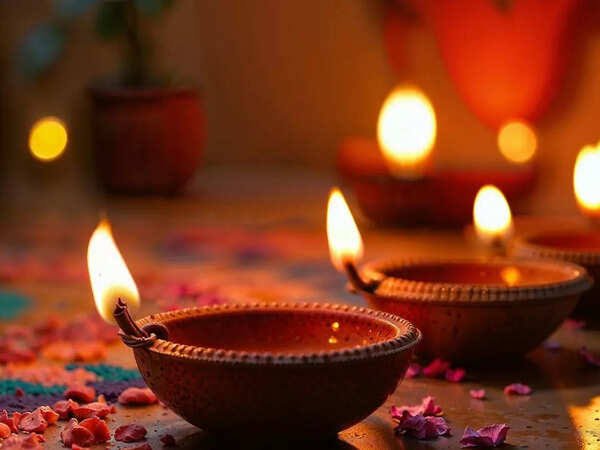
Diyas symbolise light, goodness, hope, and the removal of darkness. They are also an important part of traditional home and temple decorations.
5. Which gods are worshipped on Diwali?
Many Hindu households worship Goddess Lakshmi and Lord Ganesha during the main Diwali celebration. Other observances depend on regional customs and religious traditions.
6. How long does Diwali last?
The traditional Diwali festival period commonly lasts five days, beginning with Dhanteras and ending with Bhai Dooj.
7. What is the significance of Diwali for Jains?
For many Jains, Diwali commemorates the nirvana of Lord Mahavira, the 24th Tirthankara.
8. What is Bandi Chhor Divas?
Bandi Chhor Divas is an important Sikh celebration that coincides with Diwali. It honours Guru Hargobind Ji’s release from imprisonment and his return to Amritsar.
9. How can students celebrate Diwali meaningfully?
Students can help their families, learn about the festival’s history, decorate safely, share food, support people in need, and celebrate without excessive spending or pollution.
10. How can we celebrate an eco-friendly Diwali?
Use safe lighting, minimise fireworks, avoid littering, choose reusable decorations, and share meaningful experiences rather than focusing only on expensive purchases.
11. Does everyone celebrate Diwali in the same way?
No. Traditions vary by region, religion, family, and personal belief. Respecting these differences is an important part of cultural understanding.
12. What is the main message of Diwali?
Its central message is that light, goodness, knowledge, hope, and compassion can help overcome darkness, ignorance, injustice, and negativity.
Conclusion: Let the Light of Diwali Live in Our Hearts
Diwali is more than a festival of glowing lamps, beautiful decorations, delicious sweets, and new clothes. It is an invitation to reflect on the kind of people we want to become and the kind of society we want to build.
Its stories encourage courage and righteousness. Its traditions bring families together. Its celebrations support cultural identity and local livelihoods. Its message of generosity reminds us that happiness becomes more meaningful when it is shared.
As we celebrate Diwali, let us remember those who may be lonely, those who cannot afford elaborate festivities, and those who need encouragement during difficult times. A small act of kindness may bring more lasting happiness than the most expensive gift.
Let us celebrate with gratitude, respect, safety, and care for the environment. Let us light our homes while also spreading knowledge, compassion, and understanding in our communities.
Happy Diwali! May the festival bring peace to your home, hope to your heart, wisdom to your decisions, and happiness to everyone around you.
May we all work towards a brighter future in which goodness is practised every day, not just celebrated once a year.