Health Awareness: History, Facts, Significance, Timeline, Wishes, and Its Importance in Daily Life
Introduction: What Is Health Awareness?
Health awareness: Health is one of the greatest gifts in life. It allows us to work, study, spend time with our loved ones, pursue our dreams, and enjoy everyday moments. However, many people begin to think seriously about their health only when they become sick. This is where health awareness becomes important.
- Introduction: What Is Health Awareness?
- 1. History of Health Awareness
- Ancient times
- The development of sanitation
- Vaccination and modern medicine
- The establishment of the World Health Organization
- Health awareness in the digital age
- 2. Health Awareness Timeline: Important Milestones
- Health Awareness Timeline: Important Health Days Throughout the Year
- 3. Important Facts About Health Awareness
- 4. Significance of Health Awareness in Human Life
- Physical well-being
- Mental and emotional well-being
- Better family care
- Better decision-making
- Financial and social benefits
- 5. Fifteen Powerful Ways to Improve Health Awareness in Daily Life
- 6. Health Awareness and Its Impact on Society
- 7. How Is Health Awareness Observed?
- 8. Health Awareness Wishes, Messages, and Slogans
- 9. Frequently Asked Questions About Health Awareness
- Q1. What is health awareness in simple words?
- Q2. Why is health awareness important?
- Q3. What is the main purpose of health awareness?
- Q4. When is World Health Day observed?
- Q5. What are the main types of health awareness?
- Q6. How can students promote health awareness?
- Q7. How does health awareness help prevent diseases?
- Q8. What is the difference between health awareness and health education?
- Q9. How can social media improve health awareness?
- Q10. What is the role of families in health awareness?
- Q11. Is health awareness only important for sick people?
- Q12. How can we make health awareness successful in society?
- 10. Health Awareness Review Section
- Health Awareness: An Editorial Review
- 11. Important Points to Remember About Health Awareness
- 12. Conclusion: Make Health Awareness a Part of Everyday Life
Health awareness means understanding how to maintain physical, mental, and social well-being. It includes learning about healthy food, exercise, personal hygiene, disease prevention, mental health, regular medical check-ups, and access to reliable healthcare information.
Imagine a student who understands the importance of nutritious food, a parent who takes their child for recommended vaccinations, or an older person who monitors blood pressure regularly. These simple actions reflect health awareness in real life.
Health awareness is not only about avoiding diseases. It is also about building healthy habits, making informed decisions, recognizing warning signs, and knowing when to seek professional medical help.
In today’s fast-moving world, people face many health challenges, including stress, unhealthy eating habits, physical inactivity, pollution, infectious diseases, and misinformation on social media. Greater health awareness helps individuals and communities respond to these challenges more effectively.
The central message is simple: taking care of your health today can help protect your well-being tomorrow.
1. History of Health Awareness
The history of health awareness goes back thousands of years. Long before modern hospitals and advanced medical technology existed, people observed the relationship between food, cleanliness, water, physical activity, and illness.
Ancient times
Ancient civilizations, including those in India, Egypt, Greece, and China, developed different approaches to health and healing. Traditional Indian systems such as Ayurveda emphasized lifestyle, diet, and balance, while ancient Greek medical traditions contributed to the systematic observation of illness and the human body.
Although many historical medical beliefs differ from modern scientific knowledge, these traditions show that people have long tried to understand how lifestyle influences health.
The development of sanitation
As towns and cities grew, contaminated water, poor waste disposal, and overcrowded living conditions contributed to the spread of infectious diseases. Gradually, communities recognized the importance of clean water, sanitation, and public hygiene.
The nineteenth century brought important advances in public health. Scientific investigations into disease transmission and improvements in sanitation helped change how societies understood and prevented illness.
Vaccination and modern medicine
Vaccination became one of the most significant developments in disease prevention. Over time, improvements in medical research, diagnostics, medicines, and public health programs helped prevent or control many serious illnesses.
The establishment of the World Health Organization
The World Health Organization (WHO) was established on 7 April 1948. Its work helped strengthen international cooperation on disease prevention, health education, research, and public health policy.
The date is now observed annually as World Health Day.
Health awareness in the digital age
Today, people can access health information through websites, mobile applications, hospitals, schools, and social media. Digital technology has made information more accessible, but it has also increased the spread of misleading medical claims.
Modern health awareness therefore requires two skills: understanding basic health principles and checking whether health information comes from trustworthy sources.
2. Health Awareness Timeline: Important Milestones
Health awareness has developed through scientific discoveries, public education, and collective action.
1796
Early vaccination milestone
Edward Jenner demonstrated the protective potential of vaccination against smallpox, helping lay the foundation for modern immunization.
1800s
Public sanitation advances
Improvements in clean water, waste management, and scientific understanding of infectious diseases strengthened public health.
1948
WHO is established
The World Health Organization was established on 7 April, strengthening international cooperation on health.
1950
World Health Day begins
World Health Day started being celebrated annually on 7 April to draw attention to priority health issues.
1978
Primary healthcare receives global attention
The Declaration of Alma-Ata highlighted primary healthcare and the importance of making healthcare accessible to all.
1986
Ottawa Charter for Health Promotion
This international milestone emphasized enabling people to improve their health and creating supportive environments.
2000s–2020s
Digital health awareness
Online education, telemedicine, mobile health tools, and public campaigns expanded opportunities to share health information.
This timeline demonstrates that health awareness is not a modern trend. It is an ongoing effort to improve people’s quality of life through knowledge, prevention, scientific progress, and accessible healthcare.
Health Awareness Timeline: Important Health Days Throughout the Year
Health awareness is not limited to one day. Different observances draw attention to specific health challenges and encourage individuals, healthcare professionals and governments to take action.
| Date | Health awareness observance |
|---|---|
| 30 January | World Neglected Tropical Diseases Day |
| 4 February | World Cancer Day |
| 24 March | World Tuberculosis Day |
| 7 April | World Health Day |
| 24–30 April | World Immunization Week |
| 5 May | World Hand Hygiene Day |
| 31 May | World No Tobacco Day |
| 14 June | World Blood Donor Day |
| 28 July | World Hepatitis Day |
| 17 September | World Patient Safety Day |
| 10 October | World Mental Health Day |
| 14 November | World Diabetes Day |
| 1 December | World AIDS Day |
| 12 December | Universal Health Coverage Day |
3. Important Facts About Health Awareness
Here are some essential facts everyone should understand.
Health is more than the absence of disease. Physical, mental, and social well-being all contribute to a person’s health.
- Prevention matters. Vaccination, appropriate screening, hygiene, and healthy daily habits can help prevent illness or identify certain problems earlier.
Mental health is equally important. Emotional distress, prolonged stress, and sleep difficulties deserve attention just as physical symptoms do.
Small habits can make a difference. Regular physical activity, balanced meals, adequate sleep, and avoiding tobacco support overall well-being.
Health information should be reliable. Not every viral video, home remedy, or online claim is scientifically supported.
Health education benefits every age group. Children, teenagers, adults, and older people all need age-appropriate information.
Healthcare access matters. Knowledge alone cannot solve health problems when people lack affordable services, nutritious food, clean water, or safe living conditions.
Health awareness is a shared responsibility. Families, schools, healthcare professionals, governments, workplaces, and communities all have a role to play.
The most important lesson is that health awareness should encourage informed decisions rather than fear, shame, or unrealistic expectations.
4. Significance of Health Awareness in Human Life
Why should we pay attention to health awareness when life is already busy with work, education, family, and financial responsibilities?
The answer is simple: health influences almost every part of our lives.
Physical well-being
Understanding nutrition, exercise, hygiene, and preventive healthcare helps people make choices that support their bodies. Recognizing unusual symptoms and seeking medical advice when needed can also prevent unnecessary delays in care.
Mental and emotional well-being
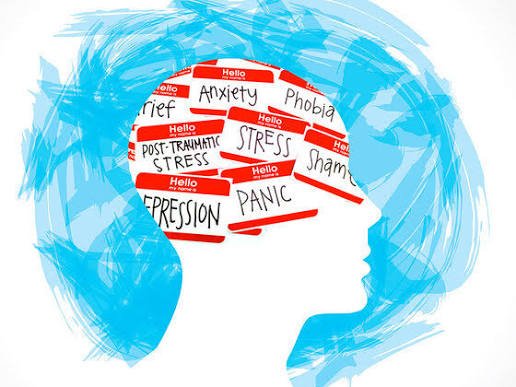
Health awareness teaches people that sadness, anxiety, burnout, and emotional difficulties should not automatically be dismissed as weakness. It encourages healthy coping strategies, supportive conversations, and professional help when necessary.
Better family care
A health-aware family is more likely to discuss vaccination, food safety, maternal health, child development, and the needs of older relatives. These conversations can create a safer and more supportive home environment.
Better decision-making
People who understand health information are better equipped to ask questions, compare treatment options with their healthcare providers, follow instructions, and recognize misleading claims.
Financial and social benefits
Preventing some illnesses and identifying problems early may reduce avoidable complications and associated expenses. Healthier communities can also support school attendance, workplace participation, and social development.
However, health awareness does not guarantee that a person will never become ill. Genetics, environmental conditions, poverty, and access to care also influence health outcomes.
5. Fifteen Powerful Ways to Improve Health Awareness in Daily Life
1. Eat a balanced diet
Include vegetables, fruits, whole grains, pulses, protein sources, and other nutritious foods appropriate to your needs. Try to limit excessive salt, added sugar, and highly processed foods.
2. Make physical activity a routine
Walking, cycling, dancing, gardening, or playing sports can help. Choose activities suited to your age, abilities, and health conditions.
3. Protect your sleep
Maintain a regular sleep schedule and create a restful sleeping environment. Most adults need around seven to nine hours of sleep per night, although individual needs vary.
4. Practice personal hygiene
Wash your hands at appropriate times, maintain dental hygiene, handle food safely, and keep your surroundings clean.
5. Schedule appropriate health check-ups
Ask a qualified healthcare professional which screenings, vaccinations, and routine checks are suitable for your age and personal risk factors.
6. Take mental health seriously
Make time for relaxation, meaningful relationships, hobbies, and emotional support. Seek professional assistance if distress persists or interferes with daily life.
7. Verify health information
Check trusted medical sources and consult healthcare professionals instead of relying on unverified online advice.
8. Discuss health within your family
Encourage open conversations about symptoms, stress, healthy routines, and preventive care without blame or embarrassment.
9. Stay adequately hydrated
Drink water regularly and adjust fluid intake to activity, climate, and medical advice. Some people need individualized fluid restrictions.
10. Learn about food safety
Store food properly, cook it thoroughly, and avoid unsafe drinking water or contaminated food.
11. Use medicines responsibly
Follow professional instructions, avoid sharing prescription medicines, and do not start or stop important treatment without appropriate medical advice.
12. Participate in health campaigns
Learn about vaccination drives, screening programs, hygiene education, and community health events.
13. Prevent accidents and injuries
Use seat belts and helmets, follow road safety rules, and make your home and workplace safer.
14. Build supportive relationships
Social connection and compassionate communication can support emotional well-being and reduce feelings of isolation.
15. Lead by example
Children and adults often learn from the behavior they observe. Encourage healthy habits through everyday actions instead of criticism.
These practices are starting points, not a rigid checklist. The goal is to build sustainable habits that fit your circumstances and professional healthcare advice.
6. Health Awareness and Its Impact on Society
Health awareness is not only an individual responsibility. It is a foundation for a healthier, safer, and more compassionate society.
When people understand health, they can make informed decisions for themselves and help protect others. For example, a person who understands the importance of handwashing may encourage children to follow good hygiene practices. A community that understands vaccination can make better-informed decisions about disease prevention.
The major social impacts of health awareness include:
Reduced spread of preventable diseases: Knowledge about hygiene, vaccination, and infection prevention helps communities respond to health risks.
Improved maternal and child health: Awareness of prenatal care, nutrition, immunization, and childhood development supports healthier families.
Greater mental health understanding: Open conversations can reduce stigma and encourage people to seek support.
Healthier schools and workplaces: Health education can promote safety, physical activity, stress management, and healthier environments.
Reduced misinformation: People learn to question misleading claims and seek reliable medical advice.
More equitable healthcare: Public awareness can help people understand available services and advocate for affordable, accessible care.
The WHO emphasizes that health literacy depends not only on individual knowledge but also on whether institutions make health information and services accessible and understandable.
A truly health-aware society does not blame people for becoming ill. Instead, it creates supportive conditions that help everyone make healthier choices.
7. How Is Health Awareness Observed?
Health awareness is promoted throughout the year through public campaigns, educational activities, medical programs, and community initiatives.
Important health awareness days
7 April
World Health Day
A global observance highlighting important health issues and the goal of better health for everyone.
10 October
World Mental Health Day
Encourages mental health education, awareness, supportive conversations, and access to care.
29 September
World Heart Day
Raises awareness about cardiovascular health and the importance of reducing heart disease risks.
24 March
World Tuberculosis Day
Promotes awareness of tuberculosis prevention, symptoms, diagnosis, treatment, and the need to reduce stigma.
31 May
World No Tobacco Day
Highlights the health risks of tobacco and supports efforts to prevent tobacco use.
Note: These are examples of established annual observances. Dates and campaign themes should be checked with official health organizations when preparing a calendar for a particular year.
Ways to celebrate health awareness
You do not need to organize a large event to make a difference. Simple activities can create meaningful change.
Organize a health education session at a school or workplace.
Share verified health information on social media.
Encourage eligible family members to attend preventive health appointments.
Participate in authorized blood donation or community health initiatives.
Arrange talks with qualified healthcare professionals.
Promote respectful discussions about mental health.
Help older people and vulnerable community members find reliable healthcare information.
In India, schools, colleges, community organizations, and local health facilities can also support awareness activities in local languages to make important information easier to understand.
8. Health Awareness Wishes, Messages, and Slogans
Health awareness messages are a simple way to inspire people to care for themselves and others. These wishes are suitable for social media posts, awareness posters, school events, WhatsApp statuses, and community campaigns.
Heartfelt health awareness wishes
Wishing you a healthy body, a peaceful mind, and a happy life. May every day bring you closer to better well-being.
Good health is a priceless gift. Take care of yourself, support your loved ones, and remember that your well-being matters.
May health awareness inspire us to choose nutritious food, stay active, care for our minds, and build a healthier future.
Let us replace unhealthy habits with positive choices and fear with knowledge. Together, we can create a healthier society.
Wishing everyone the strength to adopt healthy habits, the courage to seek help when needed, and the compassion to support others.
Short health awareness slogans
“Health is wealth; awareness is the first step.”
“Small healthy habits, stronger tomorrows.”
“Care for your body, respect your mind.”
“Choose knowledge over misinformation.”
“Prevention, awareness, and care save lives.”
“Healthy families build stronger communities.”
“Your health matters every day, not just on awareness days.”
“A healthier society begins with informed choices.”
Social media caption
🌿 Health Awareness: Small Steps, Healthier Lives! ❤️
Good health is not just about avoiding illness. It is about eating well, staying active, protecting our mental well-being, practicing hygiene, and making informed healthcare decisions.
Let’s spread awareness, break the stigma around mental health, trust reliable medical information, and encourage our families and communities to build healthier habits.
✨ Your health matters. Your choices matter. Together, we can make a difference!
#HealthAwareness #HealthyLifestyle #MentalHealthMatters #DiseasePrevention #HealthIsWealth #HealthySociety
9. Frequently Asked Questions About Health Awareness
Q1. What is health awareness in simple words?
Health awareness means understanding how to protect and improve your physical, mental, and social well-being. It helps people make informed choices about food, exercise, hygiene, healthcare, and disease prevention.
Q2. Why is health awareness important?
It helps people recognize health risks, adopt healthier habits, seek appropriate medical care, and avoid misinformation. It can also support early detection of certain diseases and improve community well-being.
Q3. What is the main purpose of health awareness?
The main purpose is to provide people with reliable knowledge and practical skills so they can make informed decisions about their health and contribute to healthier communities.
Q4. When is World Health Day observed?
World Health Day is observed every year on 7 April. The date marks the anniversary of the establishment of the World Health Organization in 1948.
Q5. What are the main types of health awareness?
Common areas include physical health, mental health, nutrition, hygiene, reproductive and maternal health, child health, infectious disease prevention, chronic disease prevention, environmental health, and road safety.
Q6. How can students promote health awareness?
Students can prepare posters, conduct presentations, share verified information, participate in school health programs, practice good hygiene, and encourage respectful discussions about mental well-being.
Q7. How does health awareness help prevent diseases?
It can encourage vaccination, appropriate screening, safer food practices, handwashing, physical activity, and timely medical consultation. These measures reduce some health risks but cannot prevent every illness.
Q8. What is the difference between health awareness and health education?
Health awareness helps people recognize health issues and understand why they matter. Health education goes further by developing the knowledge and skills needed to make informed decisions and take appropriate action. The two work best together.
Q9. How can social media improve health awareness?
Social media can spread educational videos, campaign messages, public health announcements, and preventive care information quickly. However, information should be checked against reliable medical sources before being shared.
Q10. What is the role of families in health awareness?
Families can encourage nutritious meals, regular activity, healthy sleep, emotional support, preventive healthcare, and honest conversations about symptoms. A supportive environment makes healthy habits easier to maintain.
Q11. Is health awareness only important for sick people?
No. Health awareness is valuable for everyone, including people who feel healthy. It helps individuals maintain well-being, understand risk factors, and make appropriate preventive care decisions.
Q12. How can we make health awareness successful in society?
Effective programs combine reliable information, accessible healthcare, education in local languages, community participation, supportive public policies, and opportunities for people to ask questions without embarrassment or fear.
10. Health Awareness Review Section
This section provides an editorial review of the importance and practical value of health awareness.
Health Awareness: An Editorial Review
Overall assessment
Health awareness is a valuable foundation for informed decision-making, preventive healthcare, and stronger communities. Its greatest strength is that it connects everyday habits with broader public health goals.
Key strengths
Encourages informed lifestyle choices.
Supports prevention and timely medical consultation.
Promotes mental health understanding and reduces stigma.
Helps people recognize misinformation.
Encourages shared responsibility among individuals, institutions, and governments.
Challenges
False or misleading health information online.
Unequal access to healthcare and health education.
Cultural stigma around certain illnesses.
Financial and practical barriers to preventive care.
Difficulty maintaining healthy habits amid busy schedules.
Final review
Health awareness is most effective when knowledge is combined with practical support, accessible medical services, trustworthy communication, and positive daily habits. It should empower people rather than frighten or shame them.
Review note: This is an educational editorial review, not a review based on customer ratings, clinical testing, or an individual medical assessment.
11. Important Points to Remember About Health Awareness
Before concluding, here are the essential lessons from this article:
Health awareness should be practiced throughout the year.
Physical health and mental well-being are interconnected.
Prevention and early detection can make a meaningful difference.
Reliable information is more valuable than viral health claims.
Healthy habits should be realistic, consistent, and suited to individual needs.
Medical advice should come from qualified healthcare professionals.
Schools, families, workplaces, and governments share responsibility for health education.
Every person deserves understandable health information and fair access to healthcare.
Community support and respectful communication help reduce health-related stigma.
Health awareness should lead to positive action, not unnecessary fear.
For further reading, consult the WHO’s official resource on health literacy and the CDC’s guide to preventive care. These resources explain why understandable information, healthy choices, and appropriate preventive services matter.
12. Conclusion: Make Health Awareness a Part of Everyday Life
Health awareness is much more than a campaign, a poster, or a single day of celebration. It is a lifelong commitment to understanding our bodies, caring for our minds, supporting our families, and creating healthier communities.
Think about the small decisions you make every day. Choosing a balanced meal, walking instead of sitting for long periods, getting enough sleep, asking a doctor a question, or checking whether a medical claim is trustworthy may seem ordinary. Yet these actions can contribute to better health over time.
At the same time, we must remember that health is not entirely under individual control. People need access to safe environments, nutritious food, clean water, reliable information, and affordable healthcare. A compassionate society works to make these resources available to everyone, regardless of their circumstances.
Health awareness also teaches us to treat others with empathy. A person experiencing mental health difficulties needs understanding, not judgment. Someone living with a chronic illness needs support, not blame. A family struggling to access healthcare needs practical assistance, not criticism.
The true significance of health awareness lies in turning knowledge into action and action into lasting positive change.
Let us make health a daily priority, share trustworthy information, encourage preventive care, and help build a world where everyone has the opportunity to live a healthier and more fulfilling life.
Remember: A healthier tomorrow begins with the choices, knowledge, and kindness we practice today.