Jagannath Rath Yatra: Complete Guide to History, Significance, Timeline, Facts, Costs, FAQs, and Daily Life Impact
- Introduction
- 1. Equality
- 2. Divine Blessings
- 3. Unity
- 4. Charity
- 5. Devotion
- Humility
- Equality
- Unity
- Faith
- Compassion
- Selfless Service
- 1. What is Jagannath Rath Yatra?
- 2. Why is Rath Yatra important?
- 3. Where is it celebrated?
- 4. How long does the festival last?
- 5. Who can pull the chariot?
- 6. Why are new chariots built every year?
- 7. What is Mahaprasad?
- 8. What values does Rath Yatra teach?
- ⭐⭐⭐⭐⭐ Reader Review (5/5)


Introduction
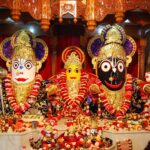
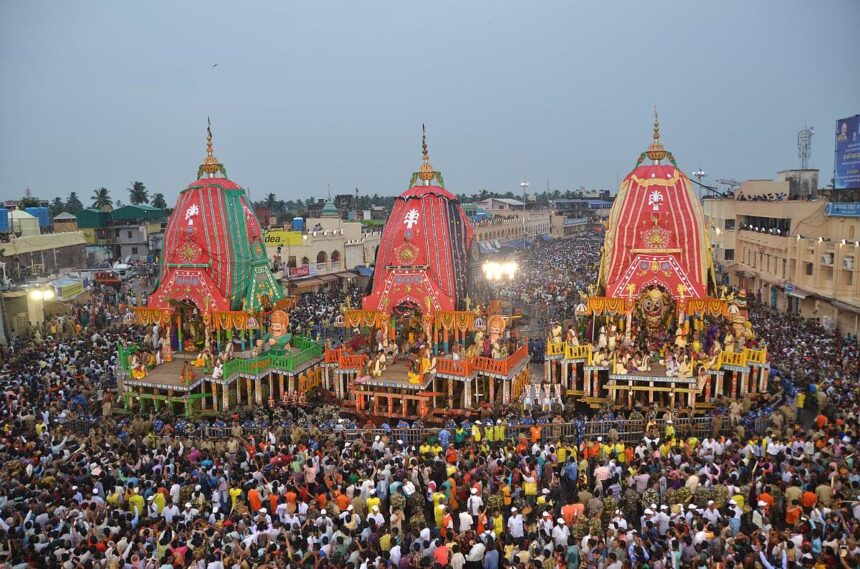
Jagannath Rath Yatra is one of the world’s oldest and grandest religious festivals celebrated with immense devotion in Puri, Odisha, India. Every year, millions of devotees gather to witness the magnificent procession of Lord Jagannath, Lord Balabhadra, and Devi Subhadra as they travel from the Jagannath Temple to the Gundicha Temple in beautifully decorated wooden chariots.
The festival is not just a religious event—it symbolizes equality, devotion, unity, compassion, and the belief that God comes out of the temple to bless every person regardless of caste, religion, or social background.
In this comprehensive guide, you’ll learn everything about Jagannath Rath Yatra, including its history, significance, timeline, costs, traditions, important facts, FAQs, wishing messages, and its impact on our daily lives.
What is Jagannath Rath Yatra?
Jagannath Rath Yatra is an annual Hindu chariot festival dedicated to Lord Jagannath, an incarnation of Lord Krishna. During the festival:
travel nearly 3 kilometers from the Jagannath Temple to Gundicha Temple in three massive wooden chariots.
The word:
- Rath = Chariot
- Yatra = Journey
Hence, Rath Yatra literally means “Journey by Chariot.”
History of Jagannath Rath Yatra


The history of Jagannath Rath Yatra dates back thousands of years. References to the festival appear in ancient Hindu scriptures such as:
- Skanda Purana
- Brahma Purana
- Padma Purana
King Indradyumna is believed to have established the Jagannath Temple after receiving divine instructions from Lord Vishnu.
According to mythology, Lord Krishna’s heart remained alive after his cremation and was placed inside the wooden idol of Lord Jagannath as the sacred “Brahma Padartha.”
Since then, the annual Rath Yatra has been celebrated as a symbol of divine love and universal blessings.
The tradition continues uninterrupted and attracts devotees from more than 100 countries.
Timeline of Jagannath Rath Yatra
| Event | Description |
|---|---|
| Akshaya Tritiya | Chariot construction begins |
| Snana Purnima | Holy bathing ceremony |
| Anavasara | Lords remain in isolation |
| Rath Yatra | Grand chariot procession |
| Gundicha Stay | Lords stay for seven days |
| Bahuda Yatra | Return journey |
| Suna Besha | Golden attire ceremony |
| Niladri Bije | Return to temple |
Why is Jagannath Rath Yatra Celebrated?
The festival represents:
- Victory of good over evil
- Love between devotees and God
- Equality among people
- Universal brotherhood
- Spiritual awakening
It also commemorates Lord Jagannath’s annual visit to his birthplace, Gundicha Temple.
Significance of Jagannath Rath Yatra
1. Equality
Everyone can pull the chariot regardless of caste, religion, nationality, or social status.
2. Divine Blessings
It is believed that even seeing Lord Jagannath during Rath Yatra removes sins.
3. Unity
Millions of people come together peacefully.
4. Charity
Many devotees distribute:
- Food
- Water
- Clothes
- Medical assistance
5. Devotion
The festival strengthens faith in God and inspires selfless service.
Costs of Jagannath Rath Yatra
Organizing such a grand festival involves significant expenses.
Major costs include:
- Construction of three giant wooden chariots
- Decoration
- Security arrangements
- Crowd management
- Medical facilities
- Sanitation
- Transportation
- Lighting
- Cultural events
- Volunteers and logistics
The overall expenditure runs into several crores of rupees each year, supported by temple administration, government agencies, and devotees.
Three Famous Chariots


Nandighosha
- Lord Jagannath
- 16 Wheels
- Height: Approximately 45 feet
Taladhwaja
- Lord Balabhadra
- 14 Wheels
Darpadalana
- Goddess Subhadra
- 12 Wheels
Every year, new wooden chariots are built using traditional methods.
Amazing Facts About Jagannath Rath Yatra
- More than one million devotees attend annually.
- New chariots are built every year.
- No nails are traditionally used in many parts of the construction.
- The festival is over 800 years old in its current temple tradition.
- The King of Puri performs the ceremonial sweeping of the chariots (Chhera Pahanra), symbolizing humility.
- Lord Jagannath is worshipped by people of all communities.
- The temple kitchen is among the world’s largest.
- Mahaprasad is shared equally without discrimination.
- The chariots are pulled only by human hands.
- The festival inspires similar Rath Yatras worldwide.
Important Rituals
- Mangala Aarti
- Snana Purnima
- Pahandi Procession
- Chhera Pahanra
- Pulling the Chariots
- Gundicha Temple Visit
- Bahuda Yatra
- Suna Besha
- Niladri Bije
Observance
Devotees observe the festival by:
- Visiting Puri
- Pulling the chariot ropes
- Chanting devotional hymns
- Offering prayers
- Donating food and clothes
- Reading sacred scriptures
- Participating in community service
Importance in Our Life
Jagannath Rath Yatra teaches lessons that remain relevant in everyday life:
Humility
Even the King serves before God, reminding us that leadership begins with service.
Equality
Every individual deserves respect.
Unity
Working together helps society grow stronger.
Faith
Belief gives hope during difficult times.
Compassion
Helping others brings true happiness.
Selfless Service
Serving humanity is considered service to God.
Daily Life Impact
The teachings of Jagannath Rath Yatra encourage us to:
- Respect every person equally.
- Share food with those in need.
- Practice kindness.
- Live honestly.
- Remain humble despite success.
- Strengthen family and community bonds.
- Value teamwork and cooperation.
- Protect cultural traditions.
These values contribute to a more compassionate and harmonious society.
Importance to Society
The festival benefits society by:
- Promoting social harmony
- Encouraging tourism
- Supporting local artisans
- Creating seasonal employment
- Preserving ancient traditions
- Inspiring charitable activities
- Strengthening cultural identity
It also showcases India’s rich heritage to the world.
Wishing Messages
1. Happy Jagannath Rath Yatra! May Lord Jagannath bless you and your family with happiness, health, peace, and prosperity.
2. Wishing you a joyful Rath Yatra filled with devotion, positivity, and endless blessings.
3. May Lord Jagannath guide your life with wisdom, success, and unconditional love. Happy Rath Yatra!
4. On this sacred occasion, may your home be filled with hope, faith, and divine grace.
Important Points
- Celebrated annually in Puri, Odisha.
- Dedicated to Lord Jagannath, Balabhadra, and Subhadra.
- New wooden chariots are built every year.
- Millions participate worldwide.
- Represents equality and universal brotherhood.
- One of India’s largest religious festivals.
- The King performs the ceremonial sweeping.
- The journey symbolizes God’s closeness to all people.
Frequently Asked Questions (FAQs)
1. What is Jagannath Rath Yatra?
It is the annual chariot festival of Lord Jagannath celebrated in Puri, Odisha.
2. Why is Rath Yatra important?
It symbolizes equality, devotion, and God’s blessings for everyone.
3. Where is it celebrated?
The main celebration takes place in Puri, Odisha, while similar festivals are held worldwide.
4. How long does the festival last?
The main celebrations span several days, including the outward journey, stay at Gundicha Temple, and return journey.
5. Who can pull the chariot?
Anyone, regardless of religion, caste, nationality, or background, may participate where permitted by the organizers.
6. Why are new chariots built every year?
The annual rebuilding is a long-standing tradition representing renewal and devotion.
7. What is Mahaprasad?
Mahaprasad is the sacred food offered to Lord Jagannath and shared among devotees without discrimination.
8. What values does Rath Yatra teach?
Humility, equality, unity, service, compassion, and devotion.
Review Section
⭐⭐⭐⭐⭐ Reader Review (5/5)
Overall Rating: 5.0/5
What Readers Love:
- Comprehensive explanation of the festival.
- Easy-to-understand language.
- Covers history, traditions, significance, and FAQs in one place.
- Helpful for students, teachers, and general readers.
Who Should Read This Guide?
- Students preparing projects or essays.
- Travelers planning to visit Puri.
- Devotees seeking to understand the festival.
- Anyone interested in Indian culture and traditions.
Key Takeaways
- Jagannath Rath Yatra is among India’s most revered festivals.
- It celebrates devotion, equality, humility, and unity.
- The annual construction of new chariots reflects renewal and tradition.
- The festival strengthens communities, supports local livelihoods, and promotes cultural heritage.
- Its teachings inspire compassion, service, and harmony in daily life.
Conclusion
Jagannath Rath Yatra is far more than a religious procession—it is a timeless celebration of humanity, faith, and togetherness. Every aspect of the festival, from the construction of the chariots to the pulling of the ropes by millions of devotees, reflects values that are meaningful even today.
The festival reminds us that true greatness lies in humility, that every individual deserves equal respect, and that communities become stronger through cooperation and compassion. Whether you are a devotee, a student, or simply someone interested in culture and history, Jagannath Rath Yatra offers profound lessons about kindness, service, and hope.
By embracing these values in our daily lives, we can build a society rooted in harmony, generosity, and mutual respect. May the blessings of Lord Jagannath inspire peace, happiness, and prosperity for all.