

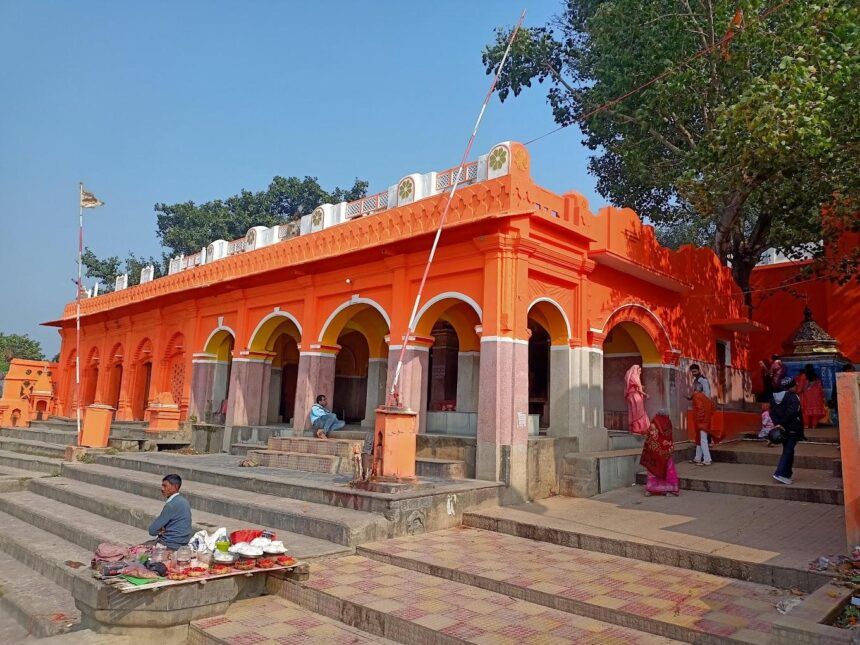
Munger Popular Destinations to Visit Bihar (2026): The Complete Student-Friendly Travel Guide

- Introduction
- 1. Munger Fort
- 2. Bihar School of Yoga
- 3. Sita Kund
- 4. Kastaharni Ghat
- 5. Pir Pahar
- 6. Chandika Sthan
- 7. Ucheshwar Nath Temple
- 8. Goenka Shivalaya
- 9. Ganga Riverfront
- 10. Local Markets
- 11. Historical Gates of Munger
- 12. Ancient Mosques
- 13. Old British Buildings
- 14. Parks and Gardens
- 15. Nearby Villages
- ⭐⭐⭐⭐⭐ Overall Review (4.7/5)


Introduction
Munger is one of Bihar’s oldest and most culturally rich cities. Situated on the southern bank of the Ganges River, Munger is known for its historical monuments, spiritual centers, ancient temples, and peaceful environment. Every year, thousands of students, pilgrims, researchers, photographers, and tourists visit Munger to experience its unique blend of history and spirituality.
Whether you are planning an educational tour, a family vacation, or a budget-friendly student trip, Munger offers something special for everyone. Its historical significance, natural beauty, and religious heritage make it one of Bihar’s most underrated tourist destinations.
In this guide, you’ll discover the best places to visit in Munger, travel costs, historical background, interesting facts, FAQs, timeline, importance, and practical travel tips.
Why Visit Munger in 2026?
Munger has become increasingly popular because of:
- Rich historical heritage
- Ancient temples
- Famous yoga institutions
- Peaceful Ganga riverfront
- Affordable travel costs
- Student-friendly educational sites
- Spiritual tourism
- Photography opportunities
- Local food culture
- Easy transportation
15 Best Munger Popular Destinations to Visit
1. Munger Fort


History
Built nearly 2,000 years ago and later renovated during the Mughal era, Munger Fort has witnessed several dynasties including the Mauryas, Guptas, Delhi Sultanate, and British Empire.
Student Importance
- Learn Indian medieval architecture
- History projects
- Archaeological studies
Entry Cost
- Free
- Camera: Usually Free
2. Bihar School of Yoga
Founded in 1963, this internationally famous yoga institute attracts students from over 100 countries.
Activities
- Yoga learning
- Meditation
- Spiritual research
- Wellness programs
Estimated Visit Cost:
- Campus Visit: Free
- Residential Programs: ₹500–₹3,000+
3. Sita Kund
A famous hot water spring believed to be associated with Goddess Sita.
Interesting Fact
The water remains naturally warm throughout the year.
Entry Fee:
- Free
4. Kastaharni Ghat
Known for its peaceful Ganga views and evening prayers.
Activities:
- Boating
- Photography
- Sunrise viewing
- Religious ceremonies
Boat Charges:
₹50–₹200
5. Pir Pahar
One of Munger’s best viewpoints.
Perfect for:
- Trekking
- Nature lovers
- Educational tours
Entry:
Free
6. Chandika Sthan
One of Bihar’s respected Shakti temples visited throughout the year.
7. Ucheshwar Nath Temple
Ancient Shiva temple attracting devotees especially during Shravan.
8. Goenka Shivalaya
A beautiful temple built with impressive architecture.
9. Ganga Riverfront
Ideal for relaxation, walking, and photography.
10. Local Markets
Perfect for:
- Buying handicrafts
- Traditional sweets
- Local snacks
Budget:
₹100–₹500
11. Historical Gates of Munger
These ancient gateways reflect the city’s rich defensive architecture.
12. Ancient Mosques
Several historic mosques display remarkable Indo-Islamic architecture.
13. Old British Buildings
Excellent for history enthusiasts studying colonial-era structures.
14. Parks and Gardens
Family-friendly spots for recreation and student outings.
15. Nearby Villages
Experience rural Bihar, local traditions, agriculture, and folk culture.
Estimated Student Trip Cost (1 Day)
| Expense | Approximate Cost |
|---|---|
| Train/Bus | ₹100–₹500 |
| Local Transport | ₹150 |
| Food | ₹250 |
| Entry Fees | Mostly Free |
| Shopping | ₹300 |
| Miscellaneous | ₹200 |
| Total | ₹1,000–₹1,500 |
History of Munger
Munger has a history spanning more than two thousand years. It has been associated with the ancient Magadha Kingdom and later came under the Maurya Empire, Gupta Empire, Delhi Sultanate, Mughal Empire, and British administration.
The city served as an important military center because of its strategic location on the banks of the Ganga. Over time, it also became famous for religious learning, yoga, and traditional craftsmanship.
Timeline
| Year/Period | Event |
|---|---|
| Ancient Era | Part of Magadha Kingdom |
| 3rd Century BCE | Mauryan influence |
| Gupta Period | Flourished culturally |
| Medieval Era | Munger Fort expanded |
| Mughal Rule | Administrative center |
| British Rule | Military importance increased |
| 1963 | Bihar School of Yoga established |
| 2026 | Growing educational and heritage tourism |
Amazing Facts About Munger
- One of Bihar’s oldest cities.
- Home to a globally recognized yoga institution.
- Famous for its historic fort.
- Located beside the holy Ganga River.
- Known for natural hot springs.
- Rich blend of Hindu, Buddhist, Islamic, and colonial heritage.
- Popular destination for educational tours.
- Offers affordable travel for students.
Importance for Students
Educational trips to Munger help students:
- Understand Indian history.
- Explore archaeology.
- Learn about yoga and wellness.
- Improve photography skills.
- Experience cultural diversity.
- Build environmental awareness.
- Develop appreciation for heritage conservation.
Cultural Significance
Munger is significant because it:
- Preserves ancient traditions.
- Promotes yoga worldwide.
- Encourages religious harmony.
- Supports heritage tourism.
- Strengthens local employment.
- Inspires historical research.
Importance in Our Life
Traveling to places like Munger teaches valuable life lessons:
- Respect for history and culture.
- Appreciation of nature.
- Healthy living through yoga.
- Patience and mindfulness.
- Responsible tourism.
- Better understanding of India’s diversity.
Daily Life Impacts
Munger influences everyday life by:
- Encouraging wellness practices.
- Supporting local businesses.
- Preserving traditional crafts.
- Inspiring students to learn history.
- Promoting eco-friendly travel.
- Creating employment through tourism.
Observance and Heritage Preservation
Visitors can contribute by:
- Keeping tourist sites clean.
- Respecting local customs.
- Avoiding damage to monuments.
- Supporting local artisans.
- Practicing responsible photography.
- Following heritage conservation guidelines.
Important Points
- Best time to visit: October to March.
- Carry comfortable footwear.
- Stay hydrated.
- Respect religious customs.
- Keep the surroundings clean.
- Use licensed transportation.
- Travel with valid identification.
Student Travel Tips
- Travel in groups.
- Book train tickets early.
- Carry a reusable water bottle.
- Wear comfortable clothing.
- Keep emergency contacts handy.
- Learn a few local phrases for easier communication.
Review Section
⭐⭐⭐⭐⭐ Overall Review (4.7/5)
| Category | Rating |
|---|---|
| History | ⭐⭐⭐⭐⭐ |
| Spiritual Experience | ⭐⭐⭐⭐⭐ |
| Student Learning | ⭐⭐⭐⭐⭐ |
| Budget Travel | ⭐⭐⭐⭐⭐ |
| Family Friendly | ⭐⭐⭐⭐☆ |
| Photography | ⭐⭐⭐⭐⭐ |
| Safety | ⭐⭐⭐⭐☆ |
| Cleanliness | ⭐⭐⭐⭐☆ |
Pros
- Affordable destination.
- Rich historical heritage.
- Excellent educational value.
- Beautiful river views.
- Peaceful environment.
- Globally known yoga center.
Cons
- Limited nightlife.
- Summer temperatures can be high.
- Public transport schedules may vary.
Frequently Asked Questions (FAQs)
1. Why is Munger famous?
Munger is famous for its historic fort, yoga institute, temples, hot springs, and rich cultural heritage.
2. Is Munger good for students?
Yes. It is an excellent destination for educational trips because of its history, architecture, spirituality, and affordable travel costs.
3. What is the best time to visit Munger?
October to March offers pleasant weather for sightseeing.
4. Is Munger expensive?
No. A student can comfortably explore the city on a budget of around ₹1,000–₹1,500 for a day trip.
5. How many days are enough?
Two to three days are generally enough to visit the major attractions.
6. Is Munger safe for tourists?
Yes, with normal travel precautions and awareness of local guidelines.
7. Can families visit Munger?
Absolutely. It is suitable for families, students, pilgrims, and solo travelers.
8. What local food should visitors try?
Traditional Bihari dishes such as litti chokha, sattu-based foods, khaja, and local sweets are popular choices.
Best Wishes for Travelers
May your journey to Munger be filled with learning, peace, memorable experiences, and a deeper appreciation of Bihar’s rich cultural and historical heritage. Travel responsibly, respect local traditions, and create memories that inspire lifelong curiosity and kindness.
Conclusion
Munger is far more than a historical city—it is a place where history, spirituality, education, and nature come together. From the imposing Munger Fort and the world-renowned Bihar School of Yoga to the serene Ganga ghats and sacred temples, every destination tells a unique story. For students, it serves as an open-air classroom where lessons in history, culture, architecture, and environmental awareness come alive.
Its affordable travel costs, welcoming atmosphere, and educational value make it one of Bihar’s most rewarding destinations in 2026. Whether you are exploring ancient monuments, enjoying the peaceful riverfront, or learning about yoga and local traditions, a visit to Munger can leave a lasting impact on your knowledge, personal growth, and appreciation of India’s diverse heritage.








Thanks for posting! Here’s something related: https://cheapsb2b.com/trenuvalne-vzuttya-dlya-fitnesu-klyuch-do-komfortu-ta-efektyvnosti/
Having read this I thought it was very informative. I appreciate you taking the time and effort to put this article together. I once again find myself spending way to much time both reading and commenting. But so what, it was still worth it!