Lord Balabhadra: Complete History, Significance, Facts, Timeline, Importance, Wishes, and Daily Life Lessons

- Introduction
- Who is Lord Balabhadra?
- History of Lord Balabhadra
- Timeline of Lord Balabhadra
- Interesting Facts About Lord Balabhadra
- Significance of Lord Balabhadra
- Importance of Lord Balabhadra for Students
- Importance in Daily Life
- Importance to Society
- Observance and Worship
- Life Lessons from Lord Balabhadra
- Wishing Messages
- Important Points to Remember
- Frequently Asked Questions (FAQs)
- Who is Lord Balabhadra?
- Why is he called Balarama?
- What are his symbols?
- Why is he important?
- Which festival is associated with him?
- Why do farmers worship Lord Balabhadra?
- What can students learn from him?
- Why is Lord Balabhadra worshipped with Jagannath?
- Reader Review


Introduction
Lord Balabhadra, also known as Balarama, is one of the most respected and beloved deities in Hinduism. He is recognized as the elder brother of Lord Krishna and the son of Vasudeva and Rohini. In many traditions, Lord Balabhadra is worshipped as the embodiment of strength, righteousness, agriculture, honesty, and protection. He plays a significant role in the Mahabharata, Bhagavata Purana, and various other Hindu scriptures.
For students, Lord Balabhadra is an inspiration because he teaches discipline, hard work, courage, humility, and responsibility. Farmers honor him as the protector of agriculture, while devotees seek his blessings for physical strength, wisdom, and prosperity.
This detailed guide explores everything about Lord Balabhadra—from his history and timeline to his significance, observance, interesting facts, frequently asked questions, and the valuable life lessons he offers.
Who is Lord Balabhadra?
Lord Balabhadra is regarded as the elder brother of Lord Krishna. He is traditionally depicted carrying a plough (Hala) and a mace (Gada), symbolizing agriculture, strength, and protection.
He is often considered:
- The God of Strength
- Protector of Farmers
- Symbol of Truth and Simplicity
- Teacher of Morality
- Guardian of Dharma
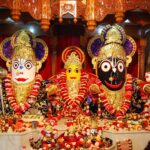
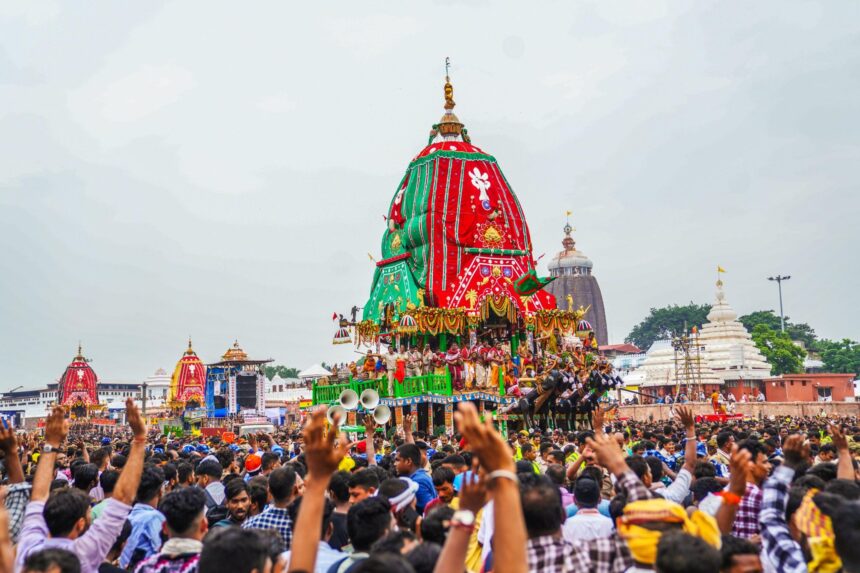
In Odisha, Lord Balabhadra is worshipped along with Lord Jagannath and Goddess Subhadra, especially during the famous Rath Yatra festival.
History of Lord Balabhadra
According to Hindu scriptures, Lord Balabhadra was born to Vasudeva and Rohini. Due to the threat posed by King Kansa, divine intervention transferred the unborn child from Devaki’s womb to Rohini’s, earning him the name Sankarshana, meaning “one who was drawn away.”
Balabhadra spent his childhood in Gokul alongside Krishna. While Krishna became famous for his playful and miraculous deeds, Balabhadra was admired for his calm nature, immense strength, and unwavering sense of justice.
As he grew older, Balabhadra became a skilled warrior, a respected teacher, and a protector of his family and kingdom. He also played a notable role in the Mahabharata, choosing neutrality during the Kurukshetra war because he respected both the Kauravas and the Pandavas.
Timeline of Lord Balabhadra
| Event | Description |
|---|---|
| Divine Birth | Born as the elder brother of Lord Krishna |
| Childhood | Raised in Gokul with Krishna |
| Youth | Defeated many demons threatening villagers |
| Education | Became a master of mace fighting |
| Mahabharata Era | Remained neutral during the Kurukshetra War |
| Jagannath Tradition | Worshipped alongside Jagannath and Subhadra |
| Present Day | Revered across India, especially in Odisha |
Interesting Facts About Lord Balabhadra
- He is also known as Balarama.
- His main weapon is the plough.
- He symbolizes physical and mental strength.
- He is regarded as the original spiritual teacher in several traditions.
- Farmers worship him for prosperous harvests.
- His favorite color is traditionally associated with white, representing purity.
- His chariot in Rath Yatra is called Taladhwaja.
- He is worshipped across India, particularly in Odisha, Uttar Pradesh, and Gujarat.
- He represents honesty and simplicity.
- He inspires courage without unnecessary aggression.
Significance of Lord Balabhadra
Lord Balabhadra teaches people to combine strength with kindness. His life demonstrates that true power lies in protecting others rather than dominating them.
His significance includes:
1. Symbol of Strength
Strength is not merely physical but also mental, emotional, and moral.
2. Agriculture
The plough represents farming, reminding society of the importance of food production and respect for farmers.
3. Family Values
He consistently supported and protected his family while respecting righteousness.
4. Teacher of Discipline
Balabhadra encourages discipline, honesty, and responsibility.
5. Protector of Dharma
He upheld justice and truth throughout his life.
Importance of Lord Balabhadra for Students
Students can learn several valuable lessons from Lord Balabhadra:
- Work hard every day.
- Stay disciplined.
- Respect parents and teachers.
- Build physical fitness.
- Develop self-confidence.
- Help classmates.
- Speak the truth.
- Never misuse strength.
- Stay humble after achieving success.
- Balance education with good character.
Importance in Daily Life
Lord Balabhadra’s teachings remain relevant today.
Personal Life
- Encourages honesty
- Promotes patience
- Builds confidence
- Inspires responsibility
Professional Life
- Leadership
- Teamwork
- Fair decision-making
- Integrity
Family Life
- Respect elders
- Protect loved ones
- Maintain harmony
- Practice forgiveness
Importance to Society
Modern society benefits from Balabhadra’s ideals because they encourage:
- Respect for agriculture
- Social harmony
- Moral leadership
- Equality
- Compassion
- Service to others
- Peaceful coexistence
- Honest governance
Communities inspired by these values are more likely to thrive with mutual trust and cooperation.
Observance and Worship


Lord Balabhadra is especially worshipped during:
- Rath Yatra
- Baladeva Jayanti
- Krishna Janmashtami celebrations
- Daily temple worship
Common devotional practices include:
- Chanting prayers
- Reading sacred scriptures
- Offering fruits and flowers
- Performing charity
- Helping those in need
- Feeding the poor
Life Lessons from Lord Balabhadra
Stay Strong
Face life’s challenges with courage.
Be Honest
Truth creates lasting trust.
Respect Nature
The plough symbolizes harmony with the earth.
Help Others
Strength should protect, not harm.
Stay Humble
Greatness comes from service.
Practice Discipline
Success requires consistency.
Wishing Messages
Here are some heartfelt wishes:
- May Lord Balabhadra bless you with strength, wisdom, happiness, and prosperity.
- May the blessings of Lord Balabhadra fill your life with courage and peace.
- Wishing you health, success, and divine protection through Lord Balabhadra’s grace.
- May Lord Balabhadra inspire you to live with honesty, discipline, and compassion.
Important Points to Remember
- Elder brother of Lord Krishna.
- Symbol of strength and righteousness.
- Carries the plough and mace.
- Protector of farmers.
- Teacher of discipline.
- Represents truth and humility.
- Central figure in Jagannath worship.
- Inspires courage and responsibility.
- Encourages peaceful living.
- Teaches respect for family and society.
Frequently Asked Questions (FAQs)
Who is Lord Balabhadra?
Lord Balabhadra is the elder brother of Lord Krishna and is widely worshipped as the deity of strength, agriculture, and righteousness.
Why is he called Balarama?
The name “Balarama” combines “Bala” (strength) and “Rama” (one who brings joy), reflecting his qualities.
What are his symbols?
His most recognizable symbols are the plough and the mace.
Why is he important?
He represents courage, honesty, justice, discipline, and the responsible use of strength.
Which festival is associated with him?
He is prominently honored during the Rath Yatra festival and Baladeva Jayanti.
Why do farmers worship Lord Balabhadra?
Because he symbolizes agriculture, fertile land, and prosperity.
What can students learn from him?
Students can learn discipline, respect, honesty, hard work, and self-control.
Why is Lord Balabhadra worshipped with Jagannath?
In the Jagannath tradition, Lord Balabhadra, Lord Jagannath, and Goddess Subhadra are worshipped together as divine siblings, representing unity and devotion.
Review Section
Reader Review
⭐⭐⭐⭐⭐ 5/5 – Highly Informative
This guide provides a comprehensive overview of Lord Balabhadra in simple and easy-to-understand language. It explains his history, spiritual significance, festivals, timeline, and life lessons while also highlighting his importance for students and society. The inclusion of FAQs, wishes, practical teachings, and visual references makes it useful for readers of all ages.
Pros
- Beginner-friendly language
- Student-focused explanations
- Covers history, facts, and significance
- Includes timeline and FAQs
- Practical daily life lessons
- SEO-friendly structure
Suggested Improvement
Readers interested in deeper scriptural study may also wish to explore primary Hindu texts such as the Bhagavata Purana and the Mahabharata for additional details and traditional interpretations.
Conclusion
Lord Balabhadra is much more than a symbol of physical strength. He represents honesty, discipline, courage, humility, compassion, and service to humanity. His life teaches us that true power is measured not by dominance but by our ability to protect others, uphold justice, and live responsibly.
For students, he serves as a role model for hard work and perseverance. For families, he represents unity and respect. For farmers, he symbolizes prosperity and the importance of agriculture. For society, he reminds us that integrity, kindness, and cooperation build stronger communities.
By embracing the timeless values of Lord Balabhadra in our daily lives—truthfulness, discipline, respect for nature, and service to others—we can contribute to a more peaceful, compassionate, and harmonious society while finding greater purpose in our own lives.