Powerful Reasons Why Uttarakhand Foundation Day Inspires Pride, Progress, and Beautiful Hope
Introduction: What Is Uttarakhand Foundation Day?
Uttarakhand Foundation Day, also known as Uttarakhand Diwas or Uttarakhand Sthapana Diwas, is celebrated every year on 9 November. The day commemorates the formation of Uttarakhand as India’s 27th state on 9 November 2000.
- Introduction: What Is Uttarakhand Foundation Day?
- History of Uttarakhand Foundation Day
- Why Was a Separate Uttarakhand State Demanded?
- The Uttarakhand Statehood Movement
- Formation of Uttarakhand on 9 November 2000
- Why Was Uttaranchal Renamed Uttarakhand?
- 9 Powerful Reasons Why Uttarakhand Foundation Day Is Important
- 1. It Honours the Sacrifices of the Statehood Movement
- 2. It Celebrates Uttarakhand’s Distinct Cultural Identity
- 3. It Encourages Development in Mountain Communities
- 4. It Inspires Young People to Build Their Future
- 5. It Highlights the Importance of Environmental Protection
- 6. It Promotes Tourism and Local Livelihoods
- 7. It Strengthens Democratic Awareness
- 8. It Encourages Women and Community Participation
- 9. It Creates Hope for a Better Future
- Uttarakhand Foundation Day 2026: Important Date and Timeline
- Important Facts About Uttarakhand
- How Is Uttarakhand Foundation Day Celebrated?
- 1. Official Ceremonies
- 2. Cultural Programmes
- 3. School and College Activities
- 4. Honouring Contributors
- 5. Public Awareness and Development Discussions
- Significance of Uttarakhand Foundation Day in Our Daily Lives
- For Students
- For Families
- For Young Professionals
- For Society
- For Environmental Awareness
- For National Unity
- Challenges and Responsibilities for Uttarakhand’s Future
- Employment and Migration
- Healthcare and Education
- Environmental Protection
- Disaster Preparedness
- Balanced Tourism
- Uttarakhand Foundation Day Wishes, Greetings, and Messages
- 1. General Foundation Day Wish
- 2. Inspirational Message
- 3. Wish for Students
- 4. Message for the People of Uttarakhand
- 5. Environmental Message
- 6. Social Media Greeting
- 7. Message Honouring the Statehood Movement
- 8. Short Hindi Greeting
- Review Section: Uttarakhand Foundation Day — History, Identity, and Progress
- Frequently Asked Questions About Uttarakhand Foundation Day
- 1. When is Uttarakhand Foundation Day celebrated?
- 2. When was Uttarakhand formed?
- 3. What was Uttarakhand called when it was first formed?
- 4. When was Uttaranchal renamed Uttarakhand?
- 5. Why is Uttarakhand Foundation Day important?
- 6. Which state was Uttarakhand separated from?
- 7. Which number state of India is Uttarakhand?
- 8. What is the capital of Uttarakhand?
- 9. How many districts are there in Uttarakhand?
- 10. What is Uttarakhand famous for?
- 11. How is Uttarakhand Foundation Day celebrated?
- 12. What is the significance of Uttarakhand’s statehood movement?
- 13. Why is environmental protection important in Uttarakhand?
- 14. How old will Uttarakhand be in 2026?
- 15. What can students learn from Uttarakhand Foundation Day?
- Conclusion: A Stronger Uttarakhand Begins With All of Us
- Publishing Checklist for Minorstudy
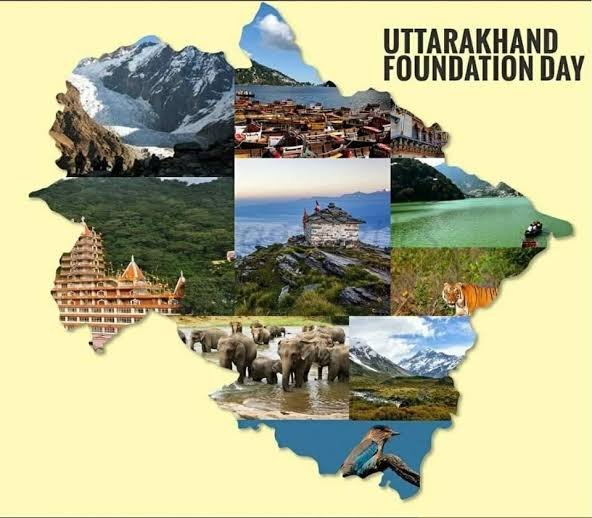
Located in the majestic Himalayas, Uttarakhand is famous for its snow-covered mountains, sacred rivers, ancient temples, forests, wildlife, and vibrant cultural traditions. Often called Devbhoomi, meaning the Land of the Gods, the state is home to important pilgrimage destinations such as Kedarnath, Badrinath, Gangotri, and Yamunotri.
However, Uttarakhand Foundation Day is about much more than mountains and religious tourism. It commemorates a long public movement for a separate state, the aspirations of people seeking greater recognition for their regional identity, and their hopes for development suited to the challenges of mountain communities.
On this day, people remember the sacrifices made during the statehood movement, celebrate Garhwali and Kumaoni traditions, and reflect on the state’s achievements and unfinished goals.
In 2026, Uttarakhand Foundation Day falls on Monday, 9 November, marking 26 years since the state was established.
For students, this occasion offers an opportunity to learn about Indian federalism, regional identity, democratic movements, environmental protection, and the importance of balanced development.
The story of Uttarakhand teaches us that building a state is not simply about drawing boundaries on a map. It is about creating opportunities, protecting cultural heritage, improving public services, and making life better for the people who call that place home.
History of Uttarakhand Foundation Day
Why Was a Separate Uttarakhand State Demanded?
Before 2000, the region now known as Uttarakhand was part of Uttar Pradesh. Many people in the Himalayan districts believed that their region needed a separate state administration to address its distinctive geographical, economic, cultural, and social challenges.
Mountain communities faced difficulties associated with remote villages, limited transport connectivity, access to healthcare and education, employment opportunities, and the delivery of public services across difficult terrain.
Many supporters of statehood believed that a separate administration could give greater attention to these issues. The movement also reflected a strong desire to preserve the region’s cultural identity and strengthen local participation in governance.
The demand for a separate state developed over many years and involved students, social activists, community organisations, political leaders, and ordinary citizens.
The Uttarakhand Statehood Movement
The movement gained significant momentum during the 1990s. Public demonstrations, marches, meetings, and protests became important expressions of the demand for statehood.
The year 1994 was particularly significant. Demonstrations and police action at places including Khatima, Mussoorie, and Rampur Tiraha became painful chapters in the movement’s history.
The deaths and injuries associated with these events strengthened public determination and remain an important part of the state’s collective memory.
The movement was not simply an administrative demand. For many people, it represented hopes for dignity, regional representation, employment, education, infrastructure, and a future in which the distinctive needs of Himalayan communities would receive greater attention.
Formation of Uttarakhand on 9 November 2000
The Government of India enacted the Uttar Pradesh Reorganisation Act, 2000, which provided for the creation of the new state.
On 9 November 2000, the state came into existence under the name Uttaranchal, becoming the 27th state of the Indian Union.
This was a landmark moment for people who had worked towards the creation of a separate state. The new administration offered an opportunity to address regional priorities through state-level institutions and policies.
The formation of Uttarakhand also demonstrated how India’s constitutional and parliamentary processes can accommodate demands for state reorganisation.
Why Was Uttaranchal Renamed Uttarakhand?
The state was officially renamed Uttarakhand on 1 January 2007.
The name Uttarakhand had longstanding cultural and historical associations with the region and had been widely used by supporters of the statehood movement. The change therefore restored a name closely connected with the region’s identity.
Today, Uttarakhand Foundation Day commemorates the state’s formation in 2000, while its name reflects a broader cultural and historical heritage. <Cite refs={[“turn601737search0″,”turn601737search3″,”turn601737search22”]}/>
9 Powerful Reasons Why Uttarakhand Foundation Day Is Important
1. It Honours the Sacrifices of the Statehood Movement
The first and most important reason to observe Uttarakhand Foundation Day is to remember the people who campaigned for a separate state.
Many individuals participated in demonstrations and public movements because they believed their region deserved greater recognition and opportunities.
The day reminds younger generations that democratic change often requires patience, collective action, and sustained public participation.
Remembering the movement also means recognising the pain experienced by those affected by violence and injustice during the struggle.
2. It Celebrates Uttarakhand’s Distinct Cultural Identity
Uttarakhand has a rich cultural heritage shaped by its Himalayan geography, languages, music, food, festivals, and local traditions.
Garhwali and Kumaoni cultures form important parts of the state’s identity. Folk songs, dances, traditional clothing, local crafts, and community celebrations preserve knowledge passed down through generations.
Foundation Day provides an opportunity for schools, cultural organisations, and communities to celebrate this heritage.
It also reminds people that cultural preservation should be an ongoing effort rather than an activity limited to one annual event.
3. It Encourages Development in Mountain Communities
Mountain regions face challenges that differ from those of large urban centres and plains.
Remote settlements may require specialised approaches to roads, healthcare, education, internet connectivity, emergency services, and transport.
Uttarakhand Foundation Day encourages people to reflect on whether development is reaching remote villages as well as major cities.
Progress should mean that children can access good schools, patients can reach medical facilities, farmers can connect with markets, and young people can find opportunities without being forced to leave their communities.
4. It Inspires Young People to Build Their Future
Many young people in Uttarakhand aspire to careers in education, tourism, technology, healthcare, public administration, agriculture, and entrepreneurship.
Foundation Day can inspire students to learn about the opportunities and challenges within their state.
Schools can organise essay competitions, quizzes, debates, speeches, and discussions about the state’s history and development.
The occasion also encourages young people to think about how their skills can contribute to local communities.
5. It Highlights the Importance of Environmental Protection
Uttarakhand’s forests, glaciers, rivers, mountains, and biodiversity are valuable natural assets.
These ecosystems support wildlife, agriculture, tourism, drinking-water supplies, and the livelihoods of many communities.
Environmental protection is therefore closely connected with the state’s long-term well-being.
Foundation Day is an appropriate time to discuss responsible tourism, forest conservation, waste management, water protection, disaster preparedness, and sustainable development.
Protecting nature is not separate from economic development. It is essential to the future of communities that depend on the Himalayan environment.
6. It Promotes Tourism and Local Livelihoods
Uttarakhand attracts visitors for pilgrimage, trekking, wildlife, adventure sports, mountain scenery, and cultural experiences.
Destinations such as Nainital, Rishikesh, Haridwar, Auli, Mussoorie, and the Char Dham pilgrimage sites contribute to the state’s tourism appeal.
Tourism can create opportunities for guides, drivers, hotel workers, artisans, food businesses, transport providers, and homestay owners.
Foundation Day encourages reflection on how tourism can benefit local people while protecting fragile mountain ecosystems and respecting local customs.
7. It Strengthens Democratic Awareness
The creation of Uttarakhand demonstrates the importance of constitutional processes, public participation, and representative government.
Foundation Day can help students understand how states are created, how governments function, and why citizens should participate responsibly in democratic life.
It also provides an opportunity to discuss accountability, public services, equal opportunity, and the need to listen to communities whose concerns may otherwise remain overlooked.
8. It Encourages Women and Community Participation
Women have played important roles in the social, cultural, economic, and environmental life of Uttarakhand.
In many mountain communities, women contribute to agriculture, household management, local enterprises, and the preservation of traditional knowledge.
The statehood movement also involved women and community organisers who helped sustain public participation.
Foundation Day can encourage greater attention to women’s education, safety, healthcare, entrepreneurship, leadership, and participation in local decision-making.
9. It Creates Hope for a Better Future
A foundation day is not only a celebration of the past. It is also an opportunity to imagine what the next generation can achieve.
People can use the occasion to reflect on education, employment, healthcare, transport, digital access, environmental protection, and the quality of public services.
The most meaningful celebration is one that combines pride in the state’s achievements with a willingness to address its remaining challenges.
Uttarakhand’s future depends on cooperation among citizens, public institutions, businesses, educational organisations, and community groups.
Uttarakhand Foundation Day 2026: Important Date and Timeline
The state observes Foundation Day annually on 9 November.
| Year or date | Historical milestone |
|---|---|
| Before 2000 | The region formed part of Uttar Pradesh, while demands for a separate state developed over time |
| 1994 | The statehood movement gained momentum, with major demonstrations and tragic incidents |
| 2000 | The Uttar Pradesh Reorganisation Act provided for the creation of the new state |
| 9 November 2000 | Uttaranchal officially became India’s 27th state |
| 1 January 2007 | Uttaranchal was officially renamed Uttarakhand |
| 9 November 2025 | The state marked its silver jubilee, completing 25 years since formation |
| 9 November 2026 | Uttarakhand celebrates its 26th Foundation Day anniversary |
The formation date and name change are documented by the Government of Uttarakhand and the Government of India. <Cite refs={[“turn601737search0″,”turn601737search22″,”turn601737search9”]}/>
Important Facts About Uttarakhand
Here are some useful facts for students, teachers, and readers.
- Foundation Day: Uttarakhand Foundation Day is observed on 9 November every year.
- Formation year: The state was established in 2000.
- First name: It was initially called Uttaranchal.
- Renaming: The official name became Uttarakhand on 1 January 2007.
- State number: Uttarakhand became the 27th state of India.
- Capital: Dehradun serves as the state’s principal capital.
- Summer capital: Gairsain, in the Bhararisain area, is designated as the summer capital.
- High Court: The Uttarakhand High Court is located in Nainital.
- Districts: The state has 13 districts.
- Regions: Its two major administrative divisions are Garhwal and Kumaon.
- Geography: Much of the state lies in the Himalayan region.
- International borders: Uttarakhand shares borders with China and Nepal.
- Sacred rivers: The Ganga and Yamuna river systems are closely associated with the state’s geography and religious heritage.
- Tourism: The state is known for pilgrimage, wildlife, adventure tourism, and mountain destinations.
- Environmental importance: Its forests, rivers, glaciers, and biodiversity make conservation particularly important.
The state’s geography and administrative details are published by the Government of Uttarakhand. <Cite refs={[“turn601737search2″,”turn601737search5″,”turn601737search7”]}/>
How Is Uttarakhand Foundation Day Celebrated?
Foundation Day celebrations commonly include official programmes, cultural events, speeches, public gatherings, and activities highlighting the state’s history and achievements. The exact programme varies from year to year.
1. Official Ceremonies
Government institutions may organise ceremonies to mark the formation of the state. Leaders and public representatives may pay tribute to those who contributed to the statehood movement and discuss development priorities.
2. Cultural Programmes
Folk music, traditional dances, regional performances, and exhibitions can help showcase Uttarakhand’s cultural diversity.
Garhwali and Kumaoni traditions are often important parts of such programmes.
3. School and College Activities
Educational institutions may organise quizzes, essay-writing competitions, debates, speeches, painting competitions, and cultural performances.
These activities help students learn about the state’s history, geography, public institutions, and regional identity.
4. Honouring Contributors
Foundation Day provides an opportunity to remember activists, social workers, educators, public servants, and community members who contributed to the statehood movement and the state’s development.
5. Public Awareness and Development Discussions
Communities can use the occasion to discuss local issues such as employment, education, healthcare, water conservation, road safety, and environmental protection.
These conversations help connect historical remembrance with present-day responsibilities.
Significance of Uttarakhand Foundation Day in Our Daily Lives
The lessons of Foundation Day are relevant beyond government ceremonies and public celebrations.
For Students
Students can learn that social progress requires knowledge, cooperation, patience, and responsible participation.
They can explore the state’s history, research local environmental issues, and understand how government policies affect communities.
For Families
Families can pass on regional languages, stories, traditional recipes, folk songs, and local customs to younger generations.
Such activities strengthen cultural identity and help preserve traditions.
For Young Professionals
The occasion encourages young professionals to explore entrepreneurship, sustainable tourism, digital services, agriculture-related businesses, and other opportunities that can contribute to the state.
It also highlights the importance of creating employment that allows people to build meaningful lives close to their communities.
For Society
Foundation Day reminds citizens that development should include rural and remote communities.
Good roads, reliable healthcare, quality education, digital access, clean water, and fair economic opportunities are essential parts of social progress.
For Environmental Awareness
The Himalayan environment requires careful planning and responsible behaviour.
People can contribute by reducing waste, conserving water, respecting wildlife, avoiding litter during travel, and supporting responsible tourism practices.
For National Unity
Uttarakhand’s creation illustrates how India’s federal system accommodates regional aspirations through constitutional processes.
Celebrating the state’s identity can strengthen national unity when regional pride is combined with respect for other states and communities.
Challenges and Responsibilities for Uttarakhand’s Future
Foundation Day is also a suitable time to consider the challenges facing the state.
Employment and Migration
Some mountain communities face limited local employment opportunities, encouraging people to move elsewhere for education and work.
Supporting local enterprises, improving connectivity, and expanding access to skills training can help create more choices for young people.
Healthcare and Education
Remote settlements can face difficulties accessing specialist medical care and higher-quality educational facilities.
Strengthening local services, improving transport, and using technology appropriately can help reduce these barriers.
Environmental Protection
Deforestation, waste, unplanned construction, and poorly managed tourism can place pressure on fragile ecosystems.
Development planning should consider environmental risks, local livelihoods, and the long-term needs of future generations.
Disaster Preparedness
Mountain areas can face natural hazards such as landslides, floods, earthquakes, and extreme weather.
Public awareness, resilient infrastructure, early-warning systems, and community preparedness are important for reducing risks.
Balanced Tourism
Tourism supports many livelihoods, but overcrowding and poorly managed development can damage local environments.
Responsible tourism should benefit local residents, protect natural resources, and respect the cultural character of communities.
These challenges do not diminish Uttarakhand’s achievements. Instead, they highlight the work needed to make future progress inclusive and sustainable.
Uttarakhand Foundation Day Wishes, Greetings, and Messages
Share these original greetings with family, friends, students, teachers, and readers.
1. General Foundation Day Wish
Happy Uttarakhand Foundation Day! May our beautiful state continue to grow in peace, prosperity, education, and opportunity.
2. Inspirational Message
On Uttarakhand Foundation Day, let us remember the sacrifices of the statehood movement and work towards a future filled with hope, dignity, and progress for every citizen.
3. Wish for Students
Happy Uttarakhand Foundation Day! May the young generation gain knowledge, build confidence, protect our heritage, and contribute to a brighter future for the state.
4. Message for the People of Uttarakhand
Warm wishes to the people of Uttarakhand. May the land of majestic mountains, sacred rivers, and rich traditions continue to inspire unity, courage, and happiness.
5. Environmental Message
This Uttarakhand Foundation Day, let us pledge to protect our forests, rivers, wildlife, and mountains for future generations.
6. Social Media Greeting
Happy Uttarakhand Foundation Day! Proud of our heritage, inspired by our history, and hopeful for a stronger and greener future.
7. Message Honouring the Statehood Movement
Let us pay tribute to those who struggled for Uttarakhand’s statehood. May their aspirations inspire us to build a society that offers dignity, opportunity, and justice to all.
8. Short Hindi Greeting
उत्तराखंड स्थापना दिवस की हार्दिक शुभकामनाएँ! हमारा उत्तराखंड सदैव प्रगति, समृद्धि, शांति और खुशहाली के मार्ग पर आगे बढ़ता रहे।
Review Section: Uttarakhand Foundation Day — History, Identity, and Progress
Overall editorial rating: 5/5 for historical significance and regional identity
Uttarakhand Foundation Day is a meaningful occasion because it connects the state’s history with the aspirations of its people.
Its greatest importance lies in remembering the movement for statehood, preserving cultural traditions, and encouraging people to participate in the state’s future development.
The occasion is also valuable for students because it offers lessons in Indian history, constitutional governance, regional identity, environmental responsibility, and public participation.
However, a meaningful celebration should go beyond speeches and ceremonies. It should encourage practical action on education, employment, healthcare, disaster preparedness, and environmental conservation.
What makes the day special?
- It commemorates the creation of Uttarakhand in 2000.
- It honours people who participated in the statehood movement.
- It celebrates Garhwali and Kumaoni heritage.
- It encourages students to learn about the state’s history.
- It highlights the importance of sustainable development.
- It inspires hope for better opportunities and public services.
What should citizens remember?
Regional pride becomes more valuable when it is combined with responsibility. Protecting the environment, respecting cultural diversity, supporting local livelihoods, and helping vulnerable communities are practical ways to contribute.
Final review: Uttarakhand Foundation Day is not only a celebration of the state’s creation. It is a reminder that the real success of statehood lies in improving people’s lives.
Frequently Asked Questions About Uttarakhand Foundation Day
1. When is Uttarakhand Foundation Day celebrated?
It is celebrated every year on 9 November.
2. When was Uttarakhand formed?
Uttarakhand was formed on 9 November 2000.
3. What was Uttarakhand called when it was first formed?
The state was initially named Uttaranchal.
4. When was Uttaranchal renamed Uttarakhand?
The name was officially changed to Uttarakhand on 1 January 2007.
5. Why is Uttarakhand Foundation Day important?
It commemorates the formation of the state and honours the people who campaigned for a separate state. It also celebrates regional culture and encourages reflection on future development.
6. Which state was Uttarakhand separated from?
Uttarakhand was created from the northern part of Uttar Pradesh under the Uttar Pradesh Reorganisation Act, 2000.
7. Which number state of India is Uttarakhand?
Uttarakhand became the 27th state of the Indian Union.
8. What is the capital of Uttarakhand?
Dehradun serves as the state’s principal capital. Gairsain, in the Bhararisain area, is designated as the summer capital.
9. How many districts are there in Uttarakhand?
Uttarakhand has 13 districts, grouped into the Garhwal and Kumaon divisions.
10. What is Uttarakhand famous for?
The state is known for its Himalayan landscapes, pilgrimage destinations, rivers, forests, wildlife, adventure tourism, and Garhwali and Kumaoni cultural traditions.
11. How is Uttarakhand Foundation Day celebrated?
Celebrations may include official ceremonies, cultural programmes, school competitions, speeches, exhibitions, and tributes to contributors to the statehood movement.
12. What is the significance of Uttarakhand’s statehood movement?
The movement reflected demands for regional identity, greater attention to mountain communities, and development suited to the region’s distinct needs.
13. Why is environmental protection important in Uttarakhand?
Its forests, rivers, glaciers, and biodiversity support communities and livelihoods. Protecting these resources is essential for sustainable development and disaster-risk reduction.
14. How old will Uttarakhand be in 2026?
Uttarakhand will complete 26 years since its formation on 9 November 2026.
15. What can students learn from Uttarakhand Foundation Day?
Students can learn about state formation, democratic movements, cultural heritage, environmental responsibility, and the importance of contributing to society.
Conclusion: A Stronger Uttarakhand Begins With All of Us
Uttarakhand Foundation Day is a celebration of history, identity, sacrifice, and hope. Every year on 9 November, the state remembers the journey that led to its formation and renews its commitment to a better future.
The story of Uttarakhand reminds us that regional aspirations can shape history and that meaningful development must respond to people’s real needs.
Its mountains, rivers, forests, temples, traditions, and communities are valuable parts of India’s heritage. Protecting them while creating better opportunities for residents is an important responsibility shared by citizens, institutions, and future generations.
As we celebrate Uttarakhand Foundation Day, let us remember those who worked for statehood, appreciate the state’s cultural diversity, and encourage young people to build a future filled with knowledge, compassion, and opportunity.
Let us support education, strengthen local livelihoods, protect the environment, and ensure that progress reaches remote villages as well as growing towns and cities.
Happy Uttarakhand Foundation Day! May Uttarakhand continue to move forward with pride in its heritage, strength in its people, care for its environment, and hope for a brighter future.
The true measure of progress is not simply how much a state grows, but how well it cares for its people and protects the resources that sustain them.
Publishing Checklist for Minorstudy
Sources for verification
Press Information Bureau — Uttarakhand Diwas
Press Information Bureau