Powerful Reasons Why the Major Hindu Festival of Lights Brings Beautiful Hope and Happiness
Introduction: What Is the Major Hindu Festival of Lights?
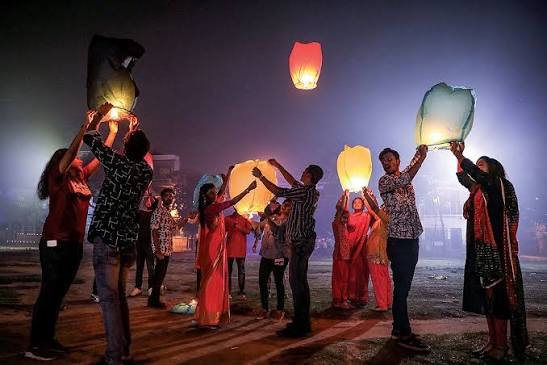
Diwali, also known as Deepavali, is one of the most important and widely celebrated Hindu festivals. Popularly called the Festival of Lights, it is a time when homes, temples, streets, and public spaces glow with beautiful lamps and decorations.
- Introduction: What Is the Major Hindu Festival of Lights?
- History of Diwali: How Did the Festival Begin?
- 1. Lord Rama’s Return to Ayodhya
- 2. Lord Krishna’s Victory Over Narakasura
- 3. Goddess Lakshmi and Lord Ganesha
- 4. Diwali in Jainism
- 5. Diwali and Sikhism
- 9 Powerful Reasons Why Diwali Is a Beautiful Festival
- 1. It Celebrates the Victory of Good Over Evil
- 2. It Spreads Hope and Positivity
- 3. It Strengthens Family Relationships
- 4. It Encourages Gratitude and Generosity
- 5. It Supports Small Businesses and Artisans
- 6. It Preserves Indian Culture and Heritage
- 7. It Encourages New Beginnings
- 8. It Promotes Knowledge and Personal Growth
- 9. It Builds Social Harmony
- Diwali 2026: Important Date and Festival Timeline
- Important Facts About the Major Hindu Festival of Lights
- How Is Diwali Celebrated Across India?
- Significance of Diwali in Our Daily Lives
- At Home
- In Education
- In Professional Life
- In Friendships and Relationships
- In Society
- In Personal Development
- Diwali and the Environment: How to Celebrate Responsibly
- Diwali Wishes, Greetings, and Messages
- 1. Traditional Diwali Wish
- 2. Inspirational Diwali Message
- 3. Diwali Wish for Students
- 4. Diwali Wish for Families
- 5. Diwali Wish for Society
- 6. Short Social Media Greeting
- 7. Diwali Wish for Success
- 8. Eco-Friendly Diwali Message
- Review Section: Diwali — A Festival of Light, Hope, and Togetherness
- Frequently Asked Questions About the Major Hindu Festival of Lights
- 1. What is the major Hindu Festival of Lights?
- 2. When is Diwali in 2026?
- 3. Why is Diwali celebrated?
- 4. What does Deepavali mean?
- 5. Which gods are worshipped during Diwali?
- 6. How many days does Diwali last?
- 7. Why are diyas lit during Diwali?
- 8. What is the significance of Diwali in Jainism?
- 9. What is Bandi Chhor Divas?
- 10. How can students celebrate Diwali meaningfully?
- 11. How can we celebrate an eco-friendly Diwali?
- 12. Is Diwali celebrated only in India?
- 13. What is the difference between Diwali and Deepavali?
- 14. What is the main message of Diwali?
- Conclusion: Let the Light of Diwali Live in Our Hearts
- Publishing Checklist for Minorstudy
The festival brings families and communities together through prayers, traditional food, colourful rangoli, new clothes, gifts, and acts of kindness. For many people, it is also a time to reflect on the past, appreciate the present, and welcome new beginnings.
The word Deepavali is commonly understood to mean a row of lamps. These lamps represent the victory of light over darkness, knowledge over ignorance, and goodness over evil.
For many Hindus, Diwali is associated with Lord Rama’s return to Ayodhya after fourteen years of exile and his victory over Ravana. Other traditions connect the festival with Goddess Lakshmi, Lord Ganesha, and Lord Krishna. The exact stories and rituals differ across regions.
Although Diwali is deeply rooted in Hindu traditions, it also holds distinctive religious significance for Jain and Sikh communities. Its celebrations have spread around the world, connecting people through cultural heritage, family traditions, and shared expressions of joy.
In December 2025, Deepavali was inscribed on UNESCO’s Representative List of the Intangible Cultural Heritage of Humanity, recognising its importance as a living cultural tradition. <Cite refs={[“turn929521search0″,”turn929521search6”]}/>
But the true beauty of this festival is not measured by the number of lamps we light or the gifts we exchange. It is reflected in the kindness we show, the relationships we strengthen, and the happiness we share.
History of Diwali: How Did the Festival Begin?
Diwali has a long and diverse cultural and religious history. Its traditions developed through ancient stories, religious texts, seasonal customs, and practices passed from one generation to another.
There is no single origin story that explains every form of Diwali celebration. Different regions and communities associate the festival with different religious events and spiritual meanings.
1. Lord Rama’s Return to Ayodhya
One of the best-known Hindu traditions connects Diwali with the return of Lord Rama to Ayodhya.
According to the Ramayana tradition, Lord Rama returned with Goddess Sita and Lakshmana after completing fourteen years of exile and defeating Ravana.
The people of Ayodhya are traditionally believed to have illuminated the city with lamps to welcome their beloved prince home.
This story represents the victory of righteousness over injustice and reminds people that patience, courage, and truth remain valuable even during difficult times.
2. Lord Krishna’s Victory Over Narakasura
Another important tradition is associated with Naraka Chaturdashi, also known as Chhoti Diwali in many regions.
According to Hindu mythology, Lord Krishna defeated Narakasura, a ruler associated with cruelty and oppression. His defeat symbolises the removal of evil and the restoration of justice.
This tradition encourages people to oppose wrongdoing and use their strength responsibly.
3. Goddess Lakshmi and Lord Ganesha
On the main Diwali evening, many Hindu families worship Goddess Lakshmi, associated with wealth and prosperity, and Lord Ganesha, associated with wisdom and the removal of obstacles.
Families pray for peace, health, success, and financial stability. Homes are cleaned and decorated, lamps are lit, and offerings are made according to family traditions.
The festival also provides an opportunity to reflect on the responsible use of wealth. Prosperity becomes more meaningful when it is earned honestly and used to support family members and society.
4. Diwali in Jainism
For many Jains, Diwali commemorates the nirvana, or liberation, of Lord Mahavira, the twenty-fourth Tirthankara.
This observance emphasises spiritual awakening, non-violence, self-discipline, truth, and freedom from harmful attachments.
The Jain tradition highlights the importance of inner light alongside the lamps that illuminate homes and temples.
5. Diwali and Sikhism
Diwali coincides with Bandi Chhor Divas, an important Sikh celebration commemorating Guru Hargobind Ji’s release from imprisonment and his return to Amritsar.
Sikh communities mark the occasion through prayers, devotional singing, illumination of gurdwaras, and community gatherings.
The observance carries messages of freedom, justice, courage, and concern for others.
These diverse traditions show why Diwali is a culturally significant festival with meanings that extend beyond a single historical or religious account. <Cite refs={[“turn929521search1″,”turn929521search5”]}/>
9 Powerful Reasons Why Diwali Is a Beautiful Festival
1. It Celebrates the Victory of Good Over Evil
The central message of Diwali is that goodness, truth, and righteousness deserve to prevail.
In everyday life, this can mean choosing honesty over dishonesty, refusing to participate in unfair practices, and standing up for people who are being mistreated.
The stories associated with Diwali encourage us to remember that our decisions matter. Even small acts of integrity can make families, workplaces, and communities better.
2. It Spreads Hope and Positivity
A small diya cannot solve every problem, but it can represent hope during difficult times.
Students facing examinations, families experiencing financial pressure, and individuals dealing with personal challenges may find encouragement in the festival’s message of renewal.
Diwali provides an opportunity to pause, reconnect with loved ones, and approach the future with a positive outlook.
Hope does not mean ignoring difficulties. It means believing that thoughtful actions and consistent effort can improve our circumstances.
3. It Strengthens Family Relationships
Modern life often keeps family members occupied with work, education, responsibilities, and digital distractions.
Diwali creates an opportunity to spend meaningful time together. Families prepare meals, decorate their homes, perform prayers, exchange gifts, and share memories.
The happiest moments are not always expensive. A conversation with grandparents, helping children make rangoli, or enjoying a meal together may create memories that last for years.
4. It Encourages Gratitude and Generosity
Diwali encourages people to appreciate their homes, health, relationships, education, and opportunities.
It is also a suitable time to help those who may not be able to afford elaborate celebrations.
People can donate food, distribute sweets, support charitable organisations, assist elderly neighbours, or help children obtain educational materials.
A small act of kindness can make a meaningful difference in someone’s life.
5. It Supports Small Businesses and Artisans
The festive season creates opportunities for potters, sweet makers, flower sellers, shopkeepers, textile workers, and craftspeople.
Buying locally made diyas, traditional decorations, or sweets from neighbourhood shops can help support livelihoods and preserve traditional skills.
Consumers can contribute by setting a budget, avoiding unnecessary debt, and choosing useful gifts rather than purchasing items simply because they are fashionable.
6. It Preserves Indian Culture and Heritage
Rangoli, traditional clothing, diyas, devotional songs, regional recipes, and family rituals are important elements of Diwali.
These practices allow children to learn about their cultural heritage from parents and grandparents. They also introduce younger generations to regional art, food, stories, and languages.
Traditions remain meaningful when people understand their values and pass them on with care.
7. It Encourages New Beginnings
Many families treat Diwali as a time to clean their homes, organise their surroundings, and welcome fresh opportunities.
People may also review their personal goals, improve daily habits, settle pending tasks, or attempt to resolve old disagreements.
A fresh beginning does not require a perfect life. It may start with a small decision to study consistently, manage money wisely, or become more patient with others.
8. It Promotes Knowledge and Personal Growth
The symbolism of light can also be understood as the victory of knowledge over ignorance.
For students, this message is especially relevant. Education helps people understand the world, identify misinformation, solve problems, and make informed decisions.
Families can honour this principle by encouraging reading, supporting a child’s education, sharing useful knowledge, or helping someone access learning opportunities.
9. It Builds Social Harmony
Diwali can bring together relatives, neighbours, friends, and people from different backgrounds.
Exchanging greetings, sharing food, and participating respectfully in community activities can strengthen relationships.
A harmonious society does not require everyone to follow the same beliefs. It requires people to respect one another and recognise each person’s dignity.
Diwali 2026: Important Date and Festival Timeline
Diwali follows the Hindu lunisolar calendar and generally falls in October or November.
In 2026, the main Diwali day falls on Sunday, 8 November, according to India’s published holiday calendar. <Cite refs={[“turn929521search10″,”turn929521search1”]}/>
The traditional five-day festival sequence is commonly observed as follows. Dates for particular rituals can vary according to regional panchangs and local customs.
| Festival | Date in 2026 | Traditional significance |
|---|---|---|
| Dhanteras | Friday, 6 November | Prosperity, health, and auspicious beginnings |
| Naraka Chaturdashi / Chhoti Diwali | Saturday, 7 November | Victory over negativity and evil |
| Main Diwali | Sunday, 8 November | Lamps, prayers, prosperity, and family celebrations |
| Govardhan Puja / Annakut | Monday, 9 November | Devotion, gratitude, and the Govardhan tradition |
| Bhai Dooj | Tuesday, 10 November | Love and affection between siblings |
Dhanteras
Dhanteras marks the beginning of the traditional five-day celebration. Families clean their homes, decorate entrances, and pray for health and prosperity.
Purchasing gold, silver, or utensils is a common custom, but expensive purchases are not necessary to celebrate the festival meaningfully.
Naraka Chaturdashi
Also known as Chhoti Diwali in many regions, this day is associated with Lord Krishna’s victory over Narakasura.
Families may prepare festive food, light lamps, and complete their preparations for the main celebration.
Main Diwali Day
The main day is marked by illuminated homes, rangoli, family gatherings, and prayers.
Many Hindu households perform Lakshmi Puja and worship Lord Ganesha. People exchange sweets and gifts and spend time with loved ones.
Those following specific rituals should consult their local panchang for the appropriate puja timings.
Govardhan Puja
This observance is associated with Lord Krishna and the Govardhan Hill tradition.
In many communities, devotees prepare Annakut, an offering of various foods, to express gratitude and devotion.
Bhai Dooj
Bhai Dooj celebrates affection between brothers and sisters. Traditions may include applying a tilak, sharing a meal, praying for one another’s well-being, and exchanging gifts.
The five-day sequence is described by India’s Ministry of Tourism, although customs and observances vary across regions. <Cite refs={[“turn929521search3″,”turn929521search1”]}/>
Important Facts About the Major Hindu Festival of Lights
- Diwali is also known as Deepavali. Both names refer to the Festival of Lights.
- The name Deepavali refers to rows of lamps. Diyas are among the festival’s most recognisable symbols.
- The date changes every year. Diwali follows the Hindu lunisolar calendar.
- It generally falls in October or November. The main observance is associated with the Kartika new-moon period.
- Lakshmi Puja is widely observed. Many Hindu families pray for prosperity and well-being.
- The festival has multiple religious meanings. Its significance varies by region and community.
- Jains and Sikhs have distinctive observances. These include Lord Mahavira’s nirvana and Bandi Chhor Divas.
- Diwali supports cultural learning. Families pass on stories, recipes, rituals, and artistic traditions.
- It is celebrated internationally. Communities in many countries observe Diwali.
- UNESCO recognised Deepavali in 2025. It was added to the Representative List of the Intangible Cultural Heritage of Humanity.
- The festival supports economic activity. Traditional crafts, food businesses, markets, and local shops often benefit from seasonal demand.
- Responsible celebration matters. Fireworks can contribute to air and noise pollution, while safe and thoughtful choices help protect people and the environment.
How Is Diwali Celebrated Across India?
Diwali is celebrated in different ways throughout India.
North India: Many Hindu families associate the festival with Lord Rama’s return to Ayodhya. Homes are decorated, lamps are lit, and Lakshmi Puja is performed.
South India: Naraka Chaturdashi and the story of Lord Krishna’s victory over Narakasura have particular importance in many communities.
Eastern India: Kali Puja is a significant observance in several areas, including parts of West Bengal and Assam.
Western India: Families celebrate Lakshmi Puja and various regional traditions associated with prosperity, renewal, and King Bali.
Sikh communities: Bandi Chhor Divas is marked through prayer, devotional singing, and the illumination of gurdwaras.
Jain communities: Diwali is associated with Lord Mahavira’s nirvana and spiritual reflection.
These descriptions represent broad patterns rather than universal rules. Practices differ among communities, regions, and families. <Cite refs={[“turn929521search1″,”turn929521search5”]}/>
Significance of Diwali in Our Daily Lives
The lessons of Diwali can remain meaningful long after the decorations are removed.
At Home
Cleaning, organising, and working together can encourage cooperation. Sharing meals and spending quality time together can strengthen family relationships.
In Education
Students can treat the festival as a reminder to learn continuously, respect teachers, and support classmates who may be struggling.
In Professional Life
Honesty, discipline, teamwork, and gratitude can improve workplace relationships. Diwali is also a good opportunity to review financial goals and prepare a realistic budget.
In Friendships and Relationships
A sincere greeting, a thoughtful conversation, or an apology can help repair strained relationships. The festival encourages people to appreciate those who contribute positively to their lives.
In Society
Helping disadvantaged families, supporting local workers, and respecting different traditions can strengthen communities.
In Personal Development
The symbolism of light overcoming darkness can inspire us to recognise harmful habits and make better decisions.
Personal growth may involve learning a new skill, improving daily routines, managing anger, or becoming more patient.
Diwali does not automatically solve poverty, loneliness, or conflict. However, its values can encourage practical actions that help people respond to these challenges with compassion.
Diwali and the Environment: How to Celebrate Responsibly
A meaningful celebration should consider the well-being of people, animals, and the environment.
Fireworks can contribute to air pollution and excessive noise. Smoke and sudden loud sounds may particularly affect children, older adults, people with respiratory sensitivities, and animals.
Here are seven ways to celebrate responsibly:
- Use traditional diyas or energy-efficient decorative lights safely.
- Reduce or avoid fireworks that create excessive smoke and noise.
- Keep open flames away from curtains, paper, and other flammable materials.
- Supervise children around diyas, candles, and electrical decorations.
- Dispose of festive packaging and waste properly.
- Choose reusable decorations and locally made products where practical.
- Share food, time, and useful gifts with people who need support.
An environmentally conscious celebration can still be joyful. Beautiful lights, family meals, music, prayer, and generosity do not require excessive consumption.
Diwali Wishes, Greetings, and Messages
Share these original wishes with family members, friends, students, colleagues, and readers.
1. Traditional Diwali Wish
Happy Diwali! May your home shine with happiness, your heart be filled with peace, and your life be blessed with good health, prosperity, and love.
2. Inspirational Diwali Message
May every diya remind you that hope can shine even during difficult times. May you find the courage to overcome challenges and the wisdom to welcome new beginnings. Happy Diwali!
3. Diwali Wish for Students
Wishing every student a bright and joyful Diwali filled with knowledge, confidence, creativity, and the determination to achieve their dreams.
4. Diwali Wish for Families
May this beautiful festival bring your family closer, fill your home with laughter, and create memories that remain precious for years to come.
5. Diwali Wish for Society
May the light of Diwali inspire us to spread kindness, respect every individual, support those in need, and build a peaceful and compassionate society.
6. Short Social Media Greeting
Happy Diwali! Let us light our homes, share our happiness, and spread kindness wherever we go.
7. Diwali Wish for Success
May this Diwali open doors to meaningful opportunities, wise decisions, personal growth, and success earned through honesty and hard work.
8. Eco-Friendly Diwali Message
Celebrate the light, share the joy, protect the environment, and make room for kindness. Wishing you and your loved ones a safe and happy Diwali!
Review Section: Diwali — A Festival of Light, Hope, and Togetherness
Overall editorial rating: 5/5 for cultural significance and community connection
Diwali remains a meaningful festival because it combines traditional stories and rituals with values that continue to matter in modern life.
Its greatest strength is its ability to bring people together. For some families, prayer is central to the celebration. Others focus on cultural traditions, food, decorations, family reunions, or charitable activities.
The festival also creates opportunities for local businesses and artisans while helping younger generations learn about their cultural heritage.
At the same time, modern celebrations benefit from thoughtful choices. Excessive spending, unnecessary financial pressure, unsafe fireworks, and pollution can distract from the festival’s deeper message.
What makes Diwali special?
- A rich heritage of religious stories and regional customs.
- Opportunities to reconnect with family and friends.
- Encouragement to practise gratitude and generosity.
- Cultural learning for younger generations.
- Support for artisans and local businesses.
- A message of hope, renewal, and social harmony.
What should celebrants remember?
Celebrate within your means, respect different traditions, take precautions around fire, and consider the impact of your choices on other people and the environment.
Final review: Diwali is most meaningful when the light of its lamps is matched by kindness, honesty, and compassion in everyday life.
Frequently Asked Questions About the Major Hindu Festival of Lights
1. What is the major Hindu Festival of Lights?
Diwali, also known as Deepavali, is one of the most important Hindu festivals. It is celebrated with lamps, prayers, decorations, family gatherings, and traditions that symbolise light over darkness and goodness over evil.
2. When is Diwali in 2026?
The main Diwali day is Sunday, 8 November 2026, according to India’s published holiday calendar. Regional panchangs should be checked for local ritual timings.
3. Why is Diwali celebrated?
Many Hindu traditions associate Diwali with Lord Rama’s return to Ayodhya. Other traditions connect it with different religious stories and spiritual meanings.
4. What does Deepavali mean?
Deepavali is commonly understood to mean a row or series of lamps. The lamps symbolise light, hope, goodness, and spiritual awareness.
5. Which gods are worshipped during Diwali?
Many Hindu families worship Goddess Lakshmi and Lord Ganesha on the main festival evening. Other religious observances depend on regional and family traditions.
6. How many days does Diwali last?
The traditional festival period commonly lasts five days, beginning with Dhanteras and ending with Bhai Dooj.
7. Why are diyas lit during Diwali?
Diyas symbolise hope, knowledge, goodness, and spiritual light. They also form an important part of traditional decorations and worship.
8. What is the significance of Diwali in Jainism?
For many Jains, Diwali commemorates the nirvana of Lord Mahavira, the twenty-fourth Tirthankara.
9. What is Bandi Chhor Divas?
Bandi Chhor Divas is an important Sikh celebration that coincides with Diwali. It commemorates Guru Hargobind Ji’s release from imprisonment and return to Amritsar.
10. How can students celebrate Diwali meaningfully?
Students can learn about the festival’s history, help their families, decorate safely, share food, support people in need, and avoid unnecessary spending.
11. How can we celebrate an eco-friendly Diwali?
Use safe lighting, minimise fireworks, dispose of waste properly, choose reusable decorations, and focus on meaningful time with loved ones.
12. Is Diwali celebrated only in India?
No. Diwali is celebrated by communities in many countries, including members of the Indian diaspora and people who participate in its cultural traditions.
13. What is the difference between Diwali and Deepavali?
Diwali and Deepavali are commonly used names for the same festival. Naming and pronunciation preferences vary by language, region, and community.
14. What is the main message of Diwali?
Its central message is that goodness, knowledge, hope, and compassion can help overcome darkness, ignorance, injustice, and negativity.
Conclusion: Let the Light of Diwali Live in Our Hearts
Major Hindu Festival: Diwali is more than a festival of glowing lamps, colourful rangoli, delicious sweets, and new clothes. It is an invitation to reflect on our values, appreciate our relationships, and contribute to a better society.
Its stories encourage courage and righteousness. Its traditions bring families together. Its celebrations support cultural heritage and local livelihoods. Its message of generosity reminds us that happiness becomes more meaningful when it is shared.
As we celebrate Diwali, let us also remember those who may be lonely, those who cannot afford elaborate festivities, and those who need encouragement during difficult times. A small act of kindness can bring lasting happiness to another person’s life.
Let us celebrate with gratitude, respect, safety, and care for the environment. Let us illuminate our homes while spreading knowledge, compassion, and understanding throughout our communities.
Happy Diwali! May this beautiful festival bring peace to your home, hope to your heart, wisdom to your decisions, and happiness to everyone around you.
May the light we celebrate today inspire us to practise goodness every day of the year.
Publishing Checklist for Minorstudy
Sources for verification
UNESCO Intangible Cultural Heritage
Incredible India — Diwali: A Festival of Lights and Joy
Incredible India
Ministry of Tourism — Diwali festival traditions
A Ministry of Tourism Initiative
India Post — 2026 holiday list
India Post