
- What is Taladhwaja Ratha?
- History of Taladhwaja Ratha
- Timeline of Taladhwaja Ratha
- Structure and Features of Taladhwaja Ratha
- Interesting Facts About Taladhwaja Ratha
- Religious Significance of Taladhwaja Ratha
- Cultural Significance
- Importance for Students
- 1. Teamwork
- 2. Discipline
- 3. Respect for Heritage
- 4. Engineering Knowledge
- 5. Environmental Awareness
- 6. Leadership
- 7. Unity
- Observance of Taladhwaja Ratha
- Important Points About Taladhwaja Ratha
- Importance in Our Life
- Daily Life Impact
- Importance to Society
- Wishing Messages
- Frequently Asked Questions (FAQs)
- 1. What is Taladhwaja Ratha?
- 2. Why is it rebuilt every year?
- 3. Who rides Taladhwaja?
- 4. Where is Taladhwaja Ratha used?
- 5. What does Taladhwaja mean?
- 6. Why is Taladhwaja important?
- 7. Can tourists witness Taladhwaja Ratha?
- 8. What lessons can students learn from Taladhwaja Ratha?
- Review Section
- Conclusion


Taladhwaja Ratha: Complete History, Significance, Facts, Timeline, Traditions, FAQs, Daily Life Impact & Student Guide
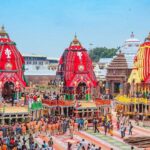
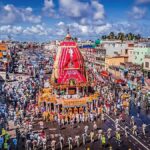
Taladhwaja Ratha is one of the three magnificent chariots used during the famous Rath Yatra festival in Puri, Odisha. It is dedicated to Lord Balabhadra, the elder brother of Lord Jagannath. Every year, millions of devotees gather to witness this grand festival, where the deities are taken from the Jagannath Temple to the Gundicha Temple in beautifully decorated wooden chariots.
For students, Taladhwaja Ratha is much more than a religious symbol. It represents India’s rich cultural heritage, engineering excellence, teamwork, devotion, and centuries-old traditions that continue to inspire people across generations. Understanding its history and significance helps us appreciate India’s diverse spiritual and cultural legacy.
What is Taladhwaja Ratha?
Taladhwaja Ratha is the sacred chariot of Lord Balabhadra during the annual Rath Yatra festival. The word “Taladhwaja” is derived from Sanskrit:
- Tala means Palm Tree.
- Dhwaja means Flag.
Thus, Taladhwaja means “The Chariot Bearing the Palm Tree Flag.”
This majestic chariot is built every year using fresh wood by highly skilled traditional craftsmen following ancient construction methods passed down through generations.
History of Taladhwaja Ratha
The history of Taladhwaja Ratha dates back several centuries. References to the Rath Yatra appear in ancient Hindu scriptures, including the Skanda Purana, Brahma Purana, and Padma Purana.
The tradition of rebuilding Taladhwaja every year reflects the Hindu philosophy that everything in the material world is temporary, while divine values remain eternal.
The construction follows sacred rituals beginning on Akshaya Tritiya. Selected wood is brought from protected forests, and experienced carpenters known as Maharanas build the chariot without modern engineering designs.
Even during medieval times, kings of Odisha played an important role in preserving this tradition. Today, the Government of Odisha and the Jagannath Temple administration continue to support this centuries-old practice.
Timeline of Taladhwaja Ratha
| Period | Event |
|---|---|
| Ancient Period | Rath Yatra traditions mentioned in Hindu scriptures |
| Medieval Odisha | Kings promoted and protected the festival |
| Annual Tradition | Construction begins on Akshaya Tritiya |
| Rath Yatra Day | Lord Balabhadra rides Taladhwaja to Gundicha Temple |
| Bahuda Yatra | Return journey to Jagannath Temple |
| Present Day | Millions of devotees witness the festival worldwide |
Structure and Features of Taladhwaja Ratha
Taladhwaja Ratha is unique among the three chariots.
Some important features include:
- Dedicated to Lord Balabhadra
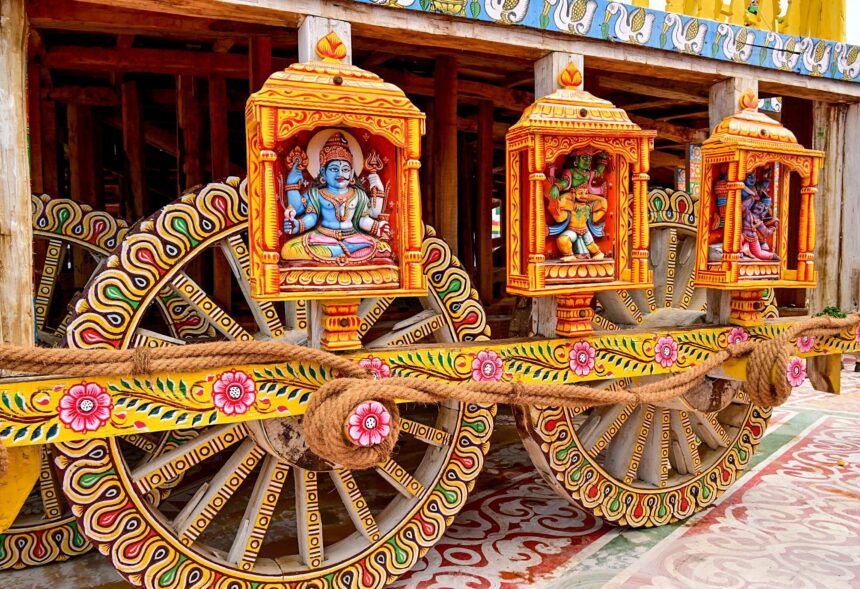
- Built completely from wood
- Reconstructed every year
- Decorated with colorful fabrics
- Equipped with large wooden wheels
- Decorated with sacred symbols
- Pulled by thousands of devotees
The design reflects remarkable traditional engineering skills developed over centuries.
Interesting Facts About Taladhwaja Ratha
Here are some fascinating facts:
- Taladhwaja is rebuilt every year.
- It belongs exclusively to Lord Balabhadra.
- The construction begins with sacred rituals.
- No nails are traditionally used in many structural parts.
- Thousands of artisans contribute to its construction.
- Millions of devotees participate in pulling the chariot.
- It symbolizes strength and righteousness.
- Every decorative element carries symbolic meaning.
- The construction follows ancient measurements.
- The festival attracts visitors from around the world.
- The chariot demonstrates sustainable traditional craftsmanship.
- It represents India’s living heritage.
- The wooden materials are carefully selected.
- The festival promotes unity among communities.
- UNESCO recognition of Jagannath traditions has increased global awareness.
Religious Significance of Taladhwaja Ratha
Taladhwaja Ratha symbolizes:
- Strength
- Protection
- Duty
- Compassion
- Devotion
- Equality
- Unity
Lord Balabhadra is considered the symbol of physical and moral strength. His journey on Taladhwaja reminds devotees that true strength should always be used to protect truth and righteousness.
Cultural Significance
Taladhwaja Ratha is not merely a religious object.
It preserves:
- Ancient woodworking skills
- Traditional art
- Folk music
- Community participation
- Family traditions
- Cultural identity
- Spiritual values
People from different religions and countries also admire the craftsmanship and cultural richness of the festival.
Importance for Students
Students can learn many valuable lessons:
1. Teamwork
Hundreds of craftsmen work together with dedication.
2. Discipline
Construction follows strict rituals and schedules.
3. Respect for Heritage
Understanding traditions strengthens cultural awareness.
4. Engineering Knowledge
Traditional construction demonstrates practical engineering principles.
5. Environmental Awareness
Natural materials are responsibly used.
6. Leadership
Organizing such a massive festival requires effective management.
7. Unity
People from all backgrounds participate together.
Observance of Taladhwaja Ratha
The observance includes:
- Sacred prayers
- Decoration of the chariot
- Traditional music
- Chanting of devotional hymns
- Pulling the chariot
- Community meals
- Charity
- Religious discourses
The atmosphere becomes joyful, peaceful, and spiritually uplifting.
Important Points About Taladhwaja Ratha
- One of the three Rath Yatra chariots
- Represents Lord Balabhadra
- Built annually
- Symbolizes strength and protection
- Famous throughout the world
- Made by traditional artisans
- Preserves Indian heritage
- Inspires millions of devotees
Importance in Our Life
Taladhwaja teaches lessons that remain relevant today.
It encourages us to:
- Stay humble.
- Help others.
- Respect traditions.
- Work together.
- Protect nature.
- Follow honesty.
- Develop patience.
- Value family and community.
These values are useful not only in religious life but also in education, workplaces, and society.
Daily Life Impact
Although Taladhwaja Ratha is associated with a religious festival, its message influences everyday life.
For example:
- Families come together during festivals.
- Communities cooperate in organizing events.
- Traditional artisans earn their livelihood.
- Tourism supports the local economy.
- Young people learn about Indian history.
- Volunteers experience the joy of selfless service.
Its message of unity and cooperation can inspire people to work harmoniously in schools, offices, and neighborhoods.
Importance to Society
Taladhwaja contributes to society by:
- Preserving ancient traditions
- Encouraging cultural tourism
- Supporting artisans
- Promoting social harmony
- Strengthening community bonds
- Inspiring charitable activities
- Preserving traditional craftsmanship
- Promoting religious tolerance and respect
Wishing Messages
Here are a few heartfelt wishes inspired by Taladhwaja Ratha:
- May Lord Balabhadra bless you with strength, wisdom, peace, and prosperity. Happy Rath Yatra!
- May the sacred journey of Taladhwaja Ratha bring happiness and success to your family.
- Wishing you health, courage, and countless blessings on this auspicious occasion.
- May your life move forward with faith, positivity, and divine guidance. Happy Rath Yatra!
Frequently Asked Questions (FAQs)
1. What is Taladhwaja Ratha?
Taladhwaja Ratha is the sacred chariot of Lord Balabhadra during the Rath Yatra festival.
2. Why is it rebuilt every year?
The annual reconstruction symbolizes renewal, tradition, and the impermanent nature of the material world.
3. Who rides Taladhwaja?
Lord Balabhadra, the elder brother of Lord Jagannath.
4. Where is Taladhwaja Ratha used?
It is used during the Rath Yatra festival in Puri, Odisha.
5. What does Taladhwaja mean?
It means “The Chariot with the Palm Tree Flag.”
6. Why is Taladhwaja important?
It represents strength, devotion, unity, and India’s living cultural heritage.
7. Can tourists witness Taladhwaja Ratha?
Yes. Every year, visitors from India and around the world attend the Rath Yatra to witness the procession.
8. What lessons can students learn from Taladhwaja Ratha?
Students can learn teamwork, discipline, respect for tradition, cultural appreciation, leadership, and community service.
Review Section
Overall Rating: ⭐⭐⭐⭐⭐ (5/5)
| Feature | Rating |
|---|---|
| Historical Importance | ⭐⭐⭐⭐⭐ |
| Cultural Value | ⭐⭐⭐⭐⭐ |
| Educational Value | ⭐⭐⭐⭐⭐ |
| Spiritual Significance | ⭐⭐⭐⭐⭐ |
| Tourism Appeal | ⭐⭐⭐⭐⭐ |
| Traditional Craftsmanship | ⭐⭐⭐⭐⭐ |
Expert Review
Taladhwaja Ratha is an extraordinary example of India’s enduring traditions, combining spirituality, art, architecture, and community participation. Its annual reconstruction showcases exceptional craftsmanship while reinforcing timeless values such as unity, devotion, and service. For students and cultural enthusiasts alike, it offers meaningful lessons about heritage, engineering, and social harmony, making it a remarkable symbol of India’s living cultural legacy.
Conclusion
Taladhwaja Ratha is far more than a ceremonial chariot—it is a living symbol of faith, history, craftsmanship, and community spirit. Its annual journey during the Rath Yatra reminds us that traditions remain meaningful when they bring people together with shared values of respect, cooperation, and compassion. For students, it offers lessons in teamwork, discipline, cultural awareness, and the importance of preserving heritage for future generations.
Whether viewed from a religious, historical, cultural, or educational perspective, Taladhwaja Ratha continues to inspire millions of people. By learning about its history, significance, observance, and impact on society, we gain a deeper appreciation of India’s rich traditions and the timeless values that continue to shape everyday life.