Snana Purnima – Complete Guide to History, Significance, Rituals, Facts, Timeline, Wishes, FAQs & Daily Life Impact

- Introduction
- 1. Purification
- 2. Equality
- 3. Devotion
- 4. Compassion
- 5. Beginning of Rath Yatra
- What is Snana Purnima?
- Why are 108 pots used?
- Why do the deities become ill?
- Where is Snana Purnima mainly celebrated?
- Is fasting compulsory?
- What comes after Snana Purnima?
- Can students participate?
- Overall Review of Snana Purnima


Introduction
Snana Purnima, also known as Snana Yatra, is one of the most sacred festivals dedicated to Lord Jagannath. Celebrated on the full moon day (Purnima) of the Hindu month of Jyeshtha, this festival marks the ceremonial bathing of Lord Jagannath, Lord Balabhadra, Goddess Subhadra, and Sudarshana Chakra with 108 sacred pots of water.
The festival holds a special place in the hearts of millions of devotees because it marks the beginning of the famous Rath Yatra celebrations. The event symbolizes purity, devotion, compassion, and spiritual renewal.
For students, devotees, and anyone interested in Indian culture, Snana Purnima is not only a religious festival but also a lesson in faith, unity, service, and humanity.
What is Snana Purnima?
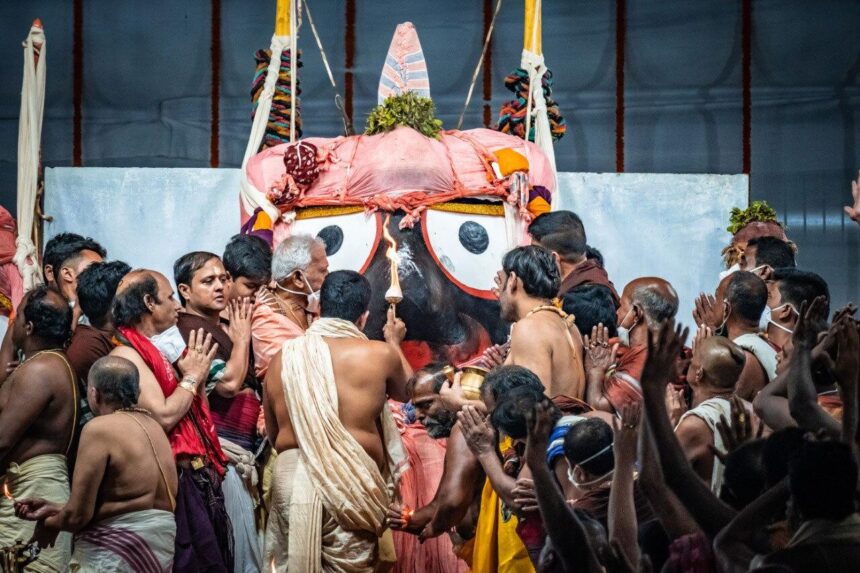
Snana Purnima is a Hindu festival where the deities of Lord Jagannath Temple are brought out from the sanctum and ceremonially bathed with 108 pots of holy water.
This sacred ritual is performed on the Snana Mandap (bathing platform), allowing devotees to witness the deities closely. It is one of the rare occasions when the deities are visible to everyone.
History of Snana Purnima
The tradition of Snana Purnima dates back many centuries and is deeply connected with the Jagannath culture of Odisha.
According to Hindu scriptures:
- Lord Jagannath himself desired that devotees should have the opportunity to see Him outside the temple.
- King Indradyumna, who is believed to have established the Jagannath Temple tradition, introduced this ceremonial bath.
- Ancient texts describe Snana Purnima as an act of purification before the annual Rath Yatra.
After receiving the ceremonial bath, the deities are believed to develop a fever due to the cold water. They then remain away from public view during the Anasara period before appearing again during Rath Yatra.
This unique belief highlights the human-like relationship devotees share with Lord Jagannath.
Timeline of Snana Purnima
| Event | Description |
|---|---|
| Early Morning | Holy water collected from sacred well |
| Preparation | 108 pots decorated and sanctified |
| Procession | Deities brought to Snana Mandap |
| Sacred Bath | Ceremonial bathing begins |
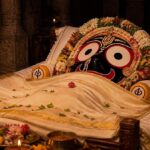
| Decoration | Deities dressed in Gaja (Elephant) attire |
| Anasara Begins | Deities rest due to illness |
| Recovery | Herbal medicines offered |
| Rath Yatra | Public appearance after recovery |
Why is Snana Purnima Celebrated?
The festival is celebrated to:
- Purify the deities ceremonially
- Bless devotees
- Mark the beginning of Rath Yatra
- Spread spiritual awareness
- Encourage devotion and humility
- Strengthen faith among people
Significance of Snana Purnima
Snana Purnima teaches several spiritual values.
1. Purification
Water symbolizes cleansing of both body and mind.
2. Equality
Everyone receives the blessings of Lord Jagannath without discrimination.
3. Devotion
Millions gather only to witness the Lord’s holy bath.
4. Compassion
The belief that the Lord becomes ill after the bath reminds devotees of His loving, human-like nature.
5. Beginning of Rath Yatra
Without Snana Purnima, the Rath Yatra festival cannot begin.
Observance of Snana Purnima
People observe the day by:
- Visiting temples
- Offering prayers
- Chanting Lord Jagannath’s names
- Reading religious scriptures
- Performing charity
- Fasting
- Distributing food
- Helping the needy
- Singing devotional songs
Rituals Performed
Major rituals include:
- Sacred water collection
- Worship of Lord Jagannath
- Bathing with 108 pots
- Flower offerings
- Sandalwood paste application
- Elephant attire (Gaja Besha)
- Bhajans and kirtans
- Distribution of Mahaprasad
Amazing Facts About Snana Purnima
- The deities are bathed with 108 pots of holy water.
- Water comes from a sacred well inside the temple premises.
- Millions of devotees witness the ceremony every year.
- The deities wear Elephant attire after bathing.
- The festival is older than several medieval kingdoms.
- Snana Purnima marks the beginning of Rath Yatra preparations.
- The deities remain hidden for nearly fifteen days after the bath.
- Herbal medicines are offered during Anasara.
- The festival symbolizes divine compassion.
- It attracts visitors from across the world.
- The bathing ritual is performed only once every year.
- It is among the biggest festivals in Odisha.
Importance for Students
Students can learn valuable life lessons:
- Respect traditions
- Practice discipline
- Value cleanliness
- Learn teamwork
- Appreciate Indian heritage
- Develop patience
- Build moral values
- Understand cultural diversity
Importance in Our Daily Life
Snana Purnima reminds us that:
- Cleanliness is essential.
- Humility makes us stronger.
- Faith gives hope.
- Service to others is meaningful.
- Gratitude brings happiness.
- Kindness builds society.
- Spirituality supports mental peace.
- Unity creates harmony.
Important Points
- Celebrated on Jyeshtha Purnima.
- Dedicated to Lord Jagannath.
- Bathing ceremony uses 108 pots.
- Begins Rath Yatra celebrations.
- Followed by Anasara.
- Symbolizes purity and devotion.
- Celebrated mainly in Odisha but observed worldwide.
Snana Purnima and Society
The festival strengthens society by promoting:
- Unity
- Equality
- Charity
- Volunteerism
- Community participation
- Respect for traditions
- Peace
- Social harmony
- Cultural preservation
People from different backgrounds come together, proving that devotion has no barriers.
Educational Importance
Schools often organize:
- Essay competitions
- Drawing contests
- Cultural programs
- Storytelling sessions
- Quiz competitions
- Traditional music performances
These activities help children understand India’s rich cultural heritage.
Environmental Message
Snana Purnima also teaches us:
- Respect water.
- Keep rivers clean.
- Protect nature.
- Avoid pollution.
- Preserve heritage sites.
- Plant more trees.
- Live sustainably.
Inspirational Wishes
You can share these heartfelt wishes:
- Happy Snana Purnima! May Lord Jagannath bless you with peace, prosperity, and happiness.
- May this sacred festival bring health, wisdom, and success to your family.
- Wishing you joy, devotion, and divine blessings on the auspicious occasion of Snana Purnima.
- May Lord Jagannath guide your life with hope, faith, and endless happiness.
- Happy Snana Purnima! May your heart be filled with love, kindness, and spiritual strength.
FAQs
What is Snana Purnima?
It is the ceremonial bathing festival of Lord Jagannath celebrated on Jyeshtha Purnima.
Why are 108 pots used?
The number 108 is considered sacred in Hindu tradition and symbolizes spiritual completeness.
Why do the deities become ill?
According to tradition, the deities develop a fever after the ceremonial bath and rest during the Anasara period.
Where is Snana Purnima mainly celebrated?
It is celebrated most prominently in Puri, Odisha, and in Jagannath temples across India and abroad.
Is fasting compulsory?
No. Devotees may choose to fast according to their faith and health.
What comes after Snana Purnima?
The Anasara period, followed by the famous Rath Yatra.
Can students participate?
Yes. Students can attend temple celebrations, learn about the festival, and participate in cultural and educational activities.
Review Section
Overall Review of Snana Purnima
| Category | Rating |
|---|---|
| Spiritual Importance | ⭐⭐⭐⭐⭐ |
| Cultural Heritage | ⭐⭐⭐⭐⭐ |
| Educational Value | ⭐⭐⭐⭐⭐ |
| Family Participation | ⭐⭐⭐⭐⭐ |
| Social Harmony | ⭐⭐⭐⭐⭐ |
| Traditional Significance | ⭐⭐⭐⭐⭐ |
Our Review:
Snana Purnima is one of India’s most meaningful religious and cultural festivals. It beautifully combines devotion, tradition, community participation, and timeless values. Whether you are a student, a devotee, or someone exploring Indian heritage, the festival offers lessons in humility, compassion, cleanliness, and unity that remain relevant in modern life.
Key Takeaways
- Snana Purnima is the ceremonial bathing festival of Lord Jagannath.
- It is celebrated on the full moon day of Jyeshtha.
- The deities are bathed with 108 sacred pots of water.
- The festival marks the beginning of the Rath Yatra season.
- It promotes purity, devotion, equality, and compassion.
- It preserves India’s rich cultural and spiritual traditions.
- Students can learn valuable lessons about heritage, discipline, and social responsibility from the festival.
Conclusion
Snana Purnima is much more than a religious celebration—it is a festival that brings together spirituality, culture, compassion, and community. The sacred bathing ceremony reminds us of the importance of purity in our thoughts and actions, while the traditions surrounding the festival inspire humility, gratitude, and service to others. Its connection with the world-famous Rath Yatra makes it a cornerstone of Jagannath devotion.
For students, Snana Purnima offers an opportunity to learn about India’s rich heritage and the values that strengthen society. For families, it is a time to pray together and celebrate unity. For communities, it fosters harmony and shared cultural identity. By embracing the lessons of Snana Purnima in our daily lives—such as kindness, cleanliness, respect, and devotion—we can contribute to building a more compassionate and peaceful society.
May the blessings of Lord Jagannath inspire everyone with wisdom, health, happiness, and the strength to walk the path of righteousness. Happy Snana Purnima!