Top MBBS Universities in Bangladesh Are an Amazing Choice for Indian Students – The Positive Healthcare Opportunity


Introduction: MBBS Education in Bangladesh for Indian Students
Becoming a doctor is one of the most respected dreams among students and families. The medical profession represents knowledge, compassion, responsibility, and service to humanity. Every year, thousands of Indian students look for quality medical education opportunities abroad because of increasing competition, limited medical seats, and high educational costs in some countries.
- Introduction: MBBS Education in Bangladesh for Indian Students
- 1. Similar Medical Curriculum
- 2. Affordable Education
- 3. Cultural Similarity
- 4. Clinical Experience
- 5. English-Medium Education
- Before 1947 – Early Medical Institutions
- 1947–1971 – Expansion Period
- 1971 – Independence of Bangladesh
- 1980s–2000s – Growth of Medical Colleges
- 2010–Present – International Growth
- University of Dhaka – Faculty of Medicine
- Bangabandhu Sheikh Mujib Medical University
- Dhaka Medical College
- Sir Salimullah Medical College
- Mymensingh Medical College
- Chittagong Medical College
- 1. Duration of Course
- 2. Recognition Matters
- 3. Admission Through NEET
- 4. Clinical Training
- 5. International Student Community
- 1. Opportunity for Medical Aspirants
- 2. Development of Healthcare Professionals
- 3. Affordable Medical Education
- 4. Professional Growth
- 5. International Exposure
- Q1. Why do Indian students choose Bangladesh for MBBS?
- Q2. Is MBBS from Bangladesh valid in India?
- Q3. Is NEET required for Indian students?
- Q4. What is the duration of MBBS in Bangladesh?
- Q5. Is the language barrier a problem?
- Q6. Are living expenses affordable?
- Q7. Can students practice medicine in India after completing MBBS abroad?
- Creating Healthcare Heroes
- Building Confidence and Responsibility
- Improving Society
- Encouraging Scientific Thinking
- Better Healthcare Services
- International Medical Cooperation
- Improved Medical Knowledge
- Community Health Development
- Economic Opportunities
Among various international destinations, Bangladesh has become a popular choice for Indian students pursuing MBBS. The country offers medical education that follows a curriculum similar to India, affordable tuition fees, cultural familiarity, and opportunities for clinical exposure.
Many Bangladeshi medical universities and colleges are recognized by global and national medical authorities, including the National Medical Commission (NMC), making them attractive options for Indian medical aspirants.
Studying MBBS in Bangladesh is not only about earning a medical degree; it is about developing professional skills, gaining practical experience, and preparing to serve society as a healthcare provider.
History of Medical Education in Bangladesh
Medical education in Bangladesh has a long and respected history.
The development of modern medical education began during the British period when medical institutions were established in the Indian subcontinent. After the independence of Bangladesh in 1971, the country expanded its healthcare education system to meet the growing needs of its population.
Over the decades, Bangladesh developed several government and private medical colleges that focused on:
- Medical sciences
- Clinical training
- Healthcare research
- Community medicine
- Patient care
Today, Bangladesh has a large network of medical colleges offering MBBS programs to both domestic and international students.
The growth of medical education has been supported by improvements in hospitals, teaching facilities, laboratories, and research opportunities.
Why Bangladesh Is Popular for Indian MBBS Students
1. Similar Medical Curriculum
The MBBS curriculum in Bangladesh is closely aligned with the Indian medical education system. This makes it easier for Indian students to understand subjects and prepare for future medical licensing examinations.
2. Affordable Education
Compared with many private medical colleges in India and other countries, Bangladesh provides relatively affordable medical education options.
3. Cultural Similarity
Indian students often find Bangladesh comfortable because of similarities in:
- Food habits
- Languages
- Festivals
- Social values
4. Clinical Experience
Medical students receive practical exposure through attached hospitals where they learn patient care and medical procedures.
5. English-Medium Education
Most MBBS programs are taught in English, helping international students follow lectures and textbooks effectively.
Timeline of Medical Education Development in Bangladesh
Before 1947 – Early Medical Institutions
Medical education developed during the British era with the establishment of early medical schools and hospitals.
1947–1971 – Expansion Period
Medical education continued developing in the region before Bangladesh became independent.
1971 – Independence of Bangladesh
After independence, Bangladesh focused on strengthening healthcare and medical education.
1980s–2000s – Growth of Medical Colleges
Many new government and private medical colleges were established.
2010–Present – International Growth
Bangladesh became increasingly popular among international students, especially from India, for MBBS education.
Top MBBS Universities and Medical Colleges in Bangladesh for Indian Students
Some well-known medical institutions include:
University of Dhaka – Faculty of Medicine
One of the oldest and most prestigious educational institutions in Bangladesh, contributing significantly to medical education and research.
Bangabandhu Sheikh Mujib Medical University
A leading medical university known for postgraduate education, healthcare services, and research.
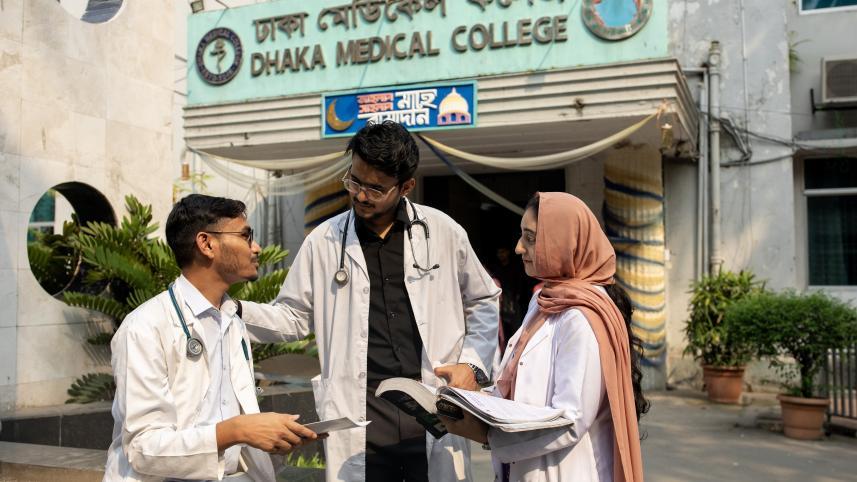
Dhaka Medical College
One of the most respected medical colleges with a long history of producing healthcare professionals.
Sir Salimullah Medical College
A historic medical institution known for clinical education.
Mymensingh Medical College
A reputed institution providing medical education and healthcare training.
Chittagong Medical College
A major medical institution serving students and patients in the region.
(Students should verify current recognition, admission rules, and eligibility requirements before applying.)
Important Facts About MBBS in Bangladesh
1. Duration of Course
The MBBS program generally takes around five years, followed by internship training as required by regulations.
2. Recognition Matters
Students should select universities recognized by relevant authorities.
3. Admission Through NEET
Indian students generally need to qualify for the NEET-UG examination for eligibility.
4. Clinical Training
Students gain practical experience by working with patients in teaching hospitals.
5. International Student Community
Many Bangladeshi medical colleges welcome students from different countries.
Significance of Choosing Bangladesh for MBBS
1. Opportunity for Medical Aspirants
Bangladesh provides another pathway for students who want to become doctors.
2. Development of Healthcare Professionals
Indian students studying medicine abroad contribute to healthcare systems globally.
3. Affordable Medical Education
It provides a cost-effective option compared with many alternatives.
4. Professional Growth
Students develop medical knowledge, communication skills, and practical abilities.
5. International Exposure
Studying abroad helps students understand different healthcare environments.
Important Points Before Choosing an MBBS University in Bangladesh
- Check official recognition status.
- Verify admission eligibility.
- Understand total fees and living expenses.
- Research hospital facilities.
- Review student feedback.
- Confirm accommodation availability.
- Understand licensing requirements after graduation.
- Avoid unauthorized admission agents.
Frequently Asked Questions (FAQs)
Q1. Why do Indian students choose Bangladesh for MBBS?
Indian students choose Bangladesh because of affordable fees, similar curriculum, cultural comfort, and good clinical exposure.
Q2. Is MBBS from Bangladesh valid in India?
A medical degree from Bangladesh can be considered for India if the university and course meet the requirements set by Indian medical authorities.
Q3. Is NEET required for Indian students?
Yes, Indian students generally need NEET qualification for MBBS admission abroad.
Q4. What is the duration of MBBS in Bangladesh?
The duration is usually around five years plus internship training.
Q5. Is the language barrier a problem?
Most medical programs use English, and cultural similarities help many Indian students adjust.
Q6. Are living expenses affordable?
Generally, living costs in Bangladesh are considered manageable compared with many international destinations.
Q7. Can students practice medicine in India after completing MBBS abroad?
Students must fulfill the licensing requirements applicable at the time of returning to India.
Wishes and Messages for MBBS Students
“May every medical student achieve the dream of becoming a compassionate doctor and serving humanity with dedication.”
“A doctor’s journey begins with knowledge, discipline, and kindness. Best wishes for your medical career.”
“May your education in Bangladesh open doors to success, wisdom, and lifelong service.”
“Healthcare is a noble mission. Keep learning, caring, and inspiring others.”
Importance of MBBS Education in Our Life
Medical education impacts everyone because healthcare is a basic human necessity.
Creating Healthcare Heroes
Doctors protect lives and improve community health.
Building Confidence and Responsibility
Medical education develops discipline, patience, and problem-solving skills.
Improving Society
Healthcare professionals contribute to healthier communities.
Encouraging Scientific Thinking
Medical studies promote research and innovation.
Daily Life Impacts of MBBS Education in Bangladesh
Better Healthcare Services
More trained doctors help improve healthcare availability.
International Medical Cooperation
Students create connections between countries.
Improved Medical Knowledge
Research and education improve treatment methods.
Community Health Development
Doctors support disease prevention and public awareness.
Economic Opportunities
Medical professionals create employment and contribute to healthcare industries.
Importance of Bangladesh MBBS Universities to Society
Medical universities have a major social responsibility.
Saving Human Lives
Doctors trained through these institutions provide essential healthcare.
Supporting Public Health
Medical professionals help control diseases and improve health awareness.
Encouraging Research
Universities contribute to medical discoveries.
Developing Future Leaders
Medical graduates become healthcare leaders who influence society positively.
Strengthening Global Healthcare
International students create worldwide healthcare connections.
Review Section: MBBS Universities in Bangladesh for Indian Students
★★★★★ (5/5)
Bangladesh has become a respected destination for Indian students seeking affordable and culturally comfortable medical education. The biggest advantages include a similar academic environment, practical clinical training, and opportunities to study medicine internationally.
The quality of education depends greatly on choosing the right university, understanding recognition requirements, and preparing seriously for the medical profession.
For students who are committed to becoming doctors, Bangladesh offers a valuable opportunity to gain knowledge, experience, and professional growth.
Conclusion
The journey of becoming a doctor requires dedication, patience, and continuous learning. Top MBBS universities in Bangladesh provide Indian students with an opportunity to pursue medical education in a familiar and supportive environment.
With affordable education, practical training, and international exposure, Bangladesh has become an important destination for medical aspirants.
However, choosing the right institution, verifying recognition, and understanding future licensing requirements are essential steps.
Medical education is not only about obtaining a degree; it is about developing compassion, responsibility, and the ability to serve humanity.
“A great doctor is created not only by knowledge but also by kindness, dedication, and the desire to make the world healthier.”