

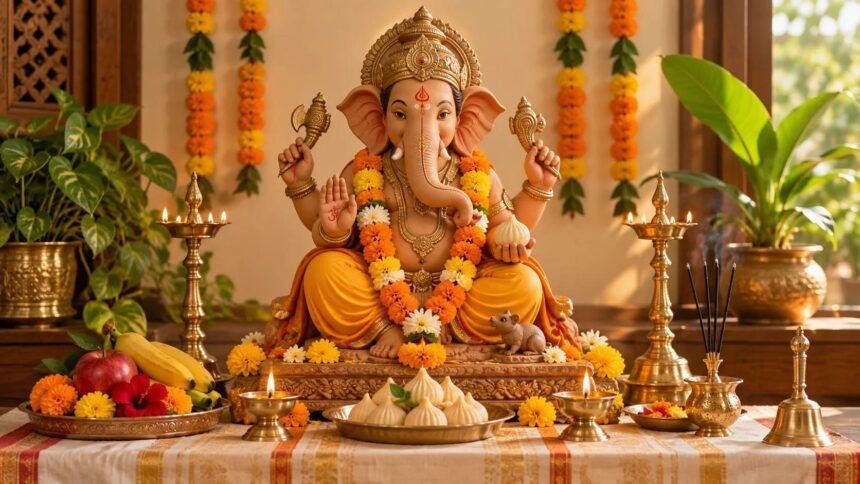
Powerful Reasons Why Jai Ganesha Aarti Brings Positive Energy and Happiness in Life
For many people, singing this aarti is more than a religious activity. It is a moment of peace, gratitude, faith and emotional connection. The sound of devotional singing, the fragrance of incense, the light of a diya and the collective devotion of family members create an atmosphere that many people experience as positive and uplifting.
Lord Ganesha is also known as Ganpati Bappa, Vighnaharta, Vinayaka, Ekadanta and Gajanana. Devotees traditionally begin important activities by remembering him and seeking his blessings.
In this article, we will explore the history, meaning, facts, significance, timeline, observance, daily-life impact and seven powerful reasons why Jai Ganesha Aarti is considered a source of positivity and happiness.
1. All About Jai Ganesha Aarti
Jai Ganesha Aarti is a devotional prayer dedicated to Lord Ganesha. Aarti is a Hindu worship ritual in which devotees offer light, generally from a ghee or oil lamp, while singing devotional verses.
Lord Ganesha holds a special place in Hindu traditions because he is worshipped before beginning many religious ceremonies, educational activities, business ventures, weddings and other auspicious occasions.
The word Aarti is associated with the ritual of offering light to a deity as an expression of reverence and devotion.
When devotees sing Ganesh Aarti, they express their love, respect and gratitude towards Lord Ganesha. The prayer also reminds people to develop wisdom, patience, humility and courage.
Why is Lord Ganesha worshipped first?
According to Hindu religious traditions, Lord Ganesha is worshipped first because he is regarded as Vighnaharta, the remover of obstacles. His blessings are sought for success, clarity, protection and auspicious beginnings.
2. History of Jai Ganesha Aarti
The worship of Lord Ganesha has a long history in Indian religious and cultural traditions. Ganesha became an especially prominent deity in Hindu worship, literature, temple traditions and devotional practices over many centuries.
The historical development of Ganesh worship includes references in Hindu religious literature, the growth of Ganesha temples and the popularity of devotional practices dedicated to him.
However, it is important to distinguish between the history of Lord Ganesha worship and the history of a particular aarti.
The phrase “Jai Ganesha Aarti” may be used broadly for devotional prayers dedicated to Ganesha. Several versions and regional compositions are sung by devotees. Therefore, a single verified date or author should not be assigned to every prayer called Jai Ganesha Aarti.
Over generations, Ganesh Aarti became an important part of household worship and public celebrations.
During Ganesh Chaturthi, devotees gather to worship Ganpati Bappa, sing devotional songs, offer flowers and sweets, and perform aarti with great enthusiasm.
The tradition continues today in temples, homes, schools, cultural organisations and community celebrations.
3. Seven Powerful Reasons Why Jai Ganesha Aarti Brings Positive Energy
1. Creates a Peaceful and Positive Atmosphere
One of the most meaningful reasons to sing Jai Ganesha Aarti is the peaceful environment it can create.
Devotional music, prayer and the gentle light of a diya can help people pause from their busy routines. Singing together may also create feelings of connection and emotional comfort.
After a stressful day, spending a few minutes in prayer can become a calming personal ritual.
2. Encourages Wisdom and Knowledge
Lord Ganesha is widely regarded as the deity of wisdom, intelligence and learning.
Students traditionally seek his blessings before examinations, starting a new academic year or beginning an important educational journey.
The symbolism of Ganesha reminds students that success requires more than intelligence. Discipline, concentration, patience and consistent effort are equally important.
3. Strengthens Faith and Devotion
Faith is an important part of human life. It gives many people hope during difficult situations.
Singing Ganesh Aarti provides an opportunity to express devotion and gratitude. It can strengthen a person’s spiritual connection and encourage a positive outlook.
For devotees, remembering Ganpati Bappa is a source of reassurance during challenging moments.
4. Helps Develop Gratitude
Modern life often makes people focus on what they do not have. A daily prayer offers a moment to appreciate what they already have.
Jai Ganesha Aarti encourages devotees to express gratitude for family, education, health, opportunities and life’s blessings.
Gratitude can also support emotional well-being by encouraging people to recognise positive aspects of everyday life.
5. Encourages Unity and Family Togetherness
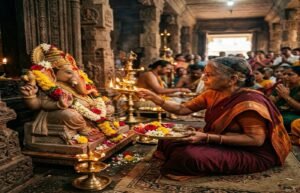
Aarti is often performed collectively.
When parents, children, grandparents and other family members gather to sing devotional prayers, they share a meaningful cultural experience.
It helps younger generations understand traditions, religious values and the importance of spending quality time with family.
6. Inspires Courage to Overcome Challenges
Lord Ganesha is known as Vighnaharta, meaning the remover of obstacles.
This symbolism encourages people not to surrender when they face difficulties.
Whether someone is preparing for an examination, starting a business, looking for employment or dealing with personal challenges, the message of Ganesha worship is to approach problems with wisdom and courage.
Prayer may provide emotional strength, but practical effort and responsible decisions remain essential.
7. Promotes Hope, Happiness and Positive Thinking
Jai Ganesha Aarti reminds devotees that every new beginning can be approached with faith and determination.
Its devotional atmosphere can inspire hope, optimism and a sense of belonging.
The prayer also encourages people to become more patient, compassionate and responsible.
These qualities can positively influence relationships, workplaces and society.
4. History and Spiritual Meaning of Lord Ganesha
According to popular Hindu mythology, Lord Ganesha is the son of Lord Shiva and Goddess Parvati.
One well-known story describes how Goddess Parvati created Ganesha and appointed him to guard her doorway. When Lord Shiva returned, Ganesha did not recognise him and stopped him from entering. This resulted in a conflict, after which Lord Shiva restored Ganesha to life with an elephant’s head.
This story is commonly understood as a reminder of devotion, responsibility, transformation and divine grace.
What does Lord Ganesha’s appearance symbolise?
| Symbol | Spiritual meaning |
|---|---|
| Elephant head | Wisdom and intelligence |
| Large ears | Listening carefully |
| Small eyes | Concentration and attention |
| Long trunk | Adaptability and strength |
| One tusk | Sacrifice and determination |
| Large stomach | Acceptance and patience |
| Mouse vehicle | Control over desires |
| Modak | Sweetness and rewards of spiritual discipline |
These symbols offer lessons that can be applied to everyday human behaviour.
5. Important Facts About Jai Ganesha Aarti
Here are some interesting facts about Ganesh Aarti and Lord Ganesha:
Lord of new beginnings: Ganesha is traditionally worshipped before starting important activities.
Multiple names: He is known as Ganpati, Vinayaka, Ekadanta, Gajanana and Vighnaharta.
Associated with wisdom: Students and learners often seek his blessings for knowledge and concentration.
Favourite offering: Modak is among the most popular sweets offered to Lord Ganesha.
Mouse as his vehicle: His vehicle is called Mushak or Mushika.
Ganesh Chaturthi: This major festival celebrates Lord Ganesha and is observed with great devotion.
Aarti tradition: Devotees offer light while singing devotional prayers.
Family worship: Many households perform Ganesh Aarti as part of their regular morning or evening puja.
International celebrations: Ganesh Chaturthi is celebrated by Hindu communities in several countries.
Cultural importance: Ganesha worship connects religious traditions, art, music, family values and community life.
6. Timeline: Development of Ganesha Worship and Aarti Traditions
The following timeline gives a broad historical overview. It describes the development of Ganesha worship, not the confirmed composition date of a particular Jai Ganesha Aarti.
Ancient Indian religious traditions
Early religious texts contain references to Ganapati, although the identification of every early reference with the later elephant-headed deity is debated.
- Around the 6th–8th centuries CEImages and worship of the recognisable form of Ganesha became increasingly visible in Indian religious art and temple traditions.
Medieval period
Ganesha devotion developed through Puranic literature, regional traditions, temples and devotional practices.
17th–18th centuries
Ganesh celebrations received patronage in parts of Maharashtra, including during the Maratha and Peshwa periods.
- 1890sLokmanya Bal Gangadhar Tilak helped popularise large public Ganesh Chaturthi celebrations in Maharashtra, making the festival an important platform for community gathering.
20th century
Public Ganesh celebrations expanded across India and among Indian communities abroad.
21st century
Devotees continue to perform Ganesh Aarti at home, in temples and during public celebrations, while devotional prayers are also shared through digital platforms.
7. Significance of Jai Ganesha Aarti in Hinduism
Jai Ganesha Aarti holds spiritual and cultural significance because it expresses devotion towards one of the most widely worshipped Hindu deities.
Its significance can be understood in several ways.
Spiritual significance: It provides an opportunity to remember the divine and strengthen one’s faith.
Religious significance: It forms part of Ganesh Puja and other auspicious religious ceremonies.
Educational significance: Lord Ganesha represents wisdom, learning and intellectual development.
Cultural significance: The practice helps preserve traditional devotional music, rituals and family customs.
Emotional significance: For devotees, prayer can provide comfort, hope and reassurance during difficult periods.
Moral significance: The symbolism of Ganesha inspires patience, humility, determination and responsible behaviour.
8. How to Perform Jai Ganesha Aarti at Home

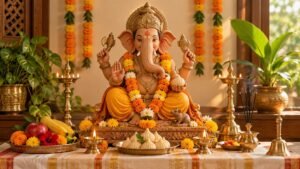
Performing Ganesh Aarti at home is a simple devotional practice. It does not require an elaborate arrangement. Sincerity, cleanliness and devotion are traditionally considered important.
Step-by-step observance
Clean the worship area: Prepare a clean and peaceful place for prayer.
Place Lord Ganesha’s picture or idol: Arrange it respectfully on a clean platform.
Light a diya: Use a suitable oil or ghee lamp, following basic fire safety.
Offer flowers: Present flowers and other traditional offerings.
Offer prasad: Modak, laddoo or fruits may be offered according to family tradition.
Perform the aarti: Sing Jai Ganesha Aarti or another traditional Ganesh devotional prayer.
Pray with devotion: Ask for wisdom, courage, peace and strength to fulfil your responsibilities.
Distribute prasad: Share the offering with family members and others.
When can Jai Ganesha Aarti be performed?
Every morning.
During evening worship.
On Wednesdays, according to family or regional traditions.
On Sankashti Chaturthi.
On Vinayaka Chaturthi.
During Ganesh Chaturthi celebrations.
Before starting an auspicious activity.
There is no need to wait for a special festival to remember Lord Ganesha.
9. Important Points to Remember During Ganesh Aarti
Perform worship with a peaceful mind.
Keep the worship area clean.
Avoid unnecessary distractions during prayer.
Respect the beliefs and traditions of other people.
Teach children the meaning behind religious practices.
Do not treat prayer as a substitute for hard work.
Follow safe practices when handling burning lamps and incense.
Avoid excessive noise and environmental pollution during public celebrations.
Focus on kindness, honesty and good behaviour in everyday life.
10. Importance of Jai Ganesha Aarti in Daily Life
The true value of devotional practices becomes meaningful when their positive messages are reflected in everyday behaviour.
For example, a student who worships Lord Ganesha for knowledge should also study sincerely. A businessperson seeking blessings for success should work honestly. A family praying for happiness should also practise love, understanding and respect.
Here are some practical daily-life lessons:
| Area of life | Lesson from Ganesh devotion |
|---|---|
| Education | Develop concentration and discipline |
| Career | Begin new tasks with confidence |
| Business | Make thoughtful and ethical decisions |
| Family | Respect and support one another |
| Relationships | Practise patience and understanding |
| Mental peace | Make time for reflection and gratitude |
| Personal growth | Learn from mistakes and keep improving |
| Society | Help others and contribute positively |
11. Daily-Life Impacts of Jai Ganesha Aarti
The impact of prayer can differ from person to person. However, a regular devotional routine may offer several meaningful benefits.
1. A structured beginning to the day: Morning prayer can create a positive routine and encourage mindful living.
2. Emotional comfort: Devotion can help people feel supported when facing uncertainty.
3. Better family communication: Shared worship can create opportunities for family members to spend time together.
4. Cultural awareness: Children learn about Hindu traditions, stories and values.
5. Positive habits: Prayer can encourage gratitude, patience, discipline and self-reflection.
6. Community connection: Collective aarti can strengthen relationships among neighbours and members of religious communities.
It is worth remembering that these are possible personal and social benefits, not guaranteed medical or scientific effects of singing an aarti.
12. Importance of Jai Ganesha Aarti in Society
India is a country where religious traditions, festivals and cultural practices bring people together. Ganesh Aarti is one such tradition that creates opportunities for collective participation.
Its contribution to society includes:
Preserving Indian culture: Traditional prayers and devotional music help preserve cultural heritage.
Promoting unity: Community aarti encourages people to participate together.
Teaching children values: Ganesha’s stories introduce children to wisdom, humility and responsibility.
Supporting community activities: Ganesh festivals often encourage volunteering, cultural programmes and charitable initiatives.
Encouraging kindness: The spiritual message of devotion can inspire people to help those in need.
Promoting environmental awareness: Eco-friendly Ganesh idols and responsible celebrations encourage environmental responsibility.
The festival of Ganesh Chaturthi also has an important social history. Its public celebration was popularised in Maharashtra by Lokmanya Tilak during the late 19th century, helping bring communities together through shared cultural activities.
13. Jai Ganesha Aarti and Its Connection with Students
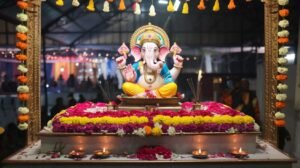
Students face many challenges in their academic journeys, including examinations, competition, career decisions and uncertainty about the future.
Lord Ganesha is traditionally associated with wisdom and learning. Therefore, many students begin their studies by remembering him.
There are several valuable lessons students can learn from Ganesha:
Listen carefully before making decisions.
Remain focused on your goals.
Respect teachers, parents and mentors.
Do not become discouraged by failure.
Keep learning new skills.
Develop patience and discipline.
Use knowledge to help others.
For students, the message of Ganesh Aarti should be simple: pray with faith, study with dedication and work towards your dreams with confidence.
14. Jai Ganesha Aarti Wishes, Greetings and Blessings
Here are some beautiful wishes that readers can share with family members, friends and loved ones.
May Lord Ganesha remove every obstacle from your path and fill your life with wisdom, happiness, peace and prosperity.
2. A Prayer for a New Beginning
May the blessings of Vighnaharta guide you towards success, courage and beautiful opportunities. Jai Ganesh Deva!
3. Wishes for Students
May Lord Ganesha bless every student with knowledge, concentration, confidence and the strength to achieve their dreams.
4. Wishes for Family
May Ganpati Bappa bring love, unity, good health and happiness to your home.
5. Wishes for Success
May every new beginning bring positive opportunities, and may Lord Ganesha guide you towards the right decisions.
6. Spiritual Wishes
May your heart remain full of devotion, your mind full of wisdom and your life full of goodness.
7. Universal Blessings
May Ganpati Bappa bless everyone with peace, prosperity, compassion and the courage to overcome life’s challenges.
15. Review: Jai Ganesha Aarti
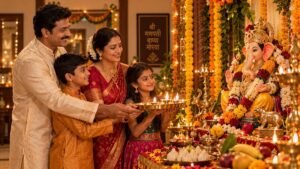
Our Review
Jai Ganesha Aarti is a beautiful devotional tradition that connects people with their faith, culture and spiritual values. Its greatest strength lies in its simplicity. A few moments of prayer can become a meaningful part of a person’s daily routine.
For families, it offers an opportunity to worship together. For students, it represents the importance of knowledge and discipline. For working professionals and business owners, it symbolises hope and the courage to begin new journeys.
The practice is particularly meaningful during Ganesh Chaturthi, although devotees can perform aarti throughout the year.
| Review category | Assessment |
|---|---|
| Spiritual value | Very meaningful |
| Cultural importance | Very high |
| Family participation | Excellent |
| Educational message | Excellent |
| Daily-life relevance | High |
| Community connection | Very meaningful |
Minorstudy’s View: Jai Ganesha Aarti is not simply a devotional song; it represents a way of remembering wisdom, developing gratitude and welcoming new beginnings. Its message becomes even more powerful when devotion is accompanied by honest actions and kindness towards others.
This is an editorial assessment, not a formal rating from a religious authority.
16. Frequently Asked Questions (FAQs) About Jai Ganesha Aarti
Q1. What is Jai Ganesha Aarti?
Jai Ganesha Aarti is a devotional prayer dedicated to Lord Ganesha, expressing love, gratitude and reverence towards him.
Q2. Who is Lord Ganesha?
Lord Ganesha is a widely worshipped Hindu deity known as the remover of obstacles and the god associated with wisdom, knowledge and auspicious beginnings.
Q3. Why is Ganesh Aarti performed?
It is performed to express devotion, seek divine blessings and create a spiritually meaningful atmosphere during worship.
Q4. When should we sing Jai Ganesha Aarti?
Devotees can sing it during morning or evening puja, Ganesh Chaturthi, Vinayaka Chaturthi and other religious occasions.
Q5. Can students sing Ganesh Aarti?
Yes. Students can sing it as a devotional practice and seek inspiration for concentration, learning and discipline.
Q6. What is the significance of Lord Ganesha’s elephant head?
The elephant head is commonly interpreted as a symbol of wisdom, intelligence, strength and understanding.
Q7. Which sweets are offered to Lord Ganesha?
Modak and laddoo are among the popular traditional offerings.
Q8. Why is Lord Ganesha called Vighnaharta?
Vighnaharta means the remover of obstacles. Devotees believe that remembering and worshipping Ganesha helps them seek his blessings when facing challenges.
Q9. Can Ganesh Aarti be performed every day?
Yes. Many families include Ganesh Aarti in their daily worship routines.
Q10. What is the importance of Ganesh Aarti in family life?
It encourages shared devotional activities, cultural learning, family bonding and the practice of gratitude.
Q11. Is Jai Ganesha Aarti only performed during Ganesh Chaturthi?
No. It can be performed throughout the year according to personal faith and family traditions.
Q12. What is the main message of Jai Ganesha Aarti?
Its central message is devotion, wisdom, faith, gratitude and seeking strength to overcome life’s difficulties.
Q13. Does listening to Ganesh Aarti guarantee success?
No. It is a devotional practice, not a guarantee of material success. Devotion can inspire hope and determination, while success also requires planning, effort and responsible decisions.
Q14. What does Ganpati Bappa symbolise?
Ganpati Bappa symbolises wisdom, intelligence, auspicious beginnings, humility and the ability to face obstacles.
Q15. What should we learn from Lord Ganesha?
We should learn to listen carefully, think wisely, remain humble, respect others and continue working towards our goals.
17. Conclusion: Let Jai Ganesha Aarti Bring Wisdom, Hope and Happiness into Life
Jai Ganesha Aarti is a beautiful expression of devotion towards Lord Ganesha. For generations, devotees have included this prayer in their daily worship, religious celebrations and important life events.
Its significance goes beyond singing a devotional prayer. It reminds us of the importance of wisdom, patience, discipline, gratitude, family relationships and positive thinking.
The seven powerful reasons discussed in this article show why Ganesh Aarti holds a special place in people’s lives. It can create a peaceful devotional atmosphere, encourage learning, strengthen faith, inspire courage and bring families together.
However, the greatest lesson of Lord Ganesha’s worship is that faith should be reflected in our actions.
If we pray for knowledge, we should continue learning. If we pray for success, we should work honestly. If we pray for happiness, we should spread kindness. And if we ask Lord Ganesha to remove obstacles, we should also develop the courage and intelligence to face challenges.
May Ganpati Bappa bless everyone with wisdom, peace, prosperity and happiness.
Ganpati Bappa Morya! Jai Shri Ganesha!
Suggested internal links for Minorstudy
Read article to related content on our website:
Ganesh Chaturthi: History, Significance and Celebrations
Hindu Festivals in India: Complete Guide
Importance of Spirituality in Daily Life
Famous Hindu Gods and Goddesses
Indian Culture and Traditions
Importance of Prayer and Meditation
References and further reading
Green Ganesha Chaturthi – Religions journal, MDPI — Academic research on Ganesh Chaturthi traditions.
Emory University research document — Research discussing public Ganesh Chaturthi celebrations.
Ganesha and Angaraka-Chaturthi — Religious and historical discussion of Ganesha worship.
Published for Minorstudy – Education, Knowledge, Culture and Spiritual Awareness.
Spread Knowledge. Spread Goodness. Spread Happiness.








Your article helped me a lot, is there any more related content? Thanks!
I don’t think the title of your article matches the content lol. Just kidding, mainly because I had some doubts after reading the article. https://www.binance.com/register?ref=GGYHGRE
Thanks for sharing. I read many of your blog posts, cool, your blog is very good. https://www.binance.bh/en-TR/register?ref=GQ1JXNRE