Hindu Festival: 11 Powerful Reasons These Beautiful Celebrations Enrich Our Lives and Society
Hindu festivals are an important part of India’s cultural, spiritual and social life. They bring families together, encourage people to practise kindness, preserve ancient traditions and remind us of the values of truth, compassion, gratitude and unity. From the sparkling lights of Diwali to the vibrant colours of Holi, from the devotion of Navratri to the celebration of Lord Krishna’s birth on Janmashtami, each festival carries a unique story and a meaningful message.
- 1. What Is a Hindu Festival?
- 2. History of Hindu Festivals
- 3. Timeline of Major Hindu Festivals
- 4. 11 Powerful Reasons Hindu Festivals Are Important in Our Lives
- 1. They teach the victory of good over evil
- 2. They strengthen family relationships
- 3. They preserve India’s cultural heritage
- 4. They encourage gratitude and generosity
- 5. They bring communities together
- 6. They support mental and emotional well-being
- 7. They inspire discipline and self-reflection
- 8. They help preserve regional diversity
- 9. They support small businesses and artisans
- 10. They teach children through real experiences
- 11. They encourage hope and new beginnings
- 5. Important Facts About Hindu Festivals
- 6. How Are Hindu Festivals Observed?
- 7. The Significance of Hindu Festivals in Modern Society
- Cultural identity and belonging
- Education and moral development
- Economic and community development
- Social harmony
- 8. The Impact of Hindu Festivals on Daily Life
- 9. Responsible and Eco-Friendly Ways to Celebrate
- 10. Hindu Festival Wishes, Greetings and Blessings
- 11. Review Section: Why Hindu Festivals Remain Meaningful
- Hindu Festivals: Cultural Review
- 12. Frequently Asked Questions About Hindu Festivals
- Q1. What is the meaning of a Hindu festival?
- Q2. Which is the most important Hindu festival?
- Q3. Why are Hindu festivals celebrated?
- Q4. How many Hindu festivals are there in India?
- Q5. Why do the dates of Hindu festivals change?
- Q6. What do Hindu festivals teach children?
- Q7. Are Hindu festivals celebrated outside India?
- Q8. What is the social importance of Hindu festivals?
- Q9. Can Hindu festivals be celebrated in an eco-friendly way?
- Q10. What is the best way to celebrate a Hindu festival?
- 13. Important Points to Remember
- Conclusion: Let the Spirit of Hindu Festivals Live Every Day
For millions of people, Hindu festivals are more than religious occasions. They are opportunities to reconnect with family, help those in need, welcome new beginnings and find happiness in everyday life. They also introduce younger generations to India’s rich heritage through stories, music, food, rituals and community celebrations.
In this article, we will explore the history, timeline, facts, significance, observance, wishes, social importance and daily-life impact of Hindu festivals in a simple, human-friendly way.
1. What Is a Hindu Festival?
A Hindu festival is a religious, cultural or seasonal celebration observed by Hindu communities in India and around the world. Many festivals honour deities, commemorate events described in sacred texts, celebrate the changing seasons or mark important stages of life.
Some festivals are celebrated across large parts of India, while others are especially important in particular regions, communities or traditions. Their dates may follow the Hindu lunisolar calendar, regional calendars or specific astronomical calculations.
For example:
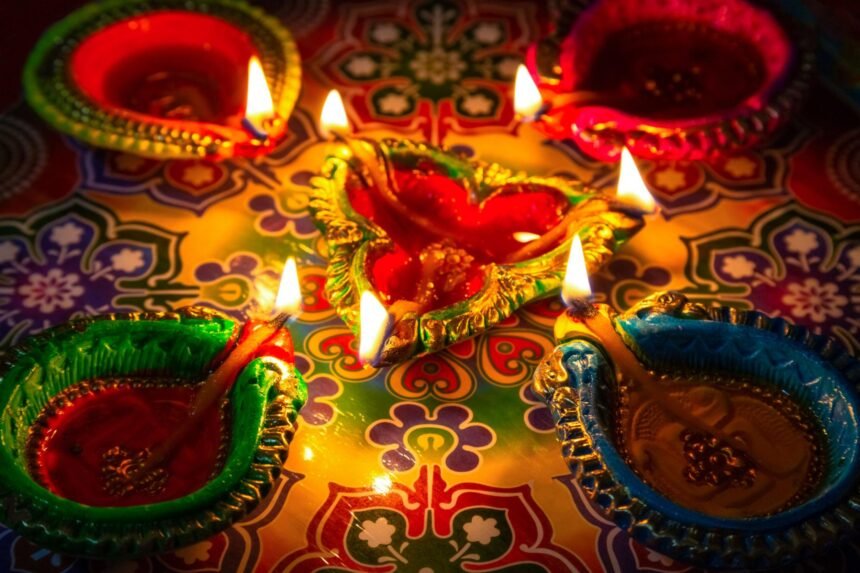
Diwali: Associated with light, hope, prosperity and, in many traditions, the return of Lord Rama to Ayodhya.
Holi: Celebrates spring, joy and the triumph of good over evil.
Navratri: A nine-night celebration honouring the Divine Feminine in several forms.
Janmashtami: Celebrates the birth of Lord Krishna.
Maha Shivaratri: A sacred occasion dedicated to Lord Shiva.
Ganesh Chaturthi: Celebrates Lord Ganesha, who is associated with wisdom and the removal of obstacles.
Makar Sankranti: Marks the Sun’s transition into Makara (Capricorn) in the traditional Indian calendrical system and is associated with seasonal change and harvest celebrations.
The meaning and customs of each festival can vary. Hindu traditions are diverse, and there is no single set of rituals followed by every Hindu family.
2. History of Hindu Festivals
Hindu festivals have developed over thousands of years through religious traditions, sacred literature, seasonal practices, regional customs and community life. Their histories are not all identical: some have roots in ancient seasonal observances, while others became prominent through particular epics, devotional movements, temple traditions and regional histories.
Ancient roots
Early Indian religious life included rituals connected with nature, agriculture, fire, the Sun, the changing seasons and gratitude for the necessities of life. Over time, these practices developed alongside diverse philosophical and devotional traditions.
Ancient texts, including the Vedas, contain references to rituals and ceremonial observances. Later texts, including the Ramayana, Mahabharata and Puranas, helped shape the stories and religious meanings associated with many celebrations.
Festivals in the epic and devotional traditions
The stories of Lord Rama, Lord Krishna, Goddess Durga, Lord Shiva and other revered figures play important roles in many festivals.
For example, the Ramayana is central to the religious meaning of Rama Navami and is associated with Diwali celebrations in many northern Indian communities. Stories of Krishna’s childhood and teachings influence Janmashtami and Holi traditions.
Regional and community development
As Hindu traditions spread and evolved across the Indian subcontinent, communities developed distinctive ways to celebrate. Durga Puja became particularly prominent in Bengal, Ganesh Chaturthi developed a major public-celebration tradition in Maharashtra, and Onam became an important cultural festival in Kerala.
Today, Hindu festivals are celebrated internationally, with temples, cultural associations, families and diaspora communities keeping traditions alive while adapting them to modern life.
3. Timeline of Major Hindu Festivals
Hindu festivals are celebrated throughout the year. Their dates usually change from year to year because many follow lunar or lunisolar calendars. The following timeline gives a general guide; regional customs and local calendars may differ.
January — Makar Sankranti
Celebrates seasonal change, gratitude and harvest traditions. Kite flying, charitable giving and special foods are popular in many regions.
February–March — Maha Shivaratri
Dedicated to Lord Shiva, this festival is observed through prayer, fasting by some devotees, meditation and temple visits.
February–March — Holi
Welcomes spring with colours, music, sweets and gatherings. Holika Dahan is observed in many communities on the preceding evening.
March–April — Chaitra Navratri and Ram Navami
A period of devotion that includes worship of Goddess Durga and the celebration of Lord Rama’s birth.
July–August — Raksha Bandhan
Celebrates affection, trust and the bonds between siblings and loved ones.
August–September — Janmashtami and Ganesh Chaturthi
Celebrates Lord Krishna’s birth and Lord Ganesha’s festival, respectively, with prayers, devotional music and community gatherings.
September–October — Sharad Navratri and Dussehra
Honours the Divine Feminine and, in many traditions, celebrates the victory of good over evil.
October–November — Dhanteras and Diwali
A festive period associated with prosperity, prayer, family gatherings, lamps and new beginnings.
These are approximate seasonal periods, not fixed dates. Some festivals fall outside these months, and the calendar varies by region.
4. 11 Powerful Reasons Hindu Festivals Are Important in Our Lives
1. They teach the victory of good over evil
One of the most familiar messages in Hindu festivals is that goodness, truth and courage can overcome wrongdoing. The stories associated with Diwali, Holi and Dussehra encourage people to resist injustice and make ethical choices.
In daily life, this principle can mean telling the truth, refusing to participate in bullying, helping someone who is vulnerable and accepting responsibility for mistakes.
2. They strengthen family relationships
Festivals give family members a reason to pause their busy routines and spend time together. People prepare meals, decorate homes, visit relatives, exchange gifts and share memories.
For a student living in a hostel or a professional working in another city, a festival may offer a precious opportunity to reconnect with parents, siblings and grandparents.
3. They preserve India’s cultural heritage
Traditional songs, dances, clothing, regional foods, crafts and stories are passed from one generation to another through festivals.
Children who learn how to prepare a rangoli, make festive sweets or listen to their grandparents’ stories gain a practical connection with their cultural heritage.
4. They encourage gratitude and generosity
Many people use festival occasions to donate food, clothes, money or other necessities to those in need. Such acts remind us that prosperity becomes more meaningful when it is accompanied by generosity.
A small act of kindness—buying a meal for someone who is hungry or supporting a struggling family—can express the spirit of a festival just as meaningfully as an expensive celebration.
5. They bring communities together
Public celebrations, temple programmes, fairs, cultural performances and community meals create opportunities for neighbours to meet and cooperate.
These shared experiences can strengthen trust and help people appreciate their common humanity, even when their customs or beliefs differ.
6. They support mental and emotional well-being
For many people, festivals bring anticipation, joy, nostalgia and a sense of belonging. Music, prayer, social interaction and familiar traditions can provide a welcome break from everyday pressures.
However, festivals can also be stressful for people facing loneliness, grief or financial difficulties. Celebrations should therefore make room for different emotional experiences rather than forcing everyone to appear happy.
7. They inspire discipline and self-reflection
Some devotees observe fasts, practise meditation, visit temples or spend time reading sacred texts. These practices may encourage self-control, patience and reflection.
The deeper purpose is not simply to follow a ritual but to consider how our behaviour can become more thoughtful and compassionate.
8. They help preserve regional diversity
India’s festivals demonstrate that a shared cultural tradition can have many expressions. Durga Puja, Onam, Pongal, Ganesh Chaturthi and Diwali have distinct regional customs, foods and forms of celebration.
Recognising this diversity helps us avoid the mistaken idea that every Hindu celebrates every festival in the same way.
9. They support small businesses and artisans
Festival shopping can provide income for potters, flower sellers, sweet makers, weavers, decorators, musicians and local shopkeepers.
Choosing locally made diyas, handmade decorations and traditional products can help support these livelihoods. UNESCO’s description of Deepavali also highlights the festival’s role in creative expression, community bonds and local economies.
10. They teach children through real experiences
Children often learn values more naturally when they can participate in activities rather than simply hear instructions.
Preparing food together can teach cooperation; sharing sweets can teach generosity; listening to traditional stories can prompt discussions about courage, fairness and responsibility.
11. They encourage hope and new beginnings
A festival can act as a personal milestone. People may clean their homes, settle disagreements, begin a new project, renew family connections or establish healthier habits.
The most lasting celebration is one that encourages us to carry its positive message into the days that follow.
5. Important Facts About Hindu Festivals
Here are some useful facts for students, readers and cultural enthusiasts.
There is no single Hindu festival calendar. Different regional calendars and traditions influence dates and observances.
Many festivals follow lunar or lunisolar calendars. Their Gregorian dates therefore vary from year to year.
Diwali has different meanings across communities. It is associated with Lord Rama’s return to Ayodhya in many northern Indian traditions, while other regions emphasise different stories and deities.
Holi has religious and seasonal significance. Its traditions include the story of Prahlada and Holika, as well as associations with spring and the divine love of Radha and Krishna.
- Navratri has regional variations. It may involve fasting, worship of Goddess Durga, devotional singing, Garba, Dandiya or other local practices.
Festivals can be religious and cultural at the same time. People may participate for spiritual reasons, family traditions, cultural identity or community connection.
Not every celebration requires significant spending. Prayer, a shared meal, homemade decorations and acts of kindness can be meaningful ways to observe a festival.
Hindu festivals are celebrated around the world. Temples and community organisations help families maintain traditions far beyond India.
Festivals can support environmental awareness. Choosing reusable decorations, avoiding litter and using safer, less-polluting celebration methods can reduce harm.
The meaning of a festival is often expressed through action. Kindness, honesty, gratitude and care for others give its values a practical place in everyday life.
6. How Are Hindu Festivals Observed?
Observances differ from festival to festival and from one family to another. Nevertheless, several common activities help explain how many celebrations take place.
Preparation and decoration
Families may clean their homes, decorate entrances, create rangoli, arrange flowers and prepare traditional foods. These activities can make the home feel welcoming and festive.
Prayer and worship
Depending on the occasion, devotees may visit temples, perform puja, chant prayers, read sacred stories or observe a fast according to their traditions.
Food and sharing
Families prepare special dishes and offer food during religious observances. Sharing sweets and meals helps bring people together.
Music, dance and community events
Depending on the festival, celebrations may include devotional songs, folk dances, processions, performances and public gatherings.
Charity and goodwill
Some people donate essentials, distribute meals, visit elderly relatives or help people who may otherwise be excluded from celebrations.
These practices are examples rather than universal requirements. People should follow their own family and community traditions, with respect for differing customs.
7. The Significance of Hindu Festivals in Modern Society
Hindu festivals continue to matter in modern life because they connect historical traditions with present-day concerns.
Cultural identity and belonging
In a rapidly changing world, traditions can give people a sense of continuity. For Indian students studying abroad, for example, celebrating Diwali or Holi with friends and family may help them feel connected to home.
Education and moral development
Festivals provide opportunities for schools, families and cultural organisations to teach history, mythology, art, music and ethical values. Teachers can use festival stories to discuss courage, fairness, leadership and the consequences of harmful behaviour.
Students should also learn to distinguish religious beliefs, traditional stories and historically documented events. This makes cultural education both respectful and informative.
Economic and community development
Festive seasons generate demand for clothing, sweets, flowers, decorations, transport, hospitality and handmade products. Local markets can benefit, although rising expenses and commercial pressure can also create difficulties for some households.
Celebrating thoughtfully means supporting local businesses without making people feel that expensive purchases are necessary for a meaningful festival.
Social harmony
Festivals can create opportunities for neighbours from different backgrounds to share food, attend cultural programmes and learn about one another’s traditions. Such interactions can help reduce misunderstandings when they are based on mutual respect and voluntary participation.
8. The Impact of Hindu Festivals on Daily Life
The real value of a festival becomes visible when its message influences our behaviour beyond the celebration itself.
| Festival value | Practical daily-life impact |
|---|---|
| Truth and honesty | Being truthful at school, work and home |
| Compassion | Helping people who are struggling |
| Gratitude | Appreciating family, friends and everyday necessities |
| Self-discipline | Building healthy routines and keeping commitments |
| Forgiveness | Resolving disagreements without unnecessary resentment |
| Respect | Listening to elders while also respecting younger people |
| Environmental care | Reducing waste and avoiding harmful celebration practices |
| Community spirit | Cooperating with neighbours and supporting local initiatives |
Imagine a student who celebrates a festival associated with wisdom and new beginnings. Rather than limiting the occasion to sweets and decorations, the student decides to study consistently, respect teachers, help classmates and use technology responsibly.
In this way, a cultural celebration becomes a source of practical inspiration.
The same principle applies to adults. A festival can remind us to spend quality time with our children, call an elderly relative, support a colleague or resolve a disagreement peacefully.
A festival’s message becomes most powerful when the celebration ends but its values continue.
9. Responsible and Eco-Friendly Ways to Celebrate
Tradition and environmental responsibility can work together. A joyful festival does not need to create unnecessary waste, excessive noise or financial pressure.
Consider these simple practices:
Use traditional clay lamps or energy-efficient decorative lights safely.
Choose reusable decorations and natural materials where practical.
Avoid plastic decorations that are likely to become waste.
Prefer safer, skin-friendly colours during Holi, and always respect consent.
Avoid fireworks that create excessive air and noise pollution; follow local restrictions and safety rules.
Dispose of flowers, food waste and other materials responsibly.
Share surplus food safely or donate suitable essentials to people in need.
Set a realistic household budget and avoid borrowing money simply to meet festive expectations.
Make celebrations accessible to children, older people, people with disabilities and neighbours who may be sensitive to loud sounds.
These steps allow families to preserve the joy of celebrations while showing care for the wider community.
10. Hindu Festival Wishes, Greetings and Blessings
Festival wishes are a simple way to express love, gratitude and goodwill. Here are some messages suitable for sharing with family, friends, colleagues and social media followers.
1. General Hindu Festival Wishes
May this beautiful festival bring peace to your heart, happiness to your home and prosperity to your family. May goodness, love and kindness always guide your path.
2. Spiritual Blessings
May the divine blessings of your faith give you courage in difficult times, wisdom in important decisions and compassion in every relationship. Wishing you a blessed and joyful Hindu festival.
3. Wishes for Students
May this festival inspire you to learn with curiosity, work with dedication and treat everyone with kindness. May your dreams grow through knowledge, discipline and positive action.
4. Wishes for Society
May the spirit of this festival unite families, strengthen friendships and inspire us to build a society filled with justice, peace, generosity and mutual respect. Happy Hindu Festival!
11. Review Section: Why Hindu Festivals Remain Meaningful
Hindu Festivals: Cultural Review
Educational and cultural overview
Qualitative editorial assessment
Cultural value: Excellent
Educational value: High
Family and community value: Strong
Environmental consideration: Important
Overall assessment: Hindu festivals are a rich expression of India’s religious and cultural diversity. Their greatest strengths are the opportunities they provide for family connection, cultural learning, spiritual reflection and community participation.
Points to remember: Customs vary widely, not every festival is observed by every Hindu, and the financial or environmental costs of celebrations should not be overlooked.
This is an editorial assessment, not a survey-based consumer rating. It considers the cultural, educational and social roles of festivals rather than assigning a score to any person’s religious beliefs.
12. Frequently Asked Questions About Hindu Festivals
Q1. What is the meaning of a Hindu festival?
A Hindu festival is a religious, cultural or seasonal celebration associated with Hindu traditions. It may honour a deity, commemorate a sacred story, mark a change in the seasons or bring a community together.
Q2. Which is the most important Hindu festival?
There is no single festival considered the most important by every Hindu. Diwali, Holi, Navratri, Janmashtami, Maha Shivaratri and many others hold great significance, depending on regional traditions and individual beliefs.
Q3. Why are Hindu festivals celebrated?
They are celebrated to express devotion, remember sacred stories, honour deities, mark seasonal changes, preserve cultural traditions and strengthen family and community relationships.
Q4. How many Hindu festivals are there in India?
There is no universally accepted total. India has numerous major and minor festivals, regional celebrations, temple observances, fasting days and community traditions throughout the year.
Q5. Why do the dates of Hindu festivals change?
Many festivals follow lunar or lunisolar calendars. Their dates in the Gregorian calendar therefore vary from year to year, and regional calendar calculations may sometimes result in differences.
Q6. What do Hindu festivals teach children?
They can teach children generosity, respect, courage, gratitude, cooperation, cultural awareness and the importance of making responsible choices.
Q7. Are Hindu festivals celebrated outside India?
Yes. Hindu communities in countries around the world celebrate festivals through family gatherings, temple events, cultural programmes, religious observances and community activities.
Q8. What is the social importance of Hindu festivals?
Festivals create opportunities for people to meet, preserve cultural heritage, support local artisans, share food and practise generosity. They can also foster social understanding when celebrations are inclusive and respectful.
Q9. Can Hindu festivals be celebrated in an eco-friendly way?
Yes. People can use reusable decorations, reduce plastic waste, choose safer colours, avoid excessive noise, manage food waste responsibly and follow local environmental and safety rules.
Q10. What is the best way to celebrate a Hindu festival?
The best approach depends on the festival and the individual’s traditions. Prayer, family time, cultural activities, sharing meals, helping others and practising the festival’s positive values can all contribute to a meaningful celebration.
13. Important Points to Remember
Hindu festivals reflect a rich variety of religious, cultural and regional traditions.
Many celebrations are connected with stories of divine figures, seasonal changes and the victory of good over evil.
Dates and customs may differ according to calendars and local practices.
Festivals can strengthen family bonds, support artisans and promote community participation.
Their values can inspire honesty, compassion, generosity and self-discipline.
Celebrations should respect different beliefs and avoid unnecessary financial pressure.
Environmentally responsible choices can help preserve the joy of festivals for future generations.
The best way to honour a festival’s message is to practise its positive values in everyday life.
Conclusion: Let the Spirit of Hindu Festivals Live Every Day
Hindu festivals are much more than dates marked on a calendar. They are living traditions that connect generations, preserve cultural heritage and offer opportunities to reflect on the values that make life meaningful.
From the lights of Diwali to the colours of Holi, from the devotion of Navratri to the spiritual reflection of Maha Shivaratri, each celebration offers its own stories, experiences and lessons. Together, these traditions demonstrate the many ways people express faith, celebrate life and build connections with their families and communities.
Yet the deepest meaning of a festival does not end when the lamps are extinguished, the decorations are removed or the last sweet is shared. It continues when we tell the truth, help someone in need, respect our elders, encourage children, protect nature and treat others with dignity.
For students, Hindu festivals can provide lessons in history, culture, responsibility and compassion. For families, they offer opportunities to reconnect. For society, they can encourage generosity, cultural understanding and cooperation.
The true beauty of a celebration lies not only in its rituals but also in the goodness it inspires.
Let us celebrate Hindu festivals with devotion, happiness, responsibility and kindness—and carry their brightest lessons into every day of our lives.
Article prepared for Minorstudy’s educational and cultural readership.
References and further reading
Ministry of Tourism, Government of India — Events and Festivals in India.
A Ministry of Tourism Initiative
UNESCO — Deepavali: Intangible Cultural Heritage.
UNESCO Intangible Cultural Heritage
Incredible India — Holi: Celebrate the Festival of Colours.
Incredible India