Anavasara: Complete Guide to History, Significance, Timeline, Facts, FAQs, Wishes & Daily Life Lessons

- Introduction
- What is Anavasara?
- History of Anavasara
- Timeline of Anavasara
- Why is Anavasara Celebrated?
- Religious Significance of Anavasara
- Observance of Anavasara
- Interesting Facts About Anavasara
- Importance of Anavasara in Our Life
- Rest is Necessary
- Healing Takes Time
- Patience Builds Character
- Faith Continues Even Without Seeing
- Renewal Follows Every Challenge
- Daily Life Impact of Anavasara
- Importance of Anavasara for Society
- Important Points About Anavasara
- Heartfelt Anavasara Wishes
- Review Section
- Frequently Asked Questions (FAQs)
- What is Anavasara?
- How long does Anavasara last?
- Why does Lord Jagannath become ill?
- Can devotees have darshan during Anavasara?
- What happens after Anavasara?
- Why is Anavasara important?
- Where is Anavasara mainly observed?
- Key Takeaways
- Conclusion


Introduction
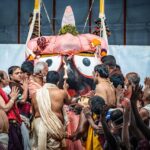
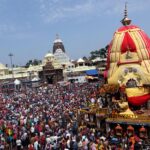
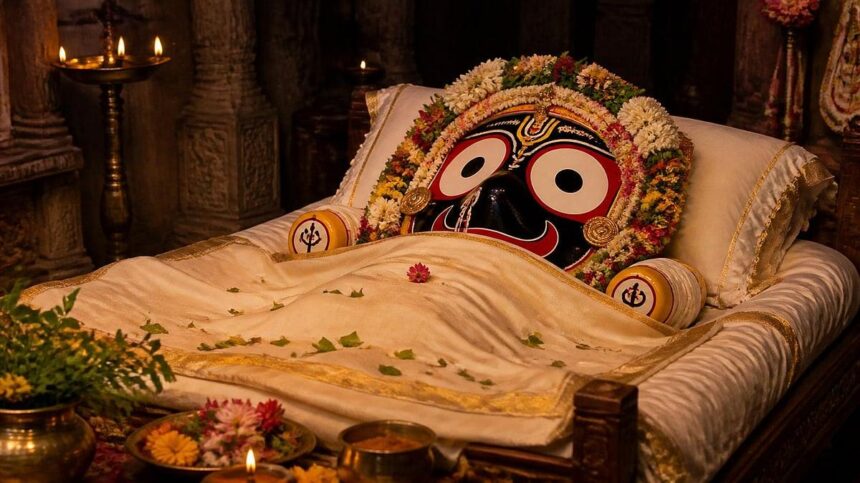
Anavasara, also spelled Anasara, is one of the most sacred and fascinating traditions associated with Lord Jagannath at the Jagannath Temple in Puri, Odisha. Every year, after the grand Snana Yatra (Holy Bath Festival), Lord Jagannath, Lord Balabhadra, Devi Subhadra, and Sudarshana are believed to become unwell due to the ceremonial bathing with 108 pots of sacred water.
According to tradition, the deities remain away from public view for about 15 days. This sacred period is known as Anavasara. During this time, devotees cannot have the usual darshan (viewing) of the deities, making the occasion deeply emotional and spiritually meaningful.
Rather than being seen as a period of absence, Anavasara reminds devotees that even the Divine participates in human experiences, teaching compassion, patience, faith, and the importance of rest and recovery.
What is Anavasara?
Anavasara is a sacred period during which Lord Jagannath and His siblings remain inside the temple after Snana Yatra. Temple traditions describe this as the time when the deities recover from fever caused by the elaborate ceremonial bath.
During these days:
- Public darshan remains closed.
- Special herbal medicines are offered.
- Light and simple food is prepared.
- Priests perform secret rituals.
- Artists prepare the famous Anasara Patti, a painted representation of the deities for devotees.
The period concludes with Nava Jaubana Darshan, where devotees witness the rejuvenated appearance of the deities before the famous Rath Yatra.
History of Anavasara
The history of Anavasara is deeply connected with the centuries-old traditions of the Jagannath Temple in Puri. References to these rituals are preserved through temple customs and ancient devotional literature.
The belief that Lord Jagannath falls ill after the ceremonial bath reflects the unique philosophy of Jagannath worship. Unlike many traditions that portray gods as distant beings, Jagannath culture presents the Lord as deeply connected with human emotions and experiences.
Over centuries, millions of devotees have accepted Anavasara not merely as a ritual but as an expression of divine compassion. The temporary absence of darshan strengthens the longing and devotion of worshippers.
Timeline of Anavasara
| Event | Description |
|---|---|
| Snana Yatra | Holy bathing ceremony with 108 pots of water |
| Divine Illness Begins | Lord Jagannath is believed to develop fever |
| Anavasara Starts | Public darshan remains closed |
| Secret Rituals | Herbal treatment and special offerings continue |
| Anasara Patti Display | Painted images become available for devotees |
| Nava Jaubana Darshan | First appearance after recovery |
| Rath Yatra | Grand chariot festival begins |
Why is Anavasara Celebrated?
Anavasara symbolizes:
- Divine humanity
- Physical and spiritual healing
- Patience during waiting
- Faith despite temporary separation
- Renewal before new beginnings
The observance teaches that rest is not weakness but an essential part of life.
Religious Significance of Anavasara
The spiritual importance of Anavasara extends far beyond temple rituals.
1. Symbol of Divine Compassion
Lord Jagannath experiences illness just as humans do, reminding devotees that God understands human suffering.
2. Lesson in Patience
Devotees eagerly wait for the reopening of darshan, strengthening their faith.
3. Spiritual Reflection
The absence of regular worship encourages introspection and personal prayer.
4. Renewal
The Lord returns with renewed beauty during Nava Jaubana Darshan, symbolizing fresh beginnings.
Observance of Anavasara
During Anavasara, devotees often:
- Read Jagannath scriptures.
- Chant Lord Jagannath’s names.
- Visit nearby Jagannath temples.
- Worship Anasara Patti.
- Maintain devotion at home.
- Practice simplicity and gratitude.
Interesting Facts About Anavasara
- The deities receive traditional Ayurvedic herbal treatment.
- Public darshan remains closed for approximately fifteen days.
- Special food suitable for recovery is offered.
- Temple artists prepare sacred painted representations.
- The reopening of darshan attracts enormous crowds.
- The tradition has been followed for centuries.
- It immediately precedes the famous Rath Yatra.
- Millions of devotees eagerly await Nava Jaubana Darshan.
- The festival emphasizes healing and renewal.
- The ritual beautifully combines devotion with human emotions.
Importance of Anavasara in Our Life
Although rooted in temple tradition, Anavasara offers timeless lessons.
Rest is Necessary
Even the Divine is symbolically shown resting after intense activity.
Healing Takes Time
Recovery cannot be rushed.
Patience Builds Character
Waiting often strengthens appreciation.
Faith Continues Even Without Seeing
True devotion exists beyond physical presence.
Renewal Follows Every Challenge
Every difficult phase eventually leads to fresh beginnings.
Daily Life Impact of Anavasara
Modern life often celebrates constant productivity, but Anavasara reminds us that balance matters.
Its lessons include:
- Take breaks when needed.
- Respect physical health.
- Support family during illness.
- Practice gratitude.
- Stay hopeful during difficult times.
- Trust that setbacks are temporary.
- Value emotional healing.
- Maintain faith in challenging periods.
Importance of Anavasara for Society
Society benefits from the values promoted by Anavasara.
It encourages:
- Compassion
- Unity
- Respect for traditions
- Mental well-being
- Community participation
- Cultural preservation
- Spiritual awareness
- Mutual care
The festival reminds communities that everyone deserves care, healing, and understanding.
Important Points About Anavasara
- Celebrated after Snana Yatra.
- Observed mainly at the Jagannath Temple in Puri.
- Lord Jagannath is believed to fall ill after the ceremonial bath.
- Public darshan remains unavailable.
- Herbal medicines are offered.
- Special rituals continue inside the temple.
- Ends with Nava Jaubana Darshan.
- Followed by Rath Yatra.
Heartfelt Anavasara Wishes
You can share these warm wishes with family and friends:
1.
May Lord Jagannath bless you with peace, good health, patience, and endless happiness during the sacred occasion of Anavasara.
2.
Wishing you and your loved ones a blessed Anavasara filled with devotion, healing, and spiritual strength.
3.
May the divine blessings of Lord Jagannath guide your life with wisdom, prosperity, and compassion.
4.
May this sacred period inspire hope, faith, and inner peace in your heart.
5.
Happy Anavasara! May every challenge in your life lead to a beautiful new beginning.
Review Section
Overall Rating: ⭐⭐⭐⭐⭐ (5/5)
| Category | Rating |
|---|---|
| Cultural Importance | ⭐⭐⭐⭐⭐ |
| Spiritual Value | ⭐⭐⭐⭐⭐ |
| Historical Significance | ⭐⭐⭐⭐⭐ |
| Community Participation | ⭐⭐⭐⭐☆ |
| Life Lessons | ⭐⭐⭐⭐⭐ |
Review Summary
Anavasara is much more than a religious observance. It beautifully combines faith, compassion, healing, patience, and renewal. The tradition teaches valuable lessons that remain relevant in today’s fast-paced world. Its emphasis on rest, recovery, and hope makes it meaningful not only for devotees but also for anyone seeking balance and inner peace.
Frequently Asked Questions (FAQs)
What is Anavasara?
Anavasara is the sacred period after Snana Yatra when Lord Jagannath is believed to recover from illness and remains away from public darshan.
How long does Anavasara last?
Traditionally, it lasts for about 15 days.
Why does Lord Jagannath become ill?
According to temple tradition, the ceremonial bathing with 108 pots of water causes the deities to develop fever.
Can devotees have darshan during Anavasara?
Regular public darshan is suspended during this period. Many devotees instead worship the sacred Anasara Patti or pray at home.
What happens after Anavasara?
The deities reappear during Nava Jaubana Darshan, followed by the grand Rath Yatra.
Why is Anavasara important?
It symbolizes healing, patience, renewal, compassion, and unwavering faith.
Where is Anavasara mainly observed?
It is most prominently observed at the Jagannath Temple in Puri, Odisha, and by Jagannath devotees worldwide.
Key Takeaways
- Anavasara begins after Snana Yatra.
- The deities symbolically undergo recovery.
- Public darshan remains closed.
- Herbal treatments and special rituals are performed.
- The observance emphasizes healing and patience.
- It concludes with Nava Jaubana Darshan.
- Rath Yatra follows immediately afterward.
- The festival teaches timeless lessons about faith, renewal, and compassion.
Conclusion
Anavasara is a beautiful expression of devotion that reminds us of the human qualities reflected in Lord Jagannath’s worship. Through its sacred rituals, it teaches patience during times of waiting, faith during periods of uncertainty, and hope after every hardship. The observance also highlights the importance of rest, healing, and renewal—values that are just as meaningful in our everyday lives as they are in spiritual practice.
Whether you are a devotee, a student of Indian culture, or simply someone interested in learning about meaningful traditions, Anavasara offers profound insights into compassion, resilience, and community. As the Lord returns in renewed glory before Rath Yatra, devotees are reminded that every period of challenge is followed by a new beginning filled with hope, strength, and divine blessings.