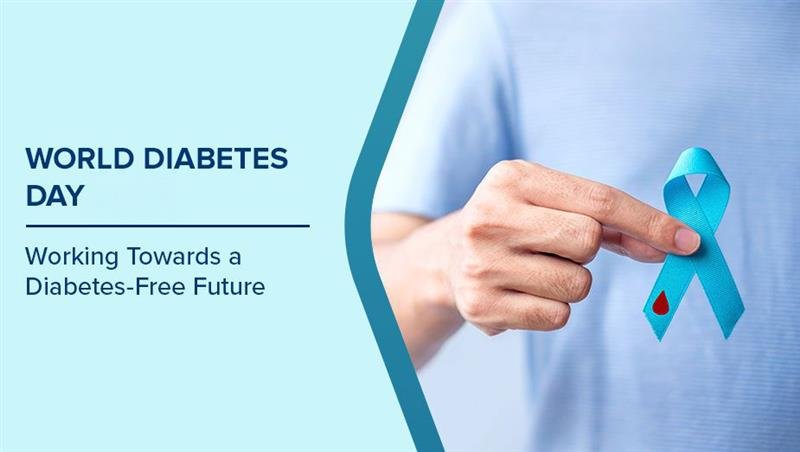
Powerful and Inspiring Facts About World Diabetes Day That Can Save Lives
Introduction: What Is World Diabetes Day?
World Diabetes Day is observed every year on November 14 to raise awareness about diabetes, its prevention, its complications, and the importance of access to appropriate healthcare. It encourages people to understand this long-term health condition, recognize potential warning signs, and make informed decisions about their physical and mental well-being.
- Introduction: What Is World Diabetes Day?
- 1. When Is World Diabetes Day Celebrated?
- November 14 every year
- 2. History of World Diabetes Day
- 1991: The beginning
- 2006: Recognition by the United Nations
- The discovery of insulin
- The modern awareness movement
- 3. What Is Diabetes?
- 4. Ten Powerful Facts About World Diabetes Day
- 5. World Diabetes Day 2026 Theme and Significance
- 6. Timeline of World Diabetes Day
- 7. Common Symptoms and Warning Signs of Diabetes
- 8. How Can We Prevent or Reduce the Risk of Diabetes?
- 9. Importance of World Diabetes Day in Our Daily Lives
- For students
- For working professionals
- For parents and families
- For older adults
- For people already living with diabetes
- 10. Why World Diabetes Day Is Important to Society
- 11. How Is World Diabetes Day Observed?
- 12. Important Points to Remember About World Diabetes Day
- 13. World Diabetes Day Wishes, Messages, and Slogans
- 14. Review Section: World Diabetes Day
- World Diabetes Day — Awareness Review
- 15. Frequently Asked Questions (FAQs) About World Diabetes Day
- Q1. When is World Diabetes Day celebrated?
- Q2. Why is World Diabetes Day celebrated on November 14?
- Q3. When was World Diabetes Day first observed?
- Q4. What is the theme of World Diabetes Day 2026?
- Q5. What is the symbol of World Diabetes Day?
- Q6. What are the common symptoms of diabetes?
- Q7. Can diabetes be prevented?
- Q8. Why is early diagnosis important?
- Q9. How can students participate in World Diabetes Day?
- Q10. How can I support someone living with diabetes?
- Q11. Does eating sugar alone cause diabetes?
- Q12. Is diabetes a lifelong condition?
- 16. Conclusion: Small Actions Can Make a Powerful Difference
Diabetes is more than a medical term or a blood sugar reading. It is a condition that can affect a person’s daily routine, family life, education, career, finances, and emotional health. Millions of people around the world live with diabetes, and many may not know they have it. Awareness and early diagnosis can make a meaningful difference.
World Diabetes Day reminds us that health education should reach everyone, regardless of age, income, gender, or geographical location. From students and working professionals to parents and older adults, everyone can benefit from learning about healthy eating, physical activity, regular health check-ups, and diabetes management.
The day also recognizes the importance of healthcare professionals, researchers, caregivers, and organizations working to improve the lives of people living with diabetes.
For students, families, and society, the message is simple: understanding diabetes today can help protect health tomorrow.
1. When Is World Diabetes Day Celebrated?
DATE AND OBSERVANCE
November 14 every year
Date: November 14
First observed: 1991
Founding organizations: International Diabetes Federation (IDF) and World Health Organization (WHO)
UN recognition: 2006
Global symbol: Blue circle
2026–2027 campaign theme: Early Action on Diabetes.
The date was chosen to honor Sir Frederick Banting, whose birthday falls on November 14. Along with Charles Best, he played a key role in the discovery of insulin, which transformed diabetes treatment.
In 2026, the campaign emphasizes early diagnosis, reducing the risk of type 2 diabetes, and ensuring that people receive appropriate care without unnecessary delays.
2. History of World Diabetes Day
The history of World Diabetes Day reflects the growing global effort to make diabetes education, diagnosis, treatment, and support more accessible.
1991: The beginning
The International Diabetes Federation and the World Health Organization established World Diabetes Day in response to increasing concerns about diabetes and its impact on public health.
The initiative created an international opportunity for healthcare professionals, governments, patients, and communities to work together.
2006: Recognition by the United Nations
In December 2006, the United Nations adopted Resolution 61/225, recognizing World Diabetes Day as an official United Nations observance. This strengthened international attention to diabetes prevention, care, and awareness.
The discovery of insulin
The choice of November 14 also honors the scientific work of Frederick Banting and Charles Best. Insulin became a life-changing treatment for people with type 1 diabetes, who need insulin to survive.
This discovery illustrates how scientific research can change millions of lives and why continued investment in healthcare research is important.
The modern awareness movement
Today, World Diabetes Day connects people across countries through educational programs, public health campaigns, community events, social media, screening initiatives, and conversations about living with diabetes.
Its purpose is not limited to a single day. The campaign encourages individuals and institutions to make diabetes awareness part of everyday life.
3. What Is Diabetes?
Diabetes is a chronic condition in which the body cannot regulate blood glucose, commonly called blood sugar, properly. Glucose is an important source of energy, while insulin is a hormone that helps glucose move from the bloodstream into the body’s cells.
When the body does not produce enough insulin or cannot use it effectively, blood glucose levels can become too high. Over time, poorly controlled diabetes can damage the heart, kidneys, eyes, nerves, and blood vessels.
The three main types of diabetes
Type 1 diabetes
Type 1 diabetes is an autoimmune condition in which the body stops producing sufficient insulin. People with this condition need insulin treatment. It can develop in children, teenagers, or adults and is not caused simply by eating too much sugar.
Type 2 diabetes
Type 2 diabetes occurs when the body does not use insulin effectively and may gradually produce insufficient insulin. Genetics, age, body weight, physical activity, and other factors can influence risk. Many cases can be prevented or delayed, although not every case is preventable.
Gestational diabetes
This type of diabetes develops during pregnancy. It requires appropriate monitoring and care because high blood glucose can affect both the pregnant person and the baby. Follow-up after pregnancy is important because future type 2 diabetes risk can be higher.
These types have different causes and management needs. A healthcare professional can determine the diagnosis and recommend appropriate treatment.
4. Ten Powerful Facts About World Diabetes Day
Fact 1: It is observed worldwide
World Diabetes Day reaches communities in more than 160 countries and territories, helping bring diabetes into public conversations and health education.
Fact 2: It honors a medical breakthrough
November 14 commemorates Frederick Banting’s birthday and highlights the importance of insulin research and diabetes treatment.
Fact 3: Millions of cases remain undiagnosed
The World Health Organization reports that more than 40% of people living with diabetes worldwide are undiagnosed. Testing and early diagnosis are therefore essential.
Fact 4: Healthy habits matter
Balanced eating, regular physical activity, and maintaining a healthy body weight can help prevent or delay many cases of type 2 diabetes.
Fact 5: Exercise supports health
Regular physical activity can improve insulin sensitivity and support blood glucose management. People should choose suitable activities based on their health and medical advice.
Fact 6: The blue circle represents unity
The blue circle is the internationally recognized symbol of diabetes awareness. It represents solidarity and collective action against diabetes.
Fact 7: Education improves self-management
Learning how food, medication, physical activity, sleep, and illness affect blood glucose can help people make informed decisions about their care.
Fact 8: Complications can be serious
Diabetes can damage the eyes, kidneys, heart, nerves, and blood vessels. Appropriate treatment and regular screening can help prevent or delay many complications.
Fact 9: Family support makes a difference
Encouragement, understanding, and practical help can make diabetes management less stressful. Blame and judgment do not help people manage a chronic condition.
Fact 10: Early action is the 2026 campaign focus
The 2026–2027 campaign promotes early diagnosis, reduction of type 2 diabetes risk, and timely access to care.
5. World Diabetes Day 2026 Theme and Significance
The World Diabetes Day campaign theme for 2026–2027 is “Early Action on Diabetes.” It encourages people to recognize warning signs, seek timely medical advice, understand their risk factors, and access suitable treatment and ongoing care.
Why is early action important?
Earlier diagnosis: Identifying diabetes sooner helps people access appropriate treatment and support.
Fewer preventable complications: Proper management can reduce the risk of serious problems affecting the heart, eyes, kidneys, and nerves.
Better quality of life: People can learn to manage their condition while continuing their studies, work, family responsibilities, and interests.
Improved public awareness: Education can help people recognize symptoms instead of ignoring them.
Fairer access to care: Diagnosis is only the first step; affordable medicines, monitoring, healthcare, and continued support are also essential.
The message is particularly important for people who have risk factors for type 2 diabetes or who notice possible symptoms. However, healthy habits cannot replace medical screening, and type 1 diabetes cannot currently be prevented through lifestyle changes.
6. Timeline of World Diabetes Day
| Year | Important event |
|---|---|
| 1921–1922 | Research by Frederick Banting, Charles Best, and their collaborators led to the discovery and development of insulin as a diabetes treatment. |
| 1991 | World Diabetes Day was established by the IDF and WHO. |
| 2006 | The United Nations adopted a resolution recognizing World Diabetes Day. |
| 2007 | The first World Diabetes Day observed following its official UN recognition took place. |
| 2021–2023 | The campaign emphasized access to diabetes care. |
| 2024–2026 | The broader IDF campaign focused on diabetes and well-being. |
| 2026–2027 | The campaign theme is Early Action on Diabetes. |
The historical milestones are documented by the WHO, UN, and International Diabetes Federation.
7. Common Symptoms and Warning Signs of Diabetes
One of the most important purposes of World Diabetes Day is to help people recognize symptoms that should not be ignored.
Common warning signs include:
Excessive thirst.
Frequent urination, including at night.
Unusual tiredness or weakness.
Blurred vision.
Unexplained weight loss.
Increased hunger.
Slow-healing wounds.
Recurrent infections in some people.
Type 2 diabetes can develop gradually and may cause few noticeable symptoms. Type 1 diabetes may develop more rapidly and can become life-threatening without treatment.
Important health advice: If you or a family member experiences these symptoms, seek medical advice and appropriate blood glucose testing. If symptoms develop rapidly alongside vomiting, abdominal pain, deep or rapid breathing, confusion, or severe drowsiness, seek emergency medical care.
Do not wait for World Diabetes Day to get help, and do not try to diagnose diabetes from symptoms alone.
8. How Can We Prevent or Reduce the Risk of Diabetes?
Although type 1 diabetes cannot currently be prevented, several steps can help reduce or delay the risk of type 2 diabetes and support the health of people already living with diabetes.
1. Choose balanced meals
Eat a variety of vegetables, whole grains, pulses, fruit, and suitable protein sources. Limit excess added sugar, sugary drinks, and highly processed foods. You do not necessarily need to eliminate every carbohydrate.
2. Stay physically active
Walking, cycling, swimming, dancing, and other suitable activities can improve overall health. Adults are generally advised to aim for at least 150 minutes of moderate physical activity per week, as appropriate for their health.
3. Get appropriate health check-ups
Blood glucose testing can identify diabetes or elevated blood sugar. Ask a healthcare professional when screening is appropriate, particularly if you have risk factors or symptoms.
4. Prioritize sleep and stress management
Maintain a regular sleep routine and find healthy ways to manage stress. These habits support overall well-being and can make healthy routines easier to maintain.
5. Build a supportive environment
Families, schools, and workplaces can encourage healthy meals, physical activity, and regular check-ups without blaming or shaming people.
The WHO recommends healthy eating, regular physical activity, avoiding tobacco, and maintaining a healthy body weight to help prevent or delay type 2 diabetes. Prevention and management plans should be individualized when medical conditions are present.
9. Importance of World Diabetes Day in Our Daily Lives
World Diabetes Day is not simply a date on the calendar. Its message can influence the small decisions people make every day.
For students
Students can learn to distinguish reliable health information from online myths. Schools and colleges can organize health talks, poster competitions, and educational sessions to explain diabetes symptoms and healthy habits.
Young people should also understand that type 1 diabetes is not a personal failure or the result of eating sweets.
For working professionals
Long working hours, prolonged sitting, stress, and irregular meals can make healthy routines difficult. World Diabetes Day encourages employers to promote movement breaks, healthier food options, and access to health education.
For parents and families
Family members can help by supporting medical appointments, preparing balanced meals, and encouraging healthy routines. They should avoid criticizing people for their diagnosis or making assumptions about how their condition developed.
For older adults
Regular check-ups and appropriate monitoring are especially important when age, family history, or other medical conditions increase diabetes risk. A healthcare professional can advise on testing and treatment.
For people already living with diabetes
The day can be an opportunity to review treatment goals, discuss concerns with a healthcare professional, and seek support for the emotional or practical challenges of managing a chronic condition.
Living with diabetes does not mean giving up on dreams. With appropriate care and support, many people continue to study, work, travel, exercise, raise families, and pursue meaningful goals.
10. Why World Diabetes Day Is Important to Society
Diabetes affects not only individuals but also families, communities, healthcare systems, and economies.
Reducing healthcare inequalities: Not everyone has equal access to screening, insulin, medicines, monitoring devices, and qualified healthcare professionals. Awareness should be accompanied by action to improve access.
Supporting scientific research: Continued research can improve treatments, monitoring technology, and understanding of diabetes.
Promoting health literacy: Accurate information helps people recognize symptoms, understand risk factors, and make informed decisions.
Reducing discrimination: People with diabetes deserve dignity and equal opportunities in schools, workplaces, and public life.
Encouraging responsible public policy: Governments and institutions can support affordable healthcare, healthier food environments, accessible exercise facilities, and effective screening programs.
The WHO’s global diabetes coverage targets for 2030 include improving diagnosis, blood glucose control, blood pressure management, and access to essential treatment for people with type 1 diabetes. These goals underline that awareness must lead to practical improvements in care.
11. How Is World Diabetes Day Observed?
World Diabetes Day is observed through educational, medical, community, and online activities.
Health awareness and screening camps
Hospitals, clinics, and community organizations may offer educational sessions and blood glucose screening where appropriate.
School and college programs
Students can create posters, deliver speeches, conduct quizzes, and share evidence-based information about diabetes.
Walks and fitness activities
Community walks and suitable physical activities can promote movement and encourage people to take an interest in their health.
Social media awareness
People can share reliable resources, infographics, and personal experiences using hashtags such as #WorldDiabetesDay and #ActEarlyOnDiabetes.
Support for people living with diabetes
Families and communities can listen, offer practical help, and challenge harmful stereotypes.
The official campaign website provides resources and a directory of awareness activities around the world.
12. Important Points to Remember About World Diabetes Day
World Diabetes Day is observed on November 14 every year.
It was established in 1991 by the International Diabetes Federation and WHO.
The United Nations recognized it as an official observance in 2006.
The blue circle is the global symbol of diabetes awareness.
The 2026–2027 campaign theme is Early Action on Diabetes.
Diabetes can affect people of different ages and backgrounds.
Type 1 diabetes and type 2 diabetes have different causes.
Early diagnosis and appropriate treatment can help reduce complications.
Healthy habits can help prevent or delay many cases of type 2 diabetes.
People living with diabetes need understanding, access to healthcare, and ongoing support—not blame.
Diabetes management should be guided by qualified healthcare professionals.
13. World Diabetes Day Wishes, Messages, and Slogans
Use these original messages for school events, awareness campaigns, community programs, or social media posts.
World Diabetes Day Wishes
1. Happy World Diabetes Day! May awareness, compassion, and timely healthcare help build a healthier future for everyone.
2. This World Diabetes Day, let us spread knowledge, encourage early testing, and support every person living with diabetes.
3. Wishing everyone a healthier and more informed future. Remember, small positive steps and timely medical care can make a meaningful difference.
4. Let us replace diabetes myths with facts and judgment with kindness. Together, we can create a more supportive society.
5. On November 14, let us promise to care for our health, share trusted information, and encourage our loved ones to seek help when needed.
World Diabetes Day slogans
Act Early on Diabetes; Protect Tomorrow’s Health.
Know the Symptoms. Seek Care. Support Each Other.
Awareness Today, Better Health Tomorrow.
Diabetes Deserves Care, Not Stigma.
Small Healthy Habits, Stronger Futures.
Test Early, Act Wisely, Live Well.
Together for a Healthier, More Informed World.
14. Review Section: World Diabetes Day
World Diabetes Day — Awareness Review
Educational overview for students, families, and the general public
Main strength
The campaign turns an important health issue into a global conversation about early diagnosis, prevention, treatment, and support.
Educational value
It helps readers understand the warning signs of diabetes, the differences between its main types, and the importance of appropriate medical care.
Social value
It encourages schools, workplaces, healthcare providers, and families to support healthier environments and reduce stigma.
Important limitation
A single awareness day cannot replace year-round medical services, affordable treatment, regular screening, or individual care plans.
Overall editorial assessment: World Diabetes Day is a valuable global health awareness campaign, particularly when awareness leads to timely diagnosis, accessible treatment, and compassionate support.
15. Frequently Asked Questions (FAQs) About World Diabetes Day
Q1. When is World Diabetes Day celebrated?
World Diabetes Day is observed every year on November 14.
Q2. Why is World Diabetes Day celebrated on November 14?
The date marks the birthday of Sir Frederick Banting, who, along with Charles Best and other collaborators, contributed to the discovery of insulin.
Q3. When was World Diabetes Day first observed?
It was established in 1991 by the International Diabetes Federation and the World Health Organization.
Q4. What is the theme of World Diabetes Day 2026?
The 2026–2027 campaign theme is Early Action on Diabetes, which highlights early diagnosis, reducing type 2 diabetes risk, and access to appropriate care.
International Diabetes Federation+1
Q5. What is the symbol of World Diabetes Day?
The blue circle is the global symbol of diabetes awareness. It represents unity and collective action.
Q6. What are the common symptoms of diabetes?
Common symptoms include excessive thirst, frequent urination, fatigue, blurred vision, increased hunger, and unexplained weight loss. Some people, particularly those with type 2 diabetes, may have few or no noticeable symptoms.
Q7. Can diabetes be prevented?
Type 1 diabetes cannot currently be prevented. Many cases of type 2 diabetes can be prevented or delayed through healthy habits and appropriate medical support, although risk cannot always be eliminated.
Q8. Why is early diagnosis important?
Early diagnosis allows people to access treatment and ongoing care, helping prevent or delay serious complications.
Q9. How can students participate in World Diabetes Day?
Students can organize awareness posters, speeches, quizzes, educational presentations, and suitable physical activities. They can also share information from reliable health organizations.
Q10. How can I support someone living with diabetes?
Listen without judgment, respect their treatment plan, offer practical help when requested, and encourage them to consult their healthcare team when needed.
Q11. Does eating sugar alone cause diabetes?
No. Diabetes has multiple causes and risk factors. Type 1 diabetes is an autoimmune condition, while type 2 diabetes is influenced by several interacting factors, including genetics, age, and lifestyle. Excessive consumption of sugary foods and drinks can contribute to an unhealthy dietary pattern and increase type 2 diabetes risk, but sugar alone does not explain every case.
Q12. Is diabetes a lifelong condition?
Diabetes is generally a chronic condition that requires ongoing management. Treatment needs vary by type and individual circumstances. Gestational diabetes may resolve after pregnancy, but follow-up testing is important because future diabetes risk can remain elevated.
16. Conclusion: Small Actions Can Make a Powerful Difference
World Diabetes Day reminds us that health awareness is not just about reading facts or sharing messages online. It is about turning knowledge into meaningful action.
Observed every November 14, this global campaign encourages people to recognize diabetes symptoms, seek timely medical advice, understand their risk, and support those already living with the condition. Its 2026–2027 theme, Early Action on Diabetes, reinforces the value of diagnosis, accessible healthcare, and early support.
We all have a role to play. Students can spread reliable information. Families can encourage healthier routines. Workplaces can support employee well-being. Healthcare professionals can provide appropriate care, while governments and communities can help make essential services more accessible.
Most importantly, we must remember that diabetes is a medical condition, not a reason to judge someone’s character or worth. People living with diabetes deserve respect, compassion, and the opportunity to lead fulfilling lives.
This World Diabetes Day, let us make a positive commitment: learn the warning signs, take health concerns seriously, encourage appropriate screening, and share trustworthy information.
Awareness creates understanding, early action opens the door to care, and compassion helps build a healthier society.
Recommended external links:
World Health Organization — Diabetes fact sheet;
International Diabetes Federation — Official World Diabetes Day website.