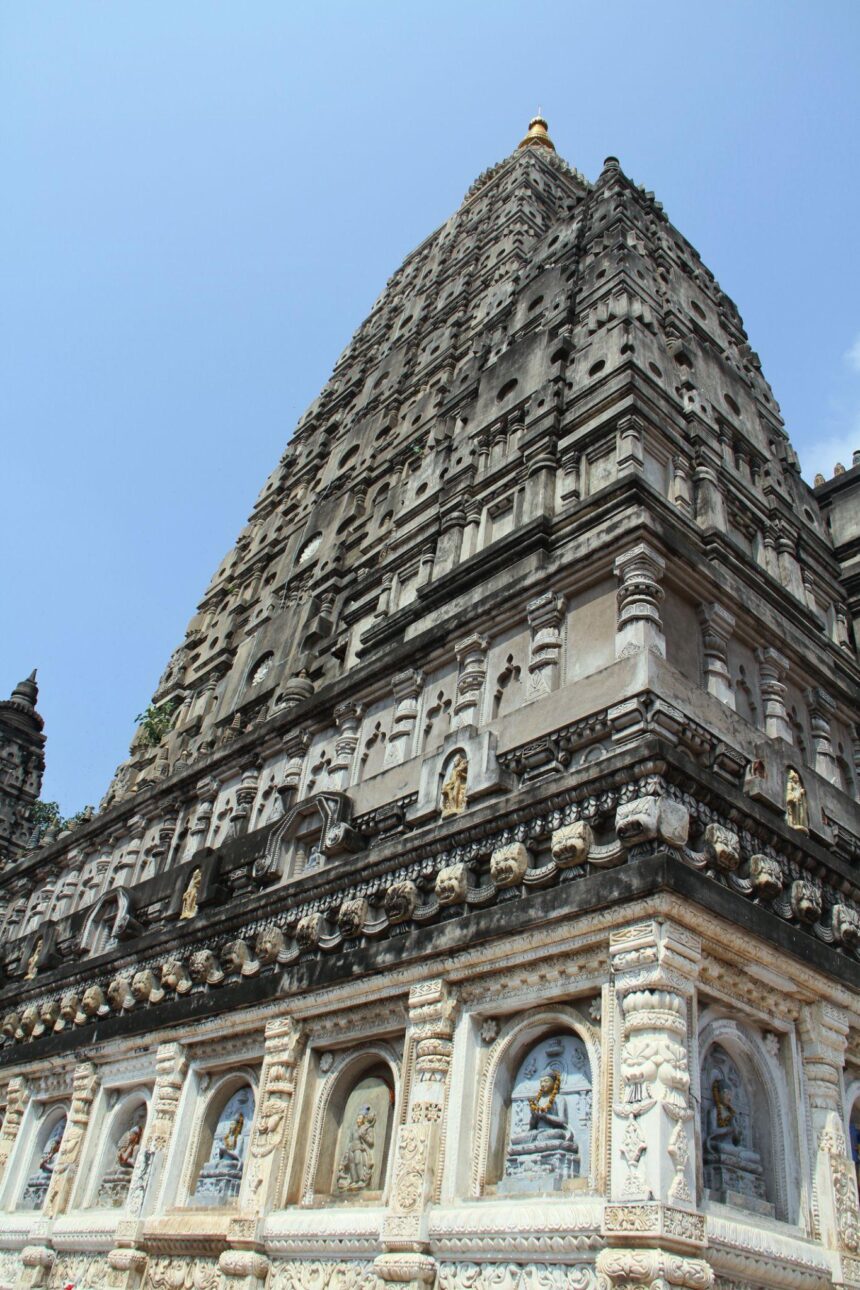
Mahabodhi Temple Bihar (2026): 21 Amazing Facts, History, Costs, Significance & Student Guide for Daily Life
- Mahabodhi Temple Bihar (2026) – Complete Human-Friendly Guide
- What Is the Mahabodhi Temple?
- History of Mahabodhi Temple
- Early History
- Emperor Ashoka’s Contribution
- Later Developments
- Timeline of Mahabodhi Temple
- Entry Cost and Travel Costs (2026)
- Temple Entry
- Camera Fee (if applicable)
- Budget Stay
- Food per Day
- Local Transport
- 21 Amazing Facts About Mahabodhi Temple
- Why Is Mahabodhi Temple Significant?
- Religious Significance
- Historical Significance
- Educational Significance
- Global Significance
- Importance in Our Life
- Daily Life Impacts
- Observance and Celebrations
- Wishing Messages for Mahabodhi Temple Visits
- Important Points for Students
- History Questions
- UNESCO Status
- Free Entry
- International Importance
- Moral Education
- Frequently Asked Questions (FAQs)
- 1. Where is Mahabodhi Temple located?
- 2. Why is it famous?
- 3. Is there an entry fee?
- 4. What is the best time to visit?
- 5. Can students visit for educational purposes?
- 6. What is the Bodhi Tree?
- 7. Is photography allowed?
- 8. Why is it a UNESCO site?
- 9. How much should a student budget?
- 10. What lesson does the temple teach?
- Review Section (2026)
- Overall Review: 4.9/5
- Importance to Society
- Conclusion
Mahabodhi Temple Bihar (2026) – Complete Human-Friendly Guide
Mahabodhi Temple Bihar: The Mahabodhi Temple is one of the most peaceful and spiritually important places in the world. Located in Bodh Gaya, this sacred temple marks the spot where Gautama Buddha attained enlightenment under the Bodhi Tree.
For students, travelers, historians, and spiritual seekers, the Mahabodhi Temple is not just a monument—it is a living lesson about patience, knowledge, peace, and humanity. In 2026, the temple continues to attract millions of visitors from India and abroad.

What Is the Mahabodhi Temple?
The Mahabodhi Temple is a Buddhist temple built near the place where Buddha achieved enlightenment around the 6th century BCE. The current temple structure is mainly from the Gupta period and later restorations.
It is recognized as a UNESCO World Heritage Site because of its historical, religious, and architectural importance.
Location: Bodh Gaya, Gaya district, Bihar, India
Religion: Buddhism
UNESCO Status: World Heritage Site (2002)
Main Attraction: The Bodhi Tree and the main temple tower
History of Mahabodhi Temple

Early History
According to Buddhist traditions:
- Prince Siddhartha left his royal life in search of truth.
- After years of meditation, he reached Bodh Gaya.
- He sat under the Bodhi Tree and meditated deeply.
- At the age of 35, he attained enlightenment and became Buddha.
Emperor Ashoka’s Contribution
Around the 3rd century BCE, Ashoka visited the site. He built a shrine and a diamond throne (Vajrasana) to honor Buddha.
Later Developments
- Gupta rulers rebuilt and expanded the temple.
- The temple became a major center of Buddhist learning.
- It suffered neglect during some medieval periods.
- Restoration efforts began in the 19th century under British administration and Buddhist organizations.
- Today, it stands as one of the finest examples of ancient Indian architecture.
Timeline of Mahabodhi Temple
| Year/Period | Event |
|---|---|
| 6th century BCE | Buddha attains enlightenment |
| 3rd century BCE | Emperor Ashoka visits and builds shrine |
| 4th–6th century CE | Major temple construction during Gupta era |
| Medieval period | Decline in maintenance |
| 19th century | Restoration begins |
| 2002 | UNESCO World Heritage recognition |
| 2026 | Continues as global spiritual destination |
Entry Cost and Travel Costs (2026)
One of the best things for students is that entry to the Mahabodhi Temple complex is generally free.
Temple Entry
Free
Camera Fee (if applicable)
₹100–₹300
Budget Stay
₹500–₹1,200
Food per Day
₹200–₹500
Local Transport
₹100–₹300
Approximate student budget for one day: ₹800–₹2,000
21 Amazing Facts About Mahabodhi Temple


6
- Buddha attained enlightenment here.
- The temple is over 2,000 years old in origin.
- It is a UNESCO World Heritage Site.
- The main tower rises about 55 meters.
- The Bodhi Tree is believed to descend from the original tree.
- Emperor Ashoka helped develop the site.
- Pilgrims from more than 100 countries visit.
- The temple combines brick and stone architecture.
- Meditation is practiced daily.
- It is one of the four major Buddhist pilgrimage sites.
- The Vajrasana marks Buddha’s meditation spot.
- The temple has intricate carvings.
- Different Buddhist traditions worship here together.
- Prayer flags and chants create a peaceful atmosphere.
- International monasteries surround Bodh Gaya.
- Many students visit for educational tours.
- Sunrise meditation is especially popular.
- The temple symbolizes victory over ignorance.
- It promotes non-violence and compassion.
- The site is protected by archaeological authorities.
- Visitors often describe it as life-changing.
Why Is Mahabodhi Temple Significant?
Religious Significance
For Buddhists, this is the holiest place connected to enlightenment.
Historical Significance
It connects modern India with ancient civilization and philosophy.
Educational Significance
Students learn about:
- Ancient Indian history
- Buddhism
- Architecture
- Archaeology
- Ethics and philosophy
Global Significance
The temple represents peace and spiritual unity for the world.
Importance in Our Life
Even if a person is not Buddhist, the message of Mahabodhi Temple is valuable.
What can we learn?
- Patience: Great achievements take time.
- Concentration: Focus improves learning.
- Compassion: Kindness strengthens society.
- Self-control: Peace begins within.
- Wisdom: Knowledge should be used for good.
For students preparing for exams, the temple’s message is simple: stay calm, stay focused, and keep learning.
Daily Life Impacts

The teachings associated with Mahabodhi Temple can improve everyday life.
| Temple Value | Daily Life Impact |
|---|---|
| Mindfulness | Less stress |
| Compassion | Better relationships |
| Discipline | Better study habits |
| Peace | Reduced anger |
| Wisdom | Better decisions |
Many visitors say that after spending time here, they feel mentally refreshed and emotionally balanced.
Observance and Celebrations
The temple is especially important during:
- Buddha Purnima
- Kathina ceremonies
- International Buddhist gatherings
- Meditation retreats
During these occasions, thousands of monks and devotees participate in prayers and chanting.
Wishing Messages for Mahabodhi Temple Visits
Here are some human-friendly wishes:
“May your visit to Mahabodhi Temple fill your heart with peace and wisdom.”
“Wishing you calm thoughts, positive energy, and a meaningful spiritual journey.”
“May the blessings of Bodh Gaya inspire knowledge, compassion, and success in your life.”
“Let the light of enlightenment guide your studies, career, and relationships.”
Important Points for Students
History Questions
Remember Ashoka’s role and the enlightenment event.
UNESCO Status
Recognized in 2002.
Free Entry
Good for educational trips.
International Importance
Visited by people worldwide.
Moral Education
Teaches peace and self-discipline.
Frequently Asked Questions (FAQs)
1. Where is Mahabodhi Temple located?
It is located in Bodh Gaya, Bihar, India.
2. Why is it famous?
Because Buddha attained enlightenment there.
3. Is there an entry fee?
Generally, entry is free.
4. What is the best time to visit?
October to March is considered comfortable.
5. Can students visit for educational purposes?
Yes, it is an excellent educational destination.
6. What is the Bodhi Tree?
It is the sacred tree associated with Buddha’s enlightenment.
7. Is photography allowed?
Yes, but some areas may have restrictions or fees.
8. Why is it a UNESCO site?
Due to its outstanding historical and spiritual value.
9. How much should a student budget?
About ₹800–₹2,000 for a simple one-day visit.
10. What lesson does the temple teach?
Inner peace, wisdom, and compassion.
Review Section (2026)
Overall Review: 4.9/5
Spiritual Experience
5/5
Cleanliness
4.8/5
Educational Value
5/5
Accessibility
4.7/5
Overall Satisfaction
4.9/5
Visitor Impression:
“The Mahabodhi Temple is not only a tourist attraction but also a place that makes you slow down, breathe, and think about what truly matters in life.”
Students often appreciate the calm environment, historical importance, and affordable travel experience.
Importance to Society

The temple contributes to society by:
- Promoting peace and non-violence.
- Encouraging interfaith respect.
- Supporting tourism and local employment.
- Preserving ancient heritage.
- Inspiring ethical living.
In a world facing stress and conflict, places like Mahabodhi Temple remind humanity that understanding and compassion are still possible.
Conclusion
The Mahabodhi Temple is far more than an ancient building. It is a symbol of enlightenment, patience, knowledge, and peace. From its connection with Buddha to its UNESCO recognition, every stone of the temple tells a story that has inspired people for centuries.
For students, the temple offers lessons beyond textbooks. It teaches focus, discipline, and kindness. For society, it represents harmony and cultural heritage. For daily life, it reminds us to stay calm, think wisely, and treat others with compassion.
If you ever visit Bodh Gaya in 2026, do not rush. Sit quietly near the Bodhi Tree, observe the peaceful atmosphere, and reflect on your own life goals. That simple moment may become the most valuable lesson of your journey.
“May the spirit of Mahabodhi Temple bring wisdom to our minds, peace to our hearts, and kindness to our society.”