About Lord Jagannath Temple: The Ultimate Budget Travel Guide, Powerful History & Spiritual Significance

- Estimated Travel Budget
- Estimated Student Budget
- 1. Why is Jagannath Temple famous?
- 2. Where is Jagannath Temple located?
- 3. Who built the temple?
- 4. Is entry free?
- 5. Why are the idols made of wood?
- 6. What is Rath Yatra?
- 7. What is Mahaprasad?
- 8. What is the best time to visit?
- Overall Rating: ⭐⭐⭐⭐⭐ (4.9/5)


The Lord Jagannath Temple in Puri, Odisha, is one of the most sacred Hindu temples in India. Dedicated to Lord Jagannath, a form of Lord Vishnu (Krishna), the temple is one of the Char Dham pilgrimage sites, making it one of the holiest destinations for millions of devotees.
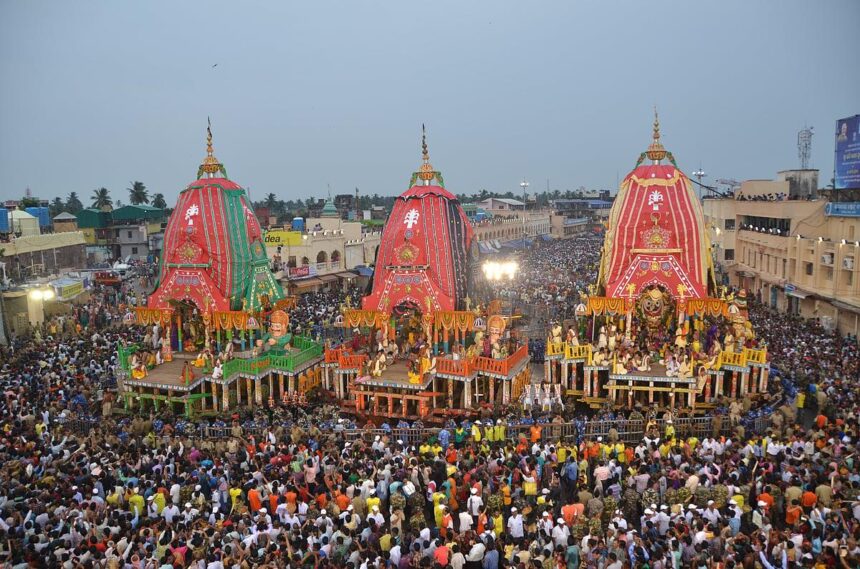
Known for its majestic Kalinga-style architecture, world-famous Rath Yatra (Chariot Festival), unique wooden deities, and centuries-old traditions, the Jagannath Temple is a symbol of faith, devotion, culture, and unity.
For students, this temple is much more than a religious site. It is a living center of history, architecture, engineering, culture, literature, economics, and tourism. This detailed guide explains everything in simple, human-friendly language, making it useful for school projects, competitive exams, and educational travel.
Overview of Lord Jagannath Temple
| Feature | Details |
|---|---|
| Location | Puri, Odisha |
| Main Deities | Lord Jagannath, Balabhadra, and Subhadra |
| Religion | Hinduism |
| Built By | King Anantavarman Chodaganga Deva |
| Construction Period | 12th Century CE |
| Architectural Style | Kalinga Architecture |
| Famous Festival | Rath Yatra |
| Pilgrimage Status | One of the Char Dham |
| Best Time to Visit | October to March |
History of Lord Jagannath Temple


The present Jagannath Temple was built in the 12th century CE by King Anantavarman Chodaganga Deva of the Eastern Ganga Dynasty. Later rulers expanded and maintained the temple, helping it become one of India’s most important pilgrimage centers.
According to Hindu tradition, Lord Jagannath is a form of Lord Krishna. The temple is unique because the deities of Jagannath, Balabhadra, and Subhadra are carved from sacred wood rather than stone or metal. These wooden idols are ceremonially replaced during the special ritual known as Nabakalebara, which takes place at specific intervals based on the Hindu lunar calendar.
For centuries, the temple has served as a center of spirituality, art, music, literature, and charitable food distribution. It continues to attract millions of devotees and visitors from around the world.
Timeline of Lord Jagannath Temple
| Period | Event |
|---|---|
| Ancient Tradition | Worship of Lord Jagannath begins |
| 12th Century CE | Temple constructed by King Anantavarman Chodaganga Deva |
| 13th–15th Century | Temple expanded by later rulers |
| Medieval Period | Rath Yatra gains wider recognition |
| Modern Era | Temple becomes a global pilgrimage destination |
| Today | Millions visit annually for worship and festivals |
Architecture of Jagannath Temple
The Jagannath Temple is a masterpiece of Kalinga architecture.
Key features include:
- Tower approximately 65 meters (214 feet) high.
- Massive temple complex enclosed by high walls.
- Four grand entrance gates.
- Beautiful stone carvings.
- Sacred kitchen, considered one of the world’s largest temple kitchens.
- Traditional Kalinga-style sculptures.
- Spacious courtyards for religious ceremonies.
The temple’s design reflects the artistic excellence and engineering skills of medieval India.
25 Incredible Facts About Lord Jagannath Temple
- One of the Char Dham pilgrimage sites.
- Dedicated to Lord Jagannath, Balabhadra, and Subhadra.
- Built in the 12th century.
- Famous for the annual Rath Yatra.
- Wooden idols are unique among major Hindu temples.
- Idols are replaced during Nabakalebara.
- Built in Kalinga architectural style.
- Temple kitchen serves thousands daily.
- Mahaprasad is prepared using traditional methods.
- The temple flag is changed every day.
- The Sudarshan Chakra crowns the temple.
- A major center of Vaishnavism.
- Millions attend Rath Yatra each year.
- One of Odisha’s most visited landmarks.
- Rich collection of ancient traditions.
- Promotes community meals and charity.
- Features impressive stone carvings.
- Closely associated with Lord Krishna.
- Important destination for cultural studies.
- Recognized globally for its heritage.
- Supports local crafts and tourism.
- Inspires devotional music and literature.
- Preserves centuries-old rituals.
- Symbolizes equality through shared Mahaprasad.
- Continues to inspire faith across generations.
Religious Significance
Jagannath Temple is deeply respected because:
- It is one of the four Char Dham pilgrimage sites.
- Lord Jagannath represents compassion and universal love.
- The temple promotes devotion and humility.
- Mahaprasad symbolizes equality among devotees.
- Rath Yatra celebrates unity and participation by all communities.
Many devotees believe that visiting the temple brings spiritual peace and blessings.
Importance for Students
Students can learn about:
- Indian History
- Eastern Ganga Dynasty
- Odisha’s Cultural Heritage
- Temple Architecture
- Religious Studies
- Tourism Management
- Ancient Engineering
- Sculpture and Art
- Food Heritage (Mahaprasad)
- Social Equality
Educational tours provide firsthand learning beyond textbooks.
Budget Travel Guide for Students
Estimated Travel Budget
| Expense | Approximate Cost |
|---|---|
| Train Fare | ₹300–₹900 |
| Bus Fare | ₹300–₹700 |
| Local Auto/Rickshaw | ₹50–₹300 |
| Budget Hotel | ₹700–₹1,800 |
| Hostel | ₹400–₹1,000 |
| Meals | ₹150–₹500 |
| Local Sightseeing | ₹300–₹800 |
| Souvenirs | ₹100–₹600 |
Estimated Student Budget
- One-day trip: ₹1,000–₹2,000
- Two-day educational tour: ₹2,500–₹4,500
- Three-day trip: ₹4,500–₹7,000
Traveling in groups and using trains can significantly reduce expenses.
Entry Fees and Other Costs
| Item | Approximate Cost |
|---|---|
| Temple Entry | Free |
| Special Darshan | Optional donations or charges may apply |
| Guide | ₹300–₹700 |
| Parking | Depends on vehicle |
| Mahaprasad | Affordable, varies by quantity |
| Donations | Voluntary |
Note: Entry to the main temple is traditionally restricted to Hindus. Visitors of other faiths can view the temple from designated nearby viewpoints and explore the surrounding heritage area.
Best Time to Visit
The ideal months are:
- October
- November
- December
- January
- February
- March
The Rath Yatra (usually June–July) is the most famous festival, though it is also the busiest time of the year.
Observance and Temple Etiquette
Visitors should:
- Wear modest clothing.
- Remove footwear before entering.
- Respect temple traditions and queues.
- Avoid carrying prohibited items.
- Follow photography restrictions (photography is generally not allowed inside the temple complex).
- Maintain cleanliness and silence where appropriate.
- Respect local customs and instructions from temple authorities.
Importance in Our Life
Jagannath Temple teaches values that remain meaningful today:
- Faith
- Humility
- Service to others
- Equality
- Gratitude
- Compassion
- Discipline
- Unity
These values help people become responsible family members, students, professionals, and citizens.
Daily Life Impacts
The teachings associated with Lord Jagannath encourage us to:
- Help people in need.
- Share food with others.
- Practice kindness.
- Respect all communities.
- Stay humble during success.
- Maintain honesty.
- Care for cultural heritage.
- Live peacefully with others.
These simple principles can strengthen families and communities.
Importance to Society
Jagannath Temple contributes by:
- Preserving India’s cultural heritage.
- Supporting Odisha’s tourism economy.
- Providing employment to thousands.
- Preserving traditional arts and crafts.
- Inspiring devotional music and dance.
- Promoting charitable food distribution.
- Encouraging community participation during festivals.
- Strengthening social harmony through shared traditions.
Important Points for Students
- Located in Puri, Odisha.
- One of the Char Dham pilgrimage sites.
- Dedicated to Lord Jagannath, Balabhadra, and Subhadra.
- Built in the 12th century.
- Famous for Rath Yatra.
- Wooden idols are unique.
- Built in Kalinga style.
- Home to one of the world’s largest temple kitchens.
- Rich in history and culture.
- Ideal destination for educational tours.
Frequently Asked Questions (FAQs)
1. Why is Jagannath Temple famous?
It is famous for the Rath Yatra, its unique wooden deities, Mahaprasad, and its status as one of the Char Dham pilgrimage sites.
2. Where is Jagannath Temple located?
It is located in Puri, Odisha.
3. Who built the temple?
King Anantavarman Chodaganga Deva of the Eastern Ganga Dynasty.
4. Is entry free?
Yes, there is no general entry fee for eligible visitors.
5. Why are the idols made of wood?
According to tradition, the wooden forms reflect unique religious beliefs and are ceremonially renewed through the Nabakalebara ritual.
6. What is Rath Yatra?
It is the annual Chariot Festival in which the deities are taken in grand processions on beautifully decorated chariots.
7. What is Mahaprasad?
Mahaprasad is the sacred food prepared in the temple kitchen and shared with devotees.
8. What is the best time to visit?
October to March for pleasant weather, or June–July if you wish to witness Rath Yatra.
Visitor Review
Overall Rating: ⭐⭐⭐⭐⭐ (4.9/5)
| Category | Rating |
|---|---|
| Spiritual Experience | ⭐⭐⭐⭐⭐ |
| Historical Value | ⭐⭐⭐⭐⭐ |
| Architecture | ⭐⭐⭐⭐⭐ |
| Educational Value | ⭐⭐⭐⭐⭐ |
| Cleanliness | ⭐⭐⭐⭐☆ |
| Budget Friendliness | ⭐⭐⭐⭐☆ |
| Cultural Experience | ⭐⭐⭐⭐⭐ |
Honest Review
A visit to Lord Jagannath Temple is an unforgettable experience that combines spirituality, history, architecture, and living traditions. The grandeur of the temple, the devotion of pilgrims, the famous Mahaprasad, and the vibrant Rath Yatra reflect centuries of cultural heritage. Students will find it especially valuable for learning about Indian history, architecture, religion, and community life. Visiting early in the day and planning accommodation in advance can help make the trip more comfortable, especially during festival seasons.
Wishing Messages
- May Lord Jagannath bless you with health, happiness, and prosperity.
- Wishing you peace, wisdom, and success in every step of life.
- May your journey be filled with faith, compassion, and joyful memories.
- May Lord Jagannath guide you toward kindness, courage, and inner peace.
Why Students Should Visit Lord Jagannath Temple
A visit to Jagannath Temple allows students to:
- Discover one of India’s most important pilgrimage sites.
- Learn about Kalinga architecture and medieval engineering.
- Understand Odisha’s rich cultural traditions.
- Observe the significance of community festivals like Rath Yatra.
- Appreciate values such as service, equality, and cultural preservation.
Conclusion
Lord Jagannath Temple in Puri is more than a place of worship—it is a living symbol of India’s spiritual heritage, artistic excellence, and cultural unity. Its centuries-old history, remarkable Kalinga architecture, sacred traditions, and globally renowned Rath Yatra make it one of the country’s most significant religious and cultural landmarks.
For students, the temple provides valuable lessons in history, architecture, sociology, religion, tourism, and community service. Budget-friendly travel options and the opportunity to experience Odisha’s vibrant culture make it an excellent destination for educational tours.
Whether you visit for pilgrimage, heritage exploration, photography, or academic learning, Lord Jagannath Temple offers an enriching experience that inspires faith, respect for tradition, and a deeper appreciation of India’s diverse cultural legacy.