

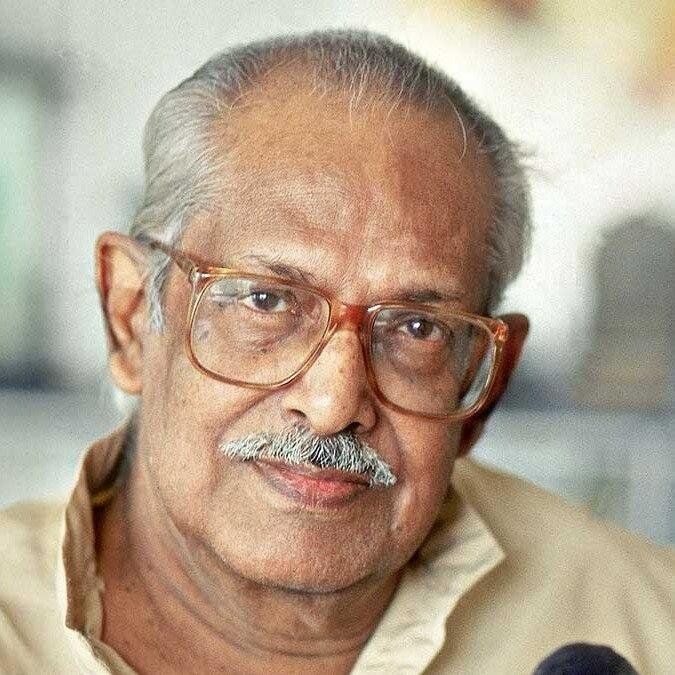
🎬Life Lessons from Hrishikesh Mukherjee Ji That Inspire Everyday Happiness

- Introduction
- 1. Find Happiness in Simple Things
- 2. Treat Ordinary People with Extraordinary Respect
- 3. Relationships Are More Valuable Than Ego
- Try this in daily life
- Lesson for modern life
- Remember:
- Don’t rush to become the boss.
- For today’s students and creators
- Everyday lesson
- 1922 – Birth
- Early career – Teaching
- 1940s–1950s – Entry into cinema
- 1957 – Directorial debut
- 1959 – Anari
- 1960s–1970s – Major creative period
- 1979 – Gol Maal
- 1999 – Dadasaheb Phalke Award
- 2001 – Padma Vibhushan
- 2006 – Death
- For students
- For parents
- For professionals
- For creators
- For society
- For families
- For young entrepreneurs
- Storytelling
- Emotional depth
- Social relevance
- Educational value
- Historical significance
- 1. Who was Hrishikesh Mukherjee?
- 2. When was Hrishikesh Mukherjee born?
- 3. When did Hrishikesh Mukherjee die?
- 4. What was Hrishikesh Mukherjee’s nickname?
- 5. What was his first directorial film?
- 6. Which are some famous Hrishikesh Mukherjee films?
- 7. What did Hrishikesh Mukherjee teach us through his films?
- 8. Did Hrishikesh Mukherjee receive the Dadasaheb Phalke Award?
- 9. Did he receive the Padma Vibhushan?
- 10. How many films did he direct?
- 11. Why is Hrishikesh Mukherjee important to Indian cinema?


Introduction
Some filmmakers make movies that entertain us for a few hours. Others create stories that quietly become part of our lives.
Hrishikesh Mukherjee Ji, affectionately known as Hrishi-da, belonged to the second category.
His cinema often focused on ordinary people, families, friendships, work, love, responsibility, humour and the small struggles of everyday life. Instead of depending only on glamour or spectacle, he found drama in the lives of people who could look surprisingly familiar to us.
Films such as Anand, Bawarchi, Guddi, Abhimaan, Chupke Chupke, Khubsoorat and Gol Maal continue to be remembered for their warmth and human situations. He directed 42 films during a career spanning more than four decades and became closely associated with what is often called India’s “middle cinema.” (ThePrint)
His journey also demonstrates something important for students, professionals, parents, artists and ordinary people: a meaningful life does not necessarily require a glamorous life.
Who Was Hrishikesh Mukherjee Ji?
Hrishikesh Mukherjee was born on 30 September 1922 in Calcutta, now Kolkata. He studied science at the University of Calcutta and initially worked as a teacher. He later entered the world of cinema, eventually becoming an editor, screenwriter and director. (DFF)
His early professional development was strongly connected with Bimal Roy. Mukherjee worked as an editor and assistant director and was involved with important films associated with Roy, including Do Bigha Zamin. His understanding of editing became an important part of his filmmaking identity. (DFF)
His first directorial film was Musafir (1957), followed by Anari (1959), which established him more strongly as a director. (IMDb)
Over the decades, he created a body of work that frequently placed human relationships above spectacle.
He passed away on 27 August 2006 in Mumbai. (Wikipedia)
Why Hrishikesh Mukherjee’s Life and Cinema Still Matter
The world has changed enormously since Hrishikesh Mukherjee made many of his best-known films. Technology, social media, entertainment platforms and lifestyles have transformed.
Yet the fundamental human questions remain:
- How should we treat our parents?
- What makes a good friend?
- Is money everything?
- How do we deal with failure?
- Can humour make difficult situations easier?
- What is the value of kindness?
- How can ordinary people find happiness?
- Should career always come before relationships?
These questions explain why his films continue to connect with different generations.
ThePrint described his cinema as being deeply interested in ordinary people and their moral dilemmas, while India Today has highlighted his ability to portray everyday middle-class life with warmth and emotional nuance. (ThePrint)
🎬 11 Powerful Life Lessons from Hrishikesh Mukherjee Ji
1. Find Happiness in Simple Things
One of the strongest lessons associated with Hrishikesh Mukherjee’s cinema is that happiness does not always require extraordinary circumstances.
A meal with family, an honest conversation, friendship, laughter, music or helping another person can become meaningful moments.
His films frequently transformed ordinary situations into memorable cinematic experiences.
What students can learn
You don’t have to wait for a huge achievement to become happy.
Enjoy:
- Learning something new
- Talking with friends
- Spending time with parents
- Reading
- Listening to music
- Helping someone
- Completing a difficult assignment
- Taking a break without guilt
Everyday happiness is often created rather than discovered.
2. Treat Ordinary People with Extraordinary Respect
Hrishikesh Mukherjee’s stories frequently centred on people who were not superheroes.
They could be teachers, doctors, employees, students, families, friends or neighbours.
That approach gave dignity to everyday life.
His cinema demonstrated that a person’s life can be interesting even when there is no palace, expensive car or extraordinary adventure involved.
Life lesson
Never measure someone’s value only by:
- Salary
- Job title
- Social status
- Clothes
- Property
- Popularity
A person who behaves with kindness and integrity can make a significant difference without becoming famous.
3. Relationships Are More Valuable Than Ego
Many of his films explore relationships under pressure.
People misunderstand each other. Couples argue. Friends disagree. Families experience expectations and disappointment.
Yet relationships can survive when people learn to communicate and understand one another.
This is especially relevant today when digital communication can sometimes replace meaningful conversation.
Try this in daily life
Instead of immediately reacting to a disagreement:
Pause → Listen → Understand → Respond.
Sometimes a five-minute honest conversation can prevent a five-day conflict.
4. Humour Can Make Difficult Life Easier
Hrishikesh Mukherjee had a remarkable ability to combine humour with emotional situations.
Gol Maal, Chupke Chupke and Bawarchi demonstrate how comedy can emerge from ordinary misunderstandings, personalities and relationships.
His humour generally worked through human behaviour rather than merely exaggerated situations.
Lesson for modern life
When life becomes stressful, humour can provide emotional breathing space.
That does not mean ignoring serious problems.
It means remembering that:
A difficult day does not have to become a difficult life.
5. Failure Does Not Have to Define Your Future
An important historical fact about Mukherjee’s career is that his first directorial venture, Musafir, was not successful. His later career, however, became one of the most influential bodies of work in Hindi cinema. (IMDb)
This is particularly meaningful for students.
A failed examination, unsuccessful interview, rejected application or business setback can feel enormous when it happens.
But one failure represents one event, not necessarily your entire future.
Remember:
Failure is information. It is not automatically identity.
6. Learn Before You Lead
Mukherjee’s career developed through several stages.
He began as a teacher, later worked in cinema, developed his editing skills and worked with experienced filmmakers before establishing himself as a director. (DFF)
That journey offers a useful professional lesson:
Don’t rush to become the boss.
First become:
- A learner
- A practitioner
- A listener
- A skilled worker
- A reliable teammate
Leadership built on experience can be very different from leadership based only on position.
7. Craft Matters More Than Glamour
Mukherjee’s cinema became known for its warmth and simplicity rather than depending primarily on extravagance.
The National Film Awards Directorate’s account of his career specifically notes his contribution to editing conventions in Hindi cinema. (DFF)
This is an important lesson for creators.
Whether you’re making:
- YouTube videos
- Articles
- Films
- Podcasts
- Websites
- Social-media posts
- Educational content
Quality of craft matters.
A simple idea presented exceptionally well can be more memorable than an expensive production without emotional substance.
8. Keep Humanity at the Centre of Your Work
Mukherjee’s stories often asked viewers to look at human beings rather than stereotypes.
That is why characters could feel like people we know.
ThePrint notes that his films often portrayed common people and their struggles in detailed, realistic ways. (ThePrint)
For today’s students and creators
Before asking:
“Will this go viral?”
also ask:
“Will this help someone?”
Before asking:
“How much money can I make?”
also ask:
“What value am I creating?”
These questions can change the way we approach education, careers and creative work.
9. Success Is Not Only About Awards
Mukherjee received major recognition during his career, including the Dadasaheb Phalke Award in 1999 and the Padma Vibhushan in 2001. (DFF)
Yet an interesting aspect of his own attitude toward awards appears in a 2000 India Today interview. He said that he had worked without craving awards and questioned the value of entering a “rat race.” (India Today)
The broader lesson is not that awards are unimportant.
Rather:
Don’t let external recognition become the only measurement of your work.
A teacher may influence hundreds of students without receiving an award.
A parent may shape a child’s life without public recognition.
A writer may help one reader without becoming famous.
Impact can exist without applause.
10. Balance Seriousness with Joy
Life contains both happiness and sadness.
Mukherjee’s films repeatedly demonstrated that emotional depth and humour can coexist.
Anand, for example, deals with mortality and friendship while remaining strongly associated with warmth, humour and celebration of life.
This combination is one reason the film remains culturally remembered.
Everyday lesson
You can be ambitious and still laugh.
You can be serious about your career and still spend time with family.
You can face difficulties and still appreciate a beautiful morning.
Balance is not laziness. Balance is part of living.
11. Leave Behind Values, Not Just Achievements
The greatest legacy of an artist is not always a list of awards.
It can be the values that audiences carry forward.
Mukherjee’s work continues to encourage conversations about:
- Friendship
- Family
- Love
- Compassion
- Simplicity
- Professional responsibility
- Honesty
- Humour
- Human dignity
His recognition by the Government of India through the Dadasaheb Phalke Award and Padma Vibhushan forms one part of his formal legacy. His continuing presence in conversations about Hindi cinema forms another. (DFF)
⭐ Important Films of Hrishikesh Mukherjee


Some of his widely remembered films include:
| Film | Year | Broad theme |
|---|---|---|
| Musafir | 1957 | Human life and relationships |
| Anari | 1959 | Innocence and society |
| Anuradha | 1960 | Marriage and personal sacrifice |
| Satyakam | 1969 | Idealism and integrity |
| Anand | 1971 | Friendship and the celebration of life |
| Bawarchi | 1972 | Family relationships and cooperation |
| Abhimaan | 1973 | Marriage, ambition and ego |
| Chupke Chupke | 1975 | Humour and relationships |
| Mili | 1975 | Human connection and life |
| Khubsoorat | 1980 | Family dynamics and individuality |
| Gol Maal | 1979 | Workplace culture, identity and comedy |
His filmography is considerably larger; he directed dozens of films over more than four decades. (ThePrint)
📅 Hrishikesh Mukherjee Life Timeline
1922 – Birth
Hrishikesh Mukherjee was born on 30 September 1922 in Calcutta. (Wikipedia)
Early career – Teaching
He studied science and worked as a teacher before moving toward cinema. (DFF)
1940s–1950s – Entry into cinema
He developed his filmmaking skills through work in the film industry and later worked closely with Bimal Roy. (DFF)
1957 – Directorial debut
Musafir became his first directorial feature. (DFF)
1959 – Anari
Anari brought greater recognition and commercial success. (IMDb)
1960s–1970s – Major creative period
Films such as Anuradha, Anupama, Satyakam, Anand, Bawarchi, Abhimaan, Guddi and others established his distinctive cinematic identity. (Wikipedia)
1979 – Gol Maal
Gol Maal became one of his best-known comedy films.
1999 – Dadasaheb Phalke Award
The Government of India honoured him with the Dadasaheb Phalke Award for his contribution to Indian cinema. (DFF)
2001 – Padma Vibhushan
He received the Padma Vibhushan. (Wikipedia)
2006 – Death
Hrishikesh Mukherjee died on 27 August 2006 in Mumbai. (The Guardian)
💰 Costs: How Much Does It Cost to Learn from Hrishikesh Mukherjee’s Cinema?
There is no special course fee required to learn these life lessons.
The practical “cost” can actually be very small:
| Activity | Possible cost |
|---|---|
| Watching a legally available film | Depends on platform |
| Reading about his cinema | Often free through libraries/articles |
| Watching interviews/documentaries | Often free or platform-dependent |
| Discussing a film with family/friends | ₹0 |
| Writing lessons from a film | ₹0 |
| Applying the lessons in daily life | ₹0 |
Important: Film availability and rental/subscription prices change by platform and location, so readers should check the relevant legal streaming or rental service for current prices.
The greatest investment is not money. It is time and attention.
🏆 Awards and Recognition
Hrishikesh Mukherjee’s career received substantial institutional recognition.
Most notably:
- Dadasaheb Phalke Award – 1999
- Padma Vibhushan – 2001
- NTR National Award – 2001
- Multiple Filmfare Awards
- Several National Film Award recognitions associated with his films and editing work (DFF)
The Directorate of Film Festivals describes the Dadasaheb Phalke Award as the highest award in Indian cinema, recognising outstanding contribution to the growth and development of Indian cinema. (DFF)
❤️ Importance of Hrishikesh Mukherjee’s Lessons in Our Daily Life
His ideas can be applied far beyond cinema.
For students
Don’t let marks become the only definition of success.
For parents
Children need conversation, affection and understanding—not only instructions.
For professionals
Skills, integrity and relationships matter alongside salary and designation.
For creators
Human stories can remain powerful even without excessive glamour.
For society
Ordinary people deserve dignity and representation.
For families
Humour and communication can help people handle disagreements.
For young entrepreneurs
Failure in one project does not automatically mean failure in life.
🌍 Importance to Society
Hrishikesh Mukherjee’s contribution can also be understood through his portrayal of ordinary social life.
His cinema brought attention to subjects that were close to everyday Indian experiences:
- Family expectations
- Middle-class aspirations
- Workplace relationships
- Marriage
- Friendship
- Social responsibility
- Personal ethics
- Generational differences
- Happiness and grief
This made his films relevant beyond entertainment.
The idea of “middle cinema” is particularly significant because his work occupied a space between large-scale mainstream entertainment and more austere art cinema, according to descriptions of his career in Indian film criticism and historical accounts. (ThePrint)
🎞️ Observance and Birth Anniversary
Hrishikesh Mukherjee’s birth anniversary falls on 30 September.
Although this is not a national public holiday, film lovers, publications, television channels, film communities and audiences may remember his contribution around his birth and death anniversaries.
A meaningful way to observe his birth anniversary is not simply to post a photograph.
You can:
- Watch one of his films.
- Discuss its characters with your family.
- Write down three lessons.
- Recommend the film to a younger person.
- Read about the history of Indian cinema.
- Explore the craft of editing and screenwriting.
- Practise one lesson in your own life.
That turns remembrance into learning.
📝 Review: Hrishikesh Mukherjee’s Life and Legacy
Storytelling
His work is particularly remembered for human-scale stories and relatable characters.
Emotional depth
His cinema could address serious subjects without abandoning humour and warmth.
Social relevance
Many of his stories examined family, work, relationships and everyday social behaviour.
Educational value
Students can learn about communication, ethics, creativity, perseverance and human relationships through his films.
Historical significance
His career forms an important chapter in post-independence Hindi cinema, particularly the development of middle cinema. (ThePrint)
Rather than reducing his legacy to awards or commercial success, it is useful to examine how his stories continue to create conversations about ordinary human life.
❓ Frequently Asked Questions About Hrishikesh Mukherjee
1. Who was Hrishikesh Mukherjee?
Hrishikesh Mukherjee was an Indian film director, editor and writer, widely known for films centred on human relationships, everyday life and middle-class experiences. (Wikipedia)
2. When was Hrishikesh Mukherjee born?
He was born on 30 September 1922 in Calcutta, now Kolkata. (Wikipedia)
3. When did Hrishikesh Mukherjee die?
He died on 27 August 2006 in Mumbai. (The Guardian)
4. What was Hrishikesh Mukherjee’s nickname?
He was popularly known as Hrishi-da.
5. What was his first directorial film?
His first directorial feature was Musafir, released in 1957. (DFF)
6. Which are some famous Hrishikesh Mukherjee films?
Some widely remembered titles include Anand, Bawarchi, Gol Maal, Chupke Chupke, Abhimaan, Guddi, Anupama, Satyakam and Khubsoorat. (Wikipedia)
7. What did Hrishikesh Mukherjee teach us through his films?
His films provide themes around relationships, kindness, simplicity, humour, integrity, friendship, family and finding meaning in ordinary life.
8. Did Hrishikesh Mukherjee receive the Dadasaheb Phalke Award?
Yes. He received the Dadasaheb Phalke Award in 1999. (DFF)
9. Did he receive the Padma Vibhushan?
Yes. The Government of India awarded him the Padma Vibhushan in 2001. (Wikipedia)
10. How many films did he direct?
Sources commonly credit him with directing 42 films over a career spanning more than four decades. (ThePrint)
11. Why is Hrishikesh Mukherjee important to Indian cinema?
His work helped establish a form of accessible, human-centred cinema that explored ordinary lives, relationships and social experiences while retaining mainstream appeal. (ThePrint)
🌱 11 Lessons in One Quick List
- Find happiness in simple things.
- Respect ordinary people.
- Protect relationships from unnecessary ego.
- Use humour during difficult times.
- Don’t let failure define you.
- Learn before trying to lead.
- Value craftsmanship over glamour.
- Keep humanity at the centre of your work.
- Don’t make awards your only definition of success.
- Balance seriousness with joy.
- Leave values behind, not just achievements.
🙏 Hrishikesh Mukherjee Ji Birth Anniversary Wishes
Warm wishes on the birth anniversary of Hrishikesh Mukherjee Ji.
His stories reminded generations that happiness can exist in ordinary moments, that relationships deserve care, and that cinema can entertain while also encouraging us to understand ourselves and one another.
May his timeless stories continue to inspire filmmakers, students, families and audiences to celebrate simplicity, kindness, humour and humanity.
🌟 Conclusion: The Happiness Hidden in Ordinary Life
Hrishikesh Mukherjee Ji’s greatest lesson may be surprisingly simple:
You don’t need an extraordinary life to create extraordinary meaning.
A teacher can change a student’s future.
A friend can change someone’s difficult day.
A parent can give a child confidence.
A colleague can offer support.
A filmmaker can tell a simple story that remains with audiences for decades.
That is the emotional strength of Hrishikesh Mukherjee’s legacy.
His journey—from teaching and editing to directing some of Hindi cinema’s most remembered films—shows the value of learning, patience, craftsmanship and humanity. His official honours, including the Dadasaheb Phalke Award and Padma Vibhushan, recognise his contribution to Indian cinema. (DFF)
But beyond awards and filmography, his work continues to ask a very human question:
Can we make everyday life a little kinder, happier and more meaningful?
The answer does not require a grand cinematic ending.
Sometimes it begins with something as small as a conversation, a smile, a helping hand, a good friend or simply appreciating the people already around us.
And perhaps that is why the world of Hrishikesh Mukherjee Ji still feels so close to home.










Your article helped me a lot, is there any more related content? Thanks!
Thank you for your sharing. I am worried that I lack creative ideas. It is your article that makes me full of hope. Thank you. But, I have a question, can you help me?
I don’t think the title of your article matches the content lol. Just kidding, mainly because I had some doubts after reading the article.
Thank you for your sharing. I am worried that I lack creative ideas. It is your article that makes me full of hope. Thank you. But, I have a question, can you help me?
Your article helped me a lot, is there any more related content? Thanks! https://accounts.binance.com/register/person?ref=IXBIAFVY
I don’t think the title of your article matches the content lol. Just kidding, mainly because I had some doubts after reading the article. https://accounts.binance.bh/register/person?ref=IHJUI7TF
Your article helped me a lot, is there any more related content? Thanks!