🌱 Facts About Environmental Science: A Positive Career & Study Guide

- What Is Environmental Science?
- Why Is Environmental Science Important?
- 1. Environmental Science Is an Interdisciplinary Subject
- 2. It Studies Both Nature and Human Activities
- 3. Environmental Science Has a Long Scientific History
- 4. It Covers Pollution in Many Forms
- 5. Biodiversity Is a Major Part of the Subject
- 6. Climate Change Is an Important Area
- 7. It Teaches Sustainable Development
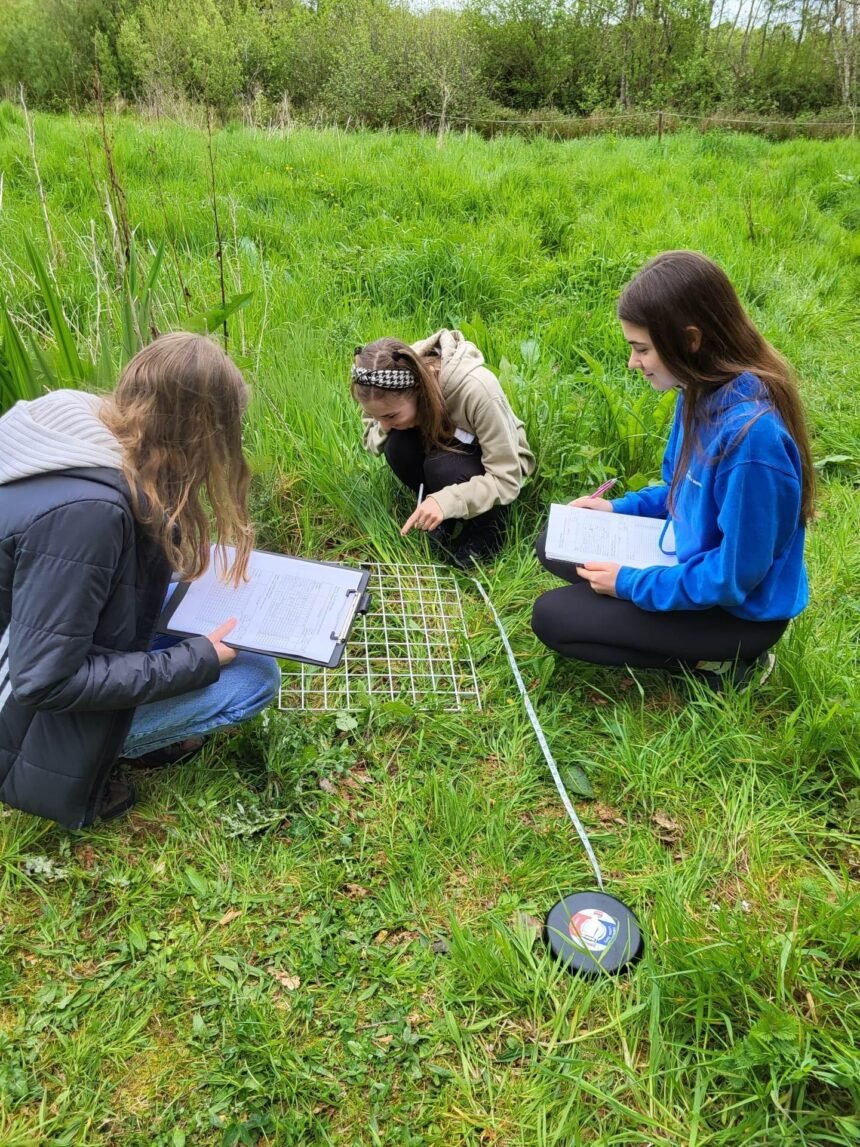
- 8. Environmental Science Includes Practical Learning
- After Class 10
- After Class 12
- After Graduation
- Scientific Skills
- Technical Skills
- Professional Skills
- Digital Skills
- For Students
- For Families
- For Society
- For Industry
- When You Save Water
- When You Separate Waste
- When You Use Public Transport
- When You Plant and Maintain Native Vegetation
- When You Avoid Unnecessary Consumption
- When You Check Air Quality
- Student-oriented review
- My practical review
- 1. What is Environmental Science?
- 2. Is Environmental Science a science subject?
- 3. What can I do after Environmental Science?
- 4. Is Environmental Science difficult?
- 5. Can Biology students study Environmental Science?
- 6. Can students from other backgrounds study environmental subjects?
- 7. Does Environmental Science involve mathematics?
- 8. Does Environmental Science involve fieldwork?
- 9. Is Environmental Science useful for the future?
- 10. What is the difference between Environmental Science and Environmental Engineering?


What Is Environmental Science?
Environmental Science is the interdisciplinary study of the natural environment and the relationship between human beings, ecosystems and natural resources. It brings together subjects such as biology, chemistry, physics, geography, geology, ecology, atmospheric science, economics and social sciences to understand environmental problems and develop practical solutions.
In simple words, Environmental Science asks questions such as:
- Why is air pollution increasing?
- How does water pollution affect people and animals?
- Why is biodiversity important?
- What causes climate change?
- How can forests and wildlife be conserved?
- How can society manage waste?
- How can we use natural resources without exhausting them?
- How can technology support a cleaner and more sustainable future?
The University Grants Commission (UGC) framework for environmental education includes areas such as natural resources, sustainable development, biodiversity, pollution, climate change and environmental management. (UGC)
Environmental Science is therefore much more than simply “studying nature.” It is about understanding how Earth systems work and how human decisions influence them.
Why Is Environmental Science Important?
Imagine waking up in a city where the air is unhealthy, drinking water is contaminated, forests are disappearing and waste is accumulating everywhere.
Environmental Science helps us understand why these problems happen, how serious they are and what solutions may be possible.
The subject is important because environmental conditions influence:
- Human health
- Food production
- Drinking water
- Agriculture
- Wildlife
- Forests
- Oceans and rivers
- Cities
- Industries
- Energy systems
- Economic development
- Future generations
UNEP describes environmental challenges around climate change, nature and biodiversity loss, and pollution and waste as interconnected planetary challenges. (UNEP – UN Environment Programme)
11 Powerful Facts About Environmental Science
1. Environmental Science Is an Interdisciplinary Subject
Environmental problems rarely belong to one subject.
For example, understanding river pollution may require:
Chemistry + Biology + Geography + Hydrology + Public Health + Environmental Management.
That is why students of Environmental Science often learn concepts from several academic disciplines.
UGC’s undergraduate environmental-education framework similarly incorporates scientific, social and management perspectives. (UGC)
2. It Studies Both Nature and Human Activities
Environmental Science examines natural systems such as:
- Forests
- Rivers
- Mountains
- Oceans
- Soil
- Atmosphere
- Wetlands
- Grasslands
- Wildlife habitats
But it also studies human activities such as:
- Agriculture
- Mining
- Transportation
- Construction
- Manufacturing
- Energy production
- Urban development
- Waste generation
The goal is to understand the interaction between human society and environmental systems.
3. Environmental Science Has a Long Scientific History
People have studied nature for thousands of years, but modern Environmental Science developed through the combination of several scientific disciplines.
Important developments included:
- Development of natural-history studies
- Growth of ecology
- Industrialization and increasing pollution
- Development of conservation movements
- Modern environmental legislation
- International environmental conferences
- Climate and biodiversity research
- Expansion of sustainability education
The establishment of the United Nations Environment Programme (UNEP) in 1972 was an important milestone in international environmental cooperation. (UNEP – UN Environment Programme)
4. It Covers Pollution in Many Forms
Environmental Science studies different types of pollution, including:
Air Pollution
Caused by sources such as transportation, industrial activity and combustion.
Water Pollution
Can result from sewage, industrial discharges, agricultural runoff and other sources.
Soil Pollution
Can involve chemicals, waste and inappropriate land-use practices.
Noise Pollution
Includes excessive or unwanted sound from transportation, industry and other activities.
Solid Waste
Includes household, commercial and industrial waste and the systems used to manage it.
The UGC environmental curriculum specifically includes air, water, soil, noise, chemical, thermal and radioactive pollution and their effects. (UGC)
5. Biodiversity Is a Major Part of the Subject
Biodiversity means the variety of life, including diversity within species, between species and among ecosystems.
Students may study:
- Genetic diversity
- Species diversity
- Ecosystem diversity
- Endangered species
- Wildlife conservation
- Habitat loss
- Invasive species
- Conservation biology
- Protected areas
India is particularly important for biodiversity studies because of its varied ecosystems and species.
UGC’s curriculum includes biodiversity distribution, threats, conservation strategies and ecosystem services. (UGC)
6. Climate Change Is an Important Area
Environmental Science helps students understand the science behind:
- Greenhouse gases
- Global warming
- Climate variability
- Extreme weather
- Adaptation
- Mitigation
- Carbon cycles
- Energy systems
- Climate policy and management
UGC’s undergraduate framework specifically includes climate-change science, impacts, adaptation and mitigation. (UGC)
7. It Teaches Sustainable Development
Sustainable development broadly involves meeting present needs while considering the ability of future generations to meet their needs.
Students can learn about:
- Renewable resources
- Non-renewable resources
- Water conservation
- Sustainable agriculture
- Sustainable cities
- Renewable energy
- Circular economy
- Resource efficiency
- Environmental management
UGC’s framework includes natural resources, their conservation and sustainable development. (UGC)
8. Environmental Science Includes Practical Learning
This is not necessarily a subject that should be learned only from textbooks.
Students may participate in:
- Water-quality testing
- Soil analysis
- Biodiversity surveys
- Field visits
- Laboratory experiments
- Waste audits
- GIS mapping
- Environmental impact studies
- Ecological observations
- Data collection


Field and laboratory work can help students connect classroom concepts with real environmental conditions.
Environmental Science Subjects
Depending on the university and programme, students may encounter subjects such as:
- Environmental Biology
- Ecology
- Environmental Chemistry
- Environmental Microbiology
- Biodiversity Conservation
- Natural Resource Management
- Environmental Pollution
- Climate Change
- Environmental Economics
- Environmental Impact Assessment
- Environmental Laws
- Waste Management
- Water Resource Management
- Soil Science
- Atmospheric Science
- Environmental Management
- GIS and Remote Sensing
- Sustainable Development
- Disaster Management
- Environmental Health
The exact syllabus differs between universities and degree levels.
Environmental Science Courses for Students
Students can enter the field through different educational routes.
After Class 10
Students can build a foundation through:
- Science subjects
- Environmental clubs
- Biology and geography
- School projects
- Nature studies
- Basic sustainability activities
After Class 12
Depending on university eligibility, possible programmes can include:
- B.Sc. Environmental Science
- B.Sc. Environmental Studies
- B.Sc. Ecology
- Environmental Management programmes
- Related Biology, Geography or Earth Science degrees
After Graduation
Possible postgraduate pathways include:
- M.Sc. Environmental Science
- M.Sc. Environmental Studies
- Environmental Management
- Ecology
- Climate Science
- Environmental Engineering
- Sustainability
- Disaster Management
Students should always check the latest eligibility requirements and syllabus of the specific university before applying.
UGC’s current undergraduate framework supports multidisciplinary and flexible approaches to higher education under NEP 2020. (UGC)
Environmental Science Course Costs in India
The cost varies substantially according to the institution, programme, city, facilities and whether the college is public or private.
A rough planning range for students can be:
| Study option | Approximate tuition planning range |
|---|---|
| Government/public undergraduate programme | ₹10,000–₹1.5 lakh total |
| Private undergraduate programme | ₹1–₹6 lakh+ total |
| Government/public postgraduate programme | ₹20,000–₹2 lakh total |
| Private postgraduate programme | ₹1–₹5 lakh+ total |
| Short certificate courses | ₹2,000–₹50,000+ |
Important: These are broad indicative ranges rather than fixed national fees. Actual fees can be considerably lower or higher.
Students should additionally budget for:
- Admission fees
- Examination fees
- Books
- Laboratory charges
- Field trips
- Hostel
- Food
- Transportation
- Laptop/internet
- Project expenses
For students with limited budgets, government universities, scholarships and fee-support schemes can make environmental education more accessible.
Environmental Science Career Options
Environmental Science can lead to different career directions depending on qualifications and specialization.
Potential roles include:
- Environmental Scientist
- Environmental Consultant
- Environmental Analyst
- Sustainability Associate
- Environmental Officer
- Ecologist
- Conservation Professional
- Wildlife Researcher
- Environmental Educator
- Waste Management Professional
- Water Quality Analyst
- Climate Research Assistant
- GIS Analyst
- Environmental Impact Assessment Professional
- Sustainability/ESG Professional
- Researcher
- Science Communicator
Some positions require specialized degrees, professional certifications, technical skills or government recruitment examinations.
Skills Students Should Develop
A degree alone may not be enough for every career path.
Students can develop:
Scientific Skills
- Biology
- Chemistry
- Ecology
- Statistics
Technical Skills
- GIS
- Remote sensing
- Data analysis
- Environmental monitoring
- Laboratory techniques
Professional Skills
- Communication
- Report writing
- Presentation
- Research
- Teamwork
- Project management
Digital Skills
Knowledge of tools such as spreadsheets, statistical software, GIS platforms and data-visualization tools can be useful depending on the career.
Environmental Science Timeline: Important Milestones
| Period | Development |
|---|---|
| Ancient period | Systematic observation of nature, agriculture and natural resources developed across civilizations |
| 18th–19th centuries | Natural sciences, geology, biology and related disciplines expanded |
| 19th century | Ecology and organized conservation thinking developed |
| Early 20th century | Modern environmental and conservation research expanded |
| 1960s | Public awareness of pollution and environmental risks increased |
| 1972 | United Nations Environment Programme was established |
| 1992 | Rio Earth Summit brought major international attention to environment and sustainable development |
| 2000s | Climate, biodiversity and sustainability became increasingly integrated into policy and education |
| 2015 | UN members adopted the 2030 Agenda and Sustainable Development Goals |
| 2022 | Mission LiFE was launched in India as a movement around environmentally conscious lifestyles |
| 2023 | UGC issued its undergraduate framework for environment education |
UGC notes the importance of the 1992 Rio conference, the 2015 Sustainable Development Goals and India’s Mission LiFE in the development of contemporary environmental education. (UGC)
Significance of Environmental Science
Environmental Science has significance at several levels.
For Students
It can help students understand how scientific knowledge connects with everyday life.
A student may begin with a simple question:
“Why should I care about the environment?”
The answer becomes clearer when we connect the environment with food, water, health, transportation, electricity, agriculture and jobs.
For Families
Environmental awareness can encourage:
- Responsible consumption
- Water conservation
- Waste segregation
- Energy conservation
- Reduced unnecessary plastic use
- Better understanding of local environmental problems
For Society
Society needs people who can understand environmental information and participate responsibly in decisions concerning natural resources and public spaces.
For Industry
Companies increasingly need environmental management, resource efficiency, pollution control and sustainability-related expertise. India’s Ministry of Education has also highlighted sustainability and ESG as increasingly important areas in the modern economy. (National Portal of India)
Environmental Science in Daily Life
You don’t need to be an Environmental Science student to apply environmental thinking.
When You Save Water
You are thinking about resource conservation.
When You Separate Waste
You are supporting better waste management.
When You Use Public Transport
You are considering transportation and resource use.
When You Plant and Maintain Native Vegetation
You can contribute to local habitat value.
When You Avoid Unnecessary Consumption
You are thinking about resource efficiency and waste.
When You Check Air Quality
You are using environmental information to understand local conditions.
Environmental awareness becomes meaningful when scientific knowledge turns into responsible everyday behaviour.
Why Environmental Science Is Important to Society
A healthy environment supports human life and economic activity.
Agriculture depends on soil and water. Cities depend on infrastructure and natural resources. Industries depend on energy and materials. People depend on clean air and water.
Environmental Science provides a framework for understanding these connections.
UNEP identifies environmental education and training as important tools for building society’s capacity to address environmental and development challenges. (UNEP – UN Environment Programme)
Environmental Science and Technology
Technology has become an important part of environmental research.
Students and professionals can work with:
- Satellite imagery
- GIS
- Remote sensing
- Environmental sensors
- Artificial intelligence
- Drones
- Geographic databases
- Climate models
- Water-quality instruments
- Digital mapping
For example, satellite data can help researchers observe land-use changes, vegetation and other environmental characteristics over large areas.
This creates opportunities for students who enjoy both science and technology.
10 Important Points Students Should Remember
- Environmental Science is interdisciplinary.
- It connects natural systems with human activities.
- Ecology is an important component of the field.
- Pollution studies are central to environmental education.
- Biodiversity conservation is a major area.
- Climate change is an important modern topic.
- Sustainable development connects environment and society.
- Fieldwork and laboratory work can be valuable learning experiences.
- Technology such as GIS and remote sensing can strengthen career skills.
- Environmental responsibility is relevant to everyday life, not just environmental professionals.
Review: Is Environmental Science Worth Studying?
Student-oriented review
Academic scope: Broad
Practical learning: Often significant
Science content: Moderate to high, depending on programme
Fieldwork potential: Can be high
Technology opportunities: Growing through GIS, remote sensing and environmental data
Career diversity: Broad but dependent on specialization and qualification
Best suited for: Students interested in nature, science, sustainability, research and real-world environmental problems
My practical review
Environmental Science can be a meaningful academic choice for students who genuinely enjoy understanding nature, science, climate, biodiversity, pollution and sustainability.
However, students should not select a programme simply because the word “environment” sounds attractive. Before admission, check:
- University reputation
- Accreditation/recognition
- Exact syllabus
- Laboratory facilities
- Fieldwork
- Internship opportunities
- Faculty
- Placement information
- Total fees
- Hostel costs
- Higher-study options
The UGC framework itself emphasizes multidisciplinary environmental education and practical understanding of environmental challenges. (UGC)
Frequently Asked Questions About Environmental Science
1. What is Environmental Science?
Environmental Science is the interdisciplinary study of the environment, natural systems, human activities and environmental problems.
2. Is Environmental Science a science subject?
Yes. It uses scientific disciplines such as biology, chemistry, physics, geology and ecology, while also incorporating social and management perspectives.
3. What can I do after Environmental Science?
Depending on your qualification and specialization, you can explore environmental research, conservation, sustainability, consulting, environmental monitoring, GIS, education and related areas.
4. Is Environmental Science difficult?
It can be challenging because it combines multiple disciplines. Students may need to study science, statistics, environmental management and field-based topics.
5. Can Biology students study Environmental Science?
In many institutions, Biology or related science backgrounds can provide a suitable pathway, but eligibility varies by programme.
6. Can students from other backgrounds study environmental subjects?
Yes, many environmental-education programmes are designed to involve students from different disciplines. Specific degree eligibility must be checked with the institution.
7. Does Environmental Science involve mathematics?
Some programmes include statistics, data analysis and quantitative methods. The amount varies by course.
8. Does Environmental Science involve fieldwork?
Many programmes include field visits, environmental surveys, laboratory work or practical projects, although the exact structure varies.
9. Is Environmental Science useful for the future?
Environmental knowledge is relevant to areas such as sustainability, resource management, conservation, climate adaptation, pollution management and environmental policy.
10. What is the difference between Environmental Science and Environmental Engineering?
Environmental Science generally focuses on understanding environmental systems and problems, whereas Environmental Engineering applies engineering principles to areas such as pollution control, water treatment and waste management. The boundaries can overlap.
How Students Can Start Learning Environmental Science
If you’re a school or college student, start small.
Step 1: Understand Your Local Environment
Observe your area’s water bodies, trees, waste systems, traffic and air quality.
Step 2: Build Scientific Foundations
Strengthen biology, chemistry, geography and basic mathematics.
Step 3: Learn Data Skills
Start with spreadsheets and basic statistics.
Step 4: Explore GIS
Learning basic geographic information systems can be valuable.
Step 5: Join Practical Projects
Participate in biodiversity surveys, clean-up activities, water testing or school environmental projects where appropriate.
Step 6: Read Reliable Sources
Use universities, government departments, scientific organizations and international environmental institutions.
Step 7: Develop Communication Skills
Environmental professionals often need to explain complicated scientific information to ordinary people.
Wishes for Environmental Science Students 🌍
May every Environmental Science student develop the knowledge to understand nature, the courage to investigate environmental problems and the wisdom to create practical solutions.
May your education help you see that the environment isn’t something far away.
It is the air you breathe, the water you drink, the food you eat and the world you will pass to the next generation.
Environmental Science: Conclusion
Environmental Science is ultimately about understanding our relationship with the planet.
From pollution and climate change to biodiversity, forests, water, soil and sustainable development, the subject connects scientific knowledge with some of the most important challenges facing communities.
For students, it can open doors to research, conservation, environmental management, sustainability, technology and education. For society, environmental knowledge can encourage more informed decisions about resources and development.
The most important lesson is perhaps the simplest:
We do not study the environment only to protect nature; we study it because human life is connected to nature.
Environmental education therefore has a place not only in universities but also in homes, schools, workplaces and communities. India’s higher-education framework increasingly treats environmental education as a multidisciplinary component of learning. (UGC)
When a student learns to test water, understand biodiversity, analyze pollution data or study climate systems, that student is not merely memorizing a textbook chapter. They are learning how the world around them works.
And when that knowledge influences everyday choices—saving water, reducing waste, respecting biodiversity and using resources responsibly—Environmental Science moves from the classroom into real life.
That is its greatest daily-life impact: knowledge becoming responsible human behaviour.