Powerful and Heartwarming Reasons Why Bhai Dooj Celebrates the Beautiful Bond Between Brothers and Sisters
Introduction: What Is Bhai Dooj?
Bhai Dooj: India is a country where festivals are not simply dates on a calendar; they are beautiful opportunities to express love, strengthen relationships, and reconnect with family. Among these celebrations, Bhai Dooj holds a special place because it honours the affectionate and lifelong relationship between brothers and sisters.
- Introduction: What Is Bhai Dooj?
- 1. History of Bhai Dooj: The Story Behind the Festival
- The story of Lord Yama and Goddess Yamuna
- The story of Lord Krishna and Subhadra
- What does the history teach us?
- 2. When Is Bhai Dooj Celebrated in 2026?
- Wednesday, 11 November 2026
- 3. Seven Powerful Reasons Why Bhai Dooj Is Significant
- 1. It celebrates unconditional sibling love
- 2. It encourages prayers for health and happiness
- 3. It strengthens family relationships
- 4. It preserves Indian cultural traditions
- 5. It teaches gratitude
- 6. It promotes mutual care and respect
- 7. It creates happy memories
- 4. How Is Bhai Dooj Celebrated?
- 5. Regional Names and Traditions of Bhai Dooj
- 6. Bhai Dooj Timeline: From Mythological Origins to Modern Celebrations
- 7. Important Facts About Bhai Dooj
- 8. Importance of Bhai Dooj in Our Daily Lives
- Emotional support
- Better communication
- Supporting education and careers
- Respecting independence
- Caring for parents and family members
- Staying connected despite distance
- 9. Why Bhai Dooj Is Important to Society
- 10. Bhai Dooj Wishes, Messages, and Blessings
- Heartfelt Bhai Dooj Wishes
- 11. Bhai Dooj Celebration: Cost and Budget Guide
- 12. Bhai Dooj Review: Cultural and Social Value
- Festival Review
- 13. Frequently Asked Questions About Bhai Dooj
- Q1. What is Bhai Dooj?
- Q2. When is Bhai Dooj in 2026?
- Q3. Why is Bhai Dooj celebrated?
- Q4. What is the religious significance of tilak on Bhai Dooj?
- Q5. Is Bhai Dooj the same as Raksha Bandhan?
- Q6. What is the story behind Yama Dwitiya?
- Q7. How is Bhai Dooj celebrated in different parts of India?
- Q8. What gifts can I give my sister on Bhai Dooj?
- Q9. Can Bhai Dooj be celebrated if a brother and sister live far apart?
- Q10. What should I write in a Bhai Dooj greeting?
- Q11. Is Bhai Dooj celebrated only by biological siblings?
- Q12. What is the main message of Bhai Dooj?
- 14. Conclusion: Keep the Bond of Bhai Dooj Alive Every Day
Bhai Dooj is a Hindu festival celebrated on the second lunar day, known as Dwitiya, of the bright fortnight of the Hindu month of Kartika. It generally takes place two days after Diwali, although the exact date changes according to the Hindu lunar calendar.
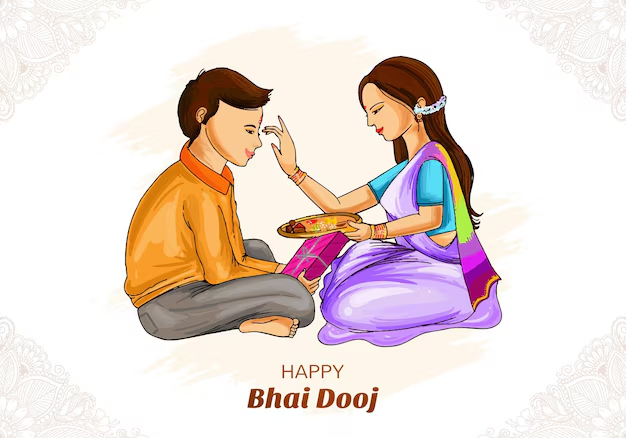
On this occasion, sisters traditionally apply a tilak to their brothers’ foreheads, perform prayers, offer sweets, and wish them health, happiness, prosperity, and a long life. Brothers, in turn, express their love and appreciation and may give gifts or promise continued support.
The festival is also known by different names across India, including Bhai Dooj, Bhaiya Dooj, Bhai Tika, and Bhau Beej. Although customs differ from region to region, the central message remains the same: family relationships deserve love, respect, care, and attention.
In our busy modern lives, we often become occupied with studies, careers, financial responsibilities, and personal ambitions. Bhai Dooj reminds us to pause for a moment and appreciate the people who have shared our childhood, supported us through difficulties, and celebrated our achievements.
Let’s explore the fascinating history, traditions, important facts, timeline, significance, wishes, and everyday lessons associated with this heartwarming festival.
1. History of Bhai Dooj: The Story Behind the Festival
The history of Bhai Dooj is closely connected with Hindu mythology and the traditional importance of family relationships. Two popular stories help explain why this festival is celebrated.
The story of Lord Yama and Goddess Yamuna
According to a widely told Hindu legend, Lord Yama, the god associated with death and justice, had a sister named Goddess Yamuna, who represents the sacred Yamuna River.
Yamuna loved her brother deeply and repeatedly invited him to visit her home. Eventually, Yama accepted her invitation. She welcomed him with affection, performed traditional rituals, applied a tilak to his forehead, and served him a meal.
Yama was pleased by his sister’s love and hospitality. In the popular telling of the story, he blessed her and declared that brothers who visited their sisters and received their blessings on this auspicious day would receive good fortune and protection.
This legend is why Bhai Dooj is also called Yama Dwitiya. The story teaches that love, respect, and family affection are valuable parts of a meaningful life.
The story of Lord Krishna and Subhadra
Another popular account connects Bhai Dooj with Lord Krishna and his sister Subhadra.
According to this tradition, after Krishna defeated the demon Narakasura, he visited Subhadra. She welcomed her brother with flowers, sweets, a ceremonial tilak, and prayers for his well-being.
The affectionate welcome is remembered as another expression of the brother-sister bond and resembles the rituals performed during Bhai Dooj today.
What does the history teach us?
Both stories highlight the same human values:
Love: Family relationships become meaningful when affection is expressed.
Respect: Brothers and sisters deserve equal dignity and consideration.
Gratitude: We should appreciate the people who support us.
Togetherness: Even when life becomes busy, family connections need attention.
Blessings: Traditional prayers express hopes for the health and happiness of loved ones.
These stories are religious traditions rather than independently documented historical events. Their enduring cultural value lies in the lessons they communicate.
2. When Is Bhai Dooj Celebrated in 2026?
Wednesday, 11 November 2026
Kartika Shukla Dwitiya
Bhai Dooj is expected to be celebrated on this date according to widely published Indian festival calendars.
Important: The exact tilak muhurat depends on the city and local Panchang. Check a location-specific calendar before performing time-sensitive rituals.
Bhai Dooj follows Diwali and Govardhan Puja in the customary festival sequence. It usually falls in October or November because its date is determined by the Hindu lunar calendar rather than a fixed Gregorian date.
3. Seven Powerful Reasons Why Bhai Dooj Is Significant
1. It celebrates unconditional sibling love
A brother and sister may argue over small things, compete during childhood, or disagree as adults. Yet many siblings remain important sources of emotional support.
Bhai Dooj offers an opportunity to put aside minor disagreements and appreciate the relationship.
2. It encourages prayers for health and happiness
During the tilak ceremony, sisters traditionally pray for their brothers’ well-being, long life, and prosperity. The ritual expresses affection and hope for a happy future.
3. It strengthens family relationships
Family members often live in different cities because of education, employment, or marriage. Festival gatherings encourage them to reconnect and spend meaningful time together.
4. It preserves Indian cultural traditions
The tilak, aarti, sweets, traditional clothing, family meals, and regional customs help younger generations learn about their cultural heritage.
5. It teaches gratitude
Siblings often help one another with studies, personal problems, financial difficulties, and family responsibilities. Bhai Dooj reminds people to acknowledge these acts of kindness.
6. It promotes mutual care and respect
The festival should not be understood as a one-sided responsibility. Sisters and brothers can support each other’s ambitions, safety, independence, and emotional well-being.
7. It creates happy memories
Sometimes a simple visit, a shared meal, a handwritten note, or a phone call becomes a treasured memory. Bhai Dooj gives families a reason to create these moments.
4. How Is Bhai Dooj Celebrated?
Although the precise rituals vary, a typical Bhai Dooj celebration includes the following steps.
Preparing the home: Families clean and decorate their homes. Some prepare flowers, rangoli, lamps, and a special place for the ceremony.
Preparing the puja thali: A plate may contain roli or kumkum, rice grains, a diya, sweets, and other items required by the family’s tradition.
Applying tilak: The sister applies a ceremonial mark to her brother’s forehead.
Performing aarti: In many families, the sister performs aarti while praying for her brother’s well-being.
Offering sweets and food: Brothers and sisters exchange sweets and enjoy a meal together.
Exchanging gifts: Brothers may give clothes, money, books, or thoughtful presents. Gifts are a gesture of affection, not an obligation.
Sharing blessings: Family members express good wishes, remember old memories, and spend time together.
There is no need to make the celebration expensive. A loving conversation or a modest homemade meal can express the spirit of the occasion just as meaningfully.
5. Regional Names and Traditions of Bhai Dooj
India’s cultural diversity means that the same underlying celebration appears in several regional forms.
| Region | Common name | Traditional feature |
|---|---|---|
| North India | Bhai Dooj / Bhaiya Dooj | Tilak, aarti, sweets, and blessings |
| Maharashtra and parts of western India | Bhau Beej | Tilak, family meals, and gifts |
| West Bengal | Bhai Phonta | A ceremonial forehead mark and prayers |
| Nepal | Bhai Tika | An important sibling celebration during Tihar |
| Other parts of India | Yama Dwitiya and related names | Customs associated with Kartika Dwitiya |
The details of the ceremony differ between households and communities. Nepal’s Bhai Tika is associated with the Tihar festival and has its own distinctive customs. These regional variations show how communities express similar feelings through different cultural practices.
6. Bhai Dooj Timeline: From Mythological Origins to Modern Celebrations
Bhai Dooj has developed as a living cultural tradition passed from one generation to another. Its exact historical starting date is not firmly established, but its religious stories and customs continue to shape the celebration.
Ancient
Mythological traditions
Stories of Yama and Yamuna, as well as Krishna and Subhadra, become associated with the values of sibling love, blessings, and family hospitality.
Over time
Regional customs develop
Communities preserve their own ways of celebrating, including Bhau Beej, Bhai Phonta, and related regional observances.
Modern era
Family-centred celebrations
Traditional tilak ceremonies, festive meals, visits, and gifts remain central, even as family members increasingly live far apart.
Today
Celebrating across distances
Video calls, digital greetings, online gifts, and shared family photographs help siblings celebrate when travelling is not possible.
This timeline is a broad cultural overview, not a verified chronology of specific historical dates. The festival’s observance is documented through religious and regional traditions, but its precise origin remains uncertain.
7. Important Facts About Bhai Dooj
Here are some useful facts for students, readers, and anyone interested in Indian festivals.
Bhai Dooj is a Hindu festival that celebrates the bond between brothers and sisters.
It is observed on Kartika Shukla Dwitiya, the second day of the bright lunar fortnight of Kartika.
It usually falls in October or November.
It is widely known as Yama Dwitiya because of the story of Yama and Yamuna.
The tilak is one of the best-known rituals associated with the celebration.
Sisters traditionally pray for their brothers’ well-being, prosperity, and long life.
Brothers commonly express their affection through gifts, blessings, and continued support.
The festival is celebrated under different names in different regions.
Bhai Dooj and Raksha Bandhan both celebrate sibling relationships, but they have distinct dates and rituals.
The festival can be celebrated meaningfully without expensive gifts or elaborate arrangements.
These facts show how a simple family ritual can carry religious, cultural, and emotional meaning across generations.
8. Importance of Bhai Dooj in Our Daily Lives
The real value of Bhai Dooj extends beyond a single day of celebrations. Its lessons can influence the way we treat our families throughout the year.
Emotional support
Life can be challenging for students, professionals, parents, and people facing personal difficulties. A sibling who listens without judging can provide comfort and encouragement.
Better communication
Small misunderstandings can grow into long-term disagreements when people stop talking. Bhai Dooj offers a natural opportunity to reconnect, apologise, and begin a fresh conversation.
Supporting education and careers
A brother can encourage his sister to pursue higher education, start a business, or choose a career independently. A sister can motivate her brother during examinations, job searches, or difficult decisions.
Respecting independence
Love does not mean controlling another person’s choices. A healthy sibling relationship allows both people to make decisions, establish boundaries, and pursue their dreams.
Caring for parents and family members
Siblings can cooperate in caring for ageing parents, supporting younger family members, and managing shared responsibilities.
Staying connected despite distance
If work or education keeps siblings apart, a short call, a thoughtful message, or a planned visit can help maintain closeness.
The most meaningful way to celebrate Bhai Dooj is to practise its values every day—not just during the festival.
9. Why Bhai Dooj Is Important to Society
Bhai Dooj is a family celebration, but its broader values can benefit society as well.
Promotes compassion: The festival encourages people to express affection and concern for others.
Strengthens family connections: Healthy family relationships can provide practical and emotional support.
Preserves cultural heritage: Children learn traditional stories, customs, languages, and family practices.
Encourages gender equality: Modern celebrations can reinforce the idea that brothers and sisters deserve equal opportunities, respect, and independence.
Supports local artisans and businesses: Responsible purchases of sweets, clothing, handmade gifts, and decorations can benefit local sellers.
Encourages reconciliation: Festivals can motivate relatives to resolve disagreements and rebuild relationships.
Builds a culture of gratitude: Expressing appreciation helps make care and kindness more visible in everyday life.
Society becomes stronger when people learn to respect one another, support vulnerable family members, and resolve conflicts peacefully. Bhai Dooj provides a cultural occasion to practise these values.
10. Bhai Dooj Wishes, Messages, and Blessings
Heartfelt Bhai Dooj Wishes
Copy and share these messages with your brother or sister.
For a beloved brother
Happy Bhai Dooj! May your life always be filled with happiness, good health, success, and peace. May our bond remain strong through every stage of life.
For a loving sister
Happy Bhai Dooj to my wonderful sister! Thank you for your love, care, and encouragement. May your dreams come true and may you always have reasons to smile.
Traditional blessing
On this auspicious Bhai Dooj, may God bless our family with prosperity, harmony, good health, and endless happiness. May our sibling bond remain filled with love and trust.
For siblings living far apart
Distance may keep us apart, but it can never weaken the bond we share. Sending you lots of love and warm wishes on Bhai Dooj. I miss you and hope we meet soon!
Short social media caption
A tilak of love, a promise of care, and a bond beyond comparison. Happy Bhai Dooj to all brothers and sisters!
For a younger brother
Happy Bhai Dooj, little brother! Keep learning, dreaming, and growing. May you always find courage in challenges and happiness in every new beginning.
A special Bhai Dooj blessing
May the sacred spirit of Bhai Dooj bring love into every home, peace into every heart, and happiness into every family. May brothers and sisters always find the strength to support one another, forgive mistakes, celebrate achievements, and face life’s difficulties together.
May this beautiful festival remind us that the greatest gifts are not always wrapped in paper. Sometimes, they are the presence of a loved one, a reassuring word, a sincere apology, or a promise to stand beside someone when life becomes difficult.
Happy Bhai Dooj!
11. Bhai Dooj Celebration: Cost and Budget Guide
Bhai Dooj does not require a large budget. Families can plan their celebrations according to their preferences and financial circumstances.
| Item | Illustrative budget |
|---|---|
| Basic tilak and puja supplies | ₹50–₹200 |
| Sweets or homemade treats | ₹100–₹400 |
| Flowers and simple decorations | ₹50–₹200 |
| Small thoughtful gift | ₹100–₹500 |
| Family meal | ₹200–₹800 |
These are illustrative estimates in Indian rupees, not verified current market prices. Actual costs depend on location, household size, product choices, and whether the meal is homemade or purchased.
Budget-friendly ideas
Make sweets at home using ingredients already available.
Give a book, handwritten letter, framed photograph, or handmade gift.
Share a home-cooked meal rather than organising an expensive outing.
Send a personal message or video call if travelling is too costly.
Avoid unnecessary debt or spending merely to compete with others.
The value of a gift comes from the thought and affection behind it, not its price.
12. Bhai Dooj Review: Cultural and Social Value
Festival Review
Cultural significance
Excellent
Family bonding
Very strong
What makes the festival special?
Its focus on affection and mutual support rather than competition.
Its ability to connect religious traditions with everyday family life.
Its regional diversity and memorable rituals.
Its flexibility: families can celebrate meaningfully on almost any budget.
What can be improved?
Avoid treating gifts as compulsory or measuring affection by their cost.
Make celebrations inclusive of siblings who live far away or have complicated family circumstances.
Emphasise equal respect and freedom for brothers and sisters.
Keep rituals safe, voluntary, and appropriate to each family’s beliefs.
Editorial review: This is a cultural assessment, not a rating based on a consumer survey.
Overall, Bhai Dooj is a meaningful festival because it turns an ordinary family relationship into an occasion for gratitude, remembrance, and renewed affection. Its greatest strength lies in the values it encourages beyond the ceremony itself.
13. Frequently Asked Questions About Bhai Dooj
Q1. What is Bhai Dooj?
Bhai Dooj is a Hindu festival celebrating the bond between brothers and sisters. Sisters traditionally apply tilak and pray for their brothers’ well-being, while brothers express affection and appreciation.
Q2. When is Bhai Dooj in 2026?
Bhai Dooj is expected to fall on Wednesday, 11 November 2026. Check a local Hindu Panchang for the applicable date and tilak muhurat.
Q3. Why is Bhai Dooj celebrated?
It is celebrated to honour sibling love, pray for well-being, strengthen family bonds, and preserve cultural traditions. The festival is especially associated with the legend of Yama and Yamuna.
Q4. What is the religious significance of tilak on Bhai Dooj?
The tilak is a ceremonial mark that symbolises affection, auspiciousness, and prayers for a brother’s well-being. The exact materials and accompanying rituals vary across communities.
Q5. Is Bhai Dooj the same as Raksha Bandhan?
No. Both celebrate sibling relationships, but Raksha Bandhan is observed on a different date and commonly features a rakhi tied around the brother’s wrist. Bhai Dooj is associated with Kartika Shukla Dwitiya and the tilak ceremony.
Q6. What is the story behind Yama Dwitiya?
According to popular Hindu tradition, Yama visited his sister Yamuna, who welcomed him with a tilak and a meal. Their meeting became associated with Bhai Dooj and prayers for the well-being of brothers.
Q7. How is Bhai Dooj celebrated in different parts of India?
It is known as Bhau Beej in Maharashtra, Bhai Phonta in Bengal, and by related names in other regions. Rituals may include tilak, aarti, sweets, family meals, and gifts.
Q8. What gifts can I give my sister on Bhai Dooj?
You can give books, clothing, jewellery, flowers, a personal letter, a useful everyday item, or an experience you can enjoy together. Choose something thoughtful and appropriate to your budget.
Q9. Can Bhai Dooj be celebrated if a brother and sister live far apart?
Yes. A phone call, video call, online gift, or heartfelt message can help siblings celebrate when they cannot meet in person.
Q10. What should I write in a Bhai Dooj greeting?
You can wish your sibling happiness, good health, success, peace, and a lifelong bond filled with trust and mutual support.
Q11. Is Bhai Dooj celebrated only by biological siblings?
Customs vary. Some families include cousins, relatives, or people who share a close sibling-like relationship. The celebration can be adapted according to family traditions.
Q12. What is the main message of Bhai Dooj?
Its central message is to value sibling relationships, express affection, support one another, and remember that strong family bonds are built through care and respect.
14. Conclusion: Keep the Bond of Bhai Dooj Alive Every Day
Bhai Dooj is much more than a tilak, a plate of sweets, or an exchange of gifts. It is a celebration of the affection, memories, and responsibilities that can connect brothers and sisters throughout their lives.
Its traditional stories remind us of the importance of welcoming loved ones, expressing gratitude, and wishing happiness for those we care about. Its rituals preserve India’s rich cultural heritage, while its modern interpretation offers valuable lessons about equality, emotional support, communication, and mutual respect.
For students, Bhai Dooj is a reminder to appreciate family members who encourage their dreams. For working professionals, it offers an opportunity to reconnect despite busy schedules. For parents, it can be a chance to teach children the value of kindness, cooperation, and family responsibility.
Not every sibling relationship is perfect, and not everyone can celebrate with their family. The spirit of the festival should therefore be expressed with sensitivity, without forcing relationships or making gifts and rituals compulsory.
As Bhai Dooj approaches on 11 November 2026, take a moment to call your brother or sister, share a happy memory, offer a sincere blessing, or simply say, “Thank you for being part of my life.”
The most powerful Bhai Dooj celebration is one in which love is expressed sincerely, respect is offered equally, and the promise of care continues long after the festival ends.
May every brother and sister find happiness, understanding, peace, and success in their lives.
Wishing everyone a very Happy Bhai Dooj from Minorstudy!