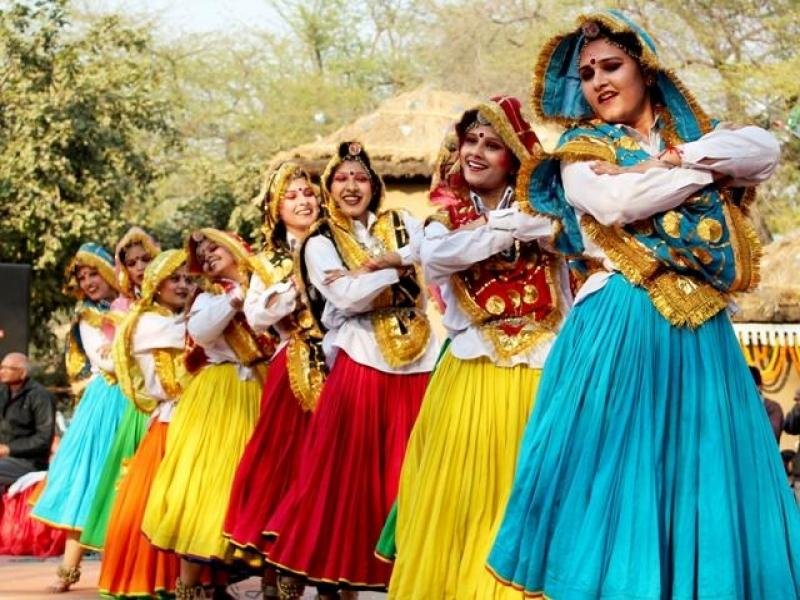
Powerful and Inspiring Reasons Why Haryana Foundation Day Fills Every Indian with Pride
Haryana Foundation Day, celebrated every year on 1 November, marks the formation of Haryana as a separate state of India in 1966. This important day reminds us of the state’s rich cultural heritage, agricultural achievements, sporting excellence, historical traditions, and contribution to India’s development.
From the hardworking farmers who help feed the nation to the athletes who bring international recognition to India, Haryana has built a distinctive identity through courage, dedication, and determination. Foundation Day is an opportunity to celebrate this journey, understand the sacrifices and aspirations behind the state’s formation, and inspire the next generation to contribute to a stronger and more prosperous India.
1. What Is Haryana Foundation Day?
Haryana Foundation Day commemorates the establishment of Haryana as an independent state within the Indian Union on 1 November 1966. Before that date, the territory formed part of the larger state of Punjab.
The creation of Haryana followed a long-standing demand for a separate state that reflected the linguistic, cultural, and administrative aspirations of the Hindi-speaking population of the region. The reorganisation of Punjab resulted in the formation of Haryana, while the remaining arrangements also involved the reorganisation of Punjab and the establishment of Chandigarh as a Union Territory serving as the capital of both Haryana and Punjab.
For the people of Haryana, this day is more than a historical anniversary. It celebrates their shared identity, language, traditions, achievements, and hopes for the future.
Every year on 1 November, people remember how the state began its journey and reflect on how much it has contributed to India.
2. History of Haryana Foundation Day
The historical background
The region now known as Haryana has a history stretching back thousands of years. It is associated with ancient Indian civilisation, agricultural settlements, and important events described in Indian religious and historical traditions.
Kurukshetra, located in Haryana, holds a special place in the Mahabharata and is traditionally associated with the teachings of the Bhagavad Gita. The region has also witnessed the rise and fall of different kingdoms, the development of trade routes, and important events in India’s political history.
For centuries, its people have maintained strong connections with agriculture, rural communities, local traditions, and military service.
The demand for a separate state
After Indian independence in 1947, the political and administrative organisation of several regions became a subject of public debate. Language emerged as an important factor in demands for state reorganisation.
Within the former Punjab region, many Hindi-speaking residents supported the creation of a separate state. They believed that a distinct administrative structure could better reflect their linguistic identity and regional aspirations.
The demand developed through political discussions, public movements, and negotiations.
The formation of Haryana in 1966
The Government of India appointed the Shah Commission in 1966 to examine the reorganisation of Punjab and recommend boundaries for the proposed states.
The Punjab Reorganisation Act, 1966, provided the legal framework for the division. It came into effect on 1 November 1966, establishing Haryana as a separate state.
Chandigarh became a Union Territory and serves as the shared capital of Haryana and Punjab. Certain territorial arrangements were also made as part of the reorganisation.
The formation of Haryana marked a significant moment in India’s post-independence history because it recognised regional aspirations within the country’s constitutional and democratic framework.
Haryana’s journey after formation
Since 1966, Haryana has developed into an important agricultural, industrial, educational, and sporting centre. The state is particularly known for wheat and rice production, dairy farming, automobile manufacturing, and the growth of business and technology around Gurugram.
Haryana has also produced celebrated athletes, soldiers, entrepreneurs, teachers, scientists, and public servants.
Its development has not been without challenges. Water management, pollution, rural-urban inequality, gender equality, and employment remain important issues. Haryana Foundation Day therefore offers an opportunity to celebrate achievements while considering the work still needed.
3. Haryana Foundation Day 2026: Date and Important Details
| Detail | Information |
|---|---|
| Occasion | Haryana Foundation Day |
| Date in 2026 | Sunday, 1 November 2026 |
| Year of formation | 1966 |
| Formation anniversary in 2026 | 60th anniversary |
| State | Haryana, India |
| Capital | Chandigarh, shared with Punjab |
| Historical basis | Punjab Reorganisation Act, 1966 |
| Main purpose | To celebrate Haryana’s formation, identity, heritage, and development |
Important: Haryana was formed on 1 November 1966. Therefore, 1 November 2026 marks 60 years since its establishment.
4. Timeline of Haryana Foundation Day
The following timeline highlights key developments in the state’s formation and growth.
- Ancient period: The region develops as an important area of settlement and agriculture and becomes associated with traditions linked to Kurukshetra.
- 1947: India becomes independent, and the political and administrative organisation of the former Punjab region changes.
- 1950: The Constitution of India comes into force, establishing the framework for the country’s democratic and federal system.
- 1950s–1960s: Demands for linguistic and regional reorganisation continue to influence political discussions.
- 1966: The Shah Commission examines the reorganisation of Punjab.
- 1 November 1966: Haryana is officially formed as a separate state.
- 1970s–1980s: Agricultural development and the Green Revolution contribute to increased food production in Haryana.
- 1990s–2000s: Industrial growth and urban expansion accelerate, especially around Gurugram and Faridabad.
- 2010s: Haryana strengthens its profile in sports, manufacturing, education, and services.
- 2020s: The state continues to focus on infrastructure, digital development, investment, environmental management, and employment.
- 1 November 2026: Haryana celebrates the 60th anniversary of its formation.
5. Ten Powerful and Inspiring Reasons Why Haryana Foundation Day Matters
1. It celebrates Haryana’s identity
A separate state gave institutional recognition to the region’s distinct linguistic, cultural, and administrative aspirations. Foundation Day helps residents connect with their shared history and understand the meaning of their state identity.
2. It honours the people behind the state’s formation
The creation of Haryana resulted from public demands, political negotiations, and administrative decisions. Remembering this process teaches us that democratic change often requires dialogue, participation, and patience.
3. It recognises farmers and agricultural workers
Haryana is one of India’s important agricultural states. Farmers, agricultural labourers, and rural communities have played a major role in food production and rural development.
Foundation Day is a suitable occasion to appreciate their work and discuss sustainable farming, water conservation, fair opportunities, and the future of agriculture.
4. It celebrates sporting excellence
Haryana has made a significant contribution to Indian sports, particularly wrestling, boxing, athletics, hockey, and other competitive disciplines.
The success of athletes from the state inspires young people to practise consistently, maintain discipline, and pursue their ambitions despite difficulties.
5. It promotes cultural heritage
Haryana’s folk music, dance, traditional clothing, local food, fairs, and village customs reflect its distinctive cultural life.
Celebrations help younger generations understand their heritage and encourage communities to preserve traditions while welcoming positive change.
6. It highlights economic progress
Haryana has developed major industrial and commercial centres. Gurugram, in particular, has become an important location for information technology, financial services, offices, and multinational businesses.
The state’s economic development demonstrates how infrastructure, education, entrepreneurship, and investment can create opportunities.
7. It encourages young people
Students can use Foundation Day to learn about their state’s history, study successful people from Haryana, explore career opportunities, and understand their responsibilities as citizens.
The day can encourage young people to combine ambition with honesty, hard work, and service to society.
8. It strengthens national unity
Celebrating Haryana does not mean separating regional pride from national identity. Instead, it shows how India’s different states contribute to one country through their own languages, customs, talents, and histories.
9. It reminds society of unfinished work
Development should benefit everyone. Issues such as unequal access to education, gender discrimination, pollution, water shortages, and employment deserve attention alongside the state’s achievements.
Foundation Day can motivate citizens and institutions to work toward a more inclusive future.
10. It inspires responsibility for the future
The most meaningful way to celebrate a state’s history is to contribute to its progress. Supporting education, protecting public spaces, respecting women, conserving water, and helping vulnerable communities are practical ways to honour Haryana.
6. Interesting Facts About Haryana
- Haryana was formed in 1966: Its official formation date is 1 November 1966.
- It shares its capital: Chandigarh serves as the capital of both Haryana and Punjab and is administered as a Union Territory.
- Its name has ancient associations: Haryana is commonly linked with interpretations such as the abode or land of God, although the precise historical derivation is discussed differently in various sources.
- Kurukshetra is historically significant: The city is closely associated with the Mahabharata tradition and the Bhagavad Gita.
- Agriculture is central to its identity: The state is known for the production of wheat, rice, and other agricultural commodities.
- It has a strong sporting reputation: Athletes from Haryana have represented India in the Olympics, Asian Games, Commonwealth Games, and other major competitions.
- Gurugram is an important business centre: It is known for technology companies, corporate offices, financial services, and modern commercial development.
- It has a rich folk tradition: Folk songs, dance forms, local theatre, and regional celebrations remain important parts of Haryana’s cultural life.
- The state is close to Delhi: Its location around the national capital region has influenced its transport networks, urbanisation, and economic growth.
- 2026 marks 60 years: Haryana completes six decades as a separate state on 1 November 2026.
7. How Is Haryana Foundation Day Celebrated?
The style and scale of observance can vary from year to year and between districts. Typical activities may include official ceremonies, cultural programmes, educational events, and public discussions.
Government and public celebrations
Government departments and local administrations may organise commemorative events, speeches, exhibitions, and programmes highlighting development and state heritage. Specific events and schedules should be confirmed through official announcements.
Schools and colleges
Educational institutions can organise:
- Speeches and essay-writing competitions.
- Quiz contests about Haryana’s history and geography.
- Poster-making and drawing competitions.
- Traditional dance, music, and cultural performances.
- Discussions on the state’s achievements and challenges.
- Activities encouraging civic responsibility and environmental awareness.
Community celebrations
Residents may celebrate through cultural gatherings, local events, folk performances, and social activities. Families can use the day to introduce children to the region’s history, food, traditions, and important personalities.
Digital observance
People can share educational posts, historical photographs, short videos, and greetings online. Students can create presentations about Haryana’s formation, its famous athletes, its economy, and its cultural heritage.
Digital celebrations are most valuable when they spread accurate information and encourage meaningful discussion rather than simply sharing slogans.
8. The Importance of Haryana Foundation Day in Daily Life
At first glance, a state foundation anniversary may appear to be only a historical occasion. In reality, it can offer lessons that influence everyday behaviour.
Respecting diversity
Learning about Haryana helps us appreciate India’s regional differences. We can respect other languages, customs, and traditions without losing our own cultural identity.
Valuing hard work
Haryana’s farmers, athletes, teachers, workers, and entrepreneurs demonstrate the importance of persistence. Their experiences remind us that progress usually requires time, effort, and cooperation.
Supporting education
Students who understand their state’s history gain a broader understanding of citizenship, geography, politics, and society. Teachers and parents can make learning more engaging by connecting historical events with everyday life.
Caring for the environment
Water conservation, responsible waste disposal, public cleanliness, and the protection of green spaces are essential for a sustainable future. Individuals can contribute through small, consistent actions.
Promoting equality
A progressive society gives women and men equal opportunities to study, work, participate in sports, and make decisions. Foundation Day is an opportunity to reflect on how communities can become safer and more inclusive.
Participating in democracy
The formation of Haryana shows the role of public aspirations and political processes in shaping states. Citizens can honour that history by staying informed, respecting constitutional values, and participating responsibly in democratic life.
9. Why Haryana Foundation Day Is Important to Society
Haryana Foundation Day has cultural, historical, educational, and social importance.
Historical importance: It preserves the memory of Haryana’s formation and the circumstances that led to state reorganisation.
Cultural importance: It encourages the preservation of regional traditions, languages, folk arts, and community identity.
Educational importance: It gives schools and colleges an opportunity to teach students about Indian federalism, geography, history, and civic responsibility.
Economic importance: It provides an occasion to examine the state’s development in agriculture, manufacturing, services, transport, and entrepreneurship.
Social importance: It can bring communities together and encourage conversations about equality, education, public health, employment, and environmental protection.
National importance: Haryana’s achievements in agriculture, sports, industry, and public service form part of India’s wider development story.
The day becomes especially meaningful when celebration leads to constructive action. A cultural programme can preserve heritage, a school project can improve historical understanding, and a community initiative can help address a local problem.
10. Important Points to Remember
- Haryana Foundation Day is observed annually on 1 November.
- Haryana became a separate state on 1 November 1966.
- The Punjab Reorganisation Act, 1966, provided the legal basis for the reorganisation.
- Chandigarh is the shared capital of Haryana and Punjab.
- Haryana’s identity includes its agricultural heritage, cultural traditions, sporting achievements, and growing economy.
- The 2026 observance marks the state’s 60th anniversary.
- Foundation Day is an opportunity to recognise progress while addressing ongoing social and environmental challenges.
- Students can celebrate through educational activities, cultural performances, research, and community service.
11. Haryana Foundation Day Wishes and Greetings
Here are some greetings you can share with friends, family, teachers, colleagues, and students.
Short wishes
- Happy Haryana Foundation Day! May our state continue to grow with prosperity, peace, and pride.
- Warm wishes on Haryana Foundation Day. Let us honour our heritage and work together for a brighter future.
- Happy Haryana Day! May the courage, dedication, and hard work of Haryana’s people continue to inspire generations.
- Wishing everyone a proud and joyful Haryana Foundation Day. May our state achieve new heights of progress.
Wishes for students
- Happy Haryana Foundation Day! Learn from your history, believe in your abilities, and help build a better tomorrow.
- May the spirit of Haryana inspire every student to dream boldly, study sincerely, and serve society with honesty.
- On this Haryana Foundation Day, let us promise to respect our heritage, value education, and work towards an inclusive future.
Wishes for social media
- Proud of Haryana, proud of its heritage! Celebrating the courage, culture, and achievements of our state. Happy Haryana Foundation Day!
- 60 years of Haryana! Let us celebrate its journey and commit ourselves to a stronger, greener, and more inclusive future.
- A state grows stronger when its people grow together. Happy Haryana Foundation Day!
A heartfelt message
On Haryana Foundation Day, let us remember the history that shaped our state, honour the people who contribute to its progress, and appreciate the traditions that bring communities together. May Haryana continue to advance in education, agriculture, science, sports, industry, and social equality. Let us make our pride meaningful through kindness, responsibility, and service. Happy Haryana Foundation Day!
12. Review Section: Haryana Foundation Day
Overall review: Haryana Foundation Day is a meaningful annual occasion that combines historical remembrance with cultural pride and civic responsibility.
Historical value: The day helps people understand why Haryana was established as a separate state in 1966 and how linguistic and regional aspirations influenced the reorganisation of Punjab.
Cultural value: It celebrates the state’s folk traditions, community life, agricultural heritage, and distinctive identity.
Educational value: It provides a useful topic for school projects, speeches, essays, quizzes, and competitive-examination preparation.
Social value: The occasion encourages unity, public participation, and reflection on development priorities.
What could make celebrations more meaningful? Events can go beyond speeches and decorations by including environmental drives, local-history exhibitions, student competitions, support for public education, and discussions about equal opportunities.
Final assessment: Haryana Foundation Day deserves recognition not only as a historical anniversary but also as a reminder that every generation has a role in shaping the state’s future.
13. Frequently Asked Questions (FAQs)
Q1. When is Haryana Foundation Day celebrated?
Haryana Foundation Day is celebrated every year on 1 November.
Q2. When was Haryana formed?
Haryana was formed on 1 November 1966.
Q3. Why was Haryana created as a separate state?
The reorganisation reflected linguistic, cultural, and administrative aspirations within the former Punjab region. The Punjab Reorganisation Act, 1966, established the legal framework for the change.
Q4. Which year will mark the 60th anniversary of Haryana’s formation?
The 60th anniversary falls on 1 November 2026.
Q5. What is the capital of Haryana?
Chandigarh is the capital of Haryana. It also serves as the capital of Punjab and is administered as a Union Territory.
Q6. What is the significance of Haryana Foundation Day?
It commemorates the state’s formation, celebrates its identity and achievements, and encourages citizens to contribute to its future development.
Q7. How do schools celebrate Haryana Foundation Day?
Schools may organise speeches, quizzes, essays, drawing competitions, cultural programmes, and educational presentations about the state’s history.
Q8. Is Haryana Foundation Day a public holiday?
Holiday arrangements can vary according to government notifications, institutions, and workplaces. Check the relevant Haryana government holiday list for the applicable year.
Q9. What is Haryana famous for?
Haryana is known for agriculture, dairy farming, sports, folk culture, industrial development, and business centres such as Gurugram.
Q10. What can students learn from Haryana Foundation Day?
Students can learn about Indian federalism, regional identity, democratic processes, cultural diversity, the value of hard work, and their responsibilities as citizens.
Q11. How can ordinary citizens celebrate the day?
Citizens can learn about Haryana’s history, attend local events, share accurate educational information, support community initiatives, and practise environmental responsibility.
Q12. What is the main message of Haryana Foundation Day?
The central message is to honour the past, appreciate the present, and work collectively towards a more prosperous, inclusive, and sustainable future.
14. Conclusion: A Proud Past and a Promising Future
Haryana Foundation Day is a celebration of history, identity, culture, and collective achievement. Since its formation on 1 November 1966, Haryana has established an important place in India’s agricultural, sporting, industrial, and economic landscape.
Its story reminds us that the progress of a state depends not only on infrastructure and economic growth but also on the education, health, equality, and well-being of its people.
As Haryana celebrates 60 years of statehood in 2026, the occasion offers an opportunity to appreciate its accomplishments and reflect honestly on the challenges that remain. Farmers need sustainable resources, students need quality education and career opportunities, communities need a clean environment, and every citizen deserves dignity and equal opportunity.
We can honour Haryana’s history by taking responsibility for its future. Whether through learning, teaching, helping others, protecting the environment, or participating in community life, every positive action matters.
Happy Haryana Foundation Day! May Haryana continue to prosper, preserve its rich heritage, inspire young minds, and contribute to a stronger and more inclusive India.
15. Images Article
Haryana’s Cultural Heritage
Alt text: Haryana Foundation Day cultural celebration and folk traditions.
Agriculture and Rural Life
Alt text: Haryana farmers and agricultural heritage on Haryana Foundation Day.
Modern Haryana
Alt text: Gurugram skyline representing Haryana’s economic development.
16. References and Further Reading
For accurate historical information and additional research, consult these authoritative sources:
- 1. What Is Haryana Foundation Day?
- 2. History of Haryana Foundation Day
- The historical background
- The demand for a separate state
- The formation of Haryana in 1966
- Haryana’s journey after formation
- 3. Haryana Foundation Day 2026: Date and Important Details
- 4. Timeline of Haryana Foundation Day
- 5. Ten Powerful and Inspiring Reasons Why Haryana Foundation Day Matters
- 1. It celebrates Haryana’s identity
- 2. It honours the people behind the state’s formation
- 3. It recognises farmers and agricultural workers
- 4. It celebrates sporting excellence
- 5. It promotes cultural heritage
- 6. It highlights economic progress
- 7. It encourages young people
- 8. It strengthens national unity
- 9. It reminds society of unfinished work
- 10. It inspires responsibility for the future
- 6. Interesting Facts About Haryana
- 7. How Is Haryana Foundation Day Celebrated?
- 8. The Importance of Haryana Foundation Day in Daily Life
- Respecting diversity
- Valuing hard work
- Supporting education
- Caring for the environment
- Promoting equality
- Participating in democracy
- 9. Why Haryana Foundation Day Is Important to Society
- 10. Important Points to Remember
- 11. Haryana Foundation Day Wishes and Greetings
- 12. Review Section: Haryana Foundation Day
- 13. Frequently Asked Questions (FAQs)
- Q1. When is Haryana Foundation Day celebrated?
- Q2. When was Haryana formed?
- Q3. Why was Haryana created as a separate state?
- Q4. Which year will mark the 60th anniversary of Haryana’s formation?
- Q5. What is the capital of Haryana?
- Q6. What is the significance of Haryana Foundation Day?
- Q7. How do schools celebrate Haryana Foundation Day?
- Q8. Is Haryana Foundation Day a public holiday?
- Q9. What is Haryana famous for?
- Q10. What can students learn from Haryana Foundation Day?
- Q11. How can ordinary citizens celebrate the day?
- Q12. What is the main message of Haryana Foundation Day?
- 14. Conclusion: A Proud Past and a Promising Future
- 15. Images Article
- 16. References and Further Reading
Ministry of Home Affairs — Annual report covering the 1966 reorganisation of Punjab.
Ministry of Home Affairs