Powerful and Inspiring Reasons Why Midjourney Is Transforming AI Art and Creative Design
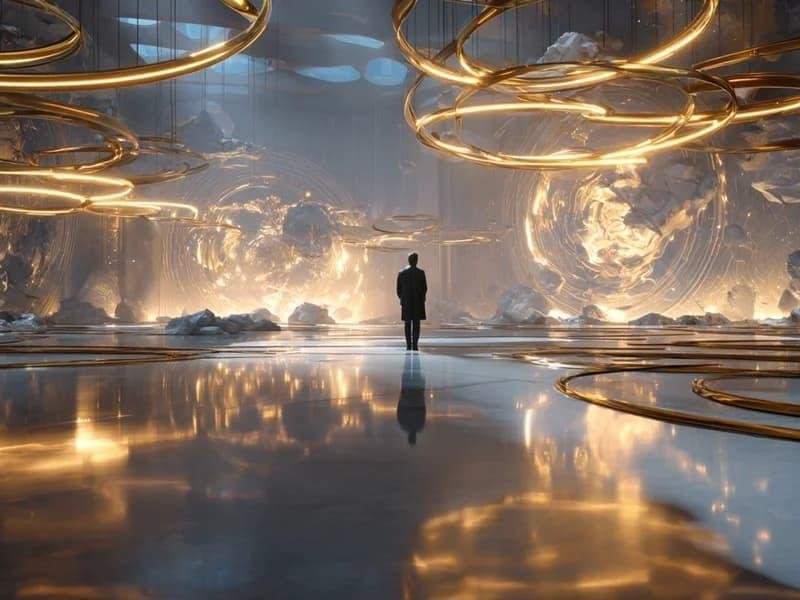
Midjourney is an AI-powered image-generation tool that helps people turn written descriptions into visually striking artwork. From photorealistic scenes and fantasy landscapes to product concepts, character designs, and marketing visuals, it has become a popular tool for exploring creative ideas.
- 1. What Is Midjourney?
- 2. History of Midjourney: From an AI Experiment to a Creative Platform
- 3. Midjourney Pricing: How Much Does It Cost?
- 4. Ten Powerful Reasons Why Midjourney Is Transforming Creative Work
- 5. Important Features of Midjourney
- 6. Important Facts About Midjourney
- 7. How to Use Midjourney: A Beginner’s Guide
- 8. Midjourney’s Significance in Education and Student Careers
- 9. Daily-Life Impacts of Midjourney
- 10. Limitations, Risks, and Responsible Use
- 11. Why Midjourney Is Important to Society
- 12. Midjourney Review: Is It Worth Using?
- Midjourney — Editorial Review
- 13. Frequently Asked Questions (FAQs)
- 1. What is Midjourney used for?
- 2. Is Midjourney free?
- 3. How much does Midjourney cost?
- 4. Can students use Midjourney?
- 5. Can Midjourney create realistic images?
- 6. Can I use Midjourney images commercially?
- 7. Does Midjourney work on a website or Discord?
- 8. Is Midjourney suitable for beginners?
- 9. Can Midjourney replace graphic designers?
- 10. What should I learn alongside Midjourney?
- 14. Important Points to Remember
- 15. Wishes and Inspiration for Future Creators
- Conclusion
- Official resources
For students, artists, designers, content creators, entrepreneurs, and businesses, Midjourney offers a way to experiment with visual concepts without always starting with a blank canvas. However, using it effectively requires more than entering a few words: users need creativity, clear instructions, critical thinking, and an understanding of copyright and responsible AI use.
In this comprehensive Minorstudy guide, we explore Midjourney’s history, features, pricing, important facts, benefits, limitations, practical applications, career opportunities, and impact on everyday life and society.
1. What Is Midjourney?
Midjourney is a generative artificial intelligence service that creates images from text prompts. A prompt is a written description that explains what the user wants to see in an image.
For example, a student might enter:
A peaceful Indian village at sunrise, golden sunlight over green fields, traditional houses, realistic photography, cinematic composition.
Midjourney interprets the description and generates artwork based on the prompt and the model’s capabilities. Users can then refine their ideas, explore different variations, and work toward a visual result that matches their creative goal.
Midjourney is particularly known for its artistic image generation, imaginative compositions, detailed environments, and stylized visual outputs. Its exact results depend on the model version, prompt, settings, and the nature of the requested image.
Who can use Midjourney?
Students: For art projects, visual presentations, and creative exploration.
Graphic designers: For inspiration, concept development, and visual experimentation.
Content creators: For original visual concepts for blogs, videos, and social media.
Business owners: For product concepts, campaign ideas, and brand mood boards.
Writers: For visualizing characters, fictional worlds, and story settings.
Educators: For illustrating concepts and developing classroom materials.
Midjourney can support creative work, but it does not replace every professional design task. Detailed typography, precise brand consistency, editable vector artwork, and production-ready layouts may still require other software and human expertise.
2. History of Midjourney: From an AI Experiment to a Creative Platform
Midjourney emerged during the rapid development of generative AI, when researchers and creators began exploring how computers could generate original-looking images from natural-language descriptions.
The company behind the platform developed an accessible way for people to experiment with AI-generated art. Its early growth was closely connected to Discord, where users could submit prompts, view generated images, and learn from other creators. Midjourney later expanded its web experience, making image creation accessible directly through its website.
Midjourney timeline
| Year or date | Important development |
|---|---|
| 2022 | Midjourney’s public beta opened to a wider audience through Discord. |
| 2023 | New model releases and improved prompt understanding helped expand its creative applications. |
| 2024 | Midjourney opened its web platform to everyone, making website-based creation more accessible. |
| 2025 | Version 7 introduced improvements in image quality, prompt handling, and reference-based workflows. |
| 2026 | Further model development expanded image-generation, personalization, and creative editing capabilities. |
The timeline shows how quickly AI art has evolved. A technology that once seemed experimental is now used for brainstorming, illustration, marketing concepts, and visual storytelling.
3. Midjourney Pricing: How Much Does It Cost?
One of the first questions students and professionals ask is whether Midjourney is free. According to its current official documentation, Midjourney offers four paid subscription plans and does not provide a general free tier. Prices and included features can change, so check the official plan page before purchasing.
Indicative subscription prices listed in USD, checked for this article in October 2026.
| Plan | Monthly billing | Annual billing | Best suited for |
|---|---|---|---|
| Basic | $10/month | $96/year | Beginners and occasional creators |
| Standard | $30/month | $288/year | Regular users and content creators |
| Pro | $60/month | $576/year | Professionals needing more capacity and privacy options |
| Mega | $120/month | $1,152/year | Heavy users and high-volume creative workflows |
Annual subscriptions are listed at a discount compared with paying monthly, but the full annual amount is paid upfront. Standard, Pro, and Mega include unlimited image generation in Relax Mode, subject to the service’s rules and feature conditions. Stealth Mode, which helps keep creations private, is available on Pro and Mega plans.
What does Midjourney cost in India?
The final amount paid in India may differ from a simple dollar-to-rupee conversion because of exchange rates, taxes, payment-provider charges, and changes in subscription prices.
For a sensible budget:
Check the current subscription amount on Midjourney’s official website.
Review your payment provider’s currency-conversion charges.
Decide how many images you realistically need each month.
Avoid paying for a high-tier plan before testing your workflow.
Consider whether you need privacy features for client or business projects.
Student tip: If you are learning AI art, start with free educational material and prompt practice before committing money to a subscription. Since Midjourney does not offer a general free plan, you can also explore other image-generation services with free access or trial options.
Official pricing guide: Compare Midjourney plans.
4. Ten Powerful Reasons Why Midjourney Is Transforming Creative Work
1. It turns imagination into images
You can describe a fictional city, a dream landscape, a historical-inspired scene, or a futuristic environment and explore a visual interpretation. This is especially useful when an idea is difficult to explain with words alone.
2. It supports rapid visual experimentation
Designers can explore different compositions, lighting conditions, moods, and artistic directions before committing to a final design. This makes it valuable during the early concept-development stage.
3. It helps content creators
Bloggers, educators, and social media creators can develop visual concepts for articles, presentations, campaigns, and storytelling. Images should still be checked for accuracy and suitability.
4. It helps businesses visualize ideas
Small businesses can use generated images to explore packaging, advertising concepts, product aesthetics, and campaign moods. A concept image is not automatically a technically accurate product photograph.
5. It encourages storytelling
Writers can visualize settings, characters, and atmosphere while planning books, games, films, or presentations. Human writers and artists remain essential for narrative meaning and originality.
6. It supports artistic exploration
Users can experiment with photography-inspired scenes, illustration, surrealism, fantasy, and many other visual directions. The results can inspire further work rather than serve as a finished product.
7. It helps students explore design
Students can learn how visual descriptions affect composition, lighting, perspective, and mood. They should follow school or college rules on AI assistance and disclose its use when required.
8. It supports concept development
Game developers, illustrators, and creative teams can use generated visuals to discuss possible directions before producing detailed final assets with appropriate tools.
9. It makes visual brainstorming more accessible
People who do not have advanced drawing skills can still communicate visual ideas. However, creating a reliable final design often requires editing, design knowledge, and careful review.
10. It encourages new creative workflows
Midjourney can become one stage in a larger process involving research, image generation, editing, typography, accessibility checks, and publication. The strongest results often come from combining AI capabilities with human judgment.
5. Important Features of Midjourney
Midjourney’s tools and controls have evolved over time. Features can differ by model version, so users should consult the current documentation for the latest compatibility information.
Text-to-image generation: Create visual results from written descriptions.
Image prompting: Use an existing image as visual input to guide a generation.
Variations and refinement: Explore alternative versions of an image and refine a preferred direction.
Upscaling: Produce a larger version of selected artwork where supported.
Style and personalization controls: Guide results toward particular aesthetics or preferences.
Editing tools: Modify or refine selected visual elements using supported editing features.
Video generation: Animate supported images or create video outputs, depending on the available model and plan.
- Web and Discord access: Create through the Midjourney website or Discord, with some workflow differences between the two.
How to write a better Midjourney prompt
A good prompt explains the subject, setting, visual style, lighting, composition, and intended mood.
Example:
A young Indian student studying renewable energy in a modern science laboratory, natural window light, realistic editorial photography, thoughtful expression, detailed environment, balanced composition
For educational content, specify whether the image should look like a photograph, an illustration, a diagram, or a conceptual artwork. If factual accuracy matters, independently verify the details rather than treating the generated image as a reliable scientific or historical record.
6. Important Facts About Midjourney
Midjourney is a generative AI service focused on visual creation.
- It became widely known through its Discord community and later expanded access through its website.
Its output depends on prompts, settings, model capabilities, and reference inputs.
- The official documentation lists four main subscriptions: Basic, Standard, Pro, and Mega.
- A general free tier is not currently offered according to its official FAQ.
Midjourney can assist with concept art, illustration, marketing, and creative exploration.
Generated artwork may contain inaccurate details, visual inconsistencies, or misleading representations.
- Privacy settings differ by subscription; users should check the rules before creating sensitive or client-related work.
AI-generated images do not automatically guarantee copyright protection, exclusivity, or permission to use every depicted trademark or likeness.
Human review remains important, particularly for commercial, educational, journalistic, and public-facing work.
7. How to Use Midjourney: A Beginner’s Guide
Step 1: Create an account
Visit Midjourney.com and sign in using a supported login method.
Step 2: Select a subscription
Review the latest plans, usage allowances, privacy features, and billing terms before paying.
Step 3: Enter a clear prompt
Describe your subject, setting, visual style, lighting, and composition. Be specific about the result you want.
Step 4: Refine the result
Review the generated images, compare variations, and adjust the prompt or available controls.
Step 5: Review and use responsibly
Check the image for errors, misleading details, privacy concerns, and licensing or usage restrictions before publishing.
8. Midjourney’s Significance in Education and Student Careers
AI image-generation tools create opportunities for students to explore the relationship between technology and creativity. They can be particularly useful for visual communication, design thinking, and project planning.
Career paths students can explore
| Career path | Skills to develop |
|---|---|
| Graphic designer | Typography, layout, branding, design software |
| AI visual creator | Prompt writing, image evaluation, editing |
| Digital marketer | Campaign planning, analytics, content strategy |
| Concept artist | Drawing, composition, visual storytelling |
| UI/UX designer | User research, interface design, prototyping |
| Creative director | Art direction, communication, project management |
| Game artist | Character design, environments, 3D workflows |
| Content creator | Writing, storytelling, editing, audience research |
Important: Learning Midjourney alone does not guarantee a job or a specific salary. Employers and clients also value portfolios, communication, design fundamentals, reliability, and the ability to solve real problems.
A practical learning roadmap
Week 1: Learn prompt structure and basic visual composition.
Week 2: Create a collection of images around one theme.
Week 3: Compare outputs, revise prompts, and practice image editing.
Week 4: Build a small portfolio and document your creative process.
Students should also learn about AI ethics, copyright, misinformation, and disclosure requirements. These skills help distinguish responsible creators from people who simply generate large numbers of images.
9. Daily-Life Impacts of Midjourney
Midjourney can affect everyday activities in several ways.
Education: Teachers and students can explore visual representations of concepts, provided they distinguish illustrations from verified evidence.
Small businesses: Entrepreneurs can develop campaign concepts, mood boards, and early product ideas without commissioning every initial visual from scratch.
Entertainment: Writers, filmmakers, and game designers can visualize possible settings and characters during planning.
Social media: Creators can develop distinctive visual themes for posts and campaigns. They should avoid presenting fabricated events or people as real.
Personal creativity: Hobbyists can explore artistic styles, design invitations, imagine dream homes, or create illustrations for personal projects.
The main benefit is the ability to explore ideas quickly. The main risk is assuming that a convincing image must be authentic, accurate, or legally safe to publish.
10. Limitations, Risks, and Responsible Use
Midjourney is powerful, but it is not perfect. Users should understand its limitations before relying on it for important work.
Accuracy: Images can contain incorrect objects, distorted text, or implausible details.
Copyright and licensing: Terms, local law, and the rights of third parties may affect commercial use.
Privacy: Avoid submitting confidential material unless you understand the service’s privacy rules and settings.
Bias and representation: Generated imagery can reflect stereotypes or produce unbalanced representations.
Human creativity and labor: AI can change creative workflows and raise questions about attribution, compensation, and employment.
Authenticity: Realistic-looking images may be mistaken for documentary evidence.
Cost: Subscription fees may not be worthwhile for occasional users.
For news, health, science, history, and public-interest content, do not use AI-generated artwork as proof that an event occurred. Label illustrative imagery clearly where confusion is possible, and use verified photographs or primary sources when authentic documentation is required.
11. Why Midjourney Is Important to Society
AI art tools are changing how people communicate visually. They can lower some barriers to experimentation, support rapid brainstorming, and help individuals express ideas that might otherwise remain difficult to visualize.
For education, they can encourage curiosity. For small businesses, they can help teams communicate concepts. For artists, they can open new directions for experimentation while also raising important questions about ownership, originality, and the value of human labor.
The responsible path is not to treat AI as a replacement for every artist or designer. Instead, society can focus on using these tools transparently, respecting creators’ rights, improving digital literacy, and ensuring that human judgment remains part of the process.
12. Midjourney Review: Is It Worth Using?
Midjourney — Editorial Review
A practical assessment for students, creators, and businesses.
Visual creativity
Strong
Ease of experimentation
Good
Beginner affordability
Limited
Professional workflow fit
Depends on the task
What we like
Strong creative potential for imaginative visual concepts.
Useful for exploring multiple styles and compositions.
Can support brainstorming and early design development.
What to consider
Paid subscription required for general access.
Some results need careful editing and verification.
Privacy, licensing, and commercial-use requirements need attention.
Our verdict: Midjourney is worth considering if visual quality and creative experimentation are central to your work. It may be less suitable if you need a completely free service, precise technical diagrams, guaranteed factual accuracy, or fully editable production files without additional tools.
This is an editorial assessment based on documented capabilities and general use cases, not a controlled hands-on performance test.
13. Frequently Asked Questions (FAQs)
1. What is Midjourney used for?
Midjourney is used to generate and refine images from written prompts. Common applications include concept art, illustrations, visual brainstorming, marketing concepts, storytelling, and creative projects.
2. Is Midjourney free?
Midjourney’s official FAQ currently states that it does not offer a general free tier. Check its official website for any changes or limited promotions.
3. How much does Midjourney cost?
The listed monthly plans are Basic at $10, Standard at $30, Pro at $60, and Mega at $120. Annual billing is also available at a discounted rate. Prices can change.
4. Can students use Midjourney?
Yes. Students can use it for creative practice, presentations, and concept development, subject to the platform’s subscription terms and their institution’s AI policies.
5. Can Midjourney create realistic images?
It can create photorealistic-looking imagery, but visual realism does not guarantee factual accuracy. Generated images should not automatically be treated as real photographs or evidence.
6. Can I use Midjourney images commercially?
Commercial use depends on the applicable terms, account status, and other legal considerations. Read the current Midjourney Terms of Service and check relevant copyright and trademark rules before using images commercially.
7. Does Midjourney work on a website or Discord?
Both options are supported. Most features are available on both platforms, although some tools and workflows differ.
8. Is Midjourney suitable for beginners?
Yes, if beginners are willing to experiment with prompts and learn how to evaluate results. Basic design knowledge can help them get better outcomes.
9. Can Midjourney replace graphic designers?
Not completely. It can speed up ideation and generate visual assets, but designers provide strategic thinking, client communication, precise editing, accessibility, branding, and final production expertise.
10. What should I learn alongside Midjourney?
Learn composition, typography, colour theory, image editing, prompt writing, copyright basics, and visual storytelling. These skills help turn generated images into useful creative work.
14. Important Points to Remember
Midjourney converts text prompts into AI-generated visuals.
It offers opportunities for students, designers, marketers, and businesses.
Subscription costs and features should be checked before signing up.
Strong prompts and repeated refinement can improve results.
Generated images can contain errors and should be reviewed.
Commercial publication requires attention to terms, rights, and applicable law.
Human creativity, judgment, and responsibility remain essential.
15. Wishes and Inspiration for Future Creators
May every student discover the confidence to explore new ideas, every artist find fresh inspiration, and every entrepreneur learn to communicate their vision responsibly.
Technology becomes truly valuable when people use it to educate, create, solve problems, and make life better for others. Midjourney can help bring ideas into view, but imagination, discipline, honesty, and empathy give those ideas meaning.
Conclusion
Midjourney represents an important development in AI-assisted art and visual design. Its ability to turn written prompts into compelling images gives people new ways to brainstorm, communicate, and explore creative possibilities.
For students, it can be a learning tool. For businesses, it can support concept development. For artists and content creators, it can offer another way to experiment with visual storytelling. Yet its benefits come with responsibilities involving accuracy, privacy, copyright, and transparency.
The best approach is to use Midjourney as a creative partner rather than an unquestioned authority. Combine its speed and visual capabilities with human knowledge, ethical judgment, and practical design skills.
For Minorstudy readers, the central lesson is simple: learn the technology, develop your creativity, verify what you publish, and use innovation responsibly.