The 30 Best Places to Visit in Bihar (2026): A Brief Guide for Students and Travelers
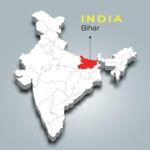
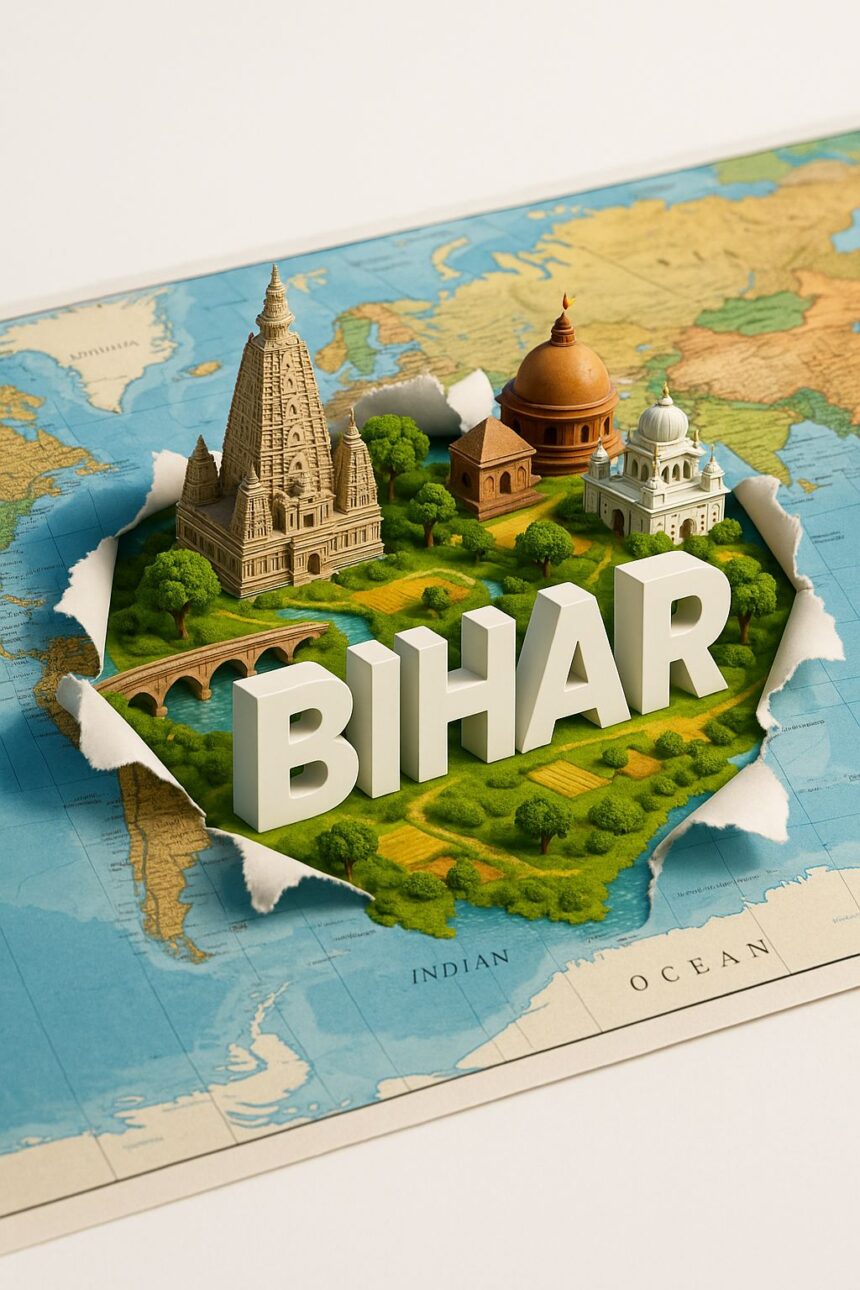
Bihar is one of India’s oldest and most historically significant states. It is the birthplace of ancient kingdoms, renowned universities, religions like Buddhism and Jainism, and many cultural traditions. The state offers historical monuments, temples, wildlife sanctuaries, waterfalls, museums, and natural attractions that are perfect for students, researchers, pilgrims, and tourists.
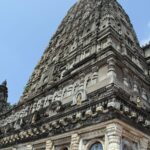
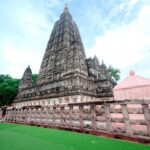
1. Mahabodhi Temple, Bodh Gaya


History: Built around the 5th–6th century CE on the site where Gautama Buddha attained enlightenment.
Timeline
- 6th century BCE – Buddha attained enlightenment.
- 3rd century BCE – Emperor Ashoka built the first shrine.
- 2002 – Declared a UNESCO World Heritage Site.
Student Cost: ₹500–₹2,500
Facts
- UNESCO World Heritage Site.
- One of the holiest Buddhist sites.
- Pilgrims visit from over 100 countries.
Importance
- Spiritual learning
- History of Buddhism
- Peace and meditation
2. Nalanda University Ruins


History: Founded in the 5th century CE, it became one of the world’s first residential universities.
Timeline
- 427 CE – Established.
- 1193 CE – Destroyed.
- 2016 – UNESCO recognition.
Student Cost: ₹100–₹1,000
Facts
- More than 10,000 students studied here.
- Famous library burned for months.
Importance
- Ancient education
- Research
- World heritage
3. Rajgir


History: Ancient capital of Magadha Kingdom.
Student Cost: ₹500–₹2,500
Major Attractions
- Ropeway
- Vishwa Shanti Stupa
- Hot Springs
- Griddhakuta Hill
Importance
- Buddhist heritage
- Jain pilgrimage
- Historical tourism
4. Vaishali


History: One of the world’s earliest republics.
Facts
- Associated with Buddha.
- Birthplace of Lord Mahavira.
Importance
- Democracy
- Jainism
- Buddhism
5. Vikramshila University


History: Founded by King Dharmapala in the 8th century.
Importance
- Ancient education
- Buddhist studies
6. Pawapuri


History: Place where Lord Mahavira attained Nirvana.
Importance
- Jain pilgrimage
- Religious harmony
7. Patna Sahib


History: Birthplace of Guru Gobind Singh Ji.
Importance
- Sikh pilgrimage
- Cultural heritage
8. Golghar


History: Built in 1786 by the British for grain storage.
Importance
- Colonial architecture
- Patna landmark
9. Bihar Museum


History: Opened in 2015.
Importance
- Art
- Culture
- Student learning
10. Patna Museum


Highlights
- Didarganj Yakshi
- Ancient sculptures
- Coins
11. Valmiki Tiger Reserve


Importance
- Wildlife
- Tigers
- Nature education
12. Kakolat Waterfall


Importance
- Picnic spot
- Scenic beauty
13. Barabar Caves


History
- Built during Emperor Ashoka’s reign.
Importance
- Oldest rock-cut caves in India.
14. Kesaria Stupa


Importance
- One of the tallest Buddhist stupas.
15. Sher Shah Suri Tomb


Importance
- Afghan architecture
- Historical monument
16. Rohtas Fort


Importance
- Military history
- Fort architecture
17. Deo Sun Temple


Importance
- Chhath Puja
- Ancient temple
18. Gandhi Maidan


Importance
- Public gatherings
- Historical events
19. Sita Kund


Importance
- Religious tourism
- Natural hot spring
20. Venu Vana


Importance
- Meditation
- Buddha’s retreat
21. Griddhakuta Hill
Importance
- Buddhist sermons
- Trekking
22. Bhimbandh Wildlife Sanctuary


Importance
- Wildlife
- Eco-tourism
23. Kanwar Lake Bird Sanctuary


Importance
- Bird watching
- Wetland conservation
24. Simultala


Importance
- Hill retreat
- Pleasant climate
25. Navlakha Palace


Importance
- Royal heritage
- Photography
26. Mundeshwari Temple


Importance
- One of India’s oldest functional temples.
27. Jal Mandir


Importance
- Jain pilgrimage
- Peaceful surroundings
28. Chhath Ghats of Bihar


Importance
- Chhath festival
- Cultural unity
29. Pant Wildlife Sanctuary
Importance
- Biodiversity
- Forest conservation
30. Vikramshila Gangetic Dolphin Sanctuary


Importance
- Home to the endangered Gangetic dolphin.
- Supports river ecosystem conservation.
Estimated Student Budget
| Expense | Approximate Cost |
|---|---|
| Local Transport | ₹200–₹800/day |
| Food | ₹150–₹500/day |
| Budget Hotel/Hostel | ₹500–₹1,500/night |
| Entry Fees | ₹0–₹100 (most sites) |
| Total (2–3 days) | ₹2,000–₹6,000 |
Significance
- Preserves India’s ancient civilization.
- Birthplace of Buddhism and Jainism.
- Home to world-famous historical monuments.
- Promotes religious harmony.
- Encourages heritage tourism.
- Supports education and research.
- Protects wildlife and biodiversity.
Interesting Facts
- Bihar was once the center of the powerful Magadha Empire.
- Ancient Nalanda attracted scholars from Asia.
- The Mahabodhi Temple is a UNESCO World Heritage Site.
- Bihar celebrates the globally recognized Chhath Festival.
- The Gangetic dolphin, India’s national aquatic animal, inhabits Bihar’s rivers.
FAQs
Q1. Which is the most famous place in Bihar?
Mahabodhi Temple, Bodh Gaya.
Q2. Which UNESCO World Heritage Sites are in Bihar?
Mahabodhi Temple and Nalanda Mahavihara.
Q3. Is Bihar good for students?
Yes. It is ideal for learning about history, archaeology, religion, culture, and biodiversity.
Q4. What is the best time to visit Bihar?
October to March.
Q5. Is Bihar budget-friendly for tourists?
Yes. It offers affordable transport, accommodation, and food.
Visitor Review
⭐ Overall Rating: 4.7/5
Pros
- Rich history and culture
- Affordable travel
- Warm hospitality
- Excellent educational value
Cons
- Summer temperatures can be very high.
- Some heritage sites may have limited tourist facilities.
Daily Life Impact
Visiting Bihar helps people understand India’s rich cultural roots, promotes respect for diverse religions and traditions, encourages heritage conservation, supports local communities through tourism, and inspires students to appreciate history, architecture, and environmental protection.
Conclusion
Bihar is much more than a historical state—it is a living museum of India’s ancient civilization, spirituality, education, and cultural diversity. From the sacred Mahabodhi Temple and the renowned Nalanda University ruins to serene wildlife sanctuaries and beautiful waterfalls, Bihar offers enriching experiences for students, families, pilgrims, and travelers alike. Its affordable travel costs, educational importance, and deep historical legacy make it one of the most rewarding destinations to explore in India.