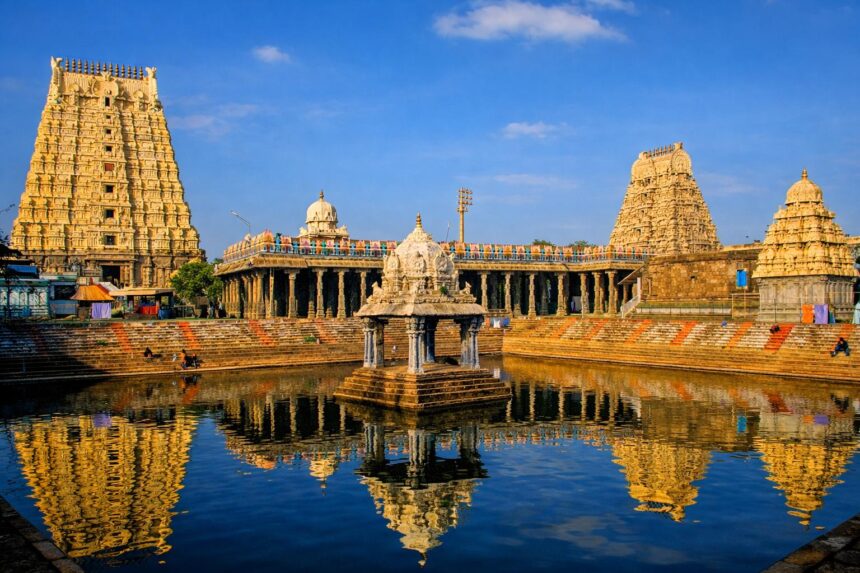
Kanchipuram Temples (Tamil Nadu) – Complete Budget Travel Guide, History, Facts, Significance & Review
- Introduction
- 1. Ekambareswarar Temple
- 2. Kamakshi Amman Temple
- 3. Varadharaja Perumal Temple
- 4. Kailasanathar Temple
- Estimated Student Budget
- By Air
- By Train
- By Road
- 1. Where is Kanchipuram located?
- 2. Why is Kanchipuram famous?
- 3. Is Kanchipuram suitable for students?
- 4. How many days are enough to explore?
- 5. Are temple entries free?
- 6. What is the best season to visit?
- 7. Can international tourists visit?
- 8. What should I buy in Kanchipuram?
- Pros
- Cons


Introduction
Known as the “City of a Thousand Temples,” Kanchipuram is one of India’s oldest and most sacred pilgrimage destinations. Located around 75 kilometers from Chennai, this historic city has been a center of Hindu spirituality, temple architecture, philosophy, education, and silk weaving for over 1,500 years.
Kanchipuram is unique because it is revered by both Shaivites (devotees of Lord Shiva) and Vaishnavites (devotees of Lord Vishnu). The city is home to magnificent temples dedicated to Shiva, Vishnu, and Goddess Shakti, making it one of the seven sacred Moksha Puris in Hindu tradition.
For students, Kanchipuram offers an affordable and educational travel experience. It provides an opportunity to explore South Indian architecture, ancient inscriptions, cultural traditions, and India’s rich spiritual heritage while staying within a modest budget.
History of Kanchipuram Temples
Kanchipuram has a history that stretches back more than two millennia. It flourished under the Pallava dynasty, who made it their capital between the 4th and 9th centuries CE. During this period, many of the city’s most iconic temples were built, showcasing remarkable examples of early Dravidian architecture.
Later, the Chola dynasty, Vijayanagara Empire, and local rulers expanded and restored these temples.
Kanchipuram also became an important center for scholars, philosophers, and saints. The renowned philosopher Adi Shankaracharya is traditionally associated with the city, and Kanchipuram continues to be a major destination for religious learning and pilgrimage.
Timeline of Kanchipuram Temples
| Period | Event |
|---|---|
| Ancient Era | Kanchipuram develops as an important religious and cultural center. |
| 4th–9th Century CE | Pallava rulers build major temples, including Kailasanathar Temple. |
| 10th–13th Century | Chola kings renovate and expand temples. |
| 14th–16th Century | Vijayanagara rulers add grand halls and gopurams. |
| Modern Era | Kanchipuram becomes a leading pilgrimage and heritage tourism destination. |
Famous Temples in Kanchipuram
Kanchipuram is home to numerous temples, but these are among the most significant:
1. Ekambareswarar Temple
One of the Pancha Bhoota Sthalams, representing the Earth element, this temple is dedicated to Lord Shiva and is known for its towering gopuram and ancient mango tree.
2. Kamakshi Amman Temple
Dedicated to Goddess Kamakshi, this temple is one of the most revered Shakti shrines in India and attracts devotees seeking blessings for peace and prosperity.
3. Varadharaja Perumal Temple
A major Vishnu temple celebrated for its impressive architecture, intricate carvings, and vibrant festivals.
4. Kailasanathar Temple
The oldest surviving temple in Kanchipuram, this masterpiece of Pallava architecture is admired for its sandstone sculptures and historical importance.
Why are Kanchipuram Temples Famous?
Kanchipuram is renowned because:
- It is one of Hinduism’s seven sacred cities (Moksha Puris).
- It contains ancient temples representing Shaivism, Vaishnavism, and Shaktism.
- The temples showcase outstanding Dravidian architecture.
- The city is famous for traditional silk sarees.
- It has long been a center for learning, philosophy, and religious scholarship.
Budget Travel Guide for Students
Kanchipuram is one of South India’s most budget-friendly pilgrimage destinations.
Estimated Student Budget
| Expense | Approximate Cost |
|---|---|
| Train/Bus from Chennai | ₹100–₹300 |
| Budget Hotel/Hostel | ₹500–₹1200 |
| Meals | ₹250–₹500 |
| Local Transport | ₹100–₹300 |
| Temple Entry | Mostly Free |
| Shopping (Optional) | ₹500+ |
| Total Budget | ₹1200–₹3000 |
Students can comfortably explore the city’s major temples over one or two days.
How to Reach Kanchipuram
By Air
The nearest airport is Chennai International Airport.
By Train
The city is served by Kanchipuram Railway Station, with connections to Chennai and other nearby cities.
By Road
Frequent buses operate from Chennai, Vellore, Tirupati, and Bengaluru, making road travel convenient and economical.
Best Time to Visit
The ideal months are:
- October to March
Popular festivals include:
- Panguni Uthiram
- Vaikunta Ekadashi
- Maha Shivaratri
- Navaratri
These festivals offer a vibrant cultural experience but also attract larger crowds.
Student Travel Tips
- Start your temple tour early in the morning.
- Dress modestly, respecting temple customs.
- Carry drinking water and comfortable footwear.
- Remove footwear before entering temple premises.
- Visit multiple temples using local auto-rickshaws or buses.
- If shopping for silk sarees, buy from reputed government or certified stores.
Estimated Travel Costs from Major Cities
| City | Budget Cost |
|---|---|
| Chennai | ₹1000–₹2500 |
| Bengaluru | ₹2500–₹5000 |
| Hyderabad | ₹3500–₹6500 |
| Kochi | ₹4000–₹7000 |
| Mumbai | ₹5000–₹9000 |
Interesting Facts About Kanchipuram Temples
- Kanchipuram is one of India’s seven Moksha Puris.
- The city is often called the “City of a Thousand Temples.”
- Kailasanathar Temple is among the earliest examples of Dravidian temple architecture.
- Ekambareswarar Temple’s ancient mango tree is traditionally believed to be over 3,000 years old, though its exact age is uncertain.
- Kanchipuram silk sarees have earned a Geographical Indication (GI) tag.
- The temples contain inscriptions that help historians understand South India’s medieval history.
Religious Significance
The temples of Kanchipuram symbolize:
- Devotion.
- Knowledge.
- Harmony.
- Spiritual liberation (Moksha).
- Compassion.
- Cultural continuity.
- Respect for tradition.
Pilgrims visit to seek blessings for education, health, prosperity, family well-being, and inner peace.
Observance and Worship
Visitors commonly:
- Offer flowers, fruits, and coconuts.
- Participate in daily aarti.
- Chant devotional hymns.
- Observe temple festivals.
- Meditate in the peaceful temple surroundings.
- Respect traditional customs and rituals.
Importance in Our Daily Life
The values reflected in Kanchipuram’s temples encourage:
- Lifelong learning.
- Patience and discipline.
- Gratitude.
- Respect for elders and teachers.
- Harmony among diverse communities.
- Appreciation for art, architecture, and heritage.
These timeless lessons remain meaningful in modern education, workplaces, and family life.
Importance to Society
Kanchipuram contributes to society by:
- Preserving India’s cultural and architectural heritage.
- Supporting local artisans, especially silk weavers.
- Promoting religious tourism and employment.
- Encouraging charitable and community activities.
- Inspiring younger generations to appreciate history and tradition.
Important Points for Visitors
- Most temples have free entry, though special darshan options may be available.
- Photography restrictions may apply inside sanctums.
- Dress conservatively and follow temple etiquette.
- Carry cash for offerings and local transport.
- Visit on weekdays if you prefer smaller crowds.
- Respect silence and cleanliness within temple premises.
Wishing Messages
- May Lord Shiva, Lord Vishnu, and Goddess Kamakshi bless you with wisdom, peace, and prosperity.
- May your journey to Kanchipuram fill your heart with devotion and happiness.
- Wishing you and your family health, success, and spiritual growth.
- May every temple visit inspire positivity, gratitude, and inner peace.
Frequently Asked Questions (FAQs)
1. Where is Kanchipuram located?
Kanchipuram is in Tamil Nadu, approximately 75 kilometers southwest of Chennai.
2. Why is Kanchipuram famous?
It is famous for its ancient temples, spiritual heritage, Dravidian architecture, and world-renowned silk sarees.
3. Is Kanchipuram suitable for students?
Yes. It is affordable, educational, and rich in history and culture.
4. How many days are enough to explore?
Two days are generally sufficient to visit the major temples and explore the city.
5. Are temple entries free?
Most major temples offer free general entry, though special services may have separate charges.
6. What is the best season to visit?
October to March offers pleasant weather for sightseeing.
7. Can international tourists visit?
Yes. Visitors from all backgrounds are welcome, provided they follow temple guidelines and dress respectfully.
8. What should I buy in Kanchipuram?
Authentic Kanchipuram silk sarees, handcrafted souvenirs, and traditional South Indian snacks are popular purchases.
Review Section
⭐⭐⭐⭐⭐ Overall Rating: 4.9/5
| Category | Rating |
|---|---|
| Spiritual Experience | ⭐⭐⭐⭐⭐ |
| Historical Importance | ⭐⭐⭐⭐⭐ |
| Architecture | ⭐⭐⭐⭐⭐ |
| Student Budget | ⭐⭐⭐⭐⭐ |
| Accessibility | ⭐⭐⭐⭐☆ |
| Cultural Experience | ⭐⭐⭐⭐⭐ |
Pros
- Rich concentration of historic temples in one city.
- Budget-friendly for students and families.
- Exceptional examples of Dravidian architecture.
- Strong cultural and spiritual atmosphere.
- Excellent opportunity to learn about South Indian history and traditions.
Cons
- Hot weather during summer months.
- Crowds increase during major festivals.
- Some temples have limited parking near the entrances.
Nearby Attractions
While in Kanchipuram, you can also explore:
- Ulagalantha Perumal Temple
- Kanchi Kudil
- Vedanthangal Bird Sanctuary
- Sri Kanchi Kamakoti Peetam
- Mamallapuram
Conclusion
Kanchipuram is far more than a collection of ancient temples—it is a living testament to India’s spiritual depth, artistic brilliance, and cultural continuity. The city’s sacred shrines, intricate Dravidian architecture, and centuries-old traditions offer visitors a unique blend of devotion, history, and learning.
For students, Kanchipuram is an outstanding destination because it combines affordable travel with meaningful educational experiences. Exploring its temples provides insights into architecture, philosophy, history, literature, and craftsmanship, while also fostering respect for India’s diverse cultural heritage.
The teachings associated with the temples encourage values such as discipline, compassion, gratitude, and lifelong learning. These qualities can positively influence daily life, strengthen communities, and inspire responsible citizenship.
Whether you visit as a pilgrim, a history enthusiast, or a curious traveler, Kanchipuram leaves a lasting impression with its timeless beauty and peaceful atmosphere.
May Lord Shiva, Goddess Kamakshi, and Lord Varadharaja Perumal bless you with wisdom, happiness, success, and a life filled with peace and prosperity.