Gangotri Temple & Dham (Uttarakhand) – Complete Budget Travel Guide, History, Facts, Significance & Review

- Introduction
- Estimated Student Budget
- By Air
- By Train
- By Road
- 1. Where is Gangotri Temple located?
- 2. Is Gangotri part of the Char Dham Yatra?
- 3. Is there an entry fee?
- 4. When does the temple open?
- 5. Is Gangotri suitable for students?
- 6. What should I pack?
- 7. Can I visit Gaumukh?
- 8. How much time should I spend in Gangotri?
- Pros
- Cons


Introduction
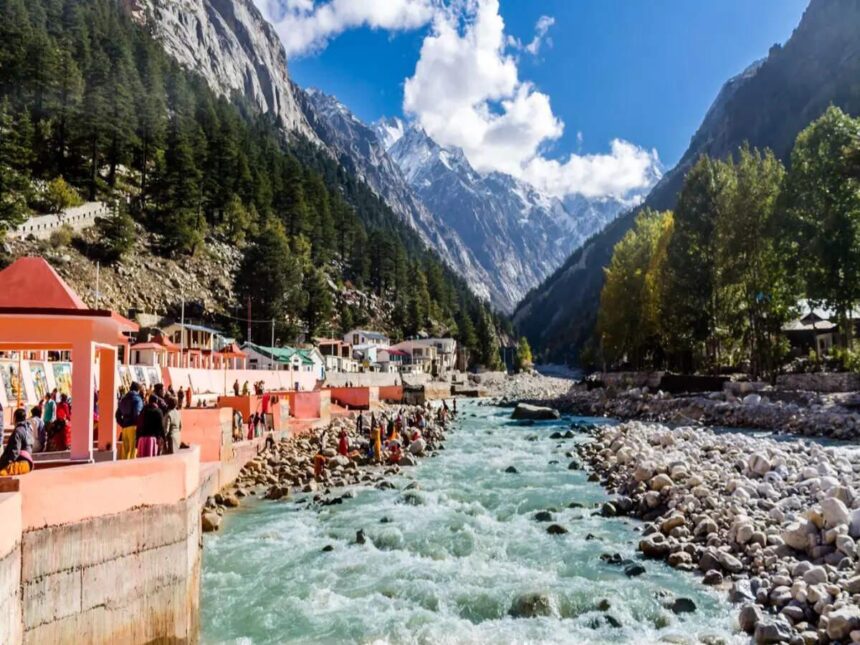
Nestled in the majestic Garhwal Himalayas of Uttarakhand, Gangotri Temple is one of the holiest pilgrimage sites in India and an important stop in the Char Dham Yatra. Dedicated to Goddess Ganga, the temple stands on the banks of the Bhagirathi River at an altitude of approximately 3,100 meters (10,200 feet).
Gangotri is not only a destination of deep spiritual significance but also a paradise for nature lovers, trekkers, photographers, and students who wish to experience the Himalayas while learning about India’s rich cultural and religious heritage.
According to Hindu tradition, the sacred River Ganga descended from heaven to Earth at this region after the intense penance of King Bhagiratha. Today, millions of pilgrims visit Gangotri each year to seek blessings, offer prayers, and witness the breathtaking beauty of the Himalayan landscape.
For students, Gangotri offers an affordable opportunity to combine adventure, spirituality, geography, environmental awareness, and history into one unforgettable journey.
History of Gangotri Temple
The story of Gangotri is deeply rooted in Hindu mythology. According to ancient scriptures, King Bhagiratha performed severe penance to bring the holy River Ganga from heaven to Earth so that the souls of his ancestors could attain liberation.
Because the force of Ganga’s descent would have been too powerful for Earth to bear, Lord Shiva received the river in his matted locks and gently released her as several streams. The Bhagirathi River, which flows past Gangotri, is therefore considered one of the primary headstreams of the Ganga.
The present Gangotri Temple was built in the early 19th century by Amar Singh Thapa and has since been renovated several times to preserve its structure and accommodate growing numbers of pilgrims.
Timeline of Gangotri Temple & Dham
| Period | Event |
|---|---|
| Ancient Era | Legends describe King Bhagiratha bringing Goddess Ganga to Earth. |
| Mythological Tradition | Lord Shiva receives the Ganga in his matted hair. |
| Early 19th Century | Present Gangotri Temple constructed by Amar Singh Thapa. |
| Modern Era | Roads and pilgrimage facilities expanded. |
| Present Day | One of the four sacred Char Dham pilgrimage sites. |
Why is Gangotri Dham Famous?
Gangotri Dham is renowned because:
- It is one of the four sacred Char Dham pilgrimage destinations.
- It is dedicated to Goddess Ganga.
- It is associated with the origin of the River Ganga in Hindu tradition.
- It is surrounded by spectacular Himalayan scenery.
- It serves as the gateway to the famous Gaumukh trek, where the Gangotri Glacier is located.
Architecture of Gangotri Temple
The temple features classic Himalayan temple architecture with:
- White granite construction.
- Elegant spire rising against the mountains.
- Peaceful riverside location.
- Beautiful prayer halls.
- Traditional carvings.
- A serene environment ideal for meditation.
Although relatively simple compared to some larger temples, its setting among towering peaks makes it one of India’s most visually striking pilgrimage sites.
Budget Travel Guide for Students
Gangotri is one of the most rewarding Himalayan destinations for students traveling on a budget.
Estimated Student Budget
| Expense | Approximate Cost |
|---|---|
| Train to Haridwar/Rishikesh | ₹300–₹1000 |
| Bus to Gangotri | ₹500–₹1200 |
| Shared Taxi | ₹600–₹1500 |
| Budget Guest House | ₹600–₹1200 |
| Meals | ₹250–₹500 |
| Local Travel | ₹100–₹300 |
| Temple Entry | Free |
| Total Budget | ₹3500–₹7000 |
Traveling in groups and using shared transport can significantly reduce expenses.
How to Reach Gangotri
By Air
The nearest airport is Jolly Grant Airport.
By Train
The nearest major railway stations are:
- Haridwar Junction
- Rishikesh Railway Station
From there, buses and shared taxis travel to Gangotri during the pilgrimage season.
By Road
Gangotri is connected by road from Haridwar, Rishikesh, Uttarkashi, and Dehradun. The mountain journey itself is scenic and memorable.
Best Time to Visit
Gangotri Temple is generally open from late April or May until around October or November, depending on weather conditions.
The best months to visit are:
- May to June
- September to October
The temple remains closed during winter because of heavy snowfall, and the deity is ceremonially moved to **Mukhba Village> for winter worship.
Student Travel Tips
- Carry warm clothing, even in summer.
- Wear sturdy trekking shoes.
- Stay hydrated at high altitude.
- Carry basic medicines.
- Start your road journey early to avoid mountain traffic.
- Respect local customs and environmental guidelines.
- Avoid plastic waste and help keep the Himalayas clean.
Estimated Travel Costs from Major Cities
| City | Budget Cost |
|---|---|
| Delhi | ₹4000–₹8000 |
| Dehradun | ₹2500–₹5000 |
| Chandigarh | ₹4000–₹7000 |
| Lucknow | ₹5000–₹9000 |
| Jaipur | ₹5000–₹9000 |
Interesting Facts About Gangotri Temple
- Gangotri is one of the four Char Dham pilgrimage sites.
- The temple is located at over 3,000 meters above sea level.
- The nearby Gaumukh Glacier is a major source of the Bhagirathi River.
- The River Ganga is worshipped as a goddess in Hinduism.
- The temple remains closed during winter because of heavy snowfall.
- Thousands of trekkers visit Gangotri each year as the starting point for Himalayan adventures.
Religious Significance
Gangotri represents:
- Purity.
- Faith.
- Forgiveness.
- Compassion.
- Spiritual cleansing.
- Devotion.
- Respect for nature and rivers.
Devotees believe that offering prayers at Gangotri and taking a holy dip in the Bhagirathi River (where safe and permitted) brings spiritual merit and inner peace.
Observance and Worship
Visitors commonly:
- Offer flowers and prayers to Goddess Ganga.
- Attend morning and evening aarti.
- Chant devotional hymns.
- Perform rituals for ancestors.
- Practice meditation by the riverside.
- Visit nearby sacred sites connected with the Ganga’s mythology.
Importance in Our Daily Life
Gangotri reminds us of valuable life lessons:
- Water is precious and should be conserved.
- Nature deserves respect and protection.
- Patience and perseverance lead to meaningful achievements.
- Gratitude strengthens emotional well-being.
- Spiritual reflection helps reduce stress.
These teachings encourage responsible living and environmental awareness.
Importance to Society
Gangotri contributes to society by:
- Preserving India’s religious traditions.
- Supporting eco-tourism and local livelihoods.
- Raising awareness about river conservation.
- Inspiring environmental responsibility.
- Promoting cultural unity through pilgrimage.
The temple also highlights the importance of protecting Himalayan ecosystems, which are vital for millions of people who depend on rivers originating in these mountains.
Important Points for Visitors
- Entry to the temple is free.
- Carry government-issued identification.
- Mobile connectivity may be limited in some areas.
- Weather can change rapidly in the mountains.
- Respect temple customs and local traditions.
- Avoid littering and follow eco-friendly practices.
- Acclimatize if you are sensitive to high altitudes.
Wishing Messages
- May Goddess Ganga bless your life with purity, peace, and endless happiness.
- May your Gangotri Yatra bring spiritual growth, good health, and prosperity.
- Wishing you a safe and memorable pilgrimage to the sacred Himalayas.
- May Maa Ganga wash away your worries and fill your heart with hope and positivity.
Frequently Asked Questions (FAQs)
1. Where is Gangotri Temple located?
It is located in Uttarkashi district, Uttarakhand, on the banks of the Bhagirathi River.
2. Is Gangotri part of the Char Dham Yatra?
Yes. Gangotri is one of the four sacred Char Dham pilgrimage destinations.
3. Is there an entry fee?
No. General entry to the temple is free.
4. When does the temple open?
The temple usually opens in late April or May and closes around October or November, depending on weather and traditional calendar dates.
5. Is Gangotri suitable for students?
Yes. It is affordable and offers valuable experiences in spirituality, geography, ecology, and Himalayan culture.
6. What should I pack?
Warm clothing, comfortable shoes, rain protection, personal medicines, and reusable water bottles are recommended.
7. Can I visit Gaumukh?
Yes, but trekking permits may be required, and visitors should check current regulations before planning the trek.
8. How much time should I spend in Gangotri?
A stay of 2–3 days allows enough time for temple visits, local exploration, and relaxation.
Review Section
⭐⭐⭐⭐⭐ Overall Rating: 4.9/5
| Category | Rating |
|---|---|
| Spiritual Experience | ⭐⭐⭐⭐⭐ |
| Scenic Beauty | ⭐⭐⭐⭐⭐ |
| Budget Friendliness | ⭐⭐⭐⭐☆ |
| Student Experience | ⭐⭐⭐⭐⭐ |
| Cleanliness | ⭐⭐⭐⭐⭐ |
| Adventure Opportunities | ⭐⭐⭐⭐⭐ |
Pros
- One of India’s holiest pilgrimage destinations.
- Stunning Himalayan landscapes.
- Affordable for students with proper planning.
- Rich blend of spirituality, mythology, and nature.
- Excellent starting point for trekking and eco-tourism.
Cons
- Limited travel season due to snowfall.
- Mountain roads may be affected by weather conditions.
- Basic accommodation compared to larger tourist cities.
- High altitude may require acclimatization for some travelers.
Nearby Attractions
During your Gangotri trip, you can also visit:
- Gaumukh
- Gangotri National Park
- Harsil
- Bhojbasa
- Surya Kund
Conclusion
Gangotri Temple and Dham are much more than a pilgrimage destination—they are a celebration of India’s spiritual traditions, natural beauty, and environmental heritage. Surrounded by the snow-clad Himalayas and the sacred Bhagirathi River, the temple offers visitors a unique opportunity to reconnect with nature, faith, and themselves.
For students, Gangotri is an ideal destination because it combines affordable travel with meaningful learning. The journey teaches lessons about history, mythology, geography, environmental conservation, and the importance of preserving rivers and mountain ecosystems.
Beyond its religious significance, Gangotri inspires values such as gratitude, perseverance, humility, and respect for nature—qualities that enrich daily life and strengthen communities. Whether you come as a devotee, traveler, photographer, or learner, the experience leaves a lasting impression.
Jai Maa Ganga! May Goddess Ganga bless you with purity, wisdom, good health, success, and a life filled with peace and compassion.