

🕊️ Introduction: Honoring the Souls We Never Forget
Grief doesn’t end. It transforms.
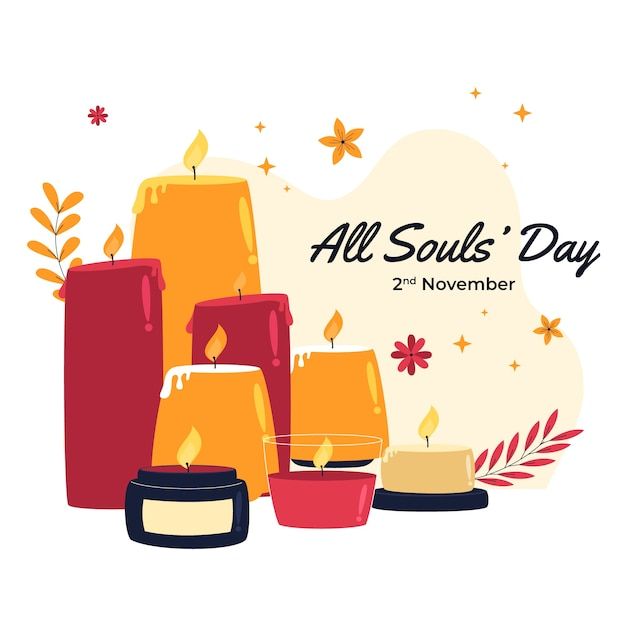
All Souls’ Day, observed every 2nd of November, is a sacred opportunity for people around the world—especially in Christian traditions—to remember and pray for the souls of the departed. Unlike Halloween or All Saints’ Day which precedes it, All Souls’ Day is a deeply personal, reflective, and emotionally resonant day.
- 🕊️ Introduction: Honoring the Souls We Never Forget
- 📜 History of All Souls’ Day
- 🗓️ Timeline of All Souls’ Day
- 🔍 10 Deep Facts About All Souls’ Day
- 🙋 Frequently Asked Questions (FAQs)
- 📌 What is the meaning of All Souls’ Day?
- 📌 Who celebrates All Souls’ Day?
- 📌 What’s the difference between All Saints’ Day and All Souls’ Day?
- 📌 How do people observe it?
- 📌 Is it connected to Halloween?
- 🌍 Global Observance of All Souls’ Day
- 🕯️ Religious and Spiritual Significance
- 💬 Wishing Messages for All Souls’ Day
- 🕊️ Personal & Daily Life Impact
- 🔑 Key Observance Points
- 🕯️ 7 Rituals to Meaningfully Observe All Souls’ Day
- 🧠 Important Lessons from All Souls’ Day
- 💭 Conclusion: A Day of Hope Cloaked in Mourning
It speaks to our shared humanity—the grief, remembrance, and love we hold for those who have left this world.
📜 History of All Souls’ Day
⛪ Origins in Early Christianity
All Souls’ Day was established in the 10th century by Saint Odilo of Cluny, a French abbot, who decreed that monks of his monastery should dedicate prayers on November 2nd for the souls in Purgatory—a transitional state where souls undergo purification before entering heaven.
It was officially adopted by the Catholic Church and spread throughout Europe during the Middle Ages, eventually becoming a widely observed tradition in Christianity.
🕯️ Connection with All Saints’ Day & Halloween
October 31 – Halloween (originally All Hallows’ Eve): people remembered the dead in a festive or fearful way.
November 1 – All Saints’ Day: honoring all known and unknown saints.
November 2 – All Souls’ Day: dedicated to all faithful departed souls, especially those in purgatory.
This sequence forms the “Triduum of Hallowtide”, uniting heaven, earth, and purgatory.
🗓️ Timeline of All Souls’ Day
| Year | Event |
|---|---|
| 998 AD | St. Odilo of Cluny establishes All Souls’ observance |
| 11th–14th Century | Practice spreads across Western Europe |
| 15th Century | Catholic Church makes it official |
| 16th Century | Reformation challenges Purgatory doctrine, but Catholics continue observance |
| 20th Century | Expanded globally, particularly in Latin America and Asia |
| Today | Celebrated with candles, flowers, Masses, and remembrance rituals |
🔍 10 Deep Facts About All Souls’ Day
It is NOT a public holiday in most countries but is widely celebrated in churches and homes.
In Catholic tradition, prayers help souls in purgatory attain salvation.
The concept of “Indulgences” (graces for the dead) is linked to All Souls’ Day observance.
Some cultures visit graves and cemeteries with flowers, candles, and offerings.
In Mexico, it overlaps with Día de los Muertos (Day of the Dead).
Black or purple are common liturgical colors associated with mourning.
Orthodox Christians celebrate a similar practice called Soul Saturdays.
The famous prayer for the dead: “Eternal rest grant unto them, O Lord…” is recited globally.
November is considered the month of remembrance in many Christian traditions.
Pope Benedict XVI called it a day of “profound hope, not despair.”
🙋 Frequently Asked Questions (FAQs)
📌 What is the meaning of All Souls’ Day?
All Souls’ Day is a day to remember, pray for, and honor the souls of the departed—especially those who have not yet reached heaven.
📌 Who celebrates All Souls’ Day?
Primarily Catholic Christians, but it’s also observed by Anglicans, Lutherans, Methodists, and some Eastern Orthodox communities.
📌 What’s the difference between All Saints’ Day and All Souls’ Day?
All Saints’ Day (Nov 1) celebrates those in heaven.
All Souls’ Day (Nov 2) prays for those in purgatory awaiting heaven.
📌 How do people observe it?
By attending Mass, lighting candles, offering prayers, visiting cemeteries, and remembering lost loved ones.
📌 Is it connected to Halloween?
Yes. Halloween (All Hallows’ Eve) precedes All Saints’ and All Souls’ Day and originates from similar traditions of honoring the dead.
🌍 Global Observance of All Souls’ Day
🇲🇽 Mexico
All Souls’ Day merges with Día de los Muertos, a colorful celebration of deceased family members, with altars, marigolds, sugar skulls, and food offerings.
🇵🇭 Philippines
Known as “Araw ng mga Patay”, families clean graves, light candles, pray, and spend the day at cemeteries with food and relatives.
🇪🇺 Europe
In countries like Poland, Italy, and France, people visit cemeteries, place lanterns and flowers, and offer silent prayers.
🇧🇷 Brazil
Masses are held in churches and cemeteries; it’s a public holiday in some states.
🕯️ Religious and Spiritual Significance
Spiritual Intercession: A chance to help souls reach peace through prayer and Mass.
Reminder of Mortality: Encourages self-reflection on life, death, and the afterlife.
Connection with Ancestors: Strengthens the spiritual bond with those we love and have lost.
Communal Grief: Offers a structured way for society to process loss and collectively mourn.
💬 Wishing Messages for All Souls’ Day
🌹 “May the souls of all the faithful departed, through the mercy of God, rest in peace.”
🕊️ “Remembering with love and prayers those who now rest in God’s eternal light.”
🖤 “Gone from our sight, but never from our hearts. Praying for peace and rest.”
🙏 “Let us light a candle for every soul we remember today.”
🕊️ Personal & Daily Life Impact
In Our Lives:
Offers a spiritual outlet to grieve and reconnect with lost loved ones.
Encourages reflection on mortality, life’s purpose, and relationships.
Helps ritualize remembrance, bringing comfort during grief.
In Society:
Creates collective mourning and healing rituals.
Supports mental health by encouraging open expressions of loss.
Fosters intergenerational connection—stories, prayers, memories passed down.
🔑 Key Observance Points
| Aspect | Details |
|---|---|
| Date | November 2 |
| Founder | St. Odilo of Cluny |
| Primary Faith | Catholic Christianity |
| Purpose | Prayers for souls in purgatory |
| Color Symbolism | Black, purple, and white |
| Activities | Masses, cemetery visits, candle lighting, prayers |
| Message | Hope, remembrance, and intercession for the departed |
🕯️ 7 Rituals to Meaningfully Observe All Souls’ Day
🕯️ Light candles for the deceased in your home or church.
🪦 Visit gravesites and clean them with care and reverence.
📖 Read Scriptures or spiritual texts that reflect on life and death.
🎼 Play music that connects you with memories of loved ones.
🍞 Offer food or bread in traditional observance (like Pan de Muerto).
🙏 Pray the Rosary or eternal rest prayers for the departed.
📝 Write letters or journal memories of lost loved ones.
🧠 Important Lessons from All Souls’ Day
Death is not the end. Love, memories, and prayers transcend.
Rituals matter. They offer structure, support, and comfort in grief.
We are connected. Through generations, across time, through prayer.
💭 Conclusion: A Day of Hope Cloaked in Mourning
All Souls’ Day is not a day of sadness alone—it is a day of hope, healing, and heartfelt remembrance. In remembering those who have left us, we honor their journey and continue the connection between the living and the departed.
Through prayer, reflection, and shared rituals, we make peace with mortality and find comfort in knowing that love never dies.
“Those we love never truly leave us. They live on in memory, spirit, and prayer.”






Everything is very open and very clear explanation of issues. was truly information. Your website is very useful. Thanks for sharing.