🌍 Powerful Reasons Why Global Disaster Preparedness Creates a Safer and Brighter Future
- Introduction: What Is Global Disaster Preparedness?
- What Is the Meaning of Global Disaster Preparedness?
- History of Global Disaster Preparedness
- Why Is Global Disaster Preparedness Important?
- 1. It saves human lives
- 2. It protects children and students
- 3. It reduces economic losses
- 4. It strengthens healthcare systems
- 5. It protects vulnerable communities
- 6. It supports climate resilience
- 7. It encourages international cooperation
- 8. It reduces fear and confusion
- 9. It protects livelihoods and food supplies
- 10. It builds a safer and more resilient future
- Types of Disasters That Require Preparedness
- Global Disaster Preparedness Timeline
- Important Facts About Global Disaster Preparedness
- How Is Global Disaster Preparedness Observed?
- How Can You Prepare for a Disaster in Daily Life?
- 1. Prepare an emergency kit
- 2. Create a family emergency plan
- 3. Learn local disaster risks
- 4. Follow official alerts
- 5. Practise emergency procedures
- 6. Help neighbours and vulnerable people
- The Role of Students and Young People
- The Importance of Global Disaster Preparedness to Society
- Review Section: Global Disaster Preparedness
- Frequently Asked Questions (FAQs)
- 1. What is global disaster preparedness?
- 2. Why is disaster preparedness important?
- 3. When is the International Day for Disaster Risk Reduction observed?
- 4. What is the Sendai Framework?
- 5. What should an emergency kit contain?
- 6. How can students contribute to disaster preparedness?
- 7. Can all disasters be prevented?
- 8. What is the role of technology in disaster preparedness?
- 9. How can families prepare for floods?
- 10. What is the difference between disaster preparedness and disaster response?
- 11. Why are vulnerable communities at greater risk?
- 12. What is the main goal of global disaster preparedness?
- Wishes and Messages for Global Disaster Preparedness
- Conclusion: Prepared Today, Safer Tomorrow
Introduction: What Is Global Disaster Preparedness?
Imagine waking up one morning to the sound of an emergency warning. Heavy rainfall has flooded nearby roads, a powerful earthquake has damaged buildings, or a cyclone is approaching your town. In such situations, knowing what to do can make a life-changing difference.
This is where Global Disaster Preparedness becomes essential. It refers to the planning, education, training, resources, and coordinated actions that help individuals, communities, governments, and countries prepare for disasters before they happen.
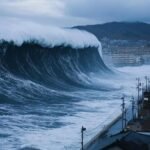
Disasters can be natural, such as earthquakes, floods, cyclones, droughts, tsunamis, and wildfires. They can also result from human activities, including industrial accidents, chemical leaks, and certain technological failures. Although we cannot prevent every hazard, we can reduce many of its harmful consequences through preparation, early warnings, resilient infrastructure, and public awareness.
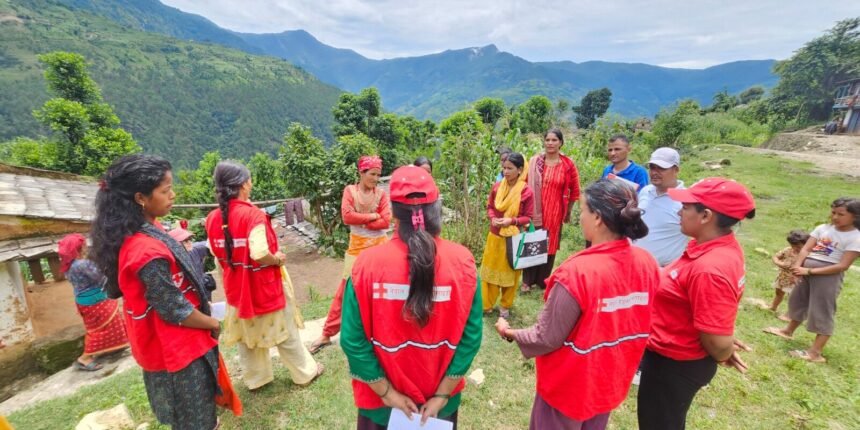
Disaster preparedness is not only the responsibility of governments or emergency workers. Students, teachers, parents, businesses, healthcare professionals, volunteers, and ordinary citizens all have important roles to play.
The central message is simple: preparation saves lives, protects livelihoods, and helps communities recover faster.
In a world facing climate-related risks, rapid urbanisation, and interconnected emergencies, global disaster preparedness is more important than ever.
What Is the Meaning of Global Disaster Preparedness?
Global disaster preparedness means taking organised steps to ensure that people and institutions can respond effectively when a disaster threatens or occurs.
It includes several important activities:
- Identifying hazards and understanding local risks.
- Developing emergency plans for homes, schools, hospitals, and workplaces.
- Establishing reliable early-warning systems.
- Training emergency responders and community volunteers.
- Preparing emergency food, drinking water, medicines, and communication equipment.
- Protecting vulnerable people, including children, older adults, people with disabilities, and those living in poverty.
- Coordinating national and international relief efforts.
- Planning for recovery, reconstruction, and future risk reduction.
Preparedness is one part of disaster risk management. It works alongside prevention, mitigation, emergency response, and recovery.
For example, building earthquake-resistant houses helps reduce damage, while practising evacuation drills prepares people to respond if an earthquake occurs. Both measures contribute to safer communities.
History of Global Disaster Preparedness
Human beings have faced disasters throughout history. Floods, droughts, earthquakes, epidemics, and storms have affected settlements for thousands of years. Early communities developed practical ways to survive, including storing food, building shelters, maintaining water supplies, and moving away from dangerous areas.
However, modern disaster preparedness gradually became more organised as countries recognised the need for scientific forecasting, emergency services, international cooperation, and planned risk reduction.
Important developments in disaster preparedness
Early civilisations: Communities developed flood-management systems, stored food during shortages, and constructed shelters suited to local environmental conditions.
19th and early 20th centuries: Advances in weather observation, communications, engineering, and public administration improved the ability to monitor hazards and organise emergency assistance.
1945 and beyond: The creation of the United Nations helped establish a wider framework for international cooperation on humanitarian assistance and development.
1970s–1980s: Disaster management gained greater international attention as major emergencies demonstrated the importance of coordinated planning, scientific research, and humanitarian support.
1989: The United Nations General Assembly designated the 1990s as the International Decade for Natural Disaster Reduction, encouraging countries to reduce the impact of natural hazards.
1994: The Yokohama Strategy and Plan of Action emphasised disaster prevention, preparedness, risk assessment, and community participation.
2005: The Hyogo Framework for Action (2005–2015) established international priorities for reducing disaster losses and strengthening resilience.
2015: The Sendai Framework for Disaster Risk Reduction (2015–2030) was adopted at the Third UN World Conference on Disaster Risk Reduction in Sendai, Japan. It set global priorities for understanding disaster risk, strengthening governance, investing in resilience, and improving preparedness and recovery.
Today, disaster preparedness combines traditional community knowledge with satellite monitoring, mobile alerts, weather forecasting, emergency mapping, scientific modelling, and international cooperation.
Why Is Global Disaster Preparedness Important?
Disasters can cause deaths, injuries, homelessness, financial losses, educational disruption, and damage to essential infrastructure. Their effects often continue long after the immediate emergency has ended.
Preparedness helps reduce these consequences.
1. It saves human lives
The most important purpose of disaster preparedness is protecting people. Early warnings, evacuation plans, emergency shelters, and first-aid training can help people move away from danger and obtain assistance quickly.
2. It protects children and students
Schools can prepare students through safety education, evacuation drills, emergency contact systems, and secure buildings. When children understand basic safety procedures, they are better equipped to respond calmly during emergencies.
3. It reduces economic losses
Disasters can destroy homes, shops, farms, factories, roads, and public infrastructure. Preparedness, insurance planning, business continuity arrangements, and resilient construction can reduce financial damage and speed up recovery.
4. It strengthens healthcare systems
Hospitals and healthcare facilities need emergency power, medical supplies, trained staff, communication systems, and plans for handling a sudden increase in patients. Preparedness helps maintain essential services during crises.
5. It protects vulnerable communities
People living in flood-prone settlements, remote villages, informal housing, or areas with limited services may face greater risks. Inclusive planning helps ensure that warnings, evacuation support, shelters, and relief supplies reach those who need them most.
6. It supports climate resilience
Climate change is increasing the frequency or intensity of some weather-related hazards in many regions, although trends vary by hazard and location. Preparedness, climate adaptation, ecosystem protection, and better planning help communities manage these risks.
7. It encourages international cooperation
Disasters do not always respect national borders. Cyclones, floods, wildfires, disease outbreaks, and industrial emergencies may require cooperation among neighbouring countries and international organisations.
8. It reduces fear and confusion
People who have practised emergency procedures are more likely to understand their next steps. Preparedness cannot eliminate fear, but it can reduce confusion and help people make safer decisions under pressure.
9. It protects livelihoods and food supplies
Farmers, small businesses, transport workers, and daily-wage earners can lose income when disasters interrupt normal life. Early planning, secure storage, backup systems, and recovery support can help protect livelihoods.
10. It builds a safer and more resilient future
Preparedness encourages societies to learn from past emergencies, improve public infrastructure, invest in education, and make decisions that reduce future risks.
These ten reasons show why disaster preparedness should be treated as a continuing public priority rather than an activity that begins only after a catastrophe.
Types of Disasters That Require Preparedness
Different hazards require different safety measures. A useful preparedness plan considers the risks most relevant to a particular location.
Earthquakes: Secure heavy furniture, identify safe places, practise “Drop, Cover, and Hold On,” and learn how to shut off utilities when appropriate.
Floods: Monitor official warnings, avoid walking or driving through floodwater, prepare evacuation routes, and move important documents to a safer location.
Cyclones and hurricanes: Follow weather alerts, secure loose outdoor objects when safe, identify shelters, and evacuate when authorities instruct you to do so.
Tsunamis: In coastal areas, learn evacuation routes and move to higher ground or inland immediately after strong or prolonged earthquake shaking or an official tsunami warning.
Droughts and heatwaves: Conserve water, follow heat-health advice, check on vulnerable people, and plan for disruptions to agriculture and drinking-water supplies.
Wildfires: Maintain defensible space where appropriate, follow evacuation orders, and prepare for smoke exposure and possible power interruptions.
Industrial and technological emergencies: Understand local alert procedures, follow official shelter-in-place or evacuation instructions, and avoid entering contaminated areas.
Public-health emergencies: Maintain basic hygiene, follow reliable health guidance, and ensure that essential medicines and care arrangements are available.
No single plan works for every disaster. Local geography, climate, infrastructure, and community needs must shape preparedness activities.
Global Disaster Preparedness Timeline
The development of disaster preparedness reflects the growing understanding that reducing risk requires planning before emergencies happen.
| Year | Important event |
|---|---|
| 1989 | The UN General Assembly established the foundation for an international observance promoting disaster-risk awareness. |
| 1990–1999 | The International Decade for Natural Disaster Reduction encouraged international cooperation. |
| 1994 | The Yokohama Strategy strengthened global attention to disaster prevention and preparedness. |
| 2005 | The Hyogo Framework for Action was adopted for 2005–2015. |
| 2009 | The UN designated 13 October as the annual date for the International Day for Disaster Reduction. |
| 2015 | The Sendai Framework for Disaster Risk Reduction was adopted for 2015–2030. |
| 2020–2030 | The Sendai Framework and other global initiatives continue to guide risk reduction, resilience, and preparedness efforts. |
These milestones demonstrate how disaster management has evolved from emergency relief toward a broader approach that includes prevention, risk assessment, preparedness, and resilient recovery. https://www.undrr.org/our-work/history
Important Facts About Global Disaster Preparedness
Here are some important facts that help explain its global significance.
- Preparedness is a shared responsibility: Governments, communities, businesses, schools, and individuals all contribute to disaster safety.
- Early warnings matter: A warning is most useful when it reaches people in time, is understandable, and tells them what action to take.
- Local knowledge is valuable: Residents often understand local flood patterns, evacuation difficulties, and community needs.
- Technology improves preparedness: Weather forecasting, satellites, geographical information systems, and mobile alerts can support risk monitoring and emergency planning.
- Vulnerable people need additional support: Emergency plans must consider accessibility, medical needs, language barriers, and transportation.
- Disaster risk is not equally distributed: Poverty, unsafe housing, limited infrastructure, and unequal access to information can increase exposure to harm.
- Recovery should reduce future risks: Rebuilding after a disaster provides an opportunity to improve safety rather than reproduce the same vulnerabilities.
- Preparedness requires regular practice: Emergency supplies expire, phone numbers change, and evacuation routes may become unavailable. Plans must be reviewed regularly.
The international Sendai Framework identifies four priorities: understanding disaster risk, strengthening risk governance, investing in resilience, and improving preparedness for effective response and recovery. https://www.undrr.org/publication/sendai-framework-disaster-risk-reduction-2015-2030
How Is Global Disaster Preparedness Observed?
There is no single universal holiday called Global Disaster Preparedness Day. However, disaster preparedness is promoted through international campaigns, national safety programmes, school activities, emergency drills, and community education.
One important annual observance is the International Day for Disaster Risk Reduction, held on 13 October.
Established through a United Nations initiative in 1989, the observance raises awareness about reducing disaster risks and recognising the work of communities that are becoming more resilient. https://www.un.org/en/observances/disaster-reduction-day
Common activities include:
- Organising school and workplace evacuation drills.
- Conducting first-aid and emergency-response training.
- Sharing reliable disaster-safety information on social media.
- Checking emergency shelters and evacuation routes.
- Teaching families how to prepare emergency kits.
- Conducting community meetings about local hazards.
- Promoting safer construction and responsible land-use planning.
- Recognising volunteers and emergency-response professionals.
For students, this observance is an opportunity to learn practical safety skills. For governments, it is a reminder to invest in early-warning systems and resilient public infrastructure. For families, it is a useful time to review emergency contacts and household plans.
How Can You Prepare for a Disaster in Daily Life?
Preparedness does not always require expensive equipment or complicated arrangements. A few practical steps can make a meaningful difference.
1. Prepare an emergency kit
Keep essential supplies in an accessible location. Depending on your household’s needs and local risks, include:
- Drinking water and non-perishable food.
- A first-aid kit and necessary medicines.
- A torch or flashlight with spare batteries.
- A battery-powered or hand-crank radio, where available.
- A power bank and charging cables.
- Copies of important documents in a waterproof pouch.
- Hygiene products, masks where appropriate, and basic sanitation supplies.
- Emergency contact details and some cash.
- Essential items for infants, older adults, and people with disabilities.
The amount of food, water, and medication you need depends on your household size, climate, medical requirements, and the possibility of supply interruptions. Follow your local emergency authority’s recommendations.
2. Create a family emergency plan
Every family should know where to go, whom to contact, and what to do if members become separated.
Choose a meeting point, identify alternative routes, and agree on an out-of-area contact if local phone networks become disrupted. Make sure children understand the plan in age-appropriate language.
3. Learn local disaster risks
A family living in a coastal area may need a tsunami or cyclone evacuation plan. A family living near a river may need flood warnings and a safe route to higher ground.
Check official information from local authorities and identify nearby emergency shelters, hospitals, and evacuation routes.
4. Follow official alerts
Use trusted government weather services, disaster-management agencies, and local emergency announcements. Do not rely on unverified social media posts during a crisis.
If authorities issue an evacuation order, follow it promptly. Do not return to a dangerous area until officials say it is safe.
5. Practise emergency procedures
Practise evacuation routes and learn basic first aid from a qualified training provider. Schools and workplaces should conduct appropriate drills and review what went well and what needs improvement.
6. Help neighbours and vulnerable people
Check whether older neighbours, people with disabilities, or families without reliable transportation may need assistance. Make arrangements in advance rather than waiting until a disaster begins.
Never put yourself in danger while trying to rescue someone. Contact trained emergency responders when necessary.
The Role of Students and Young People
Students are important contributors to disaster preparedness because they can learn safety skills, share reliable information, and encourage their families to take precautions.
Schools and colleges can organise disaster-awareness clubs, poster competitions, mock drills, first-aid workshops, and projects on climate resilience.
Young people can also help by identifying unsafe areas around their schools, learning how emergency alerts work, avoiding rumours during emergencies, and volunteering through recognised organisations.
However, students should not be expected to undertake dangerous rescue operations. Their role is to learn, prepare, communicate responsibly, and follow trained adults and official emergency instructions.
The Importance of Global Disaster Preparedness to Society
A prepared society is better positioned to protect essential services and reduce the long-term consequences of emergencies.
Hospitals need contingency plans to continue treating patients. Schools need safe buildings and procedures for protecting children. Businesses need backup systems to maintain essential operations. Farmers need information about droughts, floods, and changing weather conditions. Governments need reliable risk assessments and effective coordination.
Preparedness also promotes social equality. Emergency warnings and relief services must reach remote communities, low-income households, and people who face language or accessibility barriers.
International cooperation is equally important because countries differ in their financial resources, technical capabilities, and exposure to hazards. Sharing scientific knowledge, technology, training, and humanitarian support can help strengthen global resilience.
The ultimate objective is not simply to respond to disasters more quickly. It is to reduce the conditions that make disasters so destructive in the first place.
Review Section: Global Disaster Preparedness
Overall review: Global disaster preparedness is an essential subject for students, families, communities, and policymakers. It connects environmental awareness, science, public safety, healthcare, education, and sustainable development.
Educational value: High. It helps readers understand disaster risks and practical prevention measures.
Practical usefulness: High. Emergency kits, family communication plans, official alerts, and evacuation drills can be applied in everyday life.
Social significance: Very high. Effective preparedness can help protect lives, reduce economic losses, and improve support for vulnerable communities.
Scope for improvement: Preparedness programmes need sustained funding, regular training, reliable warnings, accessible shelters, and better coordination between authorities and communities.
Final review: Global disaster preparedness should be treated as a continuous responsibility, not a one-day activity. Its success depends on turning awareness into practical action.
Frequently Asked Questions (FAQs)
1. What is global disaster preparedness?
Global disaster preparedness is the process of planning, training, organising resources, and coordinating actions to reduce the effects of disasters and improve emergency response and recovery.
2. Why is disaster preparedness important?
It helps protect lives, reduce injuries, limit damage to property, maintain essential services, and support faster recovery after emergencies.
3. When is the International Day for Disaster Risk Reduction observed?
It is observed every year on 13 October. The day promotes disaster-risk awareness and efforts to build resilient communities.
4. What is the Sendai Framework?
The Sendai Framework for Disaster Risk Reduction 2015–2030 is an international agreement adopted in March 2015. It provides guidance for reducing disaster risks and losses through four priorities for action.
5. What should an emergency kit contain?
An emergency kit should contain water, non-perishable food, a torch, first-aid supplies, necessary medicines, communication equipment, important documents, and other items suited to household needs and local hazards.
6. How can students contribute to disaster preparedness?
Students can participate in safety drills, learn first aid, study local hazards, share verified information, prepare family emergency plans, and participate in supervised awareness programmes.
7. Can all disasters be prevented?
No. Many natural hazards cannot be prevented. However, preparedness, safer construction, early warnings, risk-informed planning, and effective response can reduce their harmful consequences.
8. What is the role of technology in disaster preparedness?
Technology supports weather forecasting, hazard mapping, emergency communications, satellite monitoring, evacuation planning, and the distribution of warnings.
9. How can families prepare for floods?
Families should monitor official alerts, identify evacuation routes, protect important documents, prepare essential supplies, avoid floodwater, and move to safer ground when instructed.
10. What is the difference between disaster preparedness and disaster response?
Preparedness involves actions taken in advance, such as training, planning, and gathering supplies. Response refers to actions taken during and immediately after a disaster, including rescue, emergency medical care, evacuation, and relief distribution.
11. Why are vulnerable communities at greater risk?
Unsafe housing, limited access to healthcare, poverty, inaccessible warnings, and inadequate infrastructure can increase the impact of disasters on vulnerable populations.
12. What is the main goal of global disaster preparedness?
Its main goal is to reduce disaster-related deaths, injuries, disruption, and economic losses while building safer, stronger, and more resilient communities.
Wishes and Messages for Global Disaster Preparedness
You can share these messages during disaster-awareness campaigns, school events, and social media activities.
- 🌍 May every community become safer, stronger, and better prepared for disasters.
- ❤️ Let us protect lives through awareness, compassion, cooperation, and timely action.
- 🛡️ A prepared family is a stronger family. Learn the risks, make a plan, and stay informed.
- 🌱 May our efforts today create a safer and more resilient world for future generations.
- 🤝 Let us support vulnerable people and ensure that no community is left behind during emergencies.
- 📢 Awareness is the first step towards action. Prepare today for a safer tomorrow.
- 🏫 Let every school become a place where children learn not only academic subjects but also essential life-saving skills.
Suggested social media caption:
“Disasters may be unpredictable, but our preparedness should never be left to chance. Let us learn, plan, practise, and work together to protect lives and build a safer world. 🌍🛡️ #DisasterPreparedness #DisasterRiskReduction #CommunityResilience #Minorstudy”
Conclusion: Prepared Today, Safer Tomorrow
Global Disaster Preparedness is much more than an emergency plan. It is a commitment to protecting human life, strengthening communities, supporting vulnerable people, and creating a safer future.
History shows that disaster management has developed through international cooperation, scientific progress, community experience, and lessons learned from past emergencies. Frameworks such as the Sendai Framework encourage countries to understand risks, invest in resilience, improve preparedness, and rebuild more safely after disasters.
Yet international agreements alone are not enough. Families must prepare emergency kits, schools must practise safety procedures, communities must understand local hazards, and governments must invest in reliable warnings and resilient infrastructure.
The most meaningful change begins with small actions: learning an evacuation route, checking an emergency contact, securing a heavy cupboard, understanding a weather warning, or helping a neighbour prepare.
We may not be able to control every disaster, but we can improve how we anticipate, withstand, and recover from emergencies.
Remember: Preparedness is not about living in fear. It is about living responsibly, protecting one another, and building hope through action. A safer world begins with a prepared community.