World Tsunami Awareness Day 2026: History, Facts, Significance, Timeline, Wishes and Safety Tips
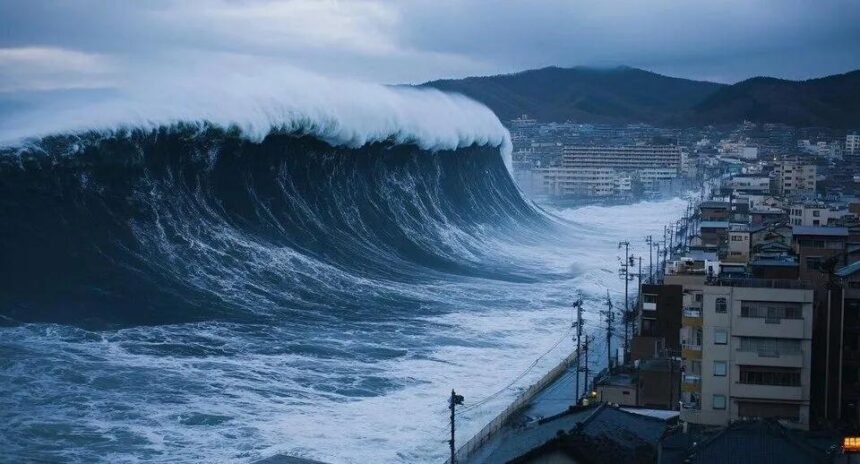
Every year, nature reminds us of its extraordinary power. Earthquakes, floods, cyclones and tsunamis can change the lives of thousands of people within minutes. Among these natural hazards, a tsunami is particularly dangerous because enormous waves can travel across the ocean and strike coastal communities with devastating force.
- What Is World Tsunami Awareness Day?
- When Is World Tsunami Awareness Day Celebrated?
- November 5, 2026
- History of World Tsunami Awareness Day
- The story of Inamura-no-hi
- The Indian Ocean tsunami of 2004
- The establishment of the international observance
- Timeline of World Tsunami Awareness Day
- What Is a Tsunami?
- 11 Powerful Reasons Why World Tsunami Awareness Day Matters
- 1. It helps save human lives
- 2. It teaches people to recognize natural warning signs
- 3. It encourages early-warning technology
- 4. It protects coastal communities
- 5. It makes students more disaster-aware
- 6. It promotes international cooperation
- 7. It supports vulnerable people
- 8. It reduces economic losses
- 9. It encourages responsible tourism
- 10. It encourages environmental protection
- 11. It inspires hope and collective responsibility
- Important facts about World Tsunami Awareness Day
- How is World Tsunami Awareness Day observed?
- 1. Schools and colleges
- 2. Government agencies and disaster-management organizations
- 3. Social media awareness campaigns
- 4. Coastal communities and tourism businesses
- 5. Families and individuals
- Tsunami safety tips everyone should know
- Why is World Tsunami Awareness Day important in our daily lives?
- Significance of World Tsunami Awareness Day for society
- World Tsunami Awareness Day wishes, quotes and messages
- Review section: World Tsunami Awareness Day
- Frequently asked questions (FAQs)
- 1. When is World Tsunami Awareness Day celebrated?
- 2. Why is World Tsunami Awareness Day celebrated?
- 3. Who established World Tsunami Awareness Day?
- 4. What is the theme of World Tsunami Awareness Day 2026?
- 5. What causes a tsunami?
- 6. Can tsunamis be predicted?
- 7. What should you do if a tsunami warning is issued?
- 8. Why is November 5 important?
- 9. How can students participate in this day?
- 10. Does India have a tsunami-warning system?
- 11. What is the main message of World Tsunami Awareness Day?
- Important points to remember
- Conclusion: Awareness today can save lives tomorrow
- References and further reading
However, there is also a powerful message of hope: awareness, preparation, early warnings and quick action can save lives.
World Tsunami Awareness Day is observed every year on November 5 to educate people about tsunami risks and encourage communities to prepare for disasters. The day reminds us that disaster management is not only the responsibility of governments or scientists. Students, teachers, parents, tourists, fishermen and ordinary citizens all have a role to play.
In 2026, World Tsunami Awareness Day falls on Thursday, November 5. The official campaign highlights the message “Be Tsunami Ready: Resilience starts with you,” encouraging people to recognize warning signs, understand evacuation routes and build safer communities.
Let us explore the history, significance, timeline, important facts, observance, safety measures, wishes and everyday lessons associated with this important international day.
What Is World Tsunami Awareness Day?
World Tsunami Awareness Day is an international observance established by the United Nations to promote tsunami awareness and disaster preparedness.
The United Nations General Assembly designated November 5 as World Tsunami Awareness Day in December 2015. The first official observance took place in 2016. The United Nations Office for Disaster Risk Reduction (UNDRR) works with the wider UN system to promote the day.
The main objectives are to:
Educate people about tsunami risks and warning signs.
Encourage communities to prepare evacuation plans.
Promote effective early-warning systems.
Support disaster-resilient coastal communities.
Improve cooperation between countries and scientific organizations.
Protect children, older people, persons with disabilities and other vulnerable groups.
Reduce deaths, injuries and economic losses caused by tsunamis.
This observance is not simply about remembering past disasters. It is about turning lessons from those tragedies into practical actions that protect future generations.
When Is World Tsunami Awareness Day Celebrated?
November 5, 2026
Thursday · Annual international observance
Theme: Be Tsunami Ready: Resilience starts with you.
Campaign hashtag: #GetToHighGround
The date was selected in connection with a Japanese story from 1854 that illustrates how one person’s awareness and quick thinking helped save an entire community.
History of World Tsunami Awareness Day
The history of this day is closely connected with Japan’s experience of tsunamis and the global need for better disaster preparedness.
The story of Inamura-no-hi
The expression Inamura-no-hi means “the burning of the rice sheaves.” It refers to a traditional Japanese account associated with the tsunami of November 5, 1854.
According to the story, a farmer named Hamaguchi Goryō noticed unusual conditions following a strong earthquake. Recognizing the danger, he set fire to harvested rice sheaves to alert villagers. People moved toward higher ground to respond to the apparent emergency, and the warning helped protect them from the approaching tsunami.
The story became an enduring lesson in observation, courage and community safety. It demonstrates that understanding natural warning signs and acting immediately can make a life-saving difference.
The Indian Ocean tsunami of 2004
On December 26, 2004, a massive undersea earthquake near Sumatra triggered a devastating tsunami across the Indian Ocean. Coastal areas in Indonesia, Sri Lanka, India, Thailand and several other countries suffered enormous loss of life and property.
The disaster exposed serious gaps in regional tsunami-warning systems and public preparedness. It strengthened international efforts to improve monitoring, communication, evacuation planning and disaster education.
The tragedy also reminded the world that tsunamis do not respect national borders. Effective protection requires countries to share information and cooperate across regions.
The establishment of the international observance
In December 2015, the United Nations General Assembly formally designated November 5 as World Tsunami Awareness Day. The first observance was held on November 5, 2016, with an emphasis on education and evacuation drills.
Today, the observance promotes scientific knowledge, community participation, early-warning technology and long-term resilience.
Timeline of World Tsunami Awareness Day
| Year | Important event |
|---|---|
| 1854 | The Japanese Inamura-no-hi story becomes associated with tsunami warning and community protection. |
| 2004 | The Indian Ocean tsunami causes catastrophic loss of life and highlights the need for improved warning systems. |
| 2005 | International disaster-risk discussions accelerate following the Indian Ocean disaster. |
| 2015 | The UN General Assembly designates November 5 as World Tsunami Awareness Day. |
| 2016 | The first official World Tsunami Awareness Day is observed. |
| 2022 | UNDRR launches the #GetToHighGround campaign to promote tsunami preparedness. |
| 2024 | UNESCO launches Tsunami United, connecting young people with tsunami preparedness and resilience initiatives. |
| 2026 | The campaign emphasizes personal responsibility and community readiness under “Be Tsunami Ready: Resilience starts with you.” |
United Nations+2
What Is a Tsunami?
A tsunami is a series of ocean waves caused by the sudden displacement of a large volume of water. The most common cause is an underwater earthquake, particularly one that moves the seabed vertically. Underwater landslides, volcanic eruptions and, very rarely, large impacts from space can also generate tsunamis.
Unlike ordinary wind-driven waves, tsunamis can carry energy through the entire water column. In deep water, they may travel very quickly while remaining relatively low in height. As they approach shallow coastal areas, they slow down and may grow dramatically in height and destructive force.
A tsunami is not necessarily one giant wave. It is usually a series of waves, and later waves may be larger than the first. Dangerous currents and flooding can continue long after the initial arrival.
This is why people should never return to the shoreline simply because the sea appears calm after the first wave.
11 Powerful Reasons Why World Tsunami Awareness Day Matters
1. It helps save human lives
The most important purpose of tsunami awareness is to prevent avoidable deaths. When people recognize natural warning signs and know where to go, they can act faster.
A few seconds of hesitation may matter in a rapidly developing emergency. Learning the correct response before a disaster happens can make the difference between safety and danger.
2. It teaches people to recognize natural warning signs
Tsunami warning signs can include:
Strong or prolonged ground shaking near the coast.
An unusual and sudden rise or fall in sea level.
A loud roaring sound coming from the ocean.
An official tsunami alert or evacuation order.
Natural warning signs should never be ignored while waiting for a phone alert or confirmation from another person. If you experience strong shaking near the coast, move immediately to higher ground or inland, following local guidance.
3. It encourages early-warning technology
Modern tsunami-monitoring systems use seismic instruments, sea-level gauges, ocean buoys and communication networks to detect potential threats and distribute alerts.
However, technology alone cannot guarantee safety. Warnings must reach people quickly, use understandable language and provide clear instructions.
4. It protects coastal communities
Many coastal communities depend on fishing, tourism, shipping and local businesses. A tsunami can destroy homes, schools, roads, ports and livelihoods.
Preparedness planning helps communities identify high-risk areas, develop evacuation routes and reduce exposure to future disasters.
5. It makes students more disaster-aware
Students can play an important role by learning about earthquakes, oceans, emergency communication and evacuation procedures.
Schools can organize safety discussions, map-reading activities, mock drills and science projects. Children who understand disaster risks can also share accurate information with their families.
6. It promotes international cooperation
Tsunamis can cross oceans and affect multiple countries. Monitoring data, scientific research, warning systems and emergency procedures therefore require international cooperation.
Sharing reliable information improves preparedness and helps countries coordinate responses when a tsunami threatens a region.
7. It supports vulnerable people
Children, older people, persons with disabilities, tourists and people unfamiliar with local languages may face additional difficulties during an emergency.
Accessible warnings, visible signs, trained support teams and inclusive evacuation plans help ensure that no one is left behind.
8. It reduces economic losses
Tsunamis can damage infrastructure, interrupt tourism, destroy fishing equipment and disrupt trade. Preparedness and resilient construction can help reduce losses and support recovery.
Investing in prevention may seem expensive before a disaster occurs, but rebuilding destroyed communities is often far more costly.
9. It encourages responsible tourism
Tourists visiting beaches and islands should learn local evacuation routes, warning signs and emergency procedures.
Hotels, resorts, tour operators and coastal attractions should provide understandable safety instructions. Enjoying the ocean responsibly means respecting its power as well as its beauty.
10. It encourages environmental protection
Healthy coastal ecosystems, including mangroves, coral reefs and coastal vegetation, can provide valuable protection against some coastal hazards and erosion. Their effectiveness varies with the location and the type and strength of the hazard.
These ecosystems are not substitutes for tsunami-warning systems, evacuation routes or safe land-use planning. Nevertheless, protecting coastal environments can contribute to broader community resilience.
11. It inspires hope and collective responsibility
A disaster may be beyond human control, but many aspects of preparedness are within our control.
Learning, planning, helping neighbours and sharing verified information can strengthen a community. World Tsunami Awareness Day reminds us that hope is most powerful when it becomes action.
Important facts about World Tsunami Awareness Day
Fact 1: Tsunamis can affect distant coastlines.
A tsunami generated by a powerful underwater earthquake may travel across an entire ocean and threaten communities far from its source.
Fact 2: Warning systems depend on science and communication.
Seismic monitoring, sea-level measurements and effective alert networks help authorities assess threats and inform the public.
Fact 3: Knowing the route matters.
People who know where to evacuate do not have to waste precious time deciding where to go during an emergency.
Fact 4: Practice builds confidence.
Regular, well-organized evacuation drills help students and communities understand emergency procedures.
More important facts:
The word tsunami comes from Japanese words meaning “harbour” and “wave.”
Not every underwater earthquake generates a tsunami.
The first tsunami wave is not always the largest.
Tsunami currents and flooding can remain dangerous for hours.
Tsunami risk reduction requires education, scientific monitoring, effective communication and practical evacuation planning.
The Indian Ocean tsunami of 2004 remains one of the deadliest tsunami disasters in recorded history.
- The UN’s #GetToHighGround campaign encourages people to learn evacuation routes and take part in preparedness activities.
How is World Tsunami Awareness Day observed?
World Tsunami Awareness Day is observed through educational, scientific and community activities. The aim is to turn knowledge into practical preparation.
1. Schools and colleges
Educational institutions can organize:
Poster-making and essay-writing competitions.
Science presentations about earthquakes and tsunamis.
Disaster-management workshops.
Emergency evacuation drills.
Classroom discussions about natural warning signs.
Teachers should explain the difference between tsunami risks and everyday ocean waves, using reliable educational resources.
2. Government agencies and disaster-management organizations
Authorities can review warning systems, inspect evacuation signs, update hazard maps and conduct community training.
Local disaster-management teams can work with schools, coastal residents and emergency services to improve preparedness.
3. Social media awareness campaigns
People can share verified safety information, educational graphics and official emergency guidance using hashtags such as #TsunamiDay and #GetToHighGround.
The goal should be to spread practical knowledge rather than sensational videos or unverified disaster predictions.
4. Coastal communities and tourism businesses
Fishermen, hotel staff, lifeguards, guides and local business owners can review emergency procedures and ensure that visitors know where to evacuate.
5. Families and individuals
Families can discuss what to do if an earthquake or tsunami warning occurs, identify safe destinations and prepare an emergency kit.
These simple steps make preparedness a shared responsibility rather than a once-a-year activity.
Tsunami safety tips everyone should know
Awareness becomes meaningful when people know how to respond. The following safety guidance is particularly important for coastal residents and travellers.
Before a tsunami
Learn local evacuation routes, identify high ground, understand official alerts, prepare essential supplies and make a family communication plan.
During a tsunami threat
If you experience strong or prolonged earthquake shaking near the coast, notice a sudden unusual sea-level change, hear a loud ocean roar or receive an official warning, move immediately to high ground or inland. Follow evacuation instructions and do not wait to watch the waves.
After a tsunami
Remain in a safe location until authorities confirm it is safe to return. Avoid floodwater, damaged buildings, fallen power lines and debris. Use official updates for information and assistance.
Remember: Never go to the beach to watch a tsunami. Do not return after the first wave, because additional waves may arrive and dangerous currents may continue.
If an official warning is issued, follow local emergency instructions. In some locations, designated vertical evacuation structures may be necessary when higher ground is not reachable in time.
Why is World Tsunami Awareness Day important in our daily lives?
Some people may believe that tsunami awareness matters only to those living near the sea. In reality, this international observance teaches life skills that are useful during many emergencies.
For students
Students learn how to identify risks, evaluate information and respond calmly to emergencies. These lessons encourage scientific thinking, personal responsibility and leadership.
For parents and families
Families can use the day to discuss emergency contacts, meeting points, essential medicines, drinking water and ways to support children or older relatives.
For travellers
Anyone visiting a coastal destination should read local safety notices and learn evacuation routes. A holiday becomes safer when visitors understand the environment they are exploring.
For society
Communities benefit when people share accurate information, support neighbours and participate in preparedness activities. Disaster awareness builds trust and cooperation.
For our future
Investing in warning systems, resilient infrastructure, education and scientific research helps communities prepare for changing risks.
The lesson is simple: we cannot prevent every natural hazard, but we can reduce the danger it poses to people.
Significance of World Tsunami Awareness Day for society
World Tsunami Awareness Day supports a culture in which safety is treated as a shared public responsibility.
Its social significance extends beyond coastal protection. It encourages governments to invest in disaster preparedness, schools to teach practical safety, businesses to plan for emergencies and communities to protect people who may need additional assistance.
It also highlights the importance of accurate public information. False warnings, rumours and delayed action can create confusion during a crisis. Clear communication and trusted warning systems help people make better decisions.
For countries bordering the Indian Ocean, including India, tsunami preparedness is particularly relevant to coastal planning, scientific monitoring and public education. The Indian National Centre for Ocean Information Services (INCOIS) provides tsunami-related information and warning services for India through its official systems.
Although inland communities are generally less directly exposed to ocean tsunamis, students and families everywhere can learn valuable lessons about emergency planning and disaster resilience.
World Tsunami Awareness Day wishes, quotes and messages
Use these original messages for school activities, awareness posters, social media posts or Minorstudy readers.
1. World Tsunami Awareness Day wish
“On World Tsunami Awareness Day, let us spread knowledge, encourage preparedness and work together to protect every precious life.”
2. Inspirational message
“Awareness gives us knowledge, preparation gives us confidence, and collective action gives our communities hope.”
3. Message for students
“Dear students, learn the warning signs, understand evacuation routes and share reliable safety information. Your knowledge can help save lives.”
4. Short social media caption
“Be aware. Be prepared. Reach higher ground. Every second matters when safety is at stake. #WorldTsunamiAwarenessDay #GetToHighGround”
Review section: World Tsunami Awareness Day
Overall review: World Tsunami Awareness Day is a meaningful international observance because it combines scientific understanding with practical lessons that can protect lives.
Its strongest feature is its focus on prevention and preparedness. Instead of concentrating only on the destruction caused by tsunamis, it encourages people to learn warning signs, practise evacuation and improve emergency communication.
For students and teachers, the day offers an excellent opportunity to connect science with real-world responsibilities. For families and coastal communities, it encourages useful conversations about safety.
One challenge is that awareness campaigns must continue throughout the year. A single annual event cannot replace functioning warning systems, accessible evacuation routes, adequate funding or regular training.
Our review verdict: Highly valuable for education, community safety and disaster preparedness. Its real impact depends on turning awareness into regular action.
Frequently asked questions (FAQs)
1. When is World Tsunami Awareness Day celebrated?
It is observed every year on November 5. In 2026, the day falls on Thursday, November 5.
2. Why is World Tsunami Awareness Day celebrated?
It promotes tsunami awareness, early-warning systems, evacuation planning and community preparedness to reduce deaths and damage.
3. Who established World Tsunami Awareness Day?
The United Nations General Assembly designated the day in December 2015, following a proposal initiated by Japan.
4. What is the theme of World Tsunami Awareness Day 2026?
The official campaign message is “Be Tsunami Ready: Resilience starts with you.” It emphasizes recognizing warning signs, preparing evacuation plans and helping communities become more resilient.
5. What causes a tsunami?
Tsunamis are most commonly caused by underwater earthquakes that displace the seabed. Underwater landslides and volcanic eruptions can also generate them.
6. Can tsunamis be predicted?
Scientists can identify earthquakes and assess the potential for tsunami generation. Monitoring networks and computer models help authorities issue warnings, but predicting the exact time and size of every tsunami remains impossible.
7. What should you do if a tsunami warning is issued?
Move immediately to higher ground or inland, follow official evacuation instructions and stay away from the shoreline until authorities declare the area safe.
8. Why is November 5 important?
The date commemorates the Japanese Inamura-no-hi story associated with November 5, 1854, in which a villager’s warning helped protect people from a tsunami.
9. How can students participate in this day?
Students can organize awareness campaigns, prepare posters, study tsunami science, practise evacuation procedures and share verified safety information.
10. Does India have a tsunami-warning system?
Yes. India operates the Indian Tsunami Early Warning System through the Indian National Centre for Ocean Information Services (INCOIS), under the Ministry of Earth Sciences. It uses seismic monitoring, sea-level observations and warning communications to support tsunami advisories.
11. What is the main message of World Tsunami Awareness Day?
Its central message is that awareness, early warnings, quick evacuation and community cooperation can save lives.
Important points to remember
Date: November 5 every year.
Established: December 2015 by the United Nations General Assembly.
First observance: November 5, 2016.
2026 campaign message: Be Tsunami Ready: Resilience starts with you.
Main purpose: Promote tsunami awareness and preparedness.
Major warning signs: Strong or prolonged shaking, unusual sea-level changes, a loud ocean roar and official alerts.
Best immediate response to a natural warning sign: Move to higher ground or inland without delay.
Important reminder: The first wave may not be the largest.
Popular campaign hashtag: #GetToHighGround.
Long-term goal: Build safer, better-prepared and more resilient communities.
Conclusion: Awareness today can save lives tomorrow
World Tsunami Awareness Day is much more than an international date on the calendar. It is a reminder that education, preparation and cooperation can protect people from some of the most devastating natural hazards.
The story of Inamura-no-hi teaches us that noticing danger and warning others can be an act of extraordinary courage. The Indian Ocean tsunami of 2004 reminds us why strong warning systems, public education and international cooperation are essential.
For students, this day is an opportunity to learn science and develop practical life skills. For families, it is a chance to discuss emergency plans. For governments and communities, it is a call to strengthen warning systems, improve evacuation routes and ensure that vulnerable people receive timely assistance.
We may not be able to stop every tsunami, but we can work to reduce its impact. A prepared community is a safer community, and even a small act of awareness can make a meaningful difference.
This November 5, let us remember the importance of preparedness, share reliable information and encourage everyone to know their safest route to higher ground. Awareness creates confidence, preparation creates resilience, and collective action creates hope.
References and further reading
For accurate information and educational resources, readers can consult these official sources:
United Nations — World Tsunami Awareness Day
United Nations Office for Disaster Risk Reduction — World Tsunami Awareness Day 2026 campaign
Indian National Centre for Ocean Information Services — Indian Tsunami Early Warning System