Niladri Bije: The Complete Guide to History, Significance, Timeline, Rituals, Facts, FAQs, and Importance in Society

- Introduction
- What is Niladri Bije?
- History of Niladri Bije
- How Niladri Bije is Observed
- Religious Significance
- Cultural Significance
- Family Significance
- Social Significance
- 1. Discipline
- 2. Patience
- 3. Respect
- 4. Cultural Awareness
- 5. Moral Values
- 1. What is Niladri Bije?
- 2. Why is Rasgola offered?
- 3. Where is Niladri Bije celebrated?
- 4. Why is the festival important?
- 5. Can tourists attend?
- 6. What is the main message of Niladri Bije?
- 7. Is Niladri Bije only a religious festival?
- Overall Review of Niladri Bije


Introduction
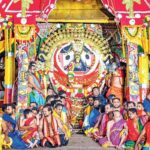
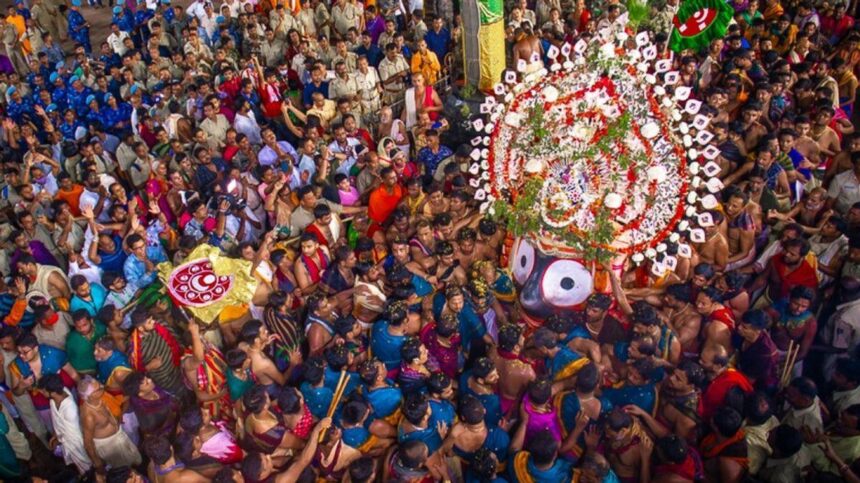
Niladri Bije is one of the most sacred and emotionally meaningful festivals celebrated at the famous Jagannath Temple in Puri, Odisha. It marks the final day of the world-famous Rath Yatra festival, when Lord Jagannath, Lord Balabhadra, and Goddess Subhadra return to their divine abode, the Jagannath Temple.
The festival is unique because it beautifully combines devotion, family values, forgiveness, and tradition. One of its most famous rituals is the offering of Rasgola to Goddess Lakshmi by Lord Jagannath as a symbol of love and reconciliation.
For devotees, students, researchers, and travelers, Niladri Bije is much more than a religious event. It teaches patience, responsibility, humility, and the importance of maintaining harmony in relationships.
What is Niladri Bije?
Niladri Bije literally means “Returning to the Blue Mountain (Niladri).”
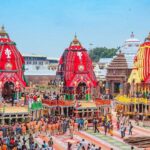
It is celebrated on the 13th day of the Rath Yatra festival, when Lord Jagannath and His siblings return from the Gundicha Temple to the main Jagannath Temple.
Before entering the temple, Lord Jagannath must seek forgiveness from Goddess Lakshmi, who was left behind during the Rath Yatra.
History of Niladri Bije
The history of Niladri Bije is deeply rooted in the traditions of Jagannath culture.
According to Hindu beliefs:
- Lord Jagannath leaves the temple every year with His brother Balabhadra and sister Subhadra.
- Goddess Lakshmi remains inside the temple.
- During the return, Goddess Lakshmi becomes upset because Lord Jagannath traveled without informing or taking her.
- She initially refuses to allow Him inside.
- Lord Jagannath offers Rasgola to calm and please Goddess Lakshmi.
- After accepting the offering, she forgives Him and opens the temple gates.
This divine episode symbolizes forgiveness, love, respect, and family unity.
Niladri Bije Timeline
| Year/Period | Event |
|---|---|
| Ancient Times | Jagannath traditions begin in Odisha |
| Medieval Era | Niladri Bije rituals become an established temple tradition |
| Every Year | Celebrated on the concluding day of Rath Yatra |
| Modern Period | Millions of devotees witness the rituals physically and online |
How Niladri Bije is Observed


The celebration follows several sacred rituals:
- The deities arrive at the Jagannath Temple.
- The ceremonial Pahandi procession takes place.
- Goddess Lakshmi blocks Lord Jagannath’s entrance.
- Lord Jagannath offers Rasgola.
- Goddess Lakshmi forgives Him.
- The temple doors are opened.
- Devotees celebrate with prayers and chanting.
Significance of Niladri Bije
Niladri Bije carries deep spiritual and social significance.
Religious Significance
- Marks the successful completion of Rath Yatra.
- Symbolizes the return of divine blessings.
- Represents devotion and surrender to God.
Cultural Significance
The festival preserves Odisha’s centuries-old traditions and showcases its rich cultural heritage.
Family Significance
The story teaches:
- Respect in relationships
- Forgiveness
- Love
- Understanding
- Reconciliation
Social Significance
People from different backgrounds gather together, promoting unity and harmony.
Importance of Niladri Bije for Students
Students can learn several valuable life lessons.
1. Discipline
Every ritual follows a proper schedule, teaching the importance of discipline.
2. Patience
The festival reminds students that meaningful achievements require patience.
3. Respect
The relationship between Lord Jagannath and Goddess Lakshmi teaches mutual respect.
4. Cultural Awareness
Students gain knowledge of India’s rich heritage and traditions.
5. Moral Values
Niladri Bije encourages:
- Kindness
- Forgiveness
- Responsibility
- Gratitude
Importance in Our Daily Life
Although Niladri Bije is a religious festival, its values apply to everyday life.
It reminds us to:
- Respect family members.
- Keep promises.
- Forgive mistakes.
- Express gratitude.
- Stay humble.
- Build stronger relationships.
These timeless lessons help create happier families and healthier communities.
Niladri Bije and Society
The festival plays an important role in society.
It encourages:
- Social harmony
- Religious tolerance
- Community participation
- Charity
- Volunteer service
- Preservation of cultural heritage
Large gatherings during Niladri Bije also support local artisans, vendors, transport providers, hotels, and tourism-related businesses, contributing to the regional economy.
Estimated Costs of Celebrating Niladri Bije
The cost of celebration varies.
| Item | Approximate Cost |
|---|---|
| Temple offerings | ₹100–₹2,000 |
| Flowers | ₹100–₹500 |
| Prasad | ₹200–₹1,500 |
| Rasgola | ₹150–₹800 |
| Family Puja | ₹500–₹5,000 |
| Travel to Puri | Depends on distance |
| Accommodation | Budget to luxury options |
The grand temple ceremonies are managed by the temple administration, while families may celebrate according to their own budgets.
Interesting Facts about Niladri Bije
- Niladri Bije concludes the famous Rath Yatra festival.
- Rasgola plays a central role in the rituals.
- Millions of devotees follow the ceremony each year.
- The Jagannath Temple is one of India’s most revered pilgrimage sites.
- The festival symbolizes reconciliation rather than conflict.
- Odisha celebrates “Rasgola Dibasa” inspired by this tradition.
- The rituals have been preserved for centuries.
- Devotional music fills the temple premises throughout the celebration.
- Thousands of volunteers assist devotees.
- The festival attracts visitors from around the world.
Life Lessons from Niladri Bije
The festival teaches several practical lessons:
- Every misunderstanding can be resolved through communication.
- Respect strengthens relationships.
- Love requires patience.
- Forgiveness brings peace.
- Traditions connect generations.
- Humility earns respect.
- Faith provides inner strength.
Why Niladri Bije is Important
Niladri Bije is important because it:
- Preserves India’s spiritual heritage.
- Promotes unity.
- Strengthens family bonds.
- Encourages forgiveness.
- Inspires devotion.
- Supports Odisha’s tourism.
- Protects ancient customs.
- Teaches valuable moral lessons.
Niladri Bije Wishes
Here are some heartfelt wishes you can share:
- May Lord Jagannath bless you and your family with happiness, peace, and prosperity. Happy Niladri Bije!
- Wishing you good health, success, and endless blessings on the auspicious occasion of Niladri Bije.
- May the divine grace of Lord Jagannath fill your life with joy and positivity. Happy Niladri Bije!
- May love, forgiveness, and harmony always remain in your home. Happy Niladri Bije to you and your loved ones.
- May this sacred festival inspire kindness, faith, and hope in your life.
Frequently Asked Questions (FAQs)
1. What is Niladri Bije?
Niladri Bije marks the return of Lord Jagannath to the Jagannath Temple after Rath Yatra.
2. Why is Rasgola offered?
It symbolizes Lord Jagannath seeking forgiveness from Goddess Lakshmi.
3. Where is Niladri Bije celebrated?
Primarily at the Jagannath Temple in Puri, Odisha, and by Jagannath devotees worldwide.
4. Why is the festival important?
It teaches forgiveness, devotion, family values, and cultural preservation.
5. Can tourists attend?
Yes, thousands of visitors and pilgrims attend every year.
6. What is the main message of Niladri Bije?
The festival emphasizes love, humility, reconciliation, and respect in relationships.
7. Is Niladri Bije only a religious festival?
While rooted in faith, its lessons on compassion, forgiveness, and unity are universal and meaningful for people from many backgrounds.
Review Section
Overall Review of Niladri Bije
⭐⭐⭐⭐⭐ 5/5 – A Festival of Faith, Love, and Tradition
Spiritual Experience: ⭐⭐⭐⭐⭐
The rituals are deeply meaningful and inspire devotion.
Cultural Value: ⭐⭐⭐⭐⭐
Niladri Bije preserves Odisha’s rich traditions and heritage.
Educational Value: ⭐⭐⭐⭐⭐
Students can learn about history, ethics, and Indian culture through the festival.
Tourism Experience: ⭐⭐⭐⭐☆
The event attracts large crowds, creating a vibrant atmosphere, though visitors should plan for congestion during peak celebrations.
Overall Verdict:
Niladri Bije is a beautiful celebration that combines spirituality, tradition, and valuable life lessons. It is a memorable experience for devotees, students, travelers, and anyone interested in India’s cultural heritage.
Important Points to Remember
- Niladri Bije concludes the Rath Yatra festival.
- Lord Jagannath returns to the Jagannath Temple.
- Rasgola symbolizes love and reconciliation.
- The festival promotes forgiveness and family harmony.
- It preserves Odisha’s cultural identity.
- Millions of devotees participate each year.
- The celebration supports local tourism and traditional livelihoods.
- Its values remain relevant in modern society.
Conclusion
Niladri Bije is much more than the final ritual of the Rath Yatra. It is a celebration of faith, forgiveness, responsibility, and enduring relationships. The touching tradition of Lord Jagannath offering Rasgola to Goddess Lakshmi reminds us that humility and sincere efforts can heal misunderstandings and strengthen bonds.
For students, the festival provides lessons in discipline, respect, patience, and cultural awareness. For families, it highlights the importance of communication and forgiveness. For society, it reinforces unity, compassion, and the preservation of centuries-old traditions that continue to inspire millions.
Whether you are a devotee, a traveler, or someone interested in Indian culture, Niladri Bije offers timeless values that remain meaningful in everyday life. By embracing its message of love, harmony, and mutual respect, we can build stronger families, more compassionate communities, and a society rooted in understanding and shared heritage.