Destinations to Visit in Gaya, Bihar (2026) – Complete Travel Guide, History, Costs, FAQs & Review
Discover the best Popular Destinations to Visit in Gaya, Bihar (2026) with complete travel information, entry fees, history, significance, costs, timeline, student travel tips, FAQs, reviews, and practical travel advice in this comprehensive guide.
- Popular Destinations to Visit in Gaya, Bihar (2026)
- History
- History
- Entry Fee
- Travel Cost
- Significance
- Entry Fee
- Student Importance
- Entry Fee
- Activities
- Importance
- Historical Importance
- What Visitors Like
- 1. Why is Gaya famous?
- 2. Is Gaya suitable for student tours?
- 3. How much does a 2-day trip cost?
- 4. Which is the most famous place in Gaya?
- 5. Is there an entry fee for the Mahabodhi Temple?
- 6. What is the best season to visit?
- 7. Can international tourists visit Gaya?
- 8. Is Gaya safe for tourists?
Popular Destinations to Visit in Gaya, Bihar (2026)


Gaya, located in the heart of Bihar, is one of India’s oldest and most sacred cities. It is globally famous for its spiritual importance in both Hinduism and Buddhism. Every year, millions of pilgrims, tourists, researchers, and students visit Gaya to explore its rich cultural heritage, magnificent temples, historical monuments, and peaceful natural surroundings.
Whether you are planning an educational tour, family vacation, pilgrimage, or solo travel experience, Gaya offers something meaningful for everyone. From the world-famous Mahabodhi Temple to the ancient Vishnupad Temple and scenic Brahmayoni Hills, every destination tells a unique story of faith, history, and civilization.
This complete guide covers everything you need to know about the Popular Destinations to Visit in Gaya, Bihar (2026), including travel costs, historical background, interesting facts, significance, FAQs, travel timeline, reviews, and valuable lessons for everyday life.
Why is Gaya Famous?
Gaya is famous because:
- Birthplace of Buddhist enlightenment nearby Bodh Gaya
- Sacred Hindu pilgrimage city
- UNESCO World Heritage Site
- Ancient temples
- Spiritual learning center
- Rich cultural traditions
- Educational importance
- Peaceful environment
Students often visit Gaya during educational tours to learn about Indian history, religion, archaeology, architecture, and cultural diversity.
1. Mahabodhi Temple


History
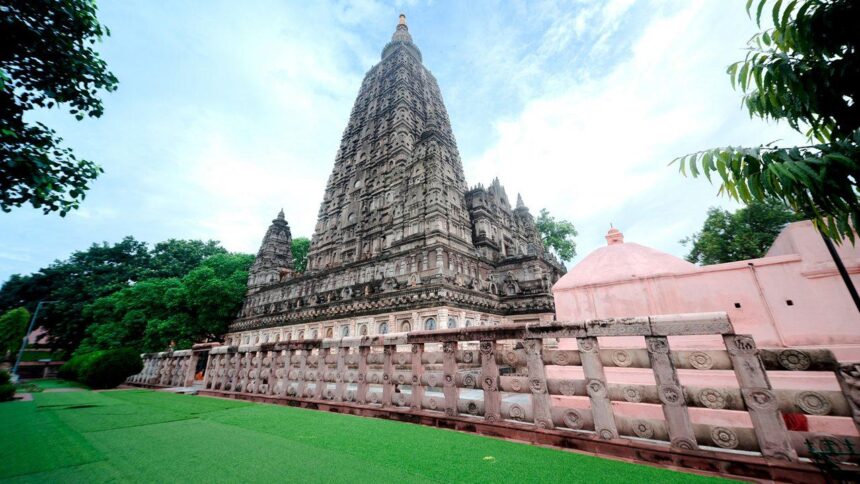
The Mahabodhi Temple marks the place where Gautama Buddha attained enlightenment under the Bodhi Tree over 2,500 years ago. Emperor Ashoka built the first temple around the 3rd century BCE.
Today, it is one of the holiest Buddhist pilgrimage sites in the world.
Entry Fee
- Indians: Free
- Foreign Tourists: Free
- Camera Charges: May apply in some areas
Best Time
- October to February
Student Learning
- Buddhist philosophy
- Ancient Indian architecture
- UNESCO heritage conservation
- Meditation practices
Interesting Facts
- UNESCO World Heritage Site
- Over 2,500 years old
- Pilgrims visit from over 80 countries
- Houses the sacred Bodhi Tree
Significance
The temple symbolizes peace, wisdom, patience, and enlightenment.
2. Vishnupad Temple


History
Built during the 18th century by Queen Ahilyabai Holkar, the temple is believed to contain the footprint of Lord Vishnu.
Thousands of Hindu devotees perform Pind Daan rituals here for their ancestors.
Entry Fee
Free
Travel Cost
₹100–₹500 depending upon local transport.
Significance
- Moksha beliefs
- Ancestor worship
- Hindu traditions
3. Dungeshwari Cave Temples
These caves are believed to be where Buddha practiced severe meditation before attaining enlightenment.
Entry Fee
Free
Student Importance
- Meditation history
- Ancient cave architecture
- Religious evolution
4. Brahmayoni Hill
Famous for panoramic views and meditation spots.
Entry Fee
Free
Activities
- Trekking
- Photography
- Sunrise
- Educational tours
5. Mangla Gauri Temple
One of the 18 important Shakti Peethas.
Importance
- Women’s spiritual worship
- Religious festivals
- Ancient temple architecture
6. Pretshila Hill
Known for Pind Daan rituals dedicated to departed souls.
Historical Importance
Mentioned in Hindu scriptures.
Estimated Student Tour Budget (2026)
| Expense | Approximate Cost |
|---|---|
| Train Fare | ₹300–₹1,500 |
| Bus Fare | ₹100–₹500 |
| Hotel/Hostel | ₹500–₹2,000 per night |
| Local Auto | ₹50–₹300 |
| Food | ₹150–₹500/day |
| Guide | ₹300–₹800 |
| Temple Entry | Mostly Free |
| Total Budget (2 Days) | ₹2,000–₹6,000 |
Historical Timeline
| Year | Event |
|---|---|
| 6th Century BCE | Buddha meditates in Bodh Gaya |
| 3rd Century BCE | Emperor Ashoka builds temple |
| 8th Century | Buddhist learning expands |
| 18th Century | Vishnupad Temple renovated |
| 2002 | Mahabodhi Temple becomes UNESCO Site |
| 2026 | Continues as major educational and pilgrimage destination |
Educational Importance for Students
Students can learn about:
- Indian civilization
- Religious harmony
- Buddhism
- Hindu traditions
- Archaeology
- Heritage conservation
- Tourism management
- Geography
- Ancient architecture
- Environmental preservation
Educational tours also help students understand the importance of respecting diverse beliefs and preserving historical monuments.
Interesting Facts
- Gaya is over 2,000 years old.
- Bodh Gaya attracts visitors from around the world.
- The Bodhi Tree is revered as a symbol of enlightenment.
- Gaya hosts one of India’s largest Pind Daan gatherings.
- It is an important destination for both Hindus and Buddhists.
- International monasteries representing many Buddhist countries can be found in Bodh Gaya.
Why Gaya is Important in Our Life
Although many people visit Gaya for religious reasons, its importance extends beyond spirituality.
It teaches us:
- Peace over conflict
- Patience during difficult times
- Respect for elders and ancestors
- Compassion toward others
- Value of education and self-improvement
- Importance of preserving cultural heritage
- Unity in diversity
Students especially gain practical knowledge by experiencing history outside the classroom.
Daily Life Impact
Visiting historical and spiritual places can inspire positive habits:
- Better appreciation of history
- Respect for different cultures
- Cleaner travel practices
- Greater patience and mindfulness
- Increased interest in learning
- Support for local communities through tourism
These experiences encourage responsible citizenship and lifelong learning.
Significance to Society
Gaya contributes to society by:
- Preserving ancient traditions
- Promoting interfaith understanding
- Supporting tourism and local employment
- Encouraging heritage conservation
- Inspiring education and research
- Connecting people from different countries
Its role as a global pilgrimage destination also strengthens cultural exchange.
Best Time to Visit
- October to February for pleasant weather.
- During winter, sightseeing is more comfortable.
- Festivals and religious events attract large crowds, so plan accommodation in advance.
Travel Tips
- Wear comfortable walking shoes.
- Dress modestly at religious sites.
- Carry water and sunscreen.
- Respect local customs and photography rules.
- Keep the surroundings clean.
- Hire a licensed guide if you want detailed historical information.
Review Section
⭐⭐⭐⭐⭐ Overall Rating: 4.8/5
What Visitors Like
Pros
- Rich history and spirituality
- UNESCO World Heritage Site
- Affordable travel
- Educational value
- Friendly local culture
- Beautiful architecture
- Peaceful atmosphere
Cons
- Crowded during festival seasons
- Summer temperatures can be very high
- Traffic congestion near popular attractions during peak periods
Overall, Gaya is highly recommended for students, families, pilgrims, history enthusiasts, and international travelers.
Frequently Asked Questions (FAQs)
1. Why is Gaya famous?
Gaya is renowned for its religious, historical, and cultural significance in Hinduism and Buddhism, especially the Mahabodhi Temple and Vishnupad Temple.
2. Is Gaya suitable for student tours?
Yes. It is an excellent destination for learning about history, religion, architecture, archaeology, and culture.
3. How much does a 2-day trip cost?
A budget-friendly trip generally ranges from ₹2,000 to ₹6,000 per person, depending on travel and accommodation choices.
4. Which is the most famous place in Gaya?
The Mahabodhi Temple in Bodh Gaya is the most internationally recognized attraction.
5. Is there an entry fee for the Mahabodhi Temple?
No, entry is generally free.
6. What is the best season to visit?
October to February offers the most pleasant weather.
7. Can international tourists visit Gaya?
Yes. Visitors from many countries travel to Gaya each year, particularly to Bodh Gaya.
8. Is Gaya safe for tourists?
Generally, yes. As with any destination, follow local guidelines, keep valuables secure, and use trusted transportation.
Wishing Message
“May your journey to Gaya bring peace to your mind, wisdom to your heart, and unforgettable memories with your family and friends. May every step through its sacred temples and historic landmarks inspire learning, compassion, and respect for our rich cultural heritage. Happy and safe travels!”
Important Points to Remember
- Gaya is one of India’s oldest sacred cities.
- It is significant to both Hindus and Buddhists.
- The Mahabodhi Temple is a UNESCO World Heritage Site.
- Most religious attractions have free entry.
- Gaya is ideal for educational tours and heritage travel.
- Respect local customs and maintain cleanliness.
- Plan visits during cooler months for the best experience.
Conclusion
The Popular Destinations to Visit in Gaya, Bihar (2026) offer far more than sightseeing—they provide an opportunity to connect with India’s spiritual roots, historical legacy, and cultural diversity. From the serene Mahabodhi Temple, where the Buddha attained enlightenment, to the sacred Vishnupad Temple and the tranquil hills surrounding the city, every destination reflects centuries of tradition and learning.
For students, Gaya serves as an open-air classroom where history, religion, architecture, and social values come alive. For families and travelers, it is a place of reflection, exploration, and cultural appreciation. By visiting responsibly and respecting its heritage, we help preserve these remarkable sites for future generations while gaining valuable lessons that enrich our daily lives.