Lingaraj Temple, Bhubaneswar – Complete Travel Guide, History, Budget, Significance, Facts & Student Review


Introduction
India is known as the land of spirituality, culture, and magnificent temples. Among its greatest architectural wonders stands the majestic Lingaraj Temple. Located in the heart of Bhubaneswar, Odisha, this ancient temple is one of India’s finest examples of Kalinga architecture.
Dedicated to Lord Shiva, Lingaraj Temple is not only a sacred pilgrimage destination but also a masterpiece of Indian heritage. Every year, thousands of pilgrims, history lovers, photographers, and students visit this iconic temple to experience its divine atmosphere and remarkable craftsmanship.
For students and budget travelers, Lingaraj Temple offers an affordable yet unforgettable cultural experience.
History of Lingaraj Temple
The history of Lingaraj Temple dates back nearly one thousand years. Historians believe that the temple was constructed during the 11th century by the Somavamsi Dynasty and later expanded by the Eastern Ganga rulers.
Interestingly, the temple represents harmony between Shaivism and Vaishnavism. Although dedicated primarily to Lord Shiva, the deity is worshipped as Harihara—a combined form of Lord Shiva and Lord Vishnu.
The temple has survived invasions, changing kingdoms, and centuries of history while continuing to remain one of Odisha’s most sacred religious sites.
Timeline
| Year | Event |
|---|---|
| 7th Century | Original shrine believed to exist |
| 11th Century | Main temple constructed |
| 12th Century | Temple expanded by Eastern Ganga rulers |
| Medieval Era | Became Odisha’s most important Shiva temple |
| Present Day | Major pilgrimage and tourist destination |
Architecture


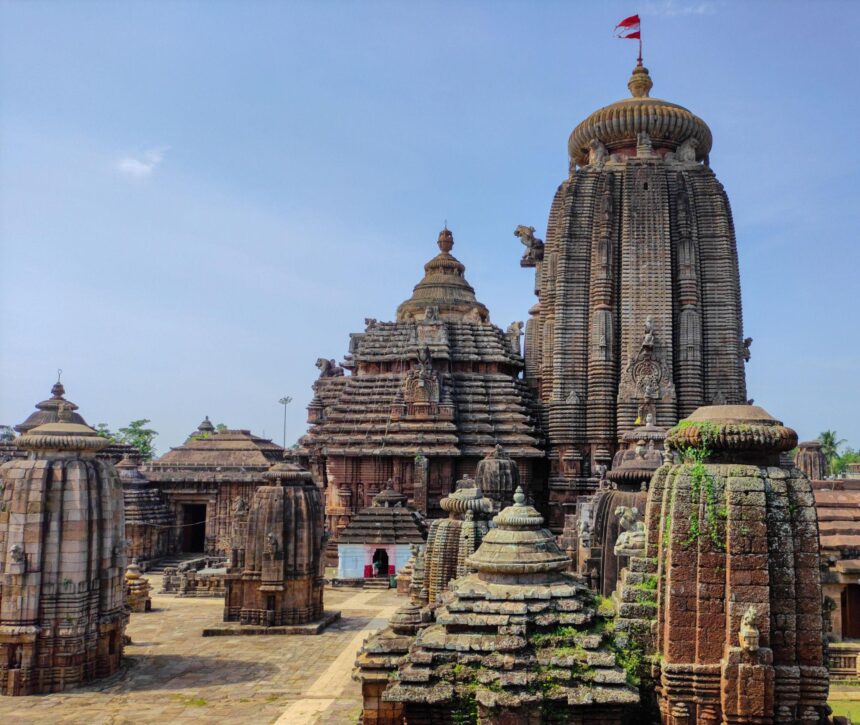
Lingaraj Temple is considered one of the greatest achievements of Kalinga architecture.
Its impressive features include:
- Height of around 180 feet
- Beautiful stone carvings
- Massive central tower
- Hundreds of sculptures
- Intricate floral designs
- Large temple complex
- Traditional Odisha temple style
Every wall tells stories from Hindu mythology through beautifully carved sculptures.
Religious Significance
The temple is one of the holiest Shiva temples in Eastern India.
The sacred Shiva Linga is believed to represent both:
- Lord Shiva
- Lord Vishnu
Devotees believe that prayers offered here bring:
- Peace
- Prosperity
- Good health
- Success
- Spiritual growth
- Family happiness
Why Lingaraj Temple is Important
The temple is important because it:
- Represents Indian heritage
- Preserves ancient architecture
- Promotes spiritual values
- Encourages cultural tourism
- Supports local livelihoods
- Inspires artists and historians
- Attracts millions of pilgrims
Student Budget Travel Guide
One of the biggest advantages for students is affordability.
| Expense | Approximate Cost |
|---|---|
| Local Bus | ₹20–₹50 |
| Auto Rickshaw | ₹100–₹200 |
| Train to Bhubaneswar | Depends on city |
| Budget Hostel | ₹400–₹900 |
| Budget Hotel | ₹800–₹1500 |
| Meals | ₹150–₹300/day |
| Temple Entry | Free |
| Camera Charges | Check latest rules |
Estimated one-day student budget:
- Transport: ₹300
- Food: ₹250
- Stay: ₹700
- Miscellaneous: ₹300
Total: ₹1,500–₹2,000
Best Time to Visit
The ideal months are:
- October
- November
- December
- January
- February
The weather remains pleasant and comfortable.
Major Festivals
The temple becomes especially vibrant during:
- Maha Shivaratri
- Ashokashtami
- Chandan Yatra
- Kartik Purnima
Thousands of devotees participate in these festivals.
Interesting Facts
- The temple is over 1,000 years old.
- It is dedicated to Harihara.
- The main tower is approximately 180 feet high.
- More than 150 smaller shrines surround the main temple.
- Non-Hindus are generally not permitted inside the sanctum complex, but can view the temple from a nearby viewing platform.
- The temple reflects classical Kalinga architecture.
- It remains an active place of worship.
- The temple is closely associated with the sacred Bindu Sagar Lake.
Nearby Attractions


Students can also visit:
- Bindu Sagar
- Mukteshwar Temple
- Rajarani Temple
- Udayagiri and Khandagiri Caves
Travel Tips for Students
- Wear modest clothing.
- Carry a water bottle.
- Respect temple customs.
- Remove footwear before entering.
- Keep the surroundings clean.
- Visit early morning for a peaceful experience.
- Carry cash for local purchases.
Important Life Lessons
A visit to Lingaraj Temple teaches us:
- Patience
- Humility
- Faith
- Respect for traditions
- Appreciation of art
- Unity in diversity
- Spiritual balance
These values remain meaningful in everyday life, helping people build stronger relationships, make thoughtful decisions, and stay connected to cultural roots.
Importance to Society
Lingaraj Temple contributes to society in several ways:
- Preserves India’s cultural heritage
- Encourages religious harmony
- Supports tourism and the local economy
- Creates employment for guides, artisans, and vendors
- Inspires architectural research
- Promotes traditional festivals and community gatherings
The temple serves as a bridge between ancient traditions and modern society.
Wishing Messages
Here are a few thoughtful wishes inspired by the spirit of Lingaraj Temple:
- May Lord Lingaraj bless you with peace, strength, and happiness.
- May your life be filled with wisdom, prosperity, and good health.
- May every prayer bring hope and every challenge become an opportunity for growth.
- Wishing you and your family divine blessings and endless joy.
Important Points to Remember
- One of Odisha’s most famous temples
- Dedicated to Lord Shiva (Harihara form)
- Built in the 11th century
- Excellent example of Kalinga architecture
- Free entry for devotees
- Major pilgrimage destination
- Rich historical and cultural significance
- Ideal for students interested in history, architecture, and spirituality
Honest Review ⭐⭐⭐⭐⭐ (4.8/5)
| Category | Rating |
|---|---|
| Architecture | ⭐⭐⭐⭐⭐ |
| Spiritual Experience | ⭐⭐⭐⭐⭐ |
| Cleanliness | ⭐⭐⭐⭐☆ |
| Budget Friendly | ⭐⭐⭐⭐⭐ |
| Photography Opportunities | ⭐⭐⭐⭐☆ |
| Cultural Value | ⭐⭐⭐⭐⭐ |
| Student Experience | ⭐⭐⭐⭐⭐ |
Overall Rating: 4.8/5
Pros:
- Free temple entry
- Stunning architecture
- Rich historical importance
- Peaceful spiritual atmosphere
- Budget-friendly for students
- Excellent nearby attractions
Cons:
- Can become crowded during festivals
- Limited interior access for non-Hindus
- Summer afternoons can be very hot
Frequently Asked Questions (FAQs)
1. Where is Lingaraj Temple located?
It is located in Bhubaneswar, the capital city of Odisha, India.
2. Who built Lingaraj Temple?
It was primarily built by the Somavamsi rulers and later expanded by the Eastern Ganga dynasty.
3. Which deity is worshipped here?
Lord Shiva, worshipped in the combined form of Harihara (Shiva and Vishnu).
4. Is entry free?
Yes, entry for devotees is generally free, though rules for cameras or special services may vary.
5. What is the best time to visit?
October to February offers the most pleasant weather.
6. Is it suitable for students?
Yes. It is an excellent destination for students due to its affordable travel costs, educational value, and cultural importance.
7. What should visitors wear?
Modest, respectful clothing suitable for a place of worship.
8. Can photography be done inside the temple?
Photography restrictions apply inside the main temple complex. Always follow current temple guidelines.
Conclusion
Lingaraj Temple, Bhubaneswar, is much more than an ancient monument. It is a living symbol of India’s spiritual heritage, architectural brilliance, and cultural continuity. Whether you are a pilgrim seeking blessings, a history enthusiast exploring medieval India, or a student traveling on a budget, the temple offers a meaningful and memorable experience.
Its towering architecture, intricate carvings, centuries-old traditions, and peaceful surroundings remind us of the enduring values of faith, discipline, and respect for heritage. A visit to Lingaraj Temple is not only a journey through history but also an opportunity to reflect on personal growth and the importance of preserving our cultural legacy for future generations.