Top 50 Most Famous Hindu Temples in India: The Ultimate Student Guide


Introduction
India is known as the land of spirituality, culture, and ancient civilizations. Hindu temples are not only places of worship but also centers of history, education, architecture, and social harmony. Every temple tells a unique story about faith, devotion, and India’s rich heritage.
Whether you are a student, traveler, researcher, or devotee, visiting these temples helps you understand Indian traditions, mythology, architecture, and history. Many temples are thousands of years old and continue to inspire millions of people every year.
This guide covers the Top 50 Most Famous Hindu Temples in India, along with their history, significance, estimated costs, interesting facts, FAQs, timeline, importance in society, and life lessons.
Timeline of Hindu Temples
| Period | Major Development |
|---|---|
| 1500–500 BCE | Early Vedic worship |
| 300 BCE–300 CE | Beginning of temple construction |
| 4th–8th Century | Gupta Period temples flourished |
| 7th–13th Century | South Indian temple architecture expanded |
| 12th–18th Century | Large pilgrimage centers developed |
| Modern India | Restoration and heritage conservation |
Top 50 Famous Hindu Temples in India
| No. | Temple | State | Main Deity | Entry Fee |
|---|---|---|---|---|
| 1 | Kashi Vishwanath Temple | Uttar Pradesh | Lord Shiva | Free |
| 2 | Tirumala Venkateswara Temple | Andhra Pradesh | Lord Vishnu | Free (Special Darshan Extra) |
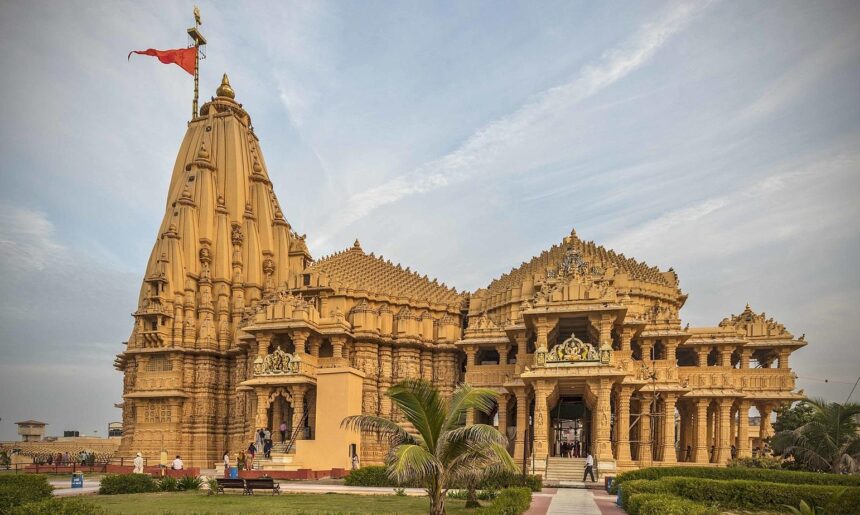
| 3 | Somnath Temple | Gujarat | Lord Shiva | Free |
| 4 | Jagannath Temple | Odisha | Lord Jagannath | Free |
| 5 | Meenakshi Amman Temple | Tamil Nadu | Goddess Meenakshi | Free |
| 6 | Kedarnath Temple | Uttarakhand | Lord Shiva | Free |
| 7 | Badrinath Temple | Uttarakhand | Lord Vishnu | Free |
| 8 | Ramanathaswamy Temple | Tamil Nadu | Lord Shiva | Free |
| 9 | Vaishno Devi Temple | J&K | Mata Vaishno Devi | Free |
| 10 | Mahakaleshwar Temple | MP | Lord Shiva | Free |
Other Famous Temples (11–50)
- Dwarkadhish Temple
- Konark Sun Temple
- Lingaraja Temple
- Akshardham
- Brihadeeswarar Temple
- Virupaksha Temple
- Shirdi Sai Baba Temple
- Siddhivinayak Temple
- ISKCON Temple
- Golden Temple of Sripuram
- Kamakhya Temple
- Kalighat Temple
- Dakshineswar Kali Temple
- Chennakeshava Temple
- Omkareshwar Temple
- Trimbakeshwar Temple
- Bhimashankar Temple
- Grishneshwar Temple
- Nageshwar Jyotirlinga
- Baidyanath Temple
- Kashi Annapurna Temple
- Chidambaram Temple
- Kanchipuram Ekambareswarar Temple
- Mookambika Temple
- Kukke Subramanya Temple
- Guruvayur Temple
- Sabarimala Temple
- Padmanabhaswamy Temple
- Udupi Krishna Temple
- Banke Bihari Temple
- Prem Mandir
- ISKCON Vrindavan
- Birla Mandir Jaipur
- Birla Mandir Hyderabad
- Mangueshi Temple
- Chamundeshwari Temple
- Kanyakumari Bhagavathy Temple
- Annamalaiyar Temple
- Neelkanth Mahadev Temple
- Bhadrakali Temple
Brief History
Most Hindu temples were built between the Gupta Empire and medieval kingdoms. They served as educational institutions, cultural centers, libraries, music schools, and social gathering places. Many survived invasions and natural disasters, making them symbols of resilience and faith.
Estimated Travel Costs (Per Student)
| Expense | Average Cost |
|---|---|
| Temple Entry | Usually Free |
| Special Darshan | ₹100–₹500 |
| Food | ₹100–₹400 |
| Accommodation | ₹500–₹2500 |
| Local Transport | ₹200–₹1000 |
| Total Budget | ₹1500–₹5000 per day |
Amazing Facts
- India has over 2 million temples.
- The Tirupati temple receives one of the highest donations in the world.
- The Somnath Temple has been rebuilt multiple times.
- Kedarnath survived the devastating 2013 floods.
- Konark Sun Temple is designed like a giant stone chariot.
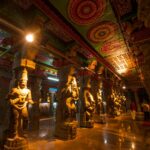
- Meenakshi Temple has over 30,000 sculptures.
- Padmanabhaswamy Temple is believed to be among the richest temples in the world.
- Jagannath Temple’s flag is changed every day by hand.
- Brihadeeswarar Temple’s massive granite tower has fascinated engineers for centuries.
- Many temples continue traditions that are over a thousand years old.


Significance of Hindu Temples
Hindu temples are much more than religious buildings. They represent:
- Spiritual growth
- Inner peace
- Community service
- Charity and compassion
- Preservation of Indian culture
- Ancient architecture
- Traditional music and dance
- Festivals and celebrations
- Family values
- Moral education
Importance in Our Daily Life
Visiting temples teaches:
- Discipline
- Patience
- Gratitude
- Respect for elders
- Kindness
- Charity
- Positive thinking
- Mental peace
- Meditation
- Cultural awareness
These values help people become responsible citizens and compassionate members of society.
Importance for Students
Students benefit by learning:
- Indian history
- Art and architecture
- Mythology
- Geography
- Moral values
- Cultural diversity
- Time management during pilgrimages
- Respect for traditions
- Heritage conservation
- Social responsibility
Importance to Society
Temples contribute by:
- Feeding the poor through community kitchens.
- Organizing festivals that strengthen social bonds.
- Supporting education and charitable work.
- Preserving classical music, dance, and literature.
- Protecting cultural heritage for future generations.
Observance
When visiting a temple:
- Wear modest clothing.
- Remove footwear before entering.
- Maintain silence and cleanliness.
- Respect local customs.
- Avoid littering.
- Follow photography rules where applicable.
- Participate respectfully in prayers if you wish.
Best Time to Visit
- October to March offers pleasant weather in many parts of India.
- Major festivals such as Diwali, Navratri, Shivaratri, Janmashtami, and Rath Yatra provide unique cultural experiences, though temples can be very crowded.
Frequently Asked Questions (FAQs)
1. Which is the richest Hindu temple in India?
Padmanabhaswamy Temple is widely regarded as one of the richest temples in the world.
2. Which temple receives the most visitors?
Tirumala Venkateswara Temple is among the busiest pilgrimage sites globally.
3. Are temple entries free?
Most famous Hindu temples offer free general entry, while some provide paid special darshan options.
4. Can non-Hindus visit every temple?
No. Some temples have restrictions, while many welcome visitors of all faiths.
5. What should students learn from temple visits?
Students can learn about history, architecture, ethics, cultural traditions, and community service.
6. What should I wear?
Simple, respectful, and modest clothing is generally expected.
7. Is photography allowed?
Rules differ by temple. Always check before taking photos.
Review
Content Rating: ⭐⭐⭐⭐⭐ (5/5)
Educational Value: Excellent
Historical Accuracy: High (with individual temple histories requiring deeper study for academic work)
Travel Friendliness: Excellent
Suitable For: Students, families, researchers, pilgrims, travelers, and culture enthusiasts.
Important Points
- India has one of the world’s oldest temple traditions.
- Many temples are architectural masterpieces.
- Pilgrimage promotes spiritual and cultural learning.
- Temples often support charitable activities.
- Respect local customs during every visit.
- Preserve cleanliness and heritage.
- Learn the history behind each temple rather than only visiting for sightseeing.
Wishing
May your journey through India’s sacred temples bring peace, wisdom, good health, and inspiration. May every visit deepen your appreciation for India’s rich cultural heritage and encourage compassion, gratitude, and respect for all.
Conclusion
The Top 50 Most Famous Hindu Temples in India showcase the country’s extraordinary spiritual, historical, and architectural legacy. From the snow-covered Himalayas to the southern coast, these temples have guided millions through faith, learning, and service for centuries. For students, they are living classrooms where history, art, geography, philosophy, and social values come together. Visiting them with curiosity and respect helps us understand not only India’s past but also timeless values that remain meaningful in modern life. Whether your goal is pilgrimage, education, or cultural exploration, these sacred places leave a lasting impression and remind us of the importance of unity, kindness, heritage, and lifelong learning.