

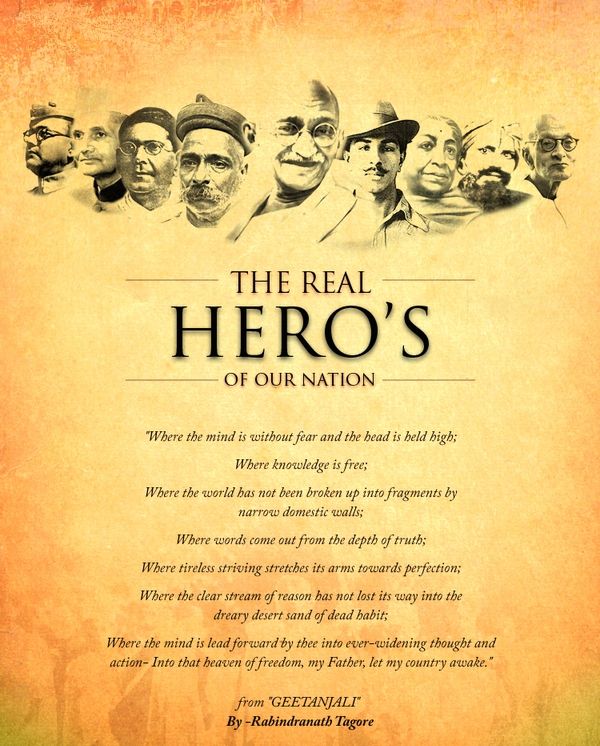
Most Powerful National Holidays and Observances of India That Will Inspire You
🇮🇳 Introduction: The Soul of India in Its Observances
India is not just a land of colors and festivals—it is a living museum of values, heroes, milestones, and revolutions. National holidays and observances reflect the heart and soul of India, reminding us of what we’ve fought for, stood by, and continue to believe in.
- 📜 Historical Timeline of India’s National Holidays
- 🇮🇳 The Top 15 Most Powerful National Holidays and Observances of India
- 1. Republic Day – 26 January
- 2. Independence Day – 15 August
- 3. Gandhi Jayanti – 2 October
- 4. Ambedkar Jayanti – 14 April
- 5. National Youth Day – 12 January
- 6. Shaheed Diwas – 23 March
- 7. Kargil Vijay Diwas – 26 July
- 8. National Science Day – 28 February
- 9. Children’s Day – 14 November
- 10. Teachers’ Day – 5 September
- 11. National Voters’ Day – 25 January
- 12. National Unity Day – 31 October
- 13. Constitution Day – 26 November
- 14. Hindi Diwas – 14 September
- 15. International Day of Yoga – 21 June
- 🧠 Frequently Asked Questions (FAQs)
- Q1: Are all national observances public holidays?
- Q2: Who decides national holidays?
- Q3: Why are observances still important if they’re not holidays?
- 💡 Important Points Summary
- 🧘♂️ Significance in Life and Society
- 🎯 Conclusion: More Than Dates – These Are India’s Living Ideals
These dates are not merely calendar events; they shape national identity, build civic awareness, and celebrate cultural unity. They bring us closer to our roots, responsibilities, and role models.
📜 Historical Timeline of India’s National Holidays
| Year | Event | Significance |
|---|---|---|
| 1947 | Independence Day | India freed from British rule |
| 1950 | Republic Day | Constitution of India adopted |
| 1869 | Birth of Gandhi Ji | Non-violence & truth legacy |
| 1929 | Lahore session declared 26 Jan as Independence Day (before 1947) | |
| 1942 | Quit India Movement launched | Milestone in independence struggle |
🇮🇳 The Top 15 Most Powerful National Holidays and Observances of India
Let’s explore the most impactful national observances and holidays, with history, facts, significance, wishing messages, and how they impact your daily life.
1. Republic Day – 26 January
History: The Constitution came into effect in 1950, making India a sovereign republic.
Significance: Celebrates India’s democratic framework and legal sovereignty.
Observance: Flag hoisting, parades at Rajpath (Kartavya Path), military displays.
Wishing: “Happy Republic Day! Let’s uphold the spirit of our great Constitution!”
Impact: Promotes civic responsibility, democratic values, and national unity.
2. Independence Day – 15 August
History: India became free from British rule in 1947.
Facts: The national flag was first hoisted at Red Fort by PM Nehru.
Significance: Remembrance of sacrifices and celebration of freedom.
Observance: Flag hoisting, patriotic songs, kite flying, school events.
Wishing: “Happy Independence Day! Let freedom live in every heartbeat.”
Impact: Encourages love for the nation, unity, and gratitude.
3. Gandhi Jayanti – 2 October
History: Birth of Mahatma Gandhi (1869), pioneer of non-violence and truth.
Facts: International Day of Non-Violence is also observed on this day.
Significance: Emphasizes simplicity, truth, and peace.
Observance: Prayer services, Swachh Bharat campaigns, tributes at Raj Ghat.
Wishing: “Let’s remember Bapu and walk the path of peace and truth.”
Impact: Inspires ethical behavior and non-violent resistance.
4. Ambedkar Jayanti – 14 April
History: Birthday of Dr. B.R. Ambedkar, the principal architect of the Constitution.
Significance: Promotes equality, social justice, and rights of marginalized groups.
Wishing: “Saluting Babasaheb’s vision for a just and fair society.”
Impact: Uplifts awareness on legal rights and education.
5. National Youth Day – 12 January
History: Celebrates Swami Vivekananda’s birthday (1863).
Facts: Declared by Govt. of India in 1984.
Significance: Focus on youth leadership and self-development.
Wishing: “Unleash your inner Swami Vivekananda! Happy Youth Day!”
Impact: Motivates students and youth to build strong character.
6. Shaheed Diwas – 23 March
History: Tribute to Bhagat Singh, Rajguru, and Sukhdev (hanged in 1931).
Significance: Honors martyrs of Indian freedom struggle.
Wishing: “Your courage fuels our freedom. Jai Hind!”
Impact: Awakens patriotism and awareness of historic sacrifices.
7. Kargil Vijay Diwas – 26 July
History: Marks victory in the 1999 Kargil War against Pakistan.
Facts: Indian Army recaptured all positions successfully.
Significance: Reminds us of the bravery of armed forces.
Wishing: “Salute to the brave hearts of Kargil. Jai Hind!”
Impact: Boosts respect for defense personnel.
8. National Science Day – 28 February
History: Celebrates C.V. Raman’s discovery of the Raman Effect in 1928.
Significance: Encourages scientific spirit among youth.
Wishing: “Let’s nurture curiosity. Happy Science Day!”
Impact: Promotes STEM education and innovation.
9. Children’s Day – 14 November
History: Birthday of Jawaharlal Nehru, who loved children.
Significance: Celebrates the importance of childhood and education.
Wishing: “May every child grow with love and laughter!”
Impact: Focuses attention on child welfare and education.
10. Teachers’ Day – 5 September
History: Birthday of Dr. S. Radhakrishnan, India’s 2nd President.
Significance: Honors the contribution of teachers to society.
Wishing: “Thank you, Teacher, for shaping our minds and future.”
Impact: Encourages respect and appreciation for educators.
11. National Voters’ Day – 25 January
History: Started in 2011 to encourage electoral participation.
Significance: Strengthens democracy through voter awareness.
Impact: Promotes civic engagement and responsibility.
12. National Unity Day – 31 October
History: Birth anniversary of Sardar Vallabhbhai Patel.
Significance: Celebrates India’s unity and federal spirit.
Wishing: “United we stand, diverse we shine. Happy National Unity Day!”
Impact: Reinforces national integration and cooperation.
13. Constitution Day – 26 November
History: Constitution adopted in 1949.
Significance: Educates citizens about their rights and duties.
Wishing: “Let’s honor the supreme law that binds us as Indians.”
Impact: Encourages civic literacy and national duty.
14. Hindi Diwas – 14 September
History: Hindi became an official language on this day in 1949.
Significance: Promotes India’s linguistic heritage.
Wishing: “Apni Hindi ko samman dena, rashtra ka samman hai.”
Impact: Encourages regional language pride.
15. International Day of Yoga – 21 June
History: Recognized by UN on India’s proposal in 2014.
Significance: Celebrates India’s ancient wellness tradition.
Wishing: “Breathe in peace, breathe out stress. Happy Yoga Day!”
Impact: Boosts holistic health awareness.
🧠 Frequently Asked Questions (FAQs)
Q1: Are all national observances public holidays?
No. Only Republic Day, Independence Day, and Gandhi Jayanti are mandatory public holidays. Others are symbolic.
Q2: Who decides national holidays?
The Government of India, through the Ministry of Personnel, releases an annual gazetted holiday list.
Q3: Why are observances still important if they’re not holidays?
They raise public consciousness, commemorate heroes, and promote positive action in society.
💡 Important Points Summary
| Day | Theme | Impact |
|---|---|---|
| 26 Jan | Constitution & Law | Civic Pride |
| 15 Aug | Freedom | Patriotism |
| 2 Oct | Non-violence | Peace |
| 12 Jan | Youth Empowerment | Leadership |
| 26 July | Military Bravery | Security |
| 14 April | Social Justice | Equality |
🧘♂️ Significance in Life and Society
National holidays are anchors of identity. They:
Encourage national pride
Inspire younger generations
Promote cultural values
Educate citizens about history and rights
Foster unity despite diversity
These observances are not mere traditions—they are transformative milestones that help us grow as a nation and as individuals.
🎯 Conclusion: More Than Dates – These Are India’s Living Ideals
India’s national holidays and observances aren’t just events to mark on calendars—they’re reminders of where we came from, what we stand for, and how we must move forward. They fuel the spirit of service, sacrifice, and unity in daily life.
So, the next time you celebrate a national day, remember—it’s not just a break, it’s a call to awaken.








Howdy, i read your blog occasionally and i own a similar one and i was just wondering if you get a lot of spam remarks? If so how do you reduce it, any plugin or anything you can suggest? I get so much lately it’s driving me insane so any help is very much appreciated.