- Ancient Origins
- Historical Background
- 1. Why is Kedarnath Temple famous?
- 2. Where is Kedarnath Temple located?
- 3. Who built the temple?
- 4. What is the best time to visit?
- 5. How difficult is the trek?
- 6. Is photography allowed?
- 7. Why does the temple close during winter?
- 8. Is online registration required?
- 9. Can senior citizens visit?
- 10. Is accommodation available?


Kedarnath Temple Uttarakhand – Complete Guide, History, Facts, Significance, Timeline, Travel Costs, FAQs, Review & More
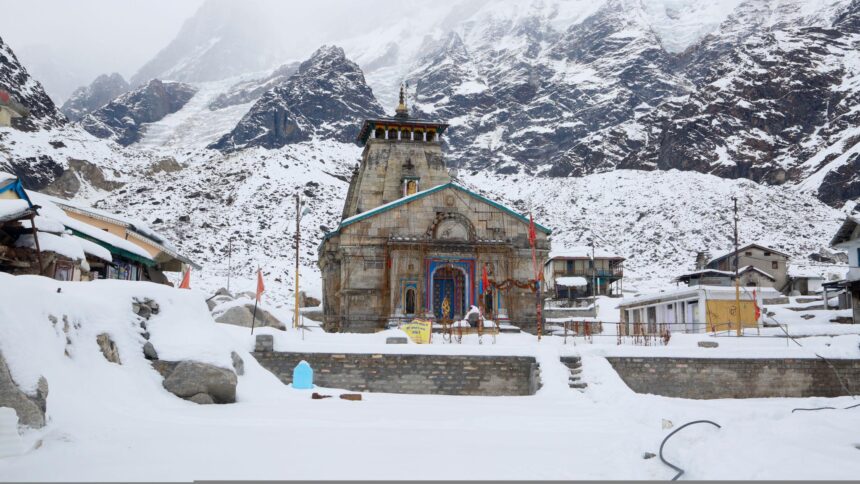
Kedarnath Temple Uttarakhand: Kedarnath Temple Uttarakhand is one of India’s most sacred Hindu temples dedicated to Lord Shiva. Nestled in the breathtaking Garhwal Himalayas of Uttarakhand at an altitude of approximately 3,583 meters (11,755 feet), this ancient temple attracts millions of devotees and travelers every year. It is one of the twelve revered Jyotirlingas and forms an important part of the Char Dham Yatra.
Surrounded by majestic snow-covered mountains and the tranquil Mandakini River, Kedarnath Temple offers not only spiritual peace but also unforgettable natural beauty. Whether you are a pilgrim seeking blessings or a traveler looking for Himalayan adventure, Kedarnath is a destination that touches every heart.
History of Kedarnath Temple
Ancient Origins
According to Hindu mythology, after the Kurukshetra War, the Pandavas sought forgiveness from Lord Shiva for the sins committed during the battle. Shiva, unwilling to meet them, disguised himself as a bull and hid in the Himalayas.
When Bhima recognized the bull, Lord Shiva disappeared into the ground. The hump emerged at Kedarnath, while other body parts appeared at different places, forming the Panch Kedar temples.
The hump is worshipped at Kedarnath Temple as the sacred Shiva Lingam.
Historical Background
Many historians believe the original temple dates back over 1,200 years. The present temple is traditionally attributed to the philosopher and saint Adi Shankaracharya in the 8th century CE, who revived pilgrimage routes and restored many sacred shrines across India.
Despite earthquakes, floods, snowfall, and extreme weather, the temple has stood strong for centuries, showcasing remarkable ancient engineering.
Timeline of Kedarnath Temple
| Year/Period | Event |
|---|---|
| Mahabharata Era | Pandavas worship Lord Shiva |
| Ancient Period | Original shrine believed established |
| 8th Century | Temple restored by Adi Shankaracharya |
| 2013 | Massive floods hit Kedarnath; temple survives |
| 2014–Present | Reconstruction and improved pilgrimage infrastructure |
| Every Year | Temple opens around April/May and closes around November |
Architectural Beauty
The temple is built entirely from massive grey stone slabs without modern cement. It reflects classic North Indian Himalayan temple architecture.
Highlights include:
- Stone construction
- Intricate carvings
- Sacred Shiva Lingam
- Nandi statue outside
- Snow-covered Himalayan backdrop
The engineering continues to amaze archaeologists because of its durability in extreme conditions.
Religious Significance
Kedarnath Temple holds immense importance in Hinduism.
Its significance includes:
- One of the 12 Jyotirlingas
- Part of Char Dham Yatra
- One of Panch Kedar temples
- Dedicated to Lord Shiva
- Believed to remove sins and grant moksha
- Symbol of devotion, faith, and inner peace
Many devotees believe visiting Kedarnath once in life brings immense spiritual blessings.
Amazing Facts About Kedarnath Temple
- Located at 3,583 meters above sea level.
- One of the highest Shiva temples in India.
- Over 1,200 years old.
- Survived the devastating 2013 floods.
- Protected naturally by a huge boulder during the floods.
- Temple remains closed during winter.
- Idol is worshipped in Ukhimath during winter.
- Built from interlocking stone blocks.
- Part of the Panch Kedar pilgrimage.
- Millions visit annually.
- Surrounded by breathtaking Himalayan peaks.
- No modern cement was used.
- Strong spiritual energy attracts devotees worldwide.
- Temple opens only for about six months each year.
- The sacred trek itself is considered spiritually rewarding.
Estimated Travel Costs
Approximate expenses (per person):
| Expense | Estimated Cost |
|---|---|
| Registration | Free |
| Bus from Haridwar | ₹700–₹1,200 |
| Shared Taxi | ₹500–₹1,000 |
| Helicopter | ₹7,000–₹10,000 (round trip, varies) |
| Hotel | ₹800–₹5,000/night |
| Food | ₹300–₹700/day |
| Pony/Palki | ₹2,500–₹6,000 |
Costs vary depending on the season and availability.
Best Time to Visit
The temple generally opens between April or May and closes around October or November.
Ideal months include:
- May
- June
- September
- October
Avoid the heavy monsoon season due to landslide risks.
How to Reach
Nearest airport:
- Jolly Grant Airport, Dehradun
Nearest railway stations:
- Rishikesh
- Haridwar
Road route:
- Haridwar → Rishikesh → Rudraprayag → Guptkashi → Sonprayag → Gaurikund
From Gaurikund, pilgrims trek about 16–18 km to the temple, or choose pony, palki, or helicopter services.
Important Festivals and Observance
Major celebrations include:
- Maha Shivaratri
- Opening Ceremony
- Closing Ceremony
- Shravan Month
- Kartik Purnima
Thousands of devotees participate in these religious events each year.
Why Kedarnath Temple Is Important in Our Life
Kedarnath teaches valuable life lessons:
- Faith over fear
- Patience during hardships
- Respect for nature
- Inner peace through devotion
- Simplicity and humility
- Spiritual discipline
- Gratitude for life
The challenging journey reminds visitors that meaningful achievements often require perseverance.
Importance to Society
The temple contributes to society by:
- Preserving India’s spiritual heritage
- Supporting local livelihoods through tourism
- Promoting cultural traditions
- Inspiring environmental awareness in the Himalayas
- Encouraging unity among people from diverse backgrounds
- Strengthening the local economy
Daily Life Impact
The teachings associated with Kedarnath can influence daily life by encouraging:
- Honest living
- Kindness toward others
- Respect for parents and elders
- Self-discipline
- Compassion
- Mental resilience
- Positive thinking
- Balance between material success and spirituality
These values help build stronger families and communities.
Important Points
- One of India’s holiest Shiva temples.
- Part of the Char Dham pilgrimage.
- One of the twelve Jyotirlingas.
- Located in the Garhwal Himalayas.
- Open only during summer months.
- Accessible by trekking from Gaurikund.
- Symbol of unwavering faith.
- A remarkable example of ancient stone architecture.
Wishing Messages
Here are a few heartfelt wishes:
- May Lord Shiva bless you with strength, peace, prosperity, and happiness. Har Har Mahadev!
- May your Kedarnath journey bring spiritual fulfillment and divine blessings.
- Wishing you good health, success, and inner peace through the grace of Lord Kedarnath.
- May the blessings of Baba Kedarnath remove obstacles from your life and guide you toward positivity.
Frequently Asked Questions (FAQs)
1. Why is Kedarnath Temple famous?
It is famous as one of the twelve Jyotirlingas and an important Char Dham pilgrimage site dedicated to Lord Shiva.
2. Where is Kedarnath Temple located?
It is located in the Rudraprayag district of Uttarakhand, India.
3. Who built the temple?
The current structure is traditionally attributed to Adi Shankaracharya, though the site’s origins are considered much older.
4. What is the best time to visit?
May, June, September, and October are generally the best months.
5. How difficult is the trek?
The trek is moderately challenging and requires good physical fitness, though assistance such as ponies, palkis, and helicopter services is available.
6. Is photography allowed?
Photography is generally allowed outside the temple but not inside the sanctum.
7. Why does the temple close during winter?
Heavy snowfall makes the area inaccessible, so the temple closes and the deity’s worship continues at Ukhimath.
8. Is online registration required?
Pilgrims are generally required to complete registration for the Char Dham Yatra before visiting.
9. Can senior citizens visit?
Yes, many senior citizens visit using helicopter services or other available assistance.
10. Is accommodation available?
Yes, hotels, guest houses, lodges, and camps are available at Gaurikund, Sonprayag, and Kedarnath during the pilgrimage season.
Visitor Review
⭐⭐⭐⭐⭐ Overall Rating: 4.9/5
Spiritual Experience: ⭐⭐⭐⭐⭐
Visitors often describe the temple as deeply peaceful and spiritually uplifting, especially during the early morning and evening prayers.
Scenic Beauty: ⭐⭐⭐⭐⭐
The surrounding Himalayan peaks, glaciers, and river create one of the most breathtaking landscapes in India.
Accessibility: ⭐⭐⭐⭐☆
The trek can be physically demanding, but improved infrastructure and helicopter services have made the pilgrimage more accessible.
Facilities: ⭐⭐⭐⭐☆
Accommodation, medical assistance, food stalls, and security have improved significantly in recent years, though peak-season crowds can lead to waiting times.
Overall Impression:
Kedarnath Temple is more than a destination—it is a journey of faith, resilience, and self-discovery. Most pilgrims consider the challenging trek worthwhile because of the temple’s spiritual atmosphere and the awe-inspiring Himalayan surroundings.
Conclusion
Kedarnath Temple Uttarakhand is not merely a place of worship but a timeless symbol of faith, devotion, resilience, and India’s rich spiritual heritage. Its ancient history, sacred legends, remarkable architecture, and stunning Himalayan setting continue to inspire millions of pilgrims and travelers every year.
Beyond its religious importance, the temple reminds us to cultivate humility, perseverance, respect for nature, and compassion in our everyday lives. Whether you seek spiritual growth, cultural understanding, or the beauty of the Himalayas, a visit to Kedarnath leaves lasting memories and valuable life lessons.
May the blessings of Lord Shiva guide you toward peace, wisdom, good health, and prosperity. Har Har Mahadev!